Start your historical cosplay by researching primary sources like period photographs, clothing artifacts, and museum collections to understand authentic construction methods. You’ll need era-appropriate fabrics—linen and wool for medieval periods, cotton muslins for Regency era—paired with proper underpinnings like corsets, petticoats, and strategic padding to achieve accurate silhouettes. Master hand-stitching techniques, period-correct lacing methods, and authentic embellishments using garment-specific trims. Complete your transformation with historically accurate accessories, from jewelry to headwear, while learning practical adaptations that bridge centuries-old techniques with modern wearability demands.
Key Takeaways
- Research primary sources like photographs, artifacts, and period documents to inform authentic costume design choices.
- Select era-appropriate fabrics matching social class, from Viking linen and vadmal to Renaissance silks and Regency muslins.
- Master period construction methods including hand-stitching techniques, proper boning, and historical seam finishes for authenticity.
- Build accurate silhouettes using correct underpinnings like stays, corsets, petticoats, and strategic padding for each era.
- Complete costumes with period-accurate accessories including appropriate jewelry, headwear, belts, and functional props.
Researching Your Historical Period Through Primary Sources
When you’re designing a historically accurate cosplay costume, primary sources provide the foundation for authentic period details that secondary interpretations often miss or misrepresent. You’ll find these original materials in university archives, historical societies, and digital repositories like the Avalon Project.
Primary sources from archives and digital repositories deliver authentic period details that secondary interpretations frequently overlook in historical costume design.
Start by examining photographs, clothing artifacts, and material culture from your target era. Letters and diaries reveal daily attire descriptions and social norms that elevate your design beyond generic recreations.
Locating unpublished primary materials requires searching institutional catalogs like Worldcat for personal papers and manuscripts. When evaluating source reliability, assess authorship, motives, and historical context using the 5 W’s framework.
Cross-reference government documents, period newspapers, and court records to verify costume details. This research-driven approach transforms your cosplay into an innovative historical interpretation.
Choosing Era-Appropriate Fabrics and Textiles
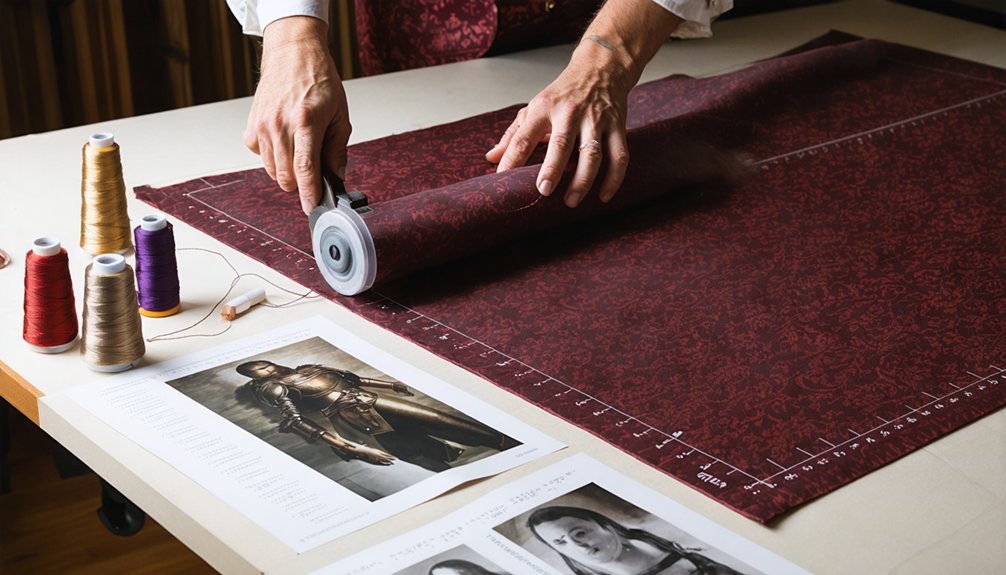
Although contemporary fabric stores overflow with synthetic options, authentic historical cosplay demands natural fibers that match your chosen period’s textile technology. Obtaining primary source fabrics requires recognizing period limitations—cotton didn’t reach Western Europe until 1750, while polyester and viscose didn’t exist before 1800.
Strategic fabric selection by era:
- Viking Age (793-1100): Source linen for undergarments, diamond twill for apron dresses, and vadmal broadcloth for outer layers
- Middle Ages (1065-1500): Prioritize wool tabby and twill weights, reserving silk for wealthy character portrayals
- Renaissance (1500-1600): Match social class through fabric—hemp and basic linen for commoners, substantial silks with heavy interlining for nobility
- Regency/Victorian: Embrace lightweight cotton muslins with block prints, graduated to heavier wool broadcloths and plaids
Understanding Period Construction Methods
Authentic period costumes require you to master construction techniques that differ fundamentally from modern sewing methods. You’ll need to understand how hand-stitching, internal structural elements, and couture finishing work together to replicate historical garment engineering.
These specialized techniques—from backstitch seams to boned foundations and hand-tacked trims—determine whether your costume achieves genuine period accuracy or merely suggests a historical silhouette.
Hand-Stitching and Tailoring Fundamentals
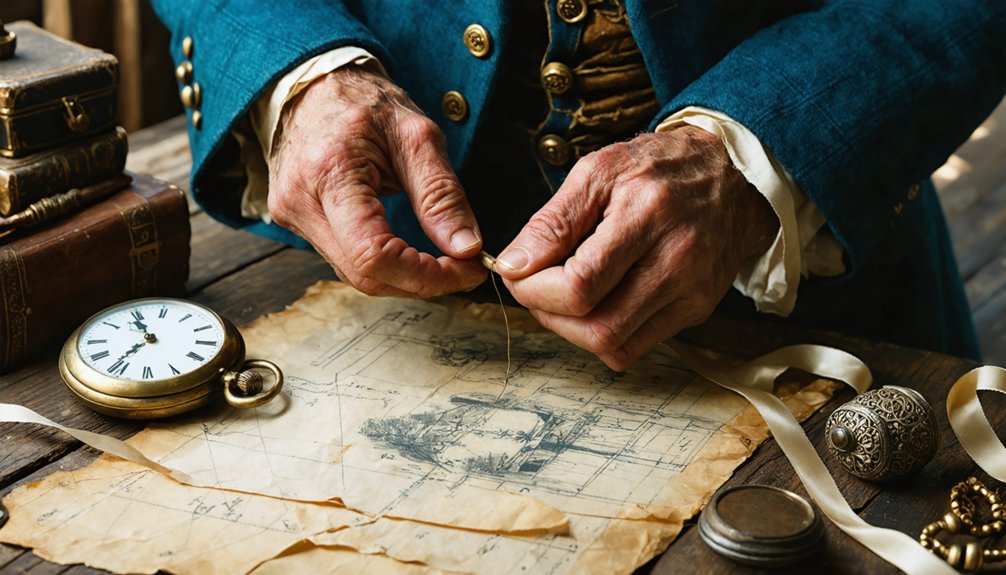
Understanding period construction methods transforms cosplay from costume-making into historically grounded craftsmanship. You’ll achieve authentic results by mastering medieval hand-stitching techniques that prioritize structural integrity and period precision.
Essential Hand-Stitching Fundamentals:
- Thread selection and preparation: Use linen thread for historical accuracy, waxing it to strengthen fibers and prevent tangling. Cotton quilting or buttonhole thread serves as acceptable substitutes. Proper needle selection guarantees clean stitching through period fabrics.
- Core stitch techniques: Master running stitch, backstitch, and whipstitch—the foundation of pre-machine construction. Running-backstitch combines 6-10 running stitches with one backstitch for ideal seam strength.
- Seam density standards: Achieve 8-12 stitches per inch matching extant garments, ensuring structural stability.
- Thread finishing methods: Employ figure-eight knots and secure tails between needle entry points for invisible, period-accurate results.
Boning and Structural Support
This internal scaffolding transforms flat fabric into three-dimensional, body-conforming shapes that define historical silhouettes.
Couture Finishing Techniques
While modern cosplayers often focus exclusively on exterior appearance, historical garment construction reveals that period seamstresses employed distinct finishing methods based on garment function, visibility, and social context.
Victorian-Era Finishing Methods for Authentic Reproduction:
- Hand whipstitching dominated bodice construction, protecting raw edges in flatlined garments without creating bulk in fitted silhouettes
- Bias binding (Hong Kong finish) demonstrated the versatility of binding techniques, using silk habotai or China silk for refined areas requiring both structural integrity and decorative seam embellishments
- Flat felled seams provided durability for undergarments subjected to frequent laundering, though visible topstitching limited application
- Combination methods like English Stitch merged seaming and finishing operations, reflecting pre-machine efficiency strategies
Understanding these period-accurate techniques elevates cosplay authenticity beyond surface-level replication.
Building the Foundation With Proper Underpinnings
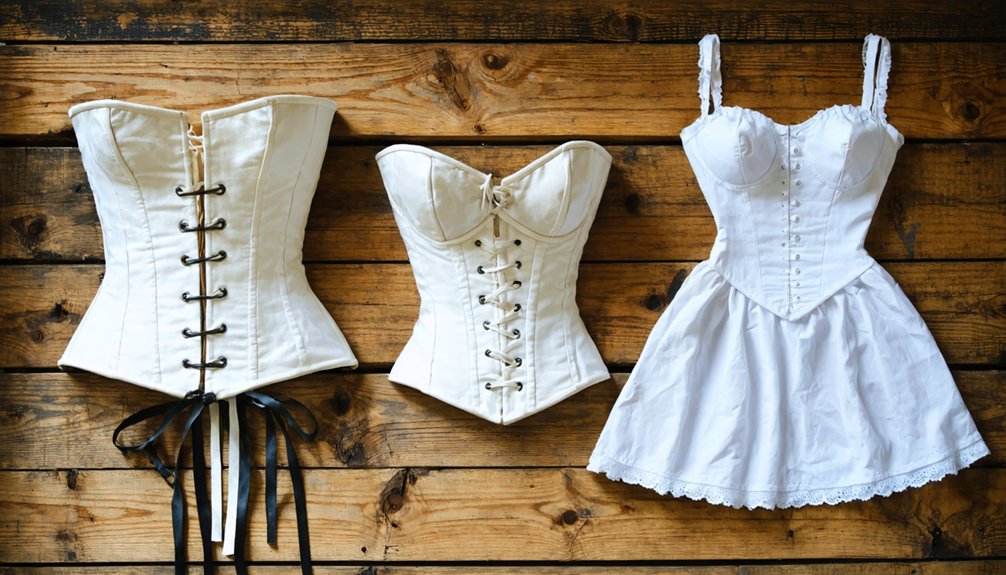
Every successful period costume begins beneath the visible layers, where proper underpinnings create the era’s distinctive silhouette. For 1890s designs, you’ll need a chemise base layer, waist-shaping corset, volume-enhancing petticoat, and small bustle pad.
Authentic period silhouettes demand proper foundation garments—each invisible layer strategically shapes the body before any outer costume appears.
Understanding cultural context means recognizing that spiral lacing dominated outer garments while cross-lacing with rabbit ears characterized 19th-century corsets.
Choose synthetic whalebone for lighter support or properly-cut steel bones for authentic shaping—never simple tubing. Aesthetic considerations demand multiple cotton petticoats rather than tulle, stiffened with linen, starch, or crinoline tape.
Secure corsets with metal grommets and sturdy lacing cord, not slippery ribbons.
For Edwardian innovation, draft combinations from 1910 textbook patterns using cotton voile. These merged chemise-and-drawers garments achieve 95% historical accuracy while streamlining your foundation layers.
Creating Authentic Silhouettes for Different Decades
Your historical costume’s authenticity depends on selecting the correct corset style and understanding how padding creates period-specific proportions.
An 18th-century rotund silhouette requires full stays and hip padding to achieve the barrel-chested shape, while 1850s dome skirts demand multiple petticoat layers beneath wired crinolines.
You’ll need to match your foundation garments to your target decade, as a Regency short stay produces an entirely different waistline and bust placement than a mid-Victorian corset.
Corset Selection by Era
The foundation of period-accurate cosplay begins with selecting corsetry that reflects the precise silhouette demands of your chosen era.
Era-Specific Construction Elements:
- Tudor (1485-1600): You’ll need front-lacing designs with whalebone or cane stiffening for that inverted conical shape—prioritize long-waisted construction with narrow backs
- Georgian-Victorian (1714-1890s): Select back-laced designs with steel boning and split busks; 1870s pieces require spoon-shaped busks for proper tummy control
- Edwardian (1900-1915): Choose thigh-covering lengths with reduced bust support, creating that straight-front silhouette that forecasted flapper aesthetics
Corset customization options: Commission period-accurate patterning or modify commercial pieces with era-appropriate materials.
Research corset health considerations before extended wear—proper fitting prevents compression injuries while maintaining historical authenticity.
Padding and Proportion Adjustments
Historically accurate cosplay demands strategic padding placement that transforms modern proportions into era-specific silhouettes—this foundational element separates museum-quality reproductions from obvious costumes. You’ll need padding documentation from museum collections to identify era-specific requirements: 1350s pourpoints require dense chest padding for rounded fronts, 1580s doublets demand peascod belly distortion, 1860s vests need pigeon-breast shaping, and 1980s garments require substantial shoulder pads.
Women’s cosplays benefit from hip padding beneath 17th-18th century skirts and early bustle-era garments (1868-1876), creating the rounded waist angle that optically reduces circumference. Cotton tow remains the historically authentic material, inserted between interlining layers using pad-stitching techniques. Study original garment cross-sections to determine precise padding placement—your silhouette accuracy depends entirely on this invisible architecture.
Mastering Historical Lacing Techniques
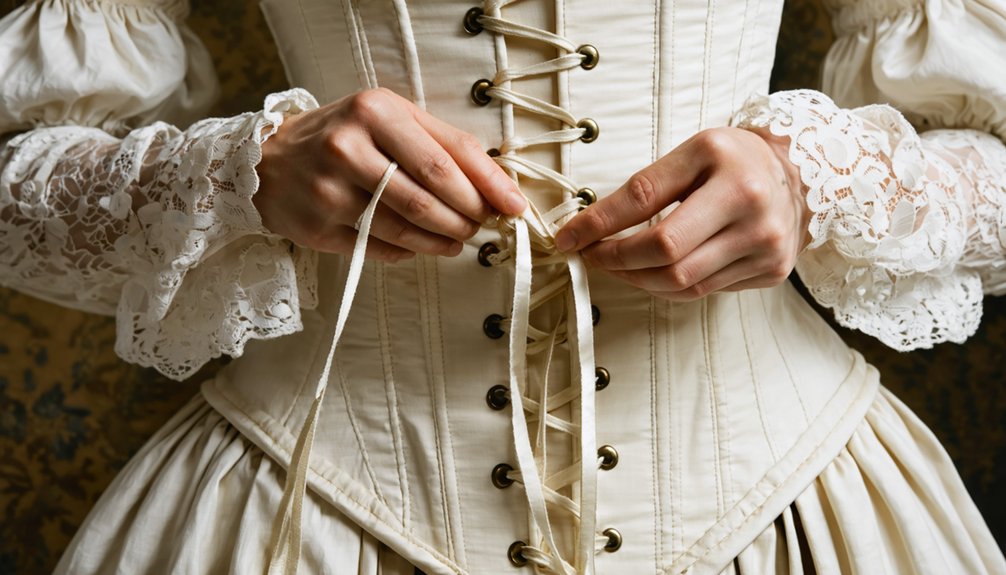
When recreating historical garments for cosplay, understanding period-accurate lacing techniques separates authentic reproductions from modern interpretations. Historical lacing evolution reveals distinct methods that’ll elevate your costume’s authenticity while maintaining structural integrity.
Mastering historical lacing methods transforms cosplay from simple costume into meticulously researched period reproduction with authentic structural elements.
Essential techniques for period-accurate construction:
- Spiral lacing variations dominated medieval through 18th-century garments, featuring single cords threaded diagonally without crossing—documented extensively in van der Weyden’s paintings
- Ladder lacing creates parallel vertical lines perfect for Renaissance bodices, requiring evenly-spaced holes for geometric symmetry
- Cross lacing appeared asymmetrically during 1450s-1460s, later documented in Victorian corsets as decorative rather than purely functional
- Fan lacing emerged by 1830s, using multiple individual laces pinned to fabric tabs for expedient donning
Reinforce holes using buttonhole silk or waxed linen thread with continuous stitching worked bottom-to-top for ideal appearance.
Adding Period-Correct Trims and Embellishments
Authentic embellishments transform competent costumes into museum-quality reproductions, yet many cosplayers underestimate their structural and visual impact on period silhouettes. Master trim application techniques by constructing separate panels on organza backing, as seen in 1810s Regency designs featuring cutwork squares bound with piping cord.
Victorian bodices demand multi-layered trim compositions—combine ruching, poufs, and inseam piping using your garment’s own fabric for cohesive depth. For 17th-century authenticity, sculpt ribbon rosettes with stiffening agents and attach long aglets for textural contrast.
Medieval cosplayers should layer card-woven bands with embroidered strips salvaged from vintage fabric. Build complexity through side-by-side braids, cords, and pearls rather than single applications. These research-backed methods create dimensional authenticity that photographs can’t ignore.
Completing Your Look With Accurate Accessories
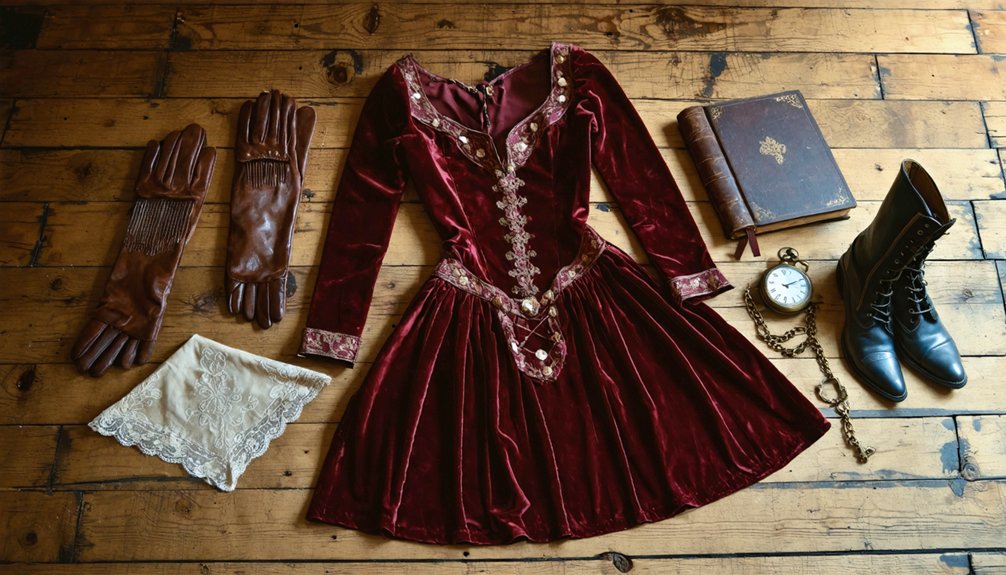
While meticulously applied trims establish your garment’s period credibility, accessories complete the historical narrative your costume tells. Strategic selection transforms basic costumes into historically convincing presentations.
Essential Accessory Categories:
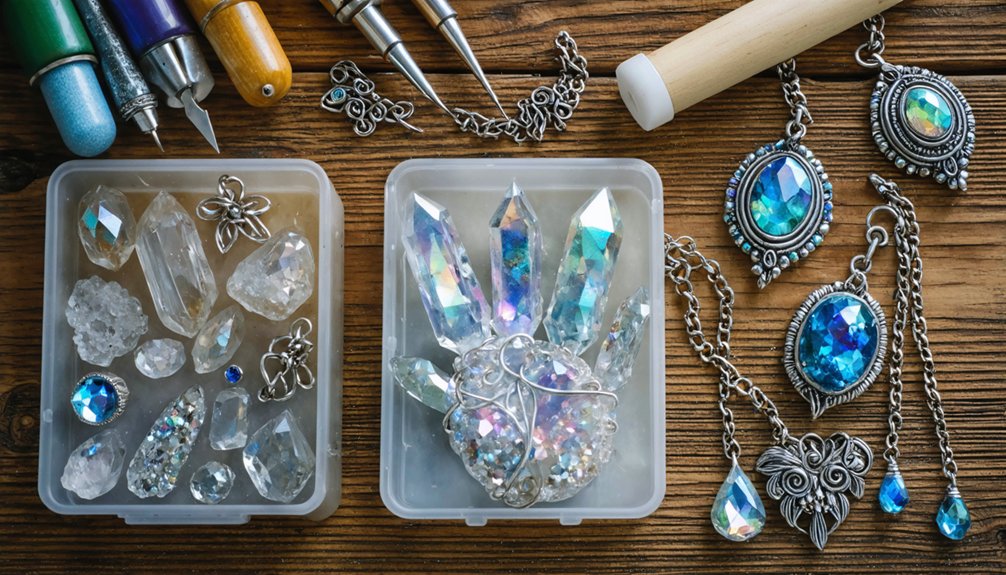
- Jewelry with Historical Significance – Necklaces featuring Thor’s hammer, ravens, or world tree motifs authenticate Viking personas, while decorative arm bands and finger rings suit medieval characterizations
- Functional Belts and Pouches – Wide belts with tooled leather alter silhouettes; Haithabu bags serve early medieval looks, pilgrim bags fit High Middle Ages portrayals
- Period-Appropriate Headwear – Circlets with faux gems, feathered caps, or wide-brimmed hats prove as essential as foundational garments
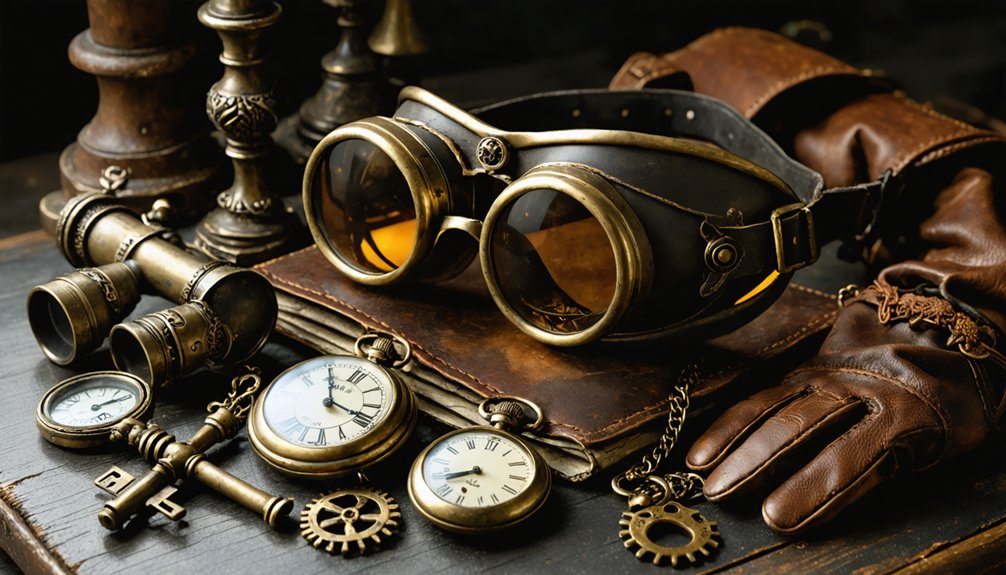
- Realistic Weapon Replicas and Props – Sword frogs hold safe props adjustably; utility knives in leather sheaths, drinking horns with belt holders, and small items like bone cubes enhance authenticity
Adapting Historical Elements for Modern Cosplay
How can you bridge centuries of costume history with practical cosplay needs? Historical accuracy demands research-driven choices, yet modern conventions require comfort, durability, and movement.
Begin with primary sources—paintings, preserved garments, fashion plates—to understand authentic silhouettes and construction methods. Then strategically adapt: raise hemlines for mobility, incorporate extra give in corsetry, and substitute corded petticoats for cumbersome hoops.
Research authentic construction through historical evidence, then modify strategically for modern wearability without sacrificing the essential period silhouette.
Achieve period-appropriate shapes through correct underpinnings like Victorian corsets and strategic padding for hip fullness. For stylized interpretations, employ vibrant, saturated hues beyond strict historical palettes—think Bridgerton’s bold approach.
Incorporate aged details and textures through weathering techniques: distressed hems, subtle dirt applications, and patches that suggest wear. Hand-stitch visible details even when using modern machines, ensuring era-specific techniques like spiral lacing patterns remain authentic while embracing innovation in materials and wearability.
Frequently Asked Questions
How Do I Budget for an Authentic Historical Cosplay Costume?
Coincidentally, you’ll save most by researching period-accurate patterns first, then hunting fabric selection deals. Track every expense meticulously—fabric, notions, trims—and build around lucky finds rather than chasing specific materials. Research resources prevent costly mistakes.
What’s the Average Time Needed to Complete a Period-Accurate Costume?
Simple costumes need weeks, while elaborate period-accurate pieces require 3-6 months. You’ll need extra time for fabric acquisition timeline research and mastering hand sewing techniques. Complex embellishments and proper underpinnings substantially extend your construction schedule.
How Do I Care for and Store Delicate Historical Costume Pieces?
Though it seems complicated, you’ll master delicate fabric handling with cotton gloves and padded hangers. Use proper storage techniques like acid-free boxes, unbleached muslin wrapping, and distilled water cleaning to preserve your period-accurate pieces for years.
Can I Make Historical Costumes Machine Washable While Maintaining Authenticity?
Yes, you can achieve both through strategic fabric selection—choosing cotton, linen, and wool over synthetics—and employing finishing techniques like pre-washing to mimic historical wear patterns while ensuring your garments withstand modern machine washing on gentle cycles.
Where Can I Find Skilled Seamstresses for Historical Costume Commissions?
You’ll find skilled seamstresses availability for costume commissions through specialized studios like Historical Seamstress (established 1988), Démodé Couture for 18th-century work, or Maggie May Clothing, which serves major productions and maintains rigorous period-accurate construction standards.