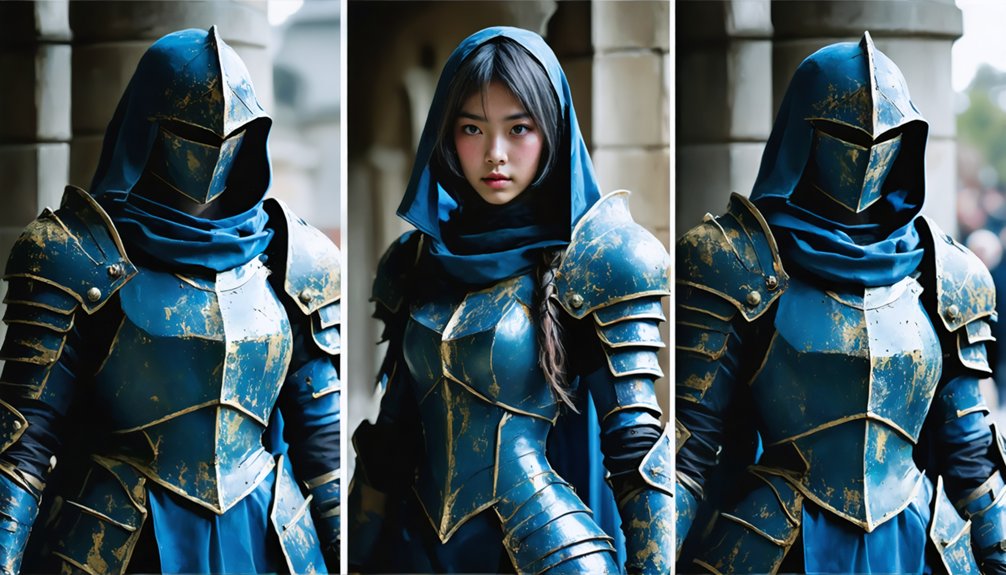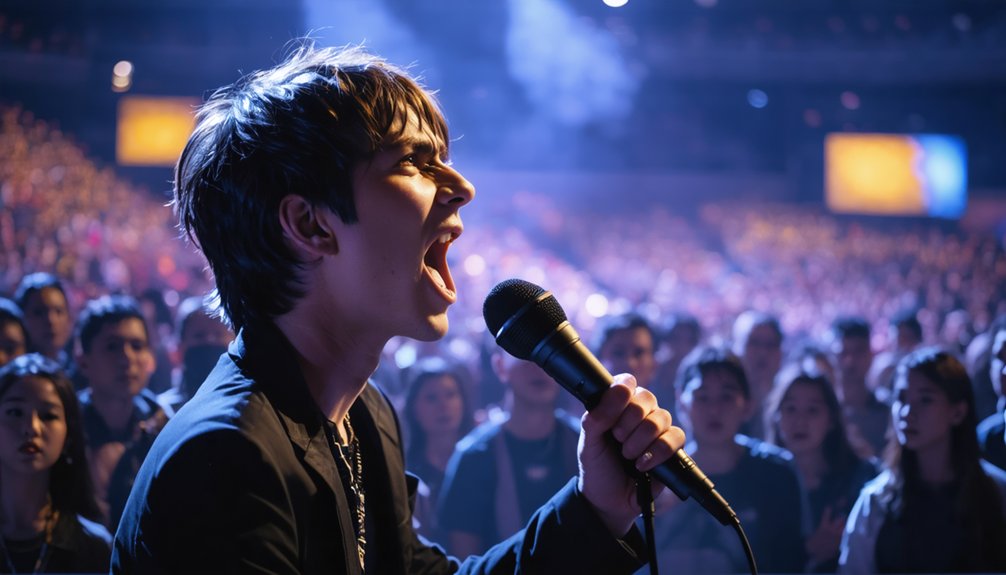
The best cosplay performances come from traits you develop intentionally, not just wear. You’ll need deep character knowledge, emotional authenticity, and physical awareness of posture, gesture, and micro-expressions. Confidence, vocal control, and crowd-reading skills keep audiences engaged, while adaptability and improvisation save you when things go off-script. Pair these with costume accuracy and sustained immersion, and you’ll transform any appearance into a genuine performance. Stick around, because there’s much more to unpack.
Key Takeaways
- Deep character knowledge drives authentic performance; understanding motivation, backstory, and emotional arc shapes every gesture, expression, and interaction convincingly.
- Emotional authenticity, especially through micro-expressions and eye focus, communicates subtext, vulnerability, and resolve before any dialogue occurs.
- Confident body language, deliberate posture, and strong diagonals visually reinforce character personality and create compelling, readable stage presence.
- Vocal versatility, including pitch, pacing, accents, and verbal tics, deepens immersion and distinguishes memorable performances from surface-level portrayals.
- Adaptability and improvisational skill allow performers to handle unexpected moments while sustaining character immersion seamlessly throughout the entire event.
Know Your Character Before You Build the Costume
Before you cut a single piece of fabric or buy your first prop, know who you’re building the costume for. Character motivation drives every design decision you’ll make.
Understanding why your character acts, fights, or sacrifices shapes how you’ll craft their silhouette, color palette, and accessories.
A character’s motivations aren’t just narrative details — they’re your blueprint for every visual choice you’ll make.
Study their backstory, relationships, and emotional arc first. Write down how they think.
Build a reference pack covering posture, mannerisms, and key visual moments from multiple angles.
This research transforms costume craftsmanship from mere recreation into intentional storytelling.
When you understand your character deeply, every stitch carries purpose. You’re not just replicating an image — you’re constructing a physical extension of a living persona.
That distinction separates forgettable costumes from performances that genuinely captivate an audience.
Costume and Makeup Accuracy That Sells the Character
Once you’ve studied your character inside and out, your costume and makeup become the proof of that research. Select a foundation that matches your skin tone precisely, then use contouring to reshape your features toward your character’s distinctive look.
Study reference images from multiple angles — front, profile, and three-quarter views — so nothing gets missed.
Nail your wig styling and coordinate every accessory intentionally. In cosplay photography, these details determine whether your portrayal reads as authentic or amateur.
A strong makeup tutorial can accelerate your technique, but practice remains non-negotiable.
Work your angles deliberately. Hinge at the waist, drop a shoulder, and let your costume’s silhouette do visual work.
Precision in every element — props, fabric, makeup edges — signals mastery and commands immediate respect from any audience.
Confidence That Commands Attention at Any Convention
Confidence isn’t something you wait to feel — it’s something you perform until it becomes real. At any convention, your energy sets the tone before you speak a word. Stand tall, make deliberate eye contact, and move with purpose through every interaction.
Identify your character’s three strongest traits and amplify them slightly — that clarity reads across a crowded floor. Your dynamic costume design already signals intention; let your body language match it. Don’t shuffle or hesitate — commit fully to every pose and gesture.
Unexpected moments will test you, so lean into improvisation techniques to stay grounded when things go off-script. Run short emotional beats mentally before entering a busy space.
Confidence compounds — the more you project it outward, the more authentic it becomes internally.
Use Posture and Body Language to Embody the Character
Your body tells the character’s story before you speak a single word, so master the fundamentals of how your character stands, shifts weight, and holds tension.
Work angles deliberately by hinging at the waist, dropping a shoulder, and creating strong diagonals that shape a recognizable silhouette.
Let your hands move with intention, because purposeful gestures communicate emotion and reinforce the character’s personality far more powerfully than a stiff, neutral stance ever could.
Master Character Posture Basics
Mastering character posture is one of the fastest ways to transform your portrayal from costume-wearer to full embodiment. Start by studying your character’s natural stance — how they distribute weight, hold tension, and occupy space.
Posture alignment isn’t just about standing straight; it’s about mirroring the character’s psychological state through physical form. A warrior stands differently than a scholar.
Focus on body symmetry when establishing a neutral base, then deliberately break it to reflect personality. Heroes often lead with an open chest; villains collapse inward or overextend with arrogance.
Create strong diagonals by shifting weight onto one hip, dropping a shoulder, or hinging at the waist. These deliberate choices signal intent, communicate story, and make your portrayal visually compelling before you speak a single word.
Use Angles and Diagonals
Once you’ve locked in your character’s foundational stance, angles and diagonals are what give your posture life and visual storytelling power.
Break angle symmetry deliberately — avoid standing straight-on, which flattens your presence and kills dramatic impact. Instead, hinge at the waist, drop one shoulder, and shift your weight to create compelling diagonal framing that draws the eye across your entire silhouette.
Think of your body as a composition. Strong diagonals create tension, movement, and narrative — even in stillness. Bend your elbows and knees to introduce triangular lines that project energy outward.
A dropped hip, a tilted chin, or an extended arm transforms a static pose into a visual statement. Every angle you choose communicates something about who your character is.
Lead With Purposeful Gestures
Gesture with intention — every movement of your hands, arms, and body should tell the audience something about who your character is. Purposeful gestures transform static dynamic costume design into living storytelling. A clenched fist communicates resolve; open palms signal vulnerability. Neither happens by accident.
Study your character’s emotional character depth and let that internal world drive your physicality. Nervous characters fidget differently than confident ones. Warriors move with deliberate economy; scholars gesture toward thought.
Avoid empty, filler movements that dilute your presence. Instead, commit to each gesture fully before shifting. Your hands should feel like punctuation — emphasizing, pausing, and concluding moments within your performance.
Practice in front of a mirror, isolating gestures until they feel organic. Intentional movement separates compelling cosplay performance from mere costume-wearing.
Facial Expressions That Communicate Without Words
Your face is a storytelling instrument, and mastering silent emotional expression separates a memorable cosplay performance from a forgettable one.
Focus your energy on your eyes first, since they carry the most weight in conveying a character’s depth, resolve, or vulnerability without a single spoken word.
Train yourself to hold micro-expressions with intention, because subtle shifts in your brow, jaw, and mouth build the authenticity that pulls your audience fully into the character’s world.
Mastering Silent Emotional Storytelling
When you strip away dialogue and movement, your face becomes the most powerful storytelling tool in your cosplay arsenal. Silent storytelling demands precision — every micro-expression must carry the emotional weight your character would otherwise vocalize.
Train your eyes first; they telegraph intention before any other feature responds. Practice isolated muscle control to sharpen your emotional cues. A tightened jaw signals suppressed anger. A softened brow communicates grief without tears. Slightly parted lips suggest disbelief.
These subtle distinctions separate compelling performers from static costume displays. Study your character’s emotional range through reference images, then mirror those expressions deliberately in front of a camera.
Review the footage critically. What reads clearly on your face translates directly into audience connection, making your portrayal resonate long after the convention floor empties.
Eyes Convey Character Depth
Among all the tools in your expressive toolkit, the eyes carry the most unfiltered emotional truth. When you hold deliberate eye contact with your audience, you create instant emotional resonance that no costume or prop can manufacture alone.
Train your gaze to reflect your character’s inner world. A hardened warrior carries cold, calculating stillness behind their eyes. A grieving hero holds moisture and distant focus. You’re not just looking — you’re transmitting lived experience.
Practice micro-expressions by isolating emotional beats: resolve, suspicion, longing, and rage. Run each one until it lives naturally in your eye line without forcing it into your broader facial muscles.
Direct your story through your gaze. Where your eyes lead, the audience follows — making every silent moment land with precision and power.
Micro-Expressions Build Authenticity
Micro-expressions happen in fractions of a second, but they’re the difference between a performance that feels inhabited and one that feels performed. These emotional micro movements — a tightened jaw, a flickering brow, a subtle lip compression — communicate internal states before you consciously decide to emote.
Invest in micro expression training to identify and reproduce these involuntary signals accurately. Study your character’s emotional triggers, then rehearse the facial responses those triggers produce.
Practice in front of a mirror using slow-motion breakdowns, isolating individual muscle groups until each reaction feels instinctual.
When you nail micro-expressions, your audience reads subtext without dialogue. They sense conflict, hesitation, and resolve in your face before your body moves. That layered honesty transforms a cosplay portrayal into a genuinely compelling, fully embodied character performance.
Using Voice and Tone to Perform Your Cosplay Character
Your voice is one of the most powerful tools in your cosplay performance arsenal, so you’ll want to use it intentionally. Vocal versatility separates a memorable portrayal from a forgettable one. Study your character’s speech rhythms, pitch, and pacing, then practice replicating them consistently.
Tone mastery means you’re controlling emotional delivery, not just volume. Speak from your diaphragm to project clearly in loud convention environments. Adopt your character’s unique verbal tics, accent, or cadence to deepen immersion for your audience.
Warm up your voice before events to maintain control throughout long performance sessions. Record yourself practicing character dialogue, then review the playback critically. Adjust until your vocal delivery feels instinctive, allowing you to stay fully present in character during every interaction.
How to Read and Respond to Crowd Energy?

Reading crowd energy is a skill that separates polished performers from one-trick cosplayers. You’ve got to scan the room constantly, noticing body language, noise levels, and engagement patterns. A quiet crowd isn’t a dead crowd — they’re waiting for you to pull them in.
Sharpen your stage presence by adjusting your energy to match or elevate what you’re sensing. If excitement is building, amplify your gestures and eye contact. If attention is drifting, shift your positioning or initiate direct audience interaction to recapture focus.
Practice reading micro-signals — a leaning posture, a smile forming, crossed arms. These cues tell you exactly how to pivot your performance in real time. Responsive performers don’t just react; they anticipate, adapt, and lead the crowd’s emotional experience with intention.
How to Stay in Character Through an Entire Convention?
Crowd energy keeps your performance alive in the moment, but sustaining character across an entire convention is a different kind of endurance test. Audience connection weakens when you break character during downtime, so treat every hallway, queue, and photo op as a live scene.
Crowd energy fuels the moment, but true character endurance transforms every hallway and queue into a live performance.
Build your stamina with these core strategies:
- Anchor your mindset early: Run a short emotional beat before entering the convention floor to lock in your character’s resolve.
- Protect costume durability: Pack repair essentials so wardrobe failures don’t pull you out of the moment unexpectedly.
- Create micro-rituals: Use character-specific gestures or phrases to re-center yourself between interactions.
Your character doesn’t pause—neither should you.
Consistent immersion transforms a great costume into an unforgettable performance.
Adapting Your Cosplay Performance When Things Go Off Script

Even the most rehearsed cosplayer hits moments where the scene breaks—an unexpected question, a prop malfunction, or an audience interaction that veers off script. That’s where improvisation techniques become essential tools, not afterthoughts.
Stay grounded in your character’s core motivations. When something unexpected happens, ask yourself how your character would genuinely react. That internal anchor keeps your response authentic rather than performative.
Build emotional resilience by rehearsing chaotic scenarios beforehand. Run role-playing exercises where someone deliberately disrupts your performance. The more you practice recovering, the faster your instincts sharpen.
Use misdirection confidently—redirect awkward moments through your character’s perspective, turning interruptions into narrative opportunities. Own the moment rather than breaking from it.
Adaptability isn’t weakness; it’s the mark of a performer who’s truly mastered their craft.
Why Authenticity Makes or Breaks a Cosplay Performance
Authenticity separates a memorable cosplay performance from a costume showcase. When you deeply study your character’s backstory, motivations, and cultural significance, you transform from a visual replica into a living embodiment. Cross-media influence matters here — understanding how your character behaves across comics, films, and games gives you a richer emotional palette to draw from.
Authentic cosplay transcends costume — it’s a living embodiment born from deeply studying your character’s story, soul, and significance.
Build your authenticity through these core practices:
- Write your character’s inner monologue to understand how they process decisions and conflict.
- Reference multiple media versions to capture signature mannerisms and emotional range accurately.
- Love your character genuinely to unlock expressive depth you didn’t know you possessed.
Audiences feel the difference instantly. Authentic performers create empathy and connection; costume wearers simply create curiosity.
Frequently Asked Questions
What Are the Best Conventions for Debut Cosplay Performances?
“Go big or go home!” Start your debut at San Diego Comic-Con or Dragon Con—they’re your stage presence goldmines. You’ll refine your cosplay makeup skills and captivate innovative crowds who truly appreciate bold, authentic character performances.
How Do You Handle Negative Feedback About Your Cosplay Character Portrayal?
When handling criticism, don’t take it personally—use it as fuel for building confidence. Analyze feedback objectively, refine your character study, and adapt your performance. You’ll transform negativity into powerful growth opportunities that elevate your portrayal authentically.
Can Beginner Cosplayers Successfully Perform Complex Characters at Large Events?
Yes, you can tackle complex characters early! Master cosplay acting by studying your character deeply, refining stage presence through micro-emotional beats, and staying adaptable. Confidence and preparation transform even beginners into compelling performers at large events.
How Much Money Should Beginners Budget for Their First Cosplay Performance?
Boldly begin your budget planning between $50–$150 for costume affordability. You’ll want to prioritize quality fabrics, basic makeup, and key props. Smart spending stretches creativity, so you’re building impressive performances without breaking your bank.
Are There Online Communities Specifically Supporting Cosplay Performers Seeking Performance Feedback?
You’ll find dedicated platforms like Reddit’s r/cosplay and Discord servers offering cosplay feedback and online critique. Join these communities, share your performances, and you’re actively refining your expressiveness, confidence, and character authenticity through innovative peer insights.
References
- https://starstruckpanda.com/adapting-character-traits-for-cosplay-performance/
- https://theswordstall.co.uk/blogs/news/how-to-choose-a-cosplay-character-that-matches-your-personality-perfectly
- https://starstruckpanda.com/how-to-match-character-features-for-cosplay-accuracy/
- https://www.pointpress.site/cosplay-confidence-tips-to-bring-characters-to-life-1
- https://www.belloflostsouls.net/2022/07/origin-of-a-cosplay-persona.html
- https://cosplay.com/archive/thread/pmdqg0/being-in-character-when-you-cosplay
- https://www.thehorrordome.com/blogs/news/cosplay-character-spotlight-breaking-down-a-costume-that-works