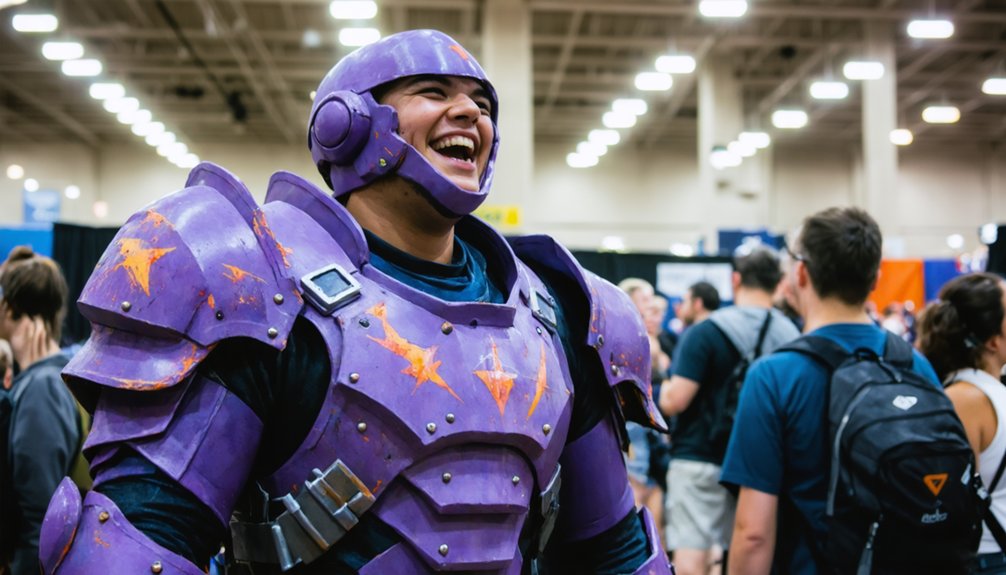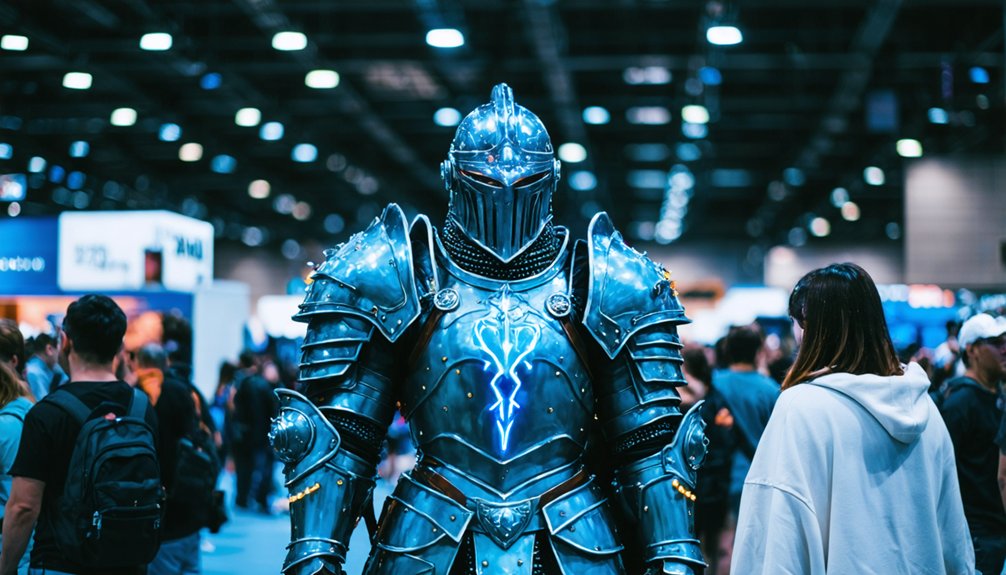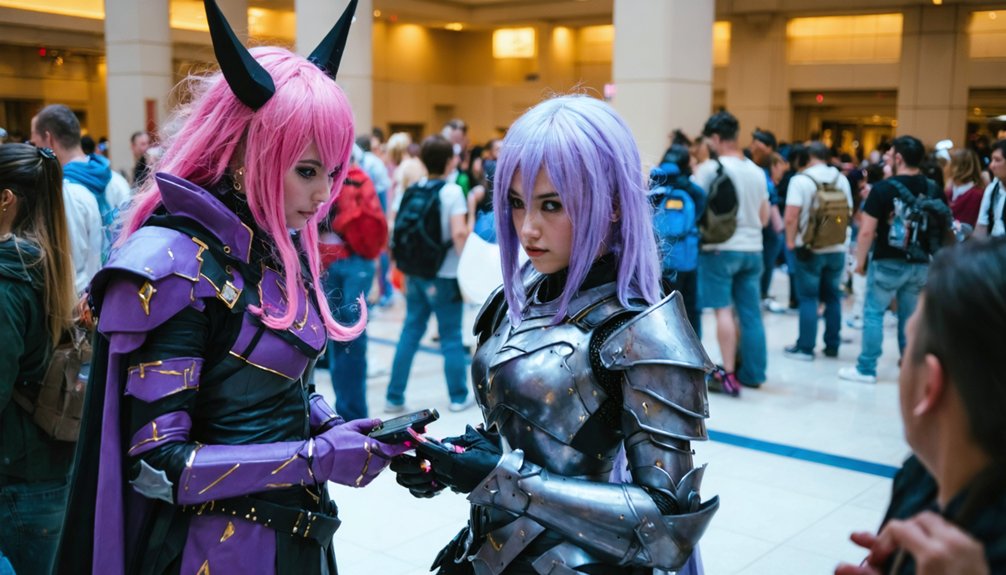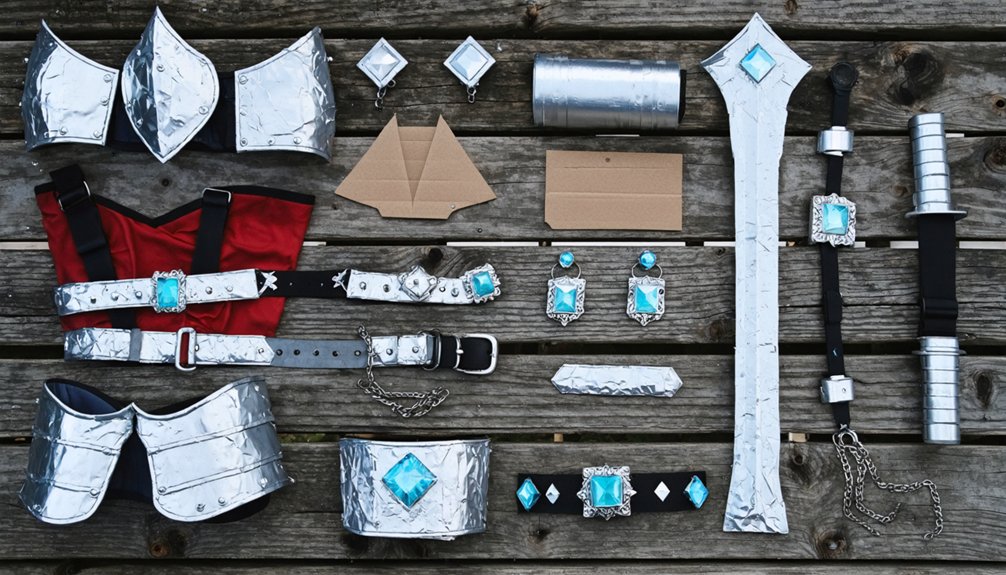
You’ll save drastically by using EVA foam for armor pieces and cardboard for prop prototyping instead of expensive pre-made alternatives. Shop strategically during Black Friday sales and post-convention clearance periods, while checking Facebook Marketplace and Depop for secondhand wigs and accessories at 50-70% off retail. Master basic techniques like heat-shaping foam with a heat gun and adding texture with Dremel tools to create professional-looking costumes for under $50. The following sections break down specific sourcing strategies and construction methods that’ll maximize your convention budget.
Key Takeaways
- Use EVA foam, craft foam, and thermoplastics like Worbla for affordable armor, weapons, and props with professional results.
- Compare prices across Amazon, eBay, AliExpress, and local craft stores during Black Friday and end-of-season clearances.
- Buy secondhand wigs and accessories from Depop, Mercari, and Facebook Marketplace to save significantly on convention costs.
- Purchase during pre-convention sales and post-event clearance periods to maximize discounts on vendor inventory.
- Apply DIY techniques like heat-shaping foam and repurposing household materials to create quality costumes inexpensively.
Essential Low-Cost Materials Every Cosplayer Should Know About
EVA foam transforms cosplay dreams into reality without draining your wallet. You’ll find this flexible, lightweight material at craft stores, perfect for armor, shields, and weapons. Cut it with utility knives, shape it with heat guns, and layer it for texture. High-density grey EVA foam from cosplayshop.be excels in durability and laser cutting precision.
Start prototyping affordable designs with cardboard—it’s your testing ground for helmets and props before investing in specialized materials. Craft foam adds decorative depth without bulk, while pool noodles create cylindrical shapes for staffs and hammers.
When you’re ready for experimenting with new materials, thermoplastics like Worbla offer heat-activated hardening for sharp armor trim. These accessible materials let you innovate freely, mastering techniques while keeping convention costs manageable.
Smart Shopping Strategies for Convention Accessories
You’ll stretch your cosplay budget enormously by implementing strategic purchasing methods before convention day arrives. Compare prices across Amazon, eBay, AliExpress, and local craft stores using browser extensions that track historical pricing data and alert you to drops.
Target major sales events like Black Friday, end-of-season clearances, and platform-specific promotions while actively searching Facebook Marketplace, Depop, and thrift stores for gently used wigs, props, and costume pieces at 50-70% below retail prices.
Compare Prices Across Platforms
Since identical products often appear across multiple platforms at different price points, cross-referencing listings saves you significant money on convention accessories. Shops like Miccostumes, EZCosplay, and ProCosplay maintain storefronts across Amazon, eBay, and AliExpress—you’ll find the same items at varying costs. Conduct product quality comparisons by examining photos and specifications across platforms to verify you’re purchasing identical items.
Strategic price-checking techniques:
- Compare AliExpress ($5–$40) against Amazon and eBay for accessories before purchasing
- Review seller reliability assessments through ratings and feedback across multiple platforms
- Check Etsy ($20–$80) for customizable alternatives that match mass-produced items
Specialized sites often undercut general retailers—wigs cost less on Ccraft than mainstream cosplay shops, while eBay’s theatre surplus sections offer budget-friendly props. Document lowest prices as you research to maximize convention accessory budgets.
Buy Used and Secondhand
Tapping into the secondhand market cuts your convention accessory costs dramatically while expanding your costume options beyond new retail inventory. Platforms like Depop and Mercari, which grew 18% in 2022, offer synthetic fiber wigs and props at reduced prices—you’ll find alternatives to $300-$1,500 custom pieces.
With 64% of cosplayers purchasing ready-made costumes yearly, authenticated listings guarantee you’re avoiding the 10-15% counterfeit products plaguing the market. Prioritize sellers with quality assurance measures and detailed photographs.
eBay dominates the low-price bracket for first-time attendees, while Amazon and AliExpress provide knockoff accessories requiring careful vetting. You’ll reduce your $100+ convention spending substantially through strategic secondhand purchases, particularly for accessories driving the entry-level segment’s growth.
Time Purchases Around Sales
Strategic timing transforms convention shopping from impulsive spending into calculated savings opportunities. You’ll maximize your budget by leveraging pre sales through vendor online stores before conventions—Dragons Trading’s digital presence lets you secure items ahead of major events. Taking advantage of early bird specials during peak seasons yields significant savings.
Target these ideal purchasing windows:
- Post-convention restocking periods (like Gnome Depot’s April 1-22 closure) when vendors offer clearance pricing
- 3-4 weeks before events when schedules release and vendors promote pre-order discounts
- Off-peak months between major convention clusters for reduced competition and better deals
Monitor vendor schedules across March, July, and August convention concentrations. FanimeCon’s dealer gallery and similar convention pages reveal which booths stock limited items, helping you prioritize timing for exclusive accessories.
DIY Techniques That Save Money Without Sacrificing Quality
Cutting down on cosplay expenses doesn’t mean settling for amateur-looking props and armor. You’ll achieve professional results through strategic prop assembly methods that maximize ordinary materials. EVA foam sheets cut at 45-degree angles create seamless armor joints, while heat guns bend curves into shoulder pads that retain their shape. Dremel tools with flex shafts carve intricate textures without fatigue, and pre-beveled edges slash assembly time by 30-50%.
Material repurposing tactics transform household waste into convention-ready accessories. Plastic bottles become potion vials or futuristic weapons when filled with colored water for zero-cost glowing effects. Paper mache reinforced over cardboard tubes produces lightweight swords under $5. Hot glue bonds foam layers while metallic tape adds weathered details. These techniques deliver durability and visual impact without premium price tags.
Maximizing Your Investment Through Reusable Components
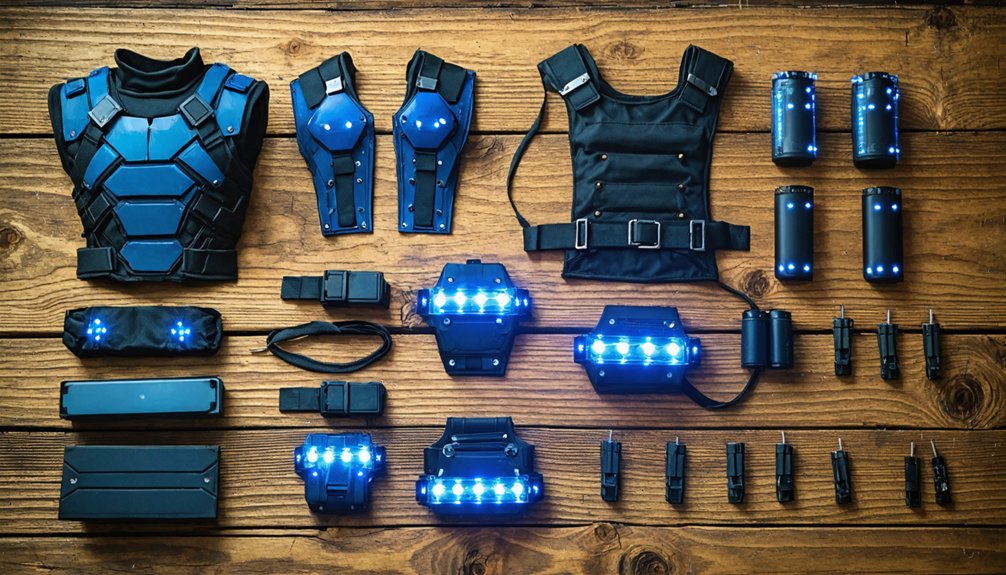
Building out a collection of reusable components lets you extract maximum value from every purchase while expanding your cosplay portfolio. Component customization options transform basic materials into versatile building blocks—yoga mats become armor for warriors and sci-fi soldiers, while plastic bottles reshape into accessories spanning multiple character aesthetics.
Design multifunctional accessory designs with modularity in mind:
- Collapsible prop structures with labeled hardware bags enable quick reassembly across conventions
- Base layer investments like moisture-wicking garments preserve costume integrity through repeated wear
- Maintenance kits featuring color-matched threads and quick-fix supplies extend component lifespans indefinitely
Sustainable fabric selections—bamboo, linen, organic cotton—withstand multiple transformations without degradation. Strategic upcycling converts thrifted materials into enduring pieces, while coordinated color palettes guarantee seamless mixing across character builds.
Online Marketplaces and Secondhand Sources for Deals
You’ll find significant savings on cosplay accessories by exploring secondhand marketplaces like Coscove, where preowned items range from $20 to $350, and platforms such as eBay and Etsy that feature both used and handmade pieces at competitive prices. These resale platforms let you access quality props, wigs, and costume components at 30-70% below retail cost while supporting the cosplay community’s circular economy.
To maximize your secondhand shopping returns, cross-reference seller ratings, compare item conditions across multiple listings, and verify measurements against provided sizing charts before purchasing.
Popular Resale Platform Options
Since cosplay accessories can strain your budget, secondhand marketplaces offer significant savings on costumes, props, wigs, and armor. Platform evaluation requires understanding each marketplace’s strengths: ACParadise specializes exclusively in used cosplay with convention history documentation, while Coscove supports buying, selling, and commissioning across all categories.
eBay excels at rare vintage finds with alert functionality, and Storenvy connects you with independent sellers offering gently used pieces.
Consider these seller reputation considerations when purchasing:
- Review high-quality photos showing item condition and construction details
- Verify seller ratings and transaction history before committing
- Check included shipping eligibility to maximize savings
Etsy features custom handmade options alongside used items, while platforms like Coscove offer global reach with specific pricing examples—Izuku Midoriya costumes at $100 or Hatsune Miku pieces for $45.
Maximizing Secondhand Shopping Savings
Beyond selecting the right platform, strategic shopping techniques determine how much you’ll actually save on secondhand cosplay gear. Set price alerts for specific character pieces, as 70% of convention attendees source budget accessories this way.
Tracking resale trends reveals ideal purchase windows—post-convention periods yield 30-50% discounts when sellers offload inventory. Bundle purchases from single sellers to negotiate bulk rates, especially for accessories under $100. Inspect photos meticulously to identify creative DIY modifications that add value without premium pricing. Compare counterfeit markers against authentic pieces, as knockoffs comprise 10-15% of listings yet lack durability.
Cross-reference pricing across platforms before committing, since secondhand markets vary considerably. Time purchases around major events like Comic-Con, when supply peaks and competitive pricing emerges from 135,000+ attendees cycling through gear.
Rental and Subscription Services as Cost-Effective Alternatives
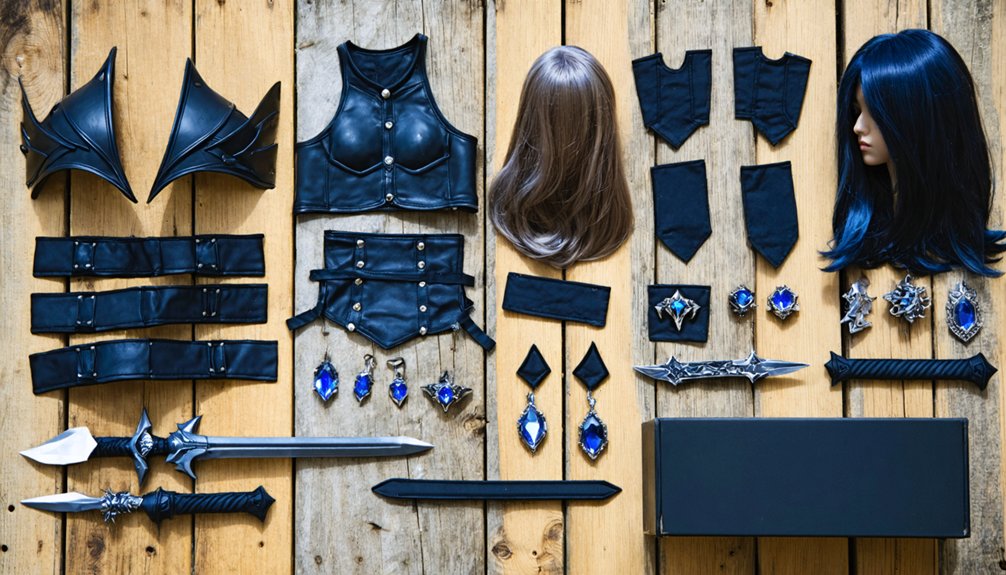
- Online platforms deliver doorstep convenience with price comparison tools, enabling you to evaluate multiple vendors simultaneously
- Subscription services create recurring access to rotating inventory, perfect for attendees crafting 1-2 costumes annually
- E-commerce integration connects you to international markets, expanding selection beyond local availability
With 70% of makers spending $100+ at conventions, rentals strategically reduce financial barriers while maintaining quality presentation standards for special occasion appearances.
Time-Saving Tools Worth the Initial Investment
While impulse purchases drain convention budgets, strategic tool investments compound time savings across every costume you’ll build. Heat guns ($20–$50) reshape thermoplastics in minutes rather than hours, while Dremel tools ($40–$100) slash prop fabrication time by 50%. Return on investment estimates show sewing machines amortize their $100–$250 cost across multiple projects, cutting garment assembly from 20+ hours to 5–10 hours.
Airbrush systems reduce painting phases by 40–60%, and wig-styling kits enable 70% reuse savings versus buying new wigs at $80 each. Cost benefit analysis proves these tools pay dividends: a heat gun used across 10 cosplays saves 100+ hours total. You’re not spending—you’re banking fabrication efficiency that transforms weekend crunches into streamlined workflows.
Common Budget Pitfalls and How to Avoid Them

Even disciplined cosplayers encounter three persistent budget traps that derail convention spending: impulse purchasing in vendor halls, underestimated material costs, and hidden event fees that compound faster than expected.
Smart budgeting strategies start with cash envelope allocation before you arrive. Separate funds by category—merchandise, food, emergencies—to maintain spending visibility. Most cosplayers spend $101–$200 per costume, yet armor-based builds frequently exceed $1,000 due to specialized components.
Cash envelope budgeting by category provides spending visibility, while armor builds typically surpass $1,000 compared to standard costume ranges.
Implement these protective measures:
- Pre-convention spending caps prevent vendor hall impulse purchases on limited-edition collectibles
- Material cost tracking accounts for the 70% probability you’ll spend $101–$600 per costume
- Fee anticipation budgets for photo-ops, autographs, and special events beyond admission
Keeping receipts organized reveals actual expenditure patterns, enabling data-driven adjustments for future conventions.
Frequently Asked Questions
How Much Do Cosplayers Typically Spend Annually on Their Hobby?
You’ll typically spend $480 on annual cosplay expenses, though your cosplay hobby costs vary widely. If you’re creating multiple costumes, budget $500-$2000 yearly. Smart material sourcing and innovative crafting techniques can dramatically reduce these expenses while maintaining quality.
What Is the Average Cost Range for a Single Cosplay Costume?
Your wallet’s sweet spot? The average costume cost range typically falls between $100-$200, though your typical cosplay budget can stretch from under $100 for basics to $400+ for premium pieces with licensed details and handcrafted elements.
How Heavy Is a Typical EVA Foam Armor Costume?
Your EVA foam armor typically weighs under 10 pounds for a complete set. Cosplay armor weight variations depend on costume material density factors—high-density foam at 85 kg/m³ stays remarkably light while maintaining structural integrity for all-day convention wear.
What Percentage of Convention Spending Goes Toward Costume-Related Purchases?
You’ll find specific convention spending data isn’t tracked separately, though costume budgeting patterns show 71% invest in costumes annually. Convention costuming trends mirror Halloween’s dynamics, where costumes claim roughly 33% of celebration budgets, guiding your resourceful planning.
How Much Do Custom Prop Makers Charge for Armor Sets?
Custom armor sets cost between $2,300-$3,100, with average prop making costs varying by complexity. You’ll face typical commission timeframes of 3 weeks to 2 months working time, plus you’ll need a 65% upfront deposit for production.