When you explore cultural influences in video game cosplay, you’re tracing a lineage from American sci-fi fandom through Japan’s strategic cultural export of anime and manga. Where you practice cosplay shapes what it means — U.S. communities navigate representation and racial identity, while China sources locally with fewer controversies. Cosplay isn’t a monolithic phenomenon; it’s a transculturational dialogue that builds genuine community across borders. Stick around, and you’ll uncover just how deep these cultural currents run.
Key Takeaways
- Video game cosplay originated in U.S. sci-fi fandom but culturally shifted through the 1990s rise of Japanese anime in Western markets.
- Cultural contexts shape distinct cosplay practices, with the U.S. focusing on representation, Japan on brand nationalism, and China on local craftsmanship.
- Iconic video game characters like Geralt of Rivia and League of Legends champions inspire costumes blending historical accuracy with personal creative expression.
- Cross-cultural cosplay raises appropriation concerns, requiring intentional research into a character’s ethnic and cultural background before costume construction.
- Cosplay conventions globally foster rapid community bonds, using creative costume expression as a cultural text transcending language barriers.
Where Did Video Game Cosplay Actually Come From?
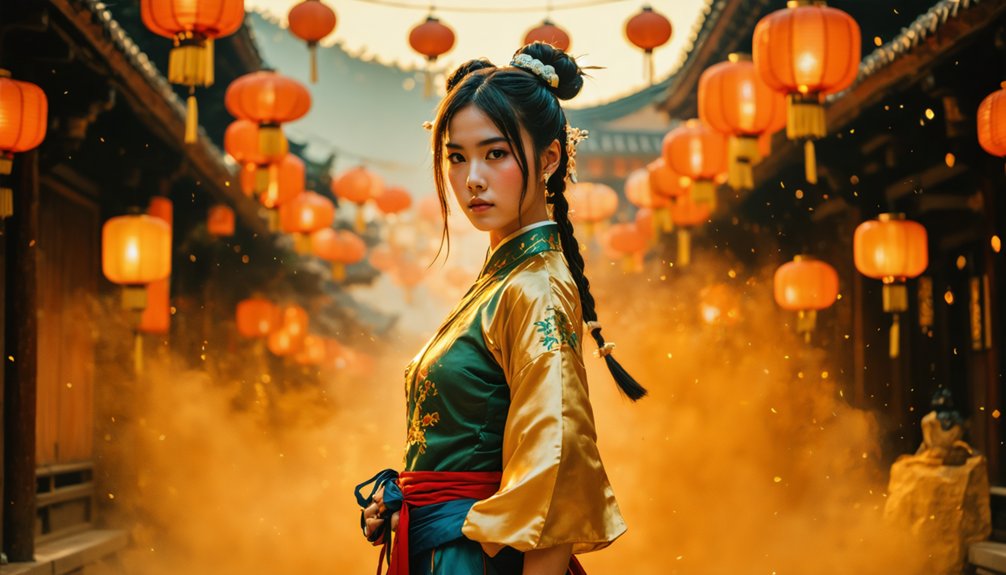
The cultural evolution accelerated through the 1990s as Japanese anime and manga penetrated Western markets, reshaping how Americans perceived the practice.
Ironically, though cosplay began in U.S. science fiction fandom, Americans now associate it primarily with Japanese culture — a deliberate relabeling that distances Western audiences from their own cultural contributions.
Understanding this transculturational shift gives you a sharper lens for analyzing cosplay’s contemporary landscape.
The Video Game Characters Most Cosplayed at Conventions
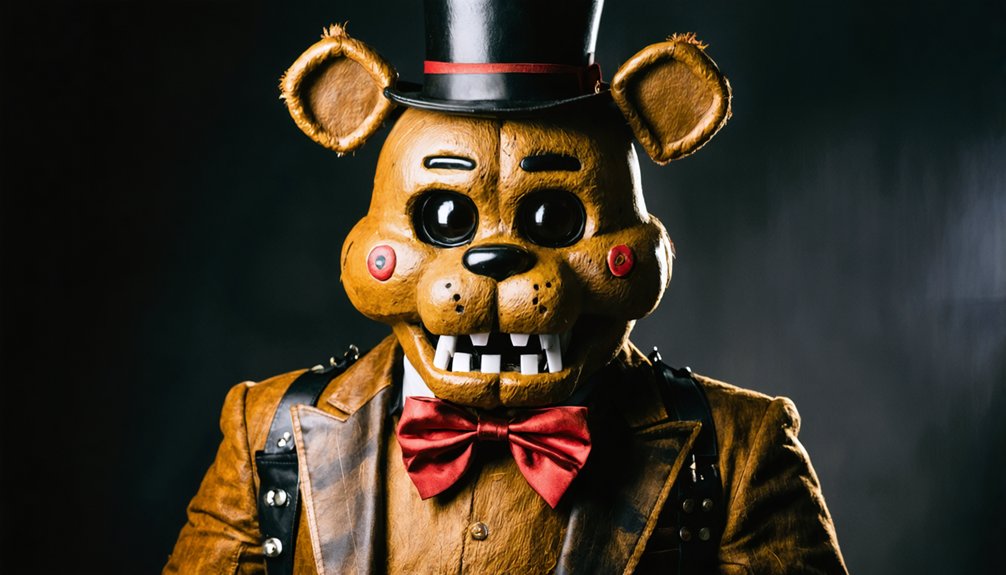
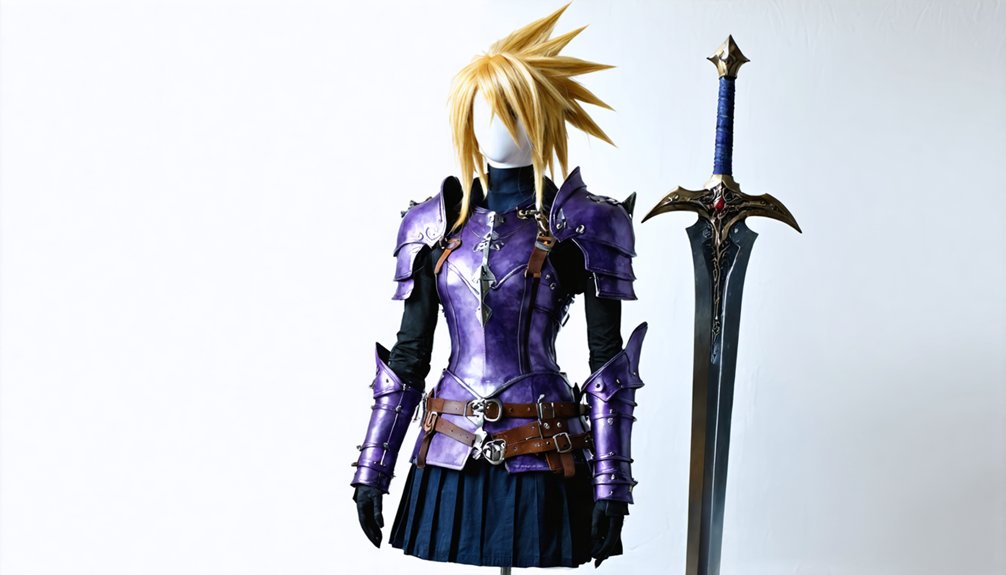
Dozens of video game characters dominate convention floors worldwide, but a few franchises consistently command the most creative energy. You’ll notice iconic characters like Commander Shepard from Mass Effect, Geralt of Rivia from The Witcher, and League of Legends’ expansive roster appearing repeatedly. Their costume trends reflect deeper cultural investment—fans don’t merely replicate; they interpret, personalize, and reimagine.
Character evolution drives this creative dynamism. As game narratives grow increasingly sophisticated, fan interpretations follow suit, producing costumes that blend historical accuracy with individual expression.
As narratives deepen, fan creativity follows—costumes become living interpretations where historical precision meets deeply personal expression.
Even arcade-era figures like Sonic the Hedgehog and Donkey Kong resurface through contemporary reimaginings.
You’re witnessing transmedial storytelling in action—cosplay transforms digital characters into embodied cultural artifacts, revealing how gaming narratives penetrate collective identity across diverse global communities.
How Video Game Cosplay Culture Differs Between the U.S., Japan, and China
Cosplay culture doesn’t operate uniformly across borders—the national contexts shaping it produce distinctly different practices, aesthetics, and social meanings.
In the U.S., character interpretation carries loaded questions around race and representation, making skin-darkening widely criticized.
Japan, cosplay’s adopted homeland, leverages brand nationalism, treating it as a cultural export that shapes global identity.
China operates differently—cosplayers frequently source costumes from local seamstresses rather than Western artists, and skin-darkening for character accuracy remains largely uncontroversial given the country’s distinct demographic context.
You’ll notice that cultural exchange doesn’t flatten these differences; it amplifies them.
Each nation’s historical relationship with race, media, and identity reshapes the same practice into something locally distinct.
Recognizing these contrasts helps you engage with cosplay more thoughtfully and innovatively across global communities.
When you dress as a character from a different cultural background, you enter a contested space where creative expression and cultural respect collide. Cultural sensitivity isn’t optional—it’s foundational. Research your character’s ethnicity, history, and symbolic significance before constructing your costume.
Practices diverge sharply across regions. In China, skin darkening for darker-complexioned characters is commonplace and largely uncontested. In the U.S., that same practice triggers legitimate criticism rooted in historical racial trauma. You can’t apply one cultural framework universally.
Respectful representation means distinguishing between honoring a character and reducing their culture to aesthetic novelty. Cosplay across racial lines remains possible, but it demands intentionality.
The community thrives when participants engage critically, treating characters as cultural artifacts deserving thoughtful, informed interpretation rather than surface-level imitation.
How Video Game Cosplay Builds Real Community Across Borders
Beyond the debates over representation and respectful practice, video game cosplay operates as a genuine social infrastructure—one that pulls strangers across national, linguistic, and cultural boundaries into shared physical and digital spaces.
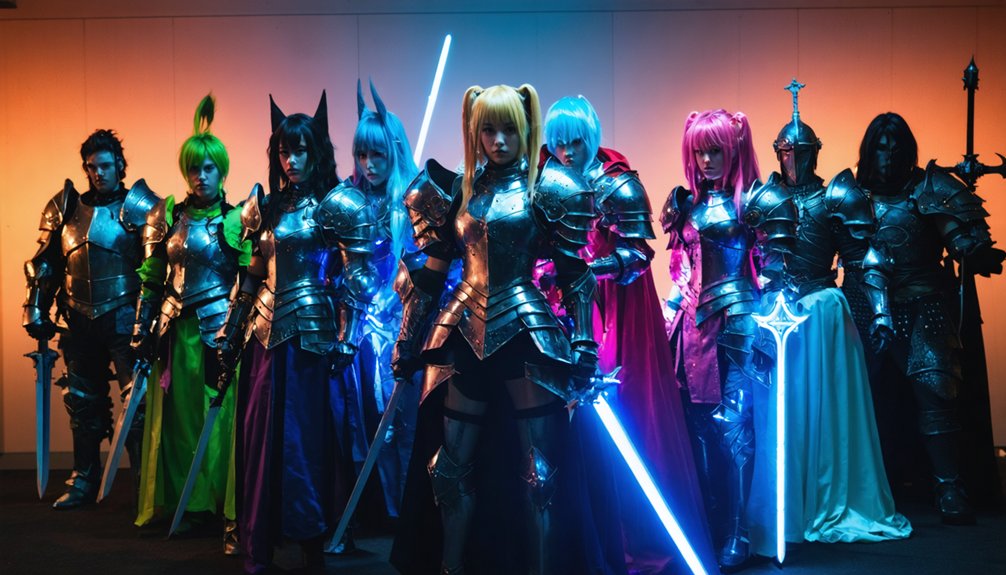
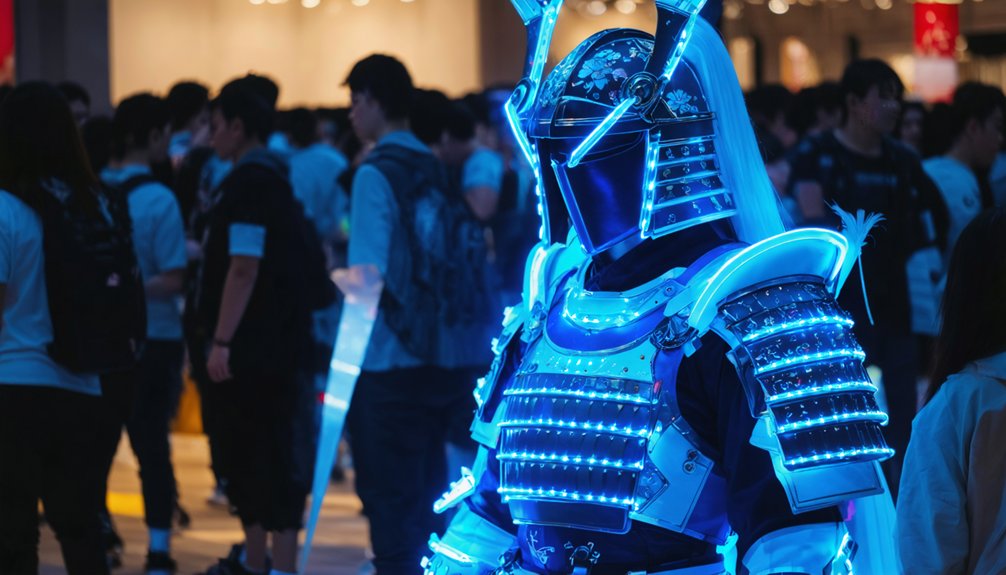
When you attend conventions drawing up to 100,000 participants, you’ll notice cosplay friendships forming rapidly around mutual character inspiration—Geralt, Shepard, or a League of Legends champion becoming an instant shared vocabulary.
These global connections aren’t accidental; they’re structurally embedded in cosplay’s transmedial nature, where game content migrates across media platforms and national contexts simultaneously.
Your creative expression becomes a readable cultural text that others interpret regardless of language barriers.
Chinese cosplayers sourcing from local seamstresses and American fans crafting elaborate builds both participate in the same community logic: identity negotiated through costume, character, and collective recognition.
Frequently Asked Questions
How Does Cosplay Function as a Form of Subcultural Capital?
Like a badge of honor, cosplay’s your gateway to subcultural capital—you’re actively building identity expression, deepening community bonding, sharpening skill development, and facilitating cultural exchange through game-inspired costumes that signal belonging and innovative cultural literacy.
What Role Does Cosplay Play in Subverting Gender Norms?
You’re actively subverting gender norms through cosplay’s gender expression and identity exploration, blending performance art with body positivity. It’s community building that challenges binaries, though mindful cultural appropriation awareness guarantees your innovation remains respectfully transformative across diverse gaming identities.
How Has Cosplay Impacted Emerging Economies Like Brazil and Taiwan?
You’ve witnessed cosplay fuel economic growth in Brazil and Taiwan through Brazilian creativity and Taiwanese craftsmanship, driving cultural exchange, community building, local events, global networking, and artistic expression across interdisciplinary boundaries that you’re actively reshaping.
What Is the Transmedial Nature of Video Game Cosplay?
When you cosplay, you’re engaging in transmedial character embodiment, transferring game content across media platforms. It bridges cultural narrative and fandom identity, transforming creative expression into lived performance that connects participants and spectators within evolving, interdisciplinary cultural ecosystems.
How Does Cosplay Empower Self-Representation in Gaming Narratives?
You’d think cosplay’s just dress-up, but it’s truly transformative. Through identity expression, you actively reclaim gaming narratives, challenging racial and gender norms. Narrative immersion lets you embody diverse characters, celebrating representation and rewriting whose stories authentically matter.
References
- https://wintrustsportscomplex.com/the-art-of-video-game-cosplays-bringing-arcade-culture-to-life/
- https://folklife.si.edu/magazine/cosplay-community
- https://dl.digra.org/index.php/dl/article/download/658/658/655
- https://blogs.uoregon.edu/postbubbleculture/2015/03/29/cosplay-culture-a-study-in-transculturation-gone-wrong/
- https://digitalcommons.lib.uconn.edu/gs_theses/315/
- https://www.geniuscrate.com/unveiling-the-enigmatic-influence-of-cosplay-in-gaming-communities
- https://nicollelamerichs.com/wp-content/uploads/2021/04/15_lamerichs_cosplayconventions.pdf