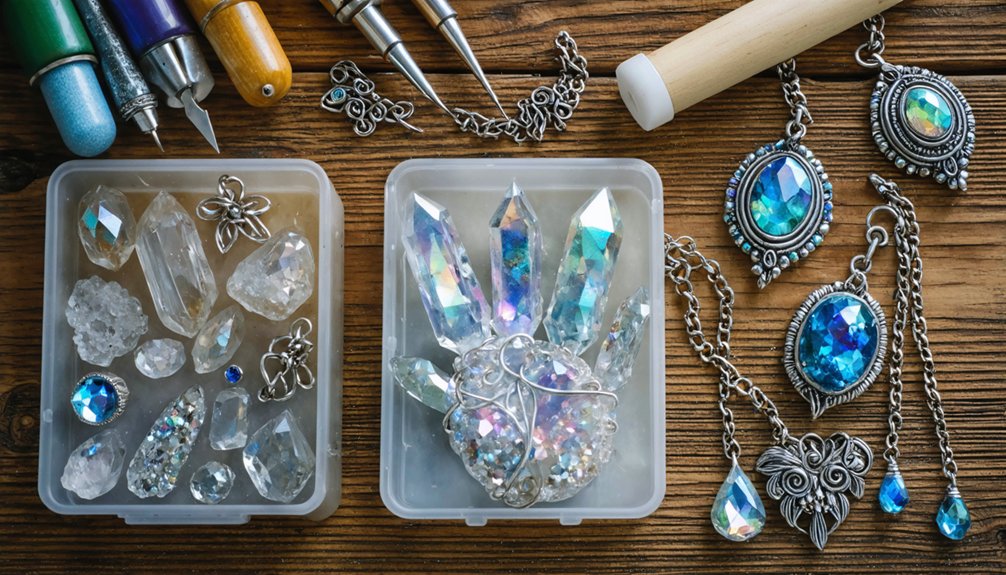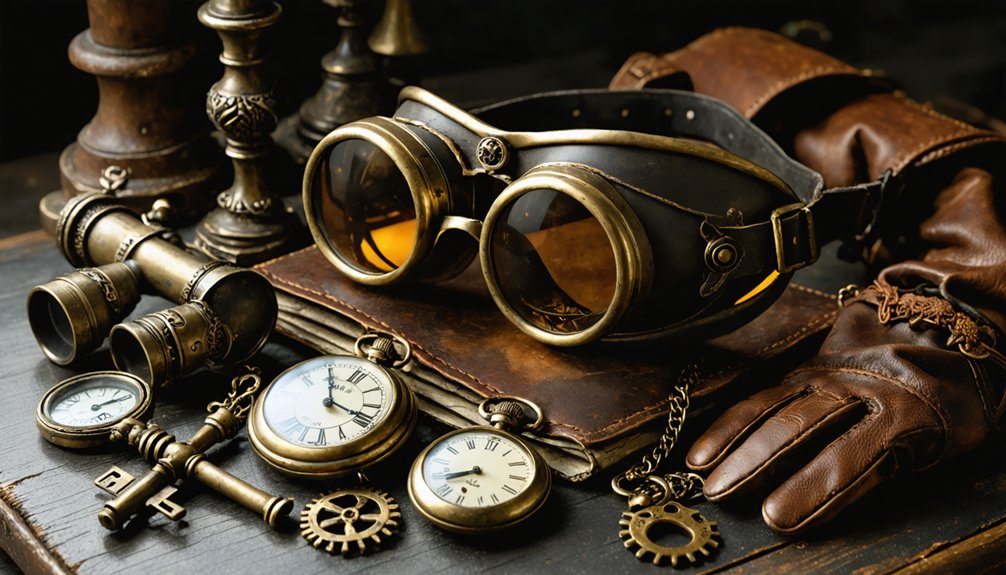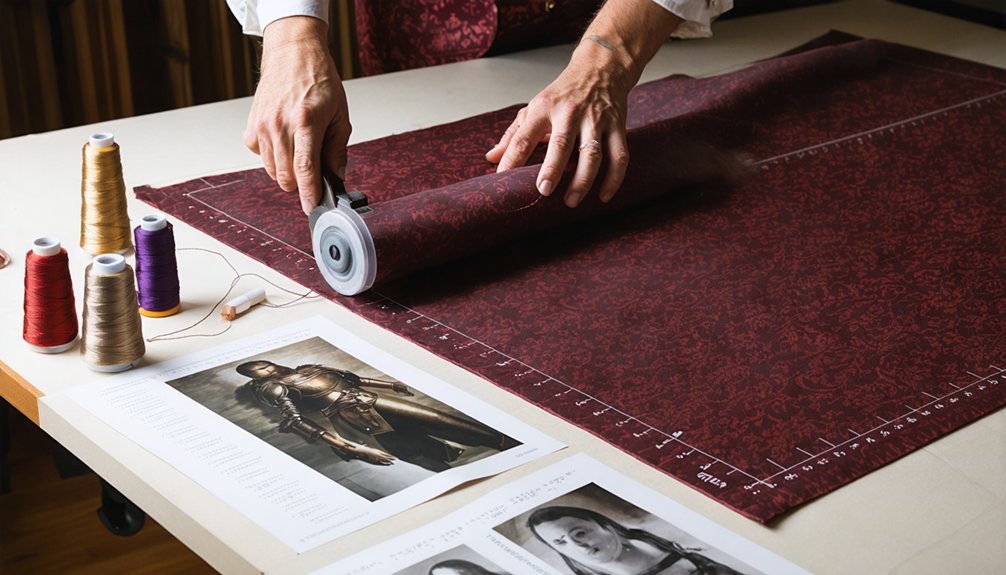
You can build a show-stopping fairy tale costume by anchoring your design around one iconic visual cue — like Cinderella’s pale blue structured ball gown or Red Riding Hood’s crimson hooded cape — then layering fabric, accessories, and props outward from that central element. Choose materials like tulle, satin, or velvet to reinforce your character’s mood, whether ethereal, regal, or menacing. From budget-friendly DIY builds to dramatic villain silhouettes, there’s a complete design approach waiting for every fairy tale vision you have.
Key Takeaways
- Classic princess costumes pair fitted bodices with full skirts in iconic character colors, using satin, tulle, or organza for authenticity.
- Fairy and enchanted forest creature costumes use soft sage, blush, or silver palettes with lightweight, ethereal materials for magical effect.
- Villain costumes feature dramatic silhouettes with dark palettes, structured capes, high collars, velvet textures, and bold metallic embellishments.
- Storybook characters like Red Riding Hood or Goldilocks rely on strong silhouettes and iconic props as primary design anchors.
- Budget-friendly DIY costumes use felt, ribbon, craft foam, and thrifted basics customized with fabric paint and no-sew hot glue techniques.
Classic Fairy Tale Princess Costumes Everyone Recognizes
Few costumes carry the instant visual recognition of a classic fairy tale princess, and that recognition comes down to deliberate design choices you can replicate with the right materials and silhouette.
You’ll want to anchor your build around iconic colors first — Belle’s blue and gold, Cinderella’s pale blue, Snow White’s red and yellow. These hues trigger immediate identification before a single accessory appears.
From there, construct a fitted bodice paired with a full, structured skirt using satin, tulle, or organza to achieve that storybook finish.
Layer in accessories — tiaras, gloves, or signature headbands — to complete the character’s visual language.
Magical transformations depend on these precise, layered choices working together cohesively. Skipping any core element weakens readability, so treat each design decision as structurally essential rather than decorative.
Fairy and Enchanted Forest Creature Costume Ideas
Ground your palette in soft sage, blush, or moonlit silver.
Every material choice should reinforce transformation, making the costume feel genuinely otherworldly rather than simply decorative.
Fairy Tale Villain Costumes That Balance Elegance and Drama
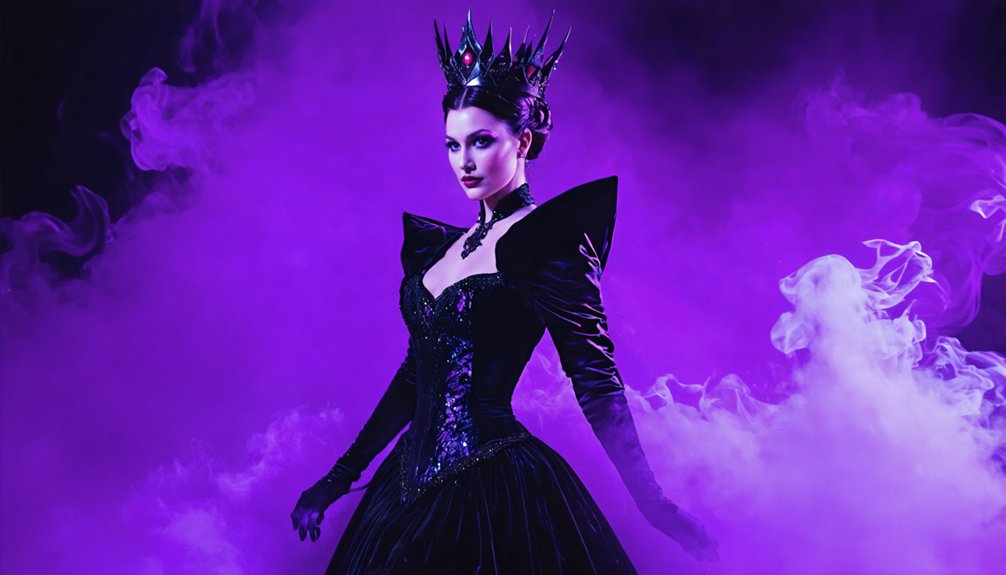
Where enchanted forest creatures lean into softness and light, fairy tale villains demand the opposite — sharp lines, consuming darkness, and a silhouette that commands every room it enters.
You’ll build dramatic silhouettes using structured capes, high collars, and angular sleeves that slice through space with intention. Lean into dark palettes — deep purples, midnight blacks, and blood reds — then elevate them through elegant details like lace trim, velvet texture, and metallic embellishments.
Bold contrasts between shadow and shine create that signature menacing elegance. Pull character inspirations from Maleficent, the Queen of Hearts, or the Wicked Witch, and complete each look with villain accessories — oversized headpieces, ornate staffs, or poisoned-apple props.
Theatrical makeup seals it, transforming a strong costume into an unforgettable visual statement.
Fairy Tale Storybook Costumes Beyond the Princess
Fairy tale costumes extend well beyond princesses, giving you rich character options like Red Riding Hood, Goldilocks, the Big Bad Wolf, and Jack from Jack and Jill — each built on strong, recognizable silhouettes that audiences immediately read.
You’ll find that a single well-chosen prop does the heaviest lifting in these designs: Red Riding Hood’s wicker basket, Goldilocks’ pail, or the Wolf’s exaggerated ears and snout lock in character identity faster than any elaborate garment construction.
Lean into these iconic accessories as your primary design anchors, then layer supporting costume elements — a red cape, a pinafore, a striped shirt — around them to build a complete, cohesive look.
Storybook Characters Worth Exploring
When you step beyond the princess archetype, a whole cast of storybook characters opens up with just as much visual impact and narrative weight. Red Riding Hood’s iconic crimson cape, Goldilocks’s pinafore and loose curls, and the Big Bad Wolf’s layered fur textures all offer rich territory for precise character interpretations.
Each design relies on strong silhouette recognition rather than elaborate construction. You’ll find that storybook adaptations reward restraint — a single prop, like a wicker basket or a pail, can anchor an entire look instantly.
Jack and Jill, Humpty Dumpty, and the Pied Piper also translate well into wearable costumes with minimal technical complexity. Prioritize iconic shapes, signature color blocking, and one or two defining props to achieve maximum narrative clarity across any event format.
Props That Define Characters
A single well-chosen prop can do more character-building work than an entire costume’s worth of fabric, and storybook designs prove that rule more clearly than almost any other category.
You’re working with iconic props and narrative symbols that audiences instantly decode—Red Riding Hood’s wicker basket, Goldilocks’ porridge bowl, Jack’s golden harp. These recognizable features communicate character before you’ve spoken a single word.
When you’re building costume details around thematic elements, treat magical items and character accessories as load-bearing components, not afterthoughts. A lantern transforms a generic woodland look into something specific. A red cloak plus a basket eliminates all ambiguity.
Study your chosen character’s visual cues carefully, isolate the one object most tied to their story, and engineer that prop with precision and material quality that matches your costume’s overall construction.
Budget-Friendly DIY Fairy Tale Costume Ideas
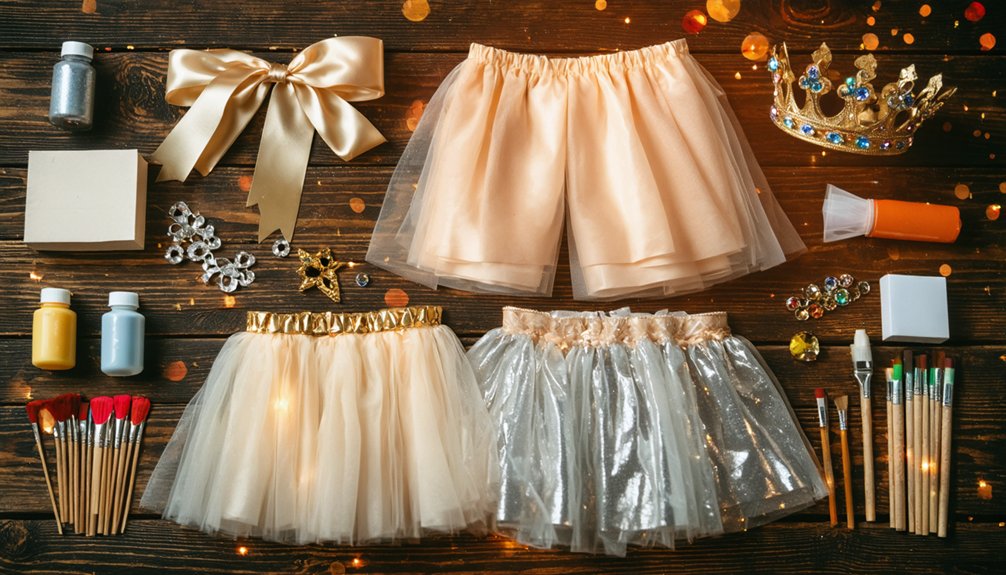
Creating a fairy tale costume doesn’t have to drain your wallet, since affordable materials like felt, ribbon, craft foam, and thrifted basics can produce surprisingly polished results.
Fairy tale costumes can look polished and creative without spending much, thanks to budget-friendly materials like felt and craft foam.
Visit a thrift store for base layers, then apply fabric paint to customize colors and patterns. No sew techniques using hot glue let you build structured pieces without a machine.
- Transform upcycled materials into wings, capes, or crowns with minimal effort.
- Use costume layering to add depth, texture, and character customization.
- Attach festive accessories like bows, glitter trim, and floral pins for instant polish.
- Build creative props from cardboard and craft foam to sharpen character readability.
These smart approaches deliver imaginative, high-impact results that reflect your creativity without exceeding a practical budget.
Fairy Tale Costume Styling for Halloween, Parties, and School Events
When planning your fairy tale costume across multiple events, you’ll want to anchor each look around a consistent theme — whether that’s enchanted forest, castle royal, or classic tale — so your character reads clearly at a Halloween outing, a birthday party, and a school event alike.
You can extend wearability by building your costume with adjustable closures, breathable layers, and removable accessories, letting you strip down a heavy velvet cape for an indoor classroom setting or add it back for an evening trick-or-treat run.
Prioritizing flat shoes, secure headpieces, and non-restrictive skirt construction keeps you mobile and comfortable through long events without sacrificing the visual integrity of your chosen character.
Matching Themes Across Events
Fairy tale costumes shift naturally across different event settings, but matching your theme to the occasion keeps the whole look intentional and polished. Aligning thematic color palettes and character accessory matching across events creates visual cohesion whether you’re trick-or-treating or attending a school parade.
- Use consistent signature colors across group costumes to reinforce shared narrative identity.
- Select accessories that scale appropriately — ornate tiaras for formal parties, simplified headbands for classroom events.
- Adapt fabric weight and layering to match outdoor Halloween conditions versus indoor performances.
- Coordinate props like wands, baskets, or capes to anchor your character across multiple settings.
This strategic approach lets you repurpose core costume pieces while rejuvenating accessories per event, maximizing both budget efficiency and design impact without sacrificing character readability.
Comfort and Mobility Tips
Matching your costume to the event sets the visual tone, but keeping it wearable across a full Halloween night or school parade is what actually determines how long the magic lasts.
Prioritize stretch-woven or cotton-blend base layers before adding decorative elements. Smart layering techniques let you control warmth without sacrificing silhouette—a thin thermal beneath a ball gown skirt adds insulation while remaining invisible.
Fabric choices directly impact mobility; tulle and organza move freely, while stiff taffeta restricts stride and stair-climbing.
Keep headpieces lightweight by using craft foam instead of cardboard. Secure wings with adjustable elastic rather than fixed straps. Pin hemlines above ankle length to prevent tripping.
Test full range of motion—arms raised, crouching, walking quickly—before committing to your final construction.
Frequently Asked Questions
How Do Fairy Tale Costumes Differ Across Various Cultural Storytelling Traditions?
You’ll find fairy tale costumes shift dramatically across cultures through cultural symbolism and traditional materials—Japanese folklore favors silk kimono layers, African traditions use vibrant kente patterns, while European designs emphasize structured silhouettes and ornate embroidery reflecting each heritage’s unique storytelling identity.
What Age Ranges Are Most Suited for Specific Fairy Tale Costume Styles?
Like Cinderella’s glass slipper fitting just one foot, costume complexity should match the wearer: toddlers thrive in simple fairy wings, while tweens’ child preferences lean toward detailed villain silhouettes you’d craft with layered velvet and dramatic accessories.
Can Fairy Tale Costumes Be Adapted for People With Sensory Sensitivities?
You can absolutely adapt fairy tale costumes using sensory friendly fabrics like soft cotton and fleece, while incorporating adaptive costume features such as tagless labels, elastic waistbands, magnetic closures, and seamless construction to guarantee comfort without sacrificing enchanting visual character.
How Should Fairy Tale Costumes Be Properly Stored After Use?
Store your fairy tale costumes carefully by folding delicate fabrics in acid-free tissue, hanging structured gowns on padded hangers, and keeping accessories boxed separately. Prioritize costume preservation and proper fabric care to maintain enchanting details beautifully.
Are There Licensed Versus Unlicensed Considerations When Buying Fairy Tale Costumes?
Like two paths through an enchanted forest, licensed costumes offer official character accuracy, while unlicensed costumes give you creative freedom. You’ll find licensed versions carry trademark protection, whereas unlicensed designs let you innovate boldly beyond rigid storytelling boundaries.
References
- https://www.youtube.com/watch?v=gGYCGURKlIM
- https://www.chasing-fireflies.com/collections/storybook-fairytale-costumes
- https://www.halloweencostumes.com/storybook-fairytale-costumes.html
- https://www.halloweencostumes.com/blog/p-442-fairytale-and-storybook-costumes.aspx
- https://www.pinterest.com/ideas/easy-fairytale-costume-diy/959234295454/
- https://www.pinterest.com/ideas/fairy-tail-inspired-outfits/920510766693/
- https://za.pinterest.com/stellarjules/fairy-tale-dress-up-ideas/
- https://www.pinterest.com/gcschool/fairy-tale-dress-up/
- https://www.morphsuits.com/kids-costumes/kids-costumes-themes/kids-fairy-tale-costumes/
- https://www.halloweenexpress.com/costumes/adult-costumes/fairytale-and-storybook-a1-560519+3467-1.fltr