Choosing between buying and making your cosplay depends on your budget, quality expectations, skill level, and available time. Store-bought options start around $80 and save significant time, while DIY builds typically stay under $100 in materials but demand real sewing experience. Beginners risk wasted materials and higher costs from mistakes. A hybrid approach often delivers the best balance of quality and affordability. Keep exploring to find the strategy that fits your specific build.
Key Takeaways
- Set a firm budget ceiling first; store-bought cosplays typically start at $80, while DIY materials often stay under $100.
- Assess your skill level honestly, since beginners risk wasting materials, making purchasing a smarter and more cost-effective choice.
- Consider your timeline carefully, as tight deadlines strongly favor buying pre-made pieces over time-consuming DIY construction.
- Evaluate quality priorities: purchased rigid props offer superior detail, while DIY soft garments allow for precise custom fitting.
- A hybrid approach—buying base pieces and customizing accents—balances cost, quality, and personal craftsmanship effectively.
What’s Your Budget for This Cosplay?
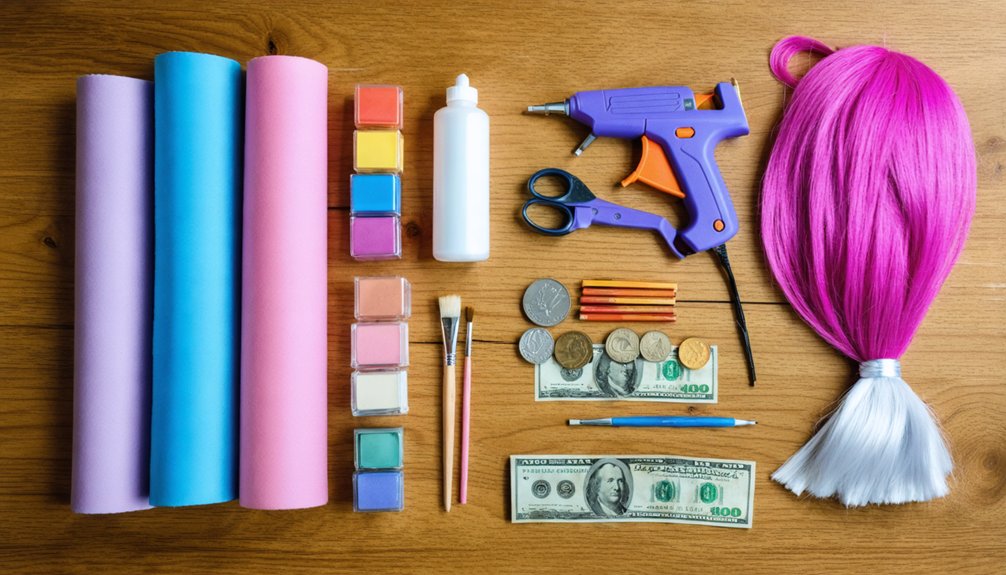
Your budget shapes every cosplay decision you’ll make, so nail this down before committing to either route. Store-bought cosplays typically start around $80, while most cosplayers spend between $101-$600 per build.
Making your own usually stays under $100 since you’re only covering materials. Smart cost saving tips include reusing versatile basics like leotards or tights across multiple builds.
DIY cosplay often stays under $100 — you’re paying for materials only, not labor or retailer markups.
Buying eliminates labor and shipping markups from premium retailers, but watch for overpriced replicas delivering poor results. DIY fabric selection directly controls your spending — experienced makers minimize waste through precise cutting, while beginners often overspend correcting errors.
Advanced builds can exceed $1,000, but creative material swaps keep simple costumes under $50. Establish your ceiling number first, then determine which route realistically fits within it.
Does Bought or Handmade Cosplay Give You Better Quality?
Quality depends on the category of item you’re comparing, not simply whether it’s bought or made. Fabric quality and detail differences vary drastically depending on the item type.
Consider these category-specific realities:
- Rigid props/helmets: Purchased versions deliver superior detail, cleaner finishes, and integrated LEDs that DIY foam rarely matches.
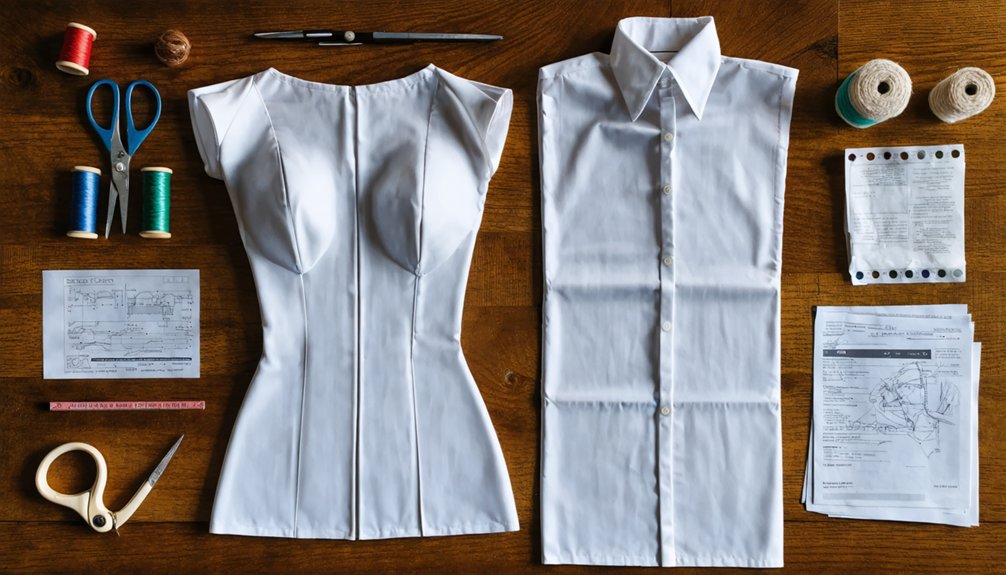
- Soft garments: Handmade wins through custom tailoring, precise fit, and personalized fabric quality choices.
- Mass-produced knock-offs: Consistently poor construction—avoid regardless of price.
- DIY foam work: Low-density foam breaks easily, compromising long-term durability.
You’ll get the strongest overall result using a hybrid approach—buy technically complex components requiring specialized manufacturing, make garments requiring body-specific fit.
Evaluate each costume piece independently rather than applying one blanket quality judgment to your entire build.
What Skill Level Do You Need to Make a Cosplay?
Skill level determines whether making saves or costs you more money. As a beginner, you’ll face higher material costs from cutting errors, wasted fabric, and failed attempts.
Beginner challenges like working with stretch fabrics or complex close-fitting patterns often push total expenses beyond store prices. If sewing doesn’t genuinely interest you, buying remains the smarter investment.
However, if you’re building toward advanced techniques, a hybrid approach accelerates your growth. Start by purchasing durable basics like gloves or boots, then handcraft signature costume elements.
Experienced makers reduce waste through precise pattern use, controlling both quality and cost efficiently. As your skills sharpen, you’ll execute intricate embellishments and custom tailoring that no store-bought option replicates, ultimately justifying the time and material investment with superior, personalized results.
Does Your Schedule Allow Time to Make Your Cosplay?
Beyond skill level, your available time directly shapes whether making a cosplay is realistic. Cosplay planning without honest time management leads to rushed, poor-quality results.
Consider these time demands before committing to DIY:
- Sewing and patterning require multiple dedicated sessions.
- Fitting adjustments and corrections extend your timeline unexpectedly.
- Mistakes force you to redo work, compounding total hours.
- Sourcing specialty materials adds additional scheduling pressure.
If your schedule is tight, buying pre-made pieces saves significant hours. A hybrid approach works well for busy cosplayers — purchase durable basics like gloves or boots, then craft only the unique signature elements.
This balances creative investment with practical time constraints. Prioritize your deadline honestly; underestimating construction time consistently produces unfinished or compromised costumes you won’t be proud wearing.
The Hybrid Approach That Saves Time and Money

When budget and schedule both feel limiting, the hybrid approach gives you a practical middle ground that neither full buying nor full making can match.
Purchase durable, versatile base pieces — leotards, tights, gloves — then apply customization techniques like hand-painting, heat-transfer vinyl, or foam detailing to transform them into character-accurate components.
This strategy cuts your fabric sourcing demands considerably, since you’re only selecting materials for accent pieces rather than full garments.
You’ll spend fewer hours constructing while still producing a costume that reflects personal craftsmanship.
Reserve your making time for the elements that define the character’s visual identity, and buy everything else.
This targeted effort keeps total costs under control without forcing you to compromise either quality or creative ownership of the final look.
Frequently Asked Questions
Can You Resell a Bought Cosplay Costume After Wearing It?
Since 70% of cosplayers spend $101-$600 per costume, you can absolutely resell a bought cosplay. Prioritize costume care to maintain resale value, and explore resale platforms—they’re your best bet for affordable, innovative transactions.
Is It Acceptable to Claim a Purchased Cosplay as Handmade?
Don’t claim purchased costumes as handmade; it violates cosplay community ethics and handmade authenticity standards. You’ll damage your reputation and disrespect skilled creators. Always transparently credit your costume’s true origin within the community.
Which Cosplay Items Are Best Suited for Reuse Across Multiple Costumes?
You’ll maximize value by reusing leotards, tights, and gloves across builds. Their fabric versatility supports costume layering seamlessly. Prioritize neutral-colored basics, durable footwear, and structured undergarments—these foundational pieces adapt innovatively to diverse character designs efficiently.
How Do Commissioners Differ From Standard Cosplay Stores in Offerings?
Commissioners offer you custom designs tailored to your exact measurements, unlike stores’ fixed sizes. Their commissioner advantages include personalized details and unique modifications, though you’ll pay more than standard store prices for that specialized craftsmanship.
What Creative Material Swaps Help Achieve Low-Cost Cosplay Under $50?
You don’t need a big budget—fabric alternatives like felt or repurposed sheets slash costs dramatically. Raid thrift store finds for leotards and tights, then creatively modify them to craft stunning cosplays well under $50.
References
- https://www.cosplaytutorial.com/guides/buyingvsmaking.php
- https://cosplay.com/archive/thread/j2w2ko/is-it-cheaper-to-make-or-buy?page=1
- https://thefoamory.com/blogs/news/how-much-does-cosplay-cost-and-how-to-make-it-low-cost
- https://www.youtube.com/watch?v=R4nqyZVAo9c
- https://www.youtube.com/watch?v=-EtpNg63N7g