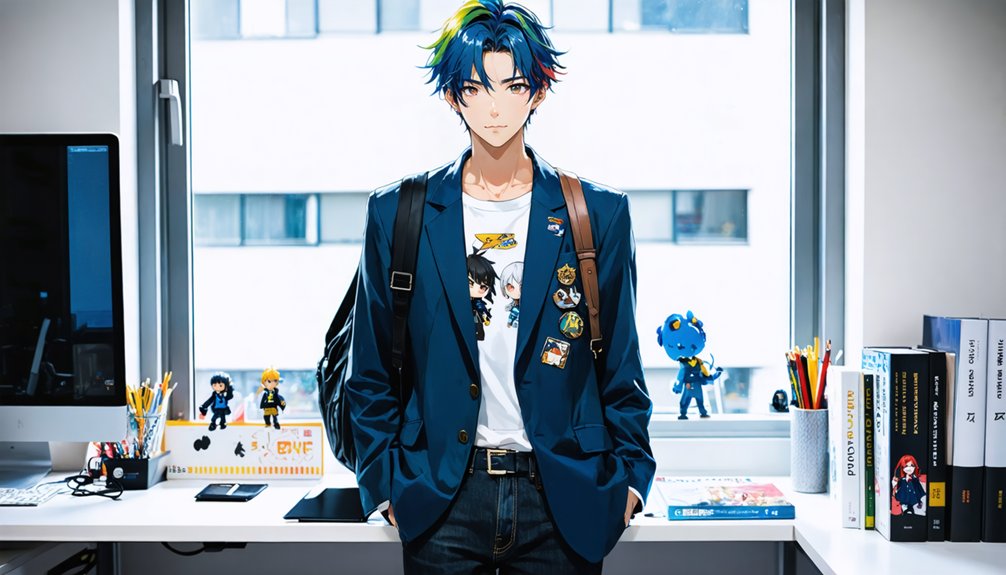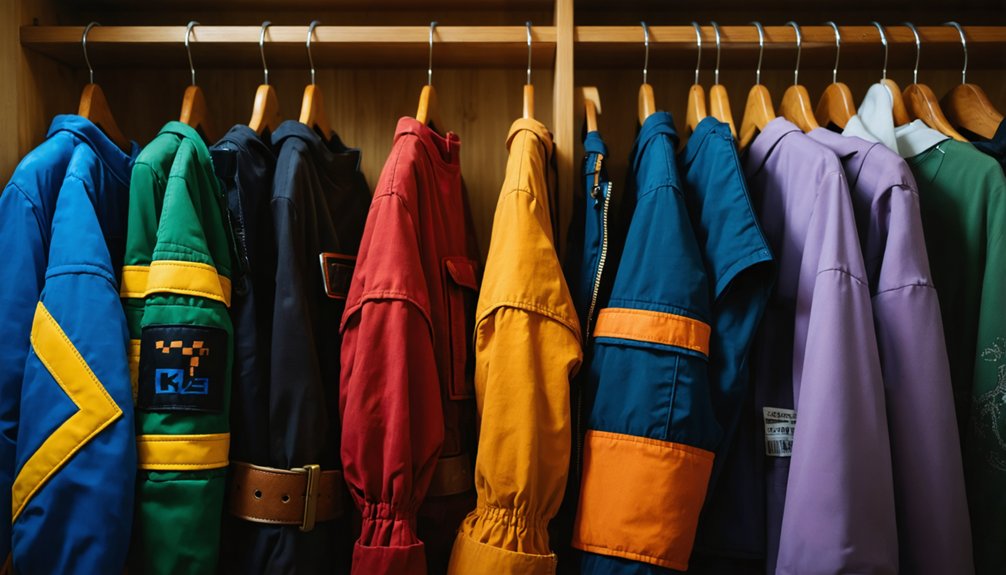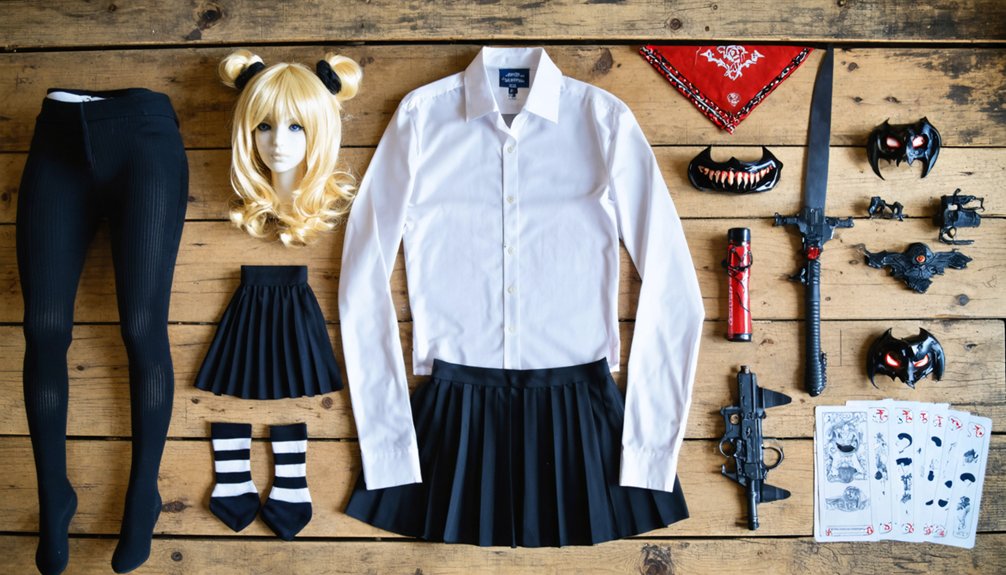
Start by analyzing your character’s core visual elements—color palette, silhouette, and signature accessories. Pull garments from your wardrobe that match these fabric textures and hues, then layer strategically to recreate the character’s proportions. You’ll transform basic pieces through simple alterations like hemming, belt placement, and creative accessorizing. Focus on characters with minimal specialized components, prioritizing fabric combinations over complex construction techniques. Master these foundational wardrobe-mining strategies, and you’ll discover how texture manipulation and strategic layering reveal endless character possibilities.
Key Takeaways
- Choose characters whose core colors and silhouettes match items already in your wardrobe to minimize new purchases.
- Deconstruct the character’s look into essential visual elements: signature colors, distinctive accessories, and defining garment shapes.
- Layer existing clothing strategically to recreate the character’s proportions and overall silhouette without specialized construction.
- Transform basic garments using simple alterations like hemming, adding belts, or repositioning buttons for character-accurate details.
- Prioritize beginner-friendly characters with minimal armor and basic fabric combinations to match your current skill level.
Selecting the Right Character for Your Skill Level
How do you determine which character’s costume construction matches your current fabrication abilities? Begin your character selection process by cataloging available tools—sewing machines, heat guns, foam cutters—then cross-reference costume components against this inventory. Evaluating costume feasibility requires deconstructing garments into technical elements: structured tailoring, fabric manipulation, armor fabrication, or intricate embellishments.
For closet cosplay innovation, prioritize characters whose silhouettes exist within your wardrobe’s foundation. Assess whether you’ll hand-stitch seams or require machine precision for structured pieces. Characters allowing simplified variants—minimal armor plating, basic textile combinations—accelerate completion while building fundamental skills.
Match complexity to experience deliberately. Avoid costumes demanding specialized techniques like thermoplastic molding or pattern drafting without prerequisite knowledge. Instead, select designs emphasizing fabric layering, strategic accessorizing, and creative repurposing of existing garments. Your comfort executing specific techniques supersedes aesthetic ambition.
Breaking Down the Character’s Signature Look
Start by cataloging your character’s core visual elements—fabric textures, color blocking, and silhouette proportions that create instant recognition. You’ll need multiple reference images from different angles to map how garments drape, where seams fall, and how accessories interact with the base costume.
Focus on the elements observers notice first: distinctive collar shapes, signature color combinations, or character-defining accessories that anchor the entire look.
Identify Core Visual Elements
Character recognition hinges on distilling visual information into five distinct categories: color palette, silhouette and shape, fabrics and textures, accessories and props, and personality indicators. Your success depends on isolating which elements carry the heaviest visual weight.
Priority assessment framework:
- Custom color palettes that instantly communicate character personality traits through hue psychology and tonal relationships
- Silhouette mapping where gathered fabric, pleating, and form create recognition through shape alone, independent of surface details
- Signature accessories that function as narrative anchors—pointed ears, specific props, status-defining elements like crystalline motifs
Analyze transparency requirements, fabric creasing patterns, and textural specifications that translate sketches into wearable designs. Multi-layered color elements combined with material choices establish visual literacy, enabling audiences to decode your character’s essence through deliberate aesthetic construction rather than extensive replication.
Study Character Reference Images
Once you’ve identified the core visual elements that define your character, reference gathering becomes a strategic exercise in building a detailed visual database. Pinterest delivers superior reference image quality through multiple angles, close-ups, and behind-the-scenes shots that Google’s poster-heavy results can’t match.
Prioritize frontal, straight-standing poses from concept art for proportion analysis, supplementing with 360-degree coverage including rear views and detail shots.
For reference image organization, PureRef consolidates your visual database into single working documents, while printed copies guarantee contest-ready access without connectivity issues. Audio-described source media provides accurate appearance details often missed visually.
Avoid color-altered or edited images that deviate from canonical accuracy. Strategic reference collection from diverse sources—official art, film stills, fan edits—enables precise approximations when creating fabric-based interpretations from existing wardrobe pieces.
Mining Your Wardrobe for Hidden Cosplay Gold
Your closet already contains essential building blocks—black trousers, white button-downs, denim jackets, and neutral cardigans form the foundation of countless character wardrobes. Begin by pulling every item that matches your character’s primary color palette, then assess fabric textures: smooth cotton for clean anime aesthetics, structured twill for military characters, or flowing knits for magical personas.
Stack coordinating pieces by garment type, layering darker foundations beneath lighter accent pieces to replicate the visual depth and silhouette accuracy your character demands.
Start With Basic Pieces
Before raiding thrift stores or ordering custom pieces online, examine what’s already hanging in your closet—you’ll likely discover multiple cosplay-ready garments hiding in plain sight.
Foundation Garment Categories:
- Single-Color Basics – Pull solid tees, jeans, and athletic wear for material selection. Blue shirts transform into Ash Ketchum’s base; white button-ups become schoolgirl uniforms or Team Rocket grunt foundations.
- Existing Dresses and Skirts – Identify flowy pink fabrics or pleated pieces requiring minimal modification. Color coordination simplifies character recognition when you match dominant palette elements.
- Structured Separates – Locate blazers, vests, and black jeans serving multiple character builds. Denim jackets provide instant texture variation.
Map each garment’s potential across multiple characters. That white shirt functions as Ino Yamanaka’s top with strategic button placement, or pairs with black jeans for streamlined anime looks.
Match Colors and Textures
Color theory transforms random clothing piles into strategic cosplay arsenals. Study your character’s palette, then mine your closet for matching shades. Monochromatic schemes work brilliantly—use 2-3 shades of the same color with varying saturation for instant recognition. Shaggy’s earth tones? Green shirt, brown pants. Wednesday’s gothic aesthetic? Full black with white collar accents.
Contrasting color palettes deliver maximum visual impact. Apply the 70-30 rule: dominant color claims most fabric real estate, complementary accent hits 30%. Kim Possible’s black-and-green splits perfectly with this formula.
Texture matters equally. Match fabric weights and finishes to character costumes. Combat boots add tactical edge. Soft knits create approachable vibes. Print-matching technique lets patterned items dictate your entire outfit’s color story, streamlining selection while maintaining character accuracy.
Layer for Character Accuracy
Strategic layering reveals character accuracy hiding in plain sight within your existing wardrobe. You’ll achieve proportional silhouettes by stacking fabrics purposefully—capes cascade over tunics, vests compress flowing shirts, and scarves transform into character-driven styling elements. Test combinations directly on your body to verify dimensional balance before committing to event assembly.
Essential Character-Driven Styling Techniques:
- Silhouette Stacking: Layer 3-5 garments maximum, building from fitted base layers outward to voluminous outer pieces for recognizable shapes
- Fabric Substitution: Replace unavailable pieces with wardrobe alternatives—long cardigans mimic coats, athletic wear replicates armor compression
- Dimensional Enhancement: Integrate 3D-printed components over existing layers for precise prop attachment points
Secure layers using household clips and safety pins for seamless interchange. Document successful combinations photographically for rapid future deployment across multiple characters.
Simple Alterations That Transform Regular Clothes
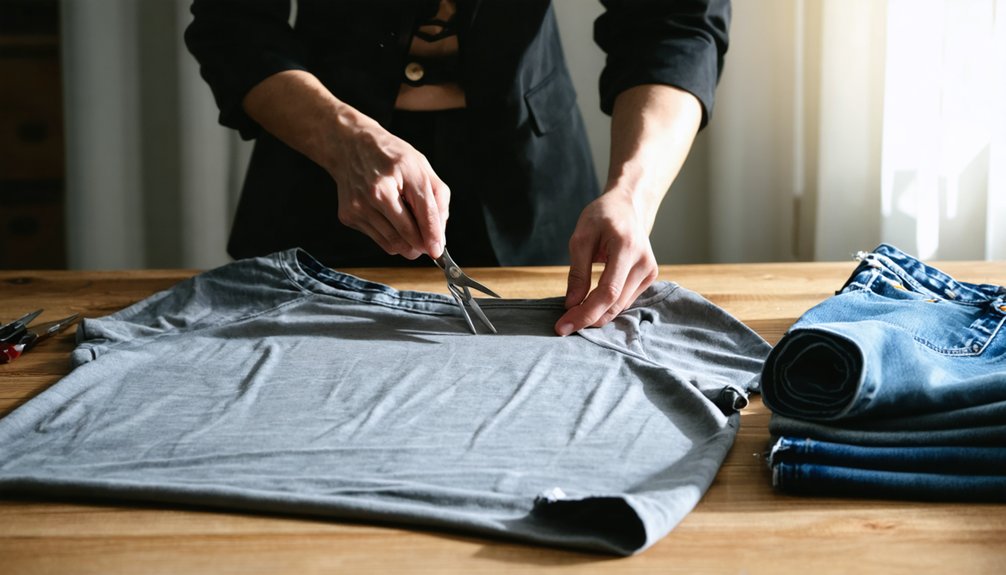
When you’re working with thrift store finds or existing wardrobe pieces, following the garment’s original seam lines transforms basic alterations into professional-looking costume modifications. Pin along these established paths to reduce sizing while preserving the intended silhouette—no complex pattern adjustments needed.
Work smarter by tracing original seams—your garment already knows its best shape, so follow its lead for effortless professional results.
After cutting excess material, leave one-centimeter seam allowances to prevent fraying. Fold and secure fabric with CosBond Attach & Build for quick hem finishing without traditional sewing.
For curved body contouring, draw triangular darts in targeted areas like the bust region. Sewing these dart sides together creates dimensional shaping that moves fabric beyond flat construction.
Shoulder adjustments require seam ripping collars, then proportionally shortening these supplemental costume items during reconstruction. Strategic fabric selection techniques throughout these modifications guarantee your transformation maintains structural integrity while achieving character-specific silhouettes.
Crafting Accessories on a Budget
Foam sheets transform into professional-looking armor pieces through strategic layering and heat manipulation. You’ll achieve curved shoulder guards by applying controlled heat, making EVA foam pliable before bonding sections with hot glue. Seal surfaces with Mod Podge to guarantee paint adhesion that rivals 3D printed accessories.
Transform upcycled household items into character-defining props:
- Cardboard weaponry: Stack multiple sheets for dimensional swords, tracing patterns from free online templates before cutting with X-ACTO knives for precision edges.
- Plastic bottle conversions: Sand cut bottles smooth, then wrap handles in leather strips for authentic grips on potions or sci-fi gadgets.
- Paper mache foundations: Layer newspaper over balloon forms using flour paste, creating lightweight staffs and shields ready for metallic detailing.
Prime all foam surfaces before final painting to maximize durability and professional finish quality.
Working With Alternative Materials and Thrift Finds
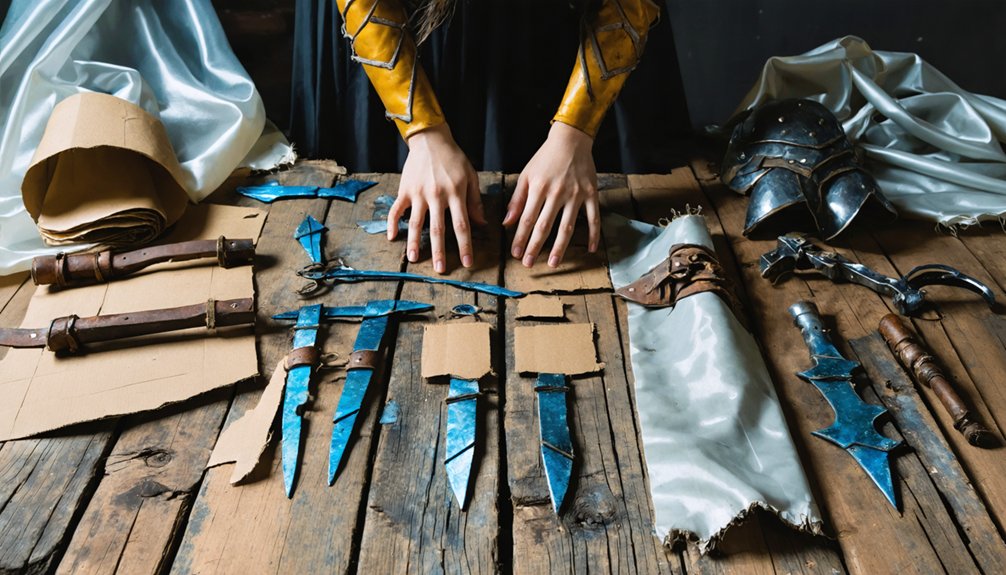
Your local thrift store holds costume goldmines disguised as outdated curtains, oversized blazers, and grandma’s forgotten blankets. When sourcing budget friendly materials, examine large robes for metallic lycra—it’ll stretch over foam armor while preserving texture. Fake fur from old coats transforms into Chewbacca pelts or Viking trim.
Beyond fabric, experimenting with unconventional supplies taps into creative possibilities. Cardboard tubes become wand cores or structural supports (avoid water-damaged pieces). PVC pipes create lightweight weapon frameworks. Pool noodles slice into bracers or pauldrons. Old electronics gut into convincing sci-fi props—their internal components add authentic mechanical detail.
Cotton-polyester blend remnants cost pennies per yard at discount fabric stores. Pair them with foam floor mats from hardware stores, and you’ve assembled a costume foundation for under twenty dollars. Innovation thrives on resourcefulness, not retail prices.
Styling Hair and Makeup to Match Your Character
Character transformation hinges on zeroing in on two critical elements: hair architecture and facial contours. Proper wig care begins with strategic sectioning—divide synthetic fibers into manageable segments using alligator clips, then establish volume through careful teasing of inner layers while maintaining smooth outer surfaces. Practical makeup application requires reference-point mapping from character imagery to your facial structure.
Master character accuracy by mapping hair structure and face geometry—section synthetic fibers strategically while aligning makeup to reference points.
Essential Styling Protocols:
- Fiber Manipulation: Wet-set synthetic strands using foam rods or French braids, allowing air-drying to prevent heat damage while achieving dimensional texture.
- Volume Engineering: Build height through backcombing root sections, then seal with freeze spray and strategic hairdryer application.
- Finishing Architecture: Steam-smooth flyaways, secure ponytails with low-temperature adhesive, and integrate character-specific accessories—ribbons, clips, or dimensional elements that complete the visual narrative.
Layering Techniques for Maximum Impact
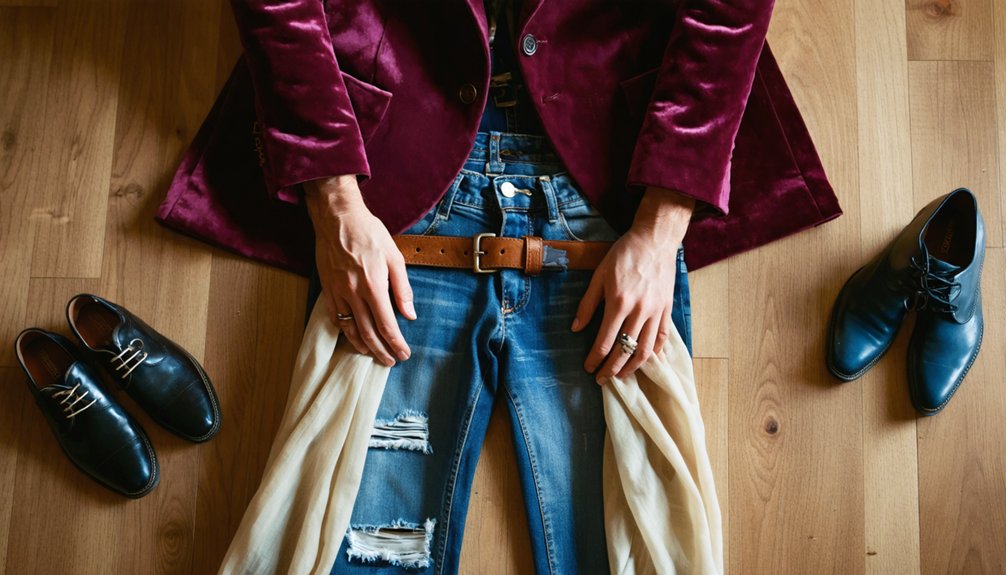
When constructing a costume that reads clearly from across a convention floor, strategic layering transforms flat fabric into dimensional character armor. Begin with a morphsuit base—polyamide-elastane blend eliminates visible lines while providing clean attachment points. Tuck seams under subsequent layers for invisible changes.
Build armor using progressive foam stacking: trace your centerline, mark foam thickness offsets, then cut templates from inner core outward. Polyester fiber padding adds subtle volume between hard armor plates and fabric. Convert 2D patterns to 3D depth by layering recessed areas before raised details.
For modular attachment systems, incorporate hidden zippers and snap placements during fabric construction. Layer signature accessories strategically—each piece should enhance silhouette without competing for visual dominance. This systematic approach creates professional dimension using closet-sourced materials.
Prioritizing Comfort While Capturing Character Essence
Professional dimension means nothing if you can’t wear your costume past the first hour. Transform closet pieces into sustainable character wear through deliberate material choices and structural planning.
Costume authenticity fails when comfort doesn’t last—strategic fabric choices and hidden structural supports turn ordinary clothes into all-day character wear.
Strategic Comfort Integration:
- Breathable fabric selections form your foundation—cotton blends and moisture-wicking synthetics maintain character silhouette while preventing heat buildup that compromises makeup adhesion and physical endurance.
- Strategic padding placements at friction zones (waistbands, collar edges, prop contact points) use foam weather stripping or felt liners to distribute pressure without adding visible bulk.
- Weight distribution architecture employs hidden elastic supports and soft belt systems that transfer load from shoulders to hips, mimicking professional costume construction.
Balance authenticity with wearability by prioritizing relaxed-fit garments matching your character’s aesthetic. Adjustable closures and ventilation gaps preserve essence while enabling sustained engagement throughout extended convention hours.
Frequently Asked Questions
How Do I Photograph My Closet Cosplay to Look Professional?
Use professional lighting techniques like window light with reflectors to enhance fabric textures. Shoot with your phone’s back camera, experiment with angles that highlight costume details, then refine shots using editing software recommendations like Lightroom for cinematic polish.
Can Closet Cosplay Work for Group or Couples Cosplays?
Yes, you’ll coordinate shared character inspiration across participants by distributing collaborative costume elements—black basics, themed accessories, color-matched fabrics—enabling seamless group assembly. This approach transforms individual wardrobes into cohesive team presentations while maintaining creative flexibility and minimizing individual investment.
What Characters Work Best for Plus-Size Closet Cosplay?
Choose characters with canonical curves versus rigid proportions—Steven Universe’s Garnet, video game heroes like Genshin’s Mona, or generic Jedi concepts offer oversized character options. You’ll find budget-friendly fabrics transform everyday pieces into authentic costumes through strategic draping and textile selection.
How Do I Store Closet Cosplay Pieces for Future Conventions?
Clean each garment thoroughly, then store closet cosplay pieces in breathable archival boxes or clear stackable bins labeled by character. You’ll preserve closet cosplay items best at 40–55% humidity, away from UV light and heat fluctuations.
Should I Tell People It’s Closet Cosplay or Keep It Secret?
Be upfront about it—you’ll build hype around resourceful fabric choices and creative pattern-matching. Your innovative assembly techniques deserve recognition. Transparency showcases your technical precision in sourcing garments, transforming everyday textiles into character-accurate silhouettes that inspire others’ closet expeditions.