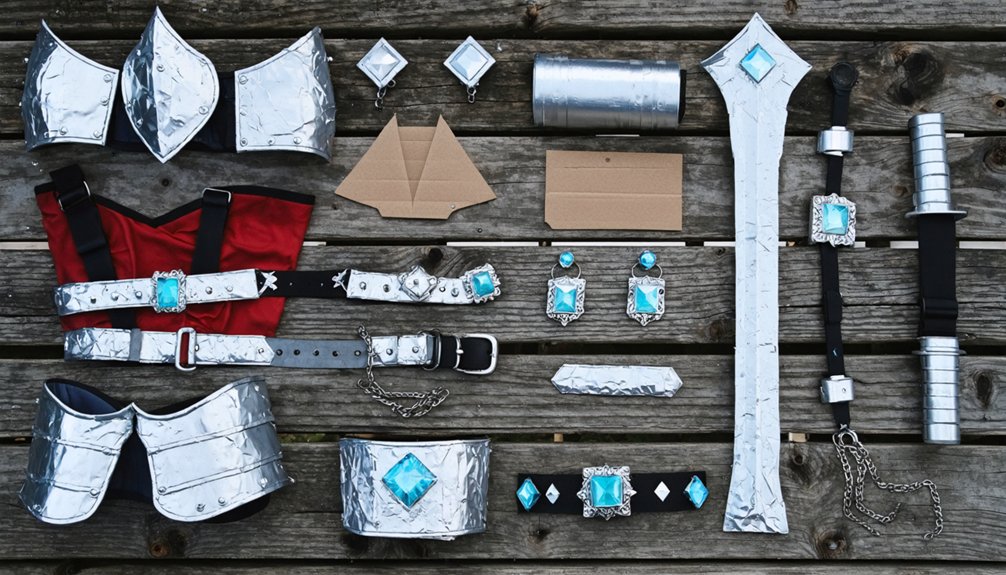
You can make your cosplay journey greener by upcycling everyday items like cardboard, plastic bottles, and secondhand clothing into stunning costume components. Choose eco-friendly fabrics such as organic cotton, hemp, or recycled polyester, and swap toxic adhesives for biodegradable alternatives. At conventions, participate in cosplay swap meets and support exhibitors who share your environmental values. Your crafting choices carry real ecological weight, and there’s much more you can do to reduce your footprint.
Key Takeaways
- Upcycle materials like cardboard, plastic bottles, and old clothing to create unique, budget-friendly costumes while reducing environmental waste.
- Choose natural, biodegradable fabrics such as organic cotton, hemp, or bamboo for breathable, eco-friendly costume construction.
- Participate in convention swap meets to exchange costume components, extending the lifecycle of existing pieces and minimizing waste.
- Use non-toxic paints and biodegradable adhesives during crafting to ensure personal safety and reduce ecological damage.
- Encourage fellow cosplayers to adopt sustainable practices by sharing knowledge and supporting environmentally conscious vendors at conventions.
Upcycle Everyday Items Into Sustainable Cosplay Pieces
When it comes to sustainable cosplay, upcycling everyday items is one of the most effective ways to cut costs and reduce waste. You can transform cardboard, plastic bottles, and old electronics into impressive costume components using creative redesign techniques.
Don’t overlook discarded household items — they’re often perfect raw materials waiting for a second purpose.
Raid your closet or attic before buying anything new. Old costumes can be disassembled and recombined into fresh designs, stretching your creative budget further.
Unused fabrics and accessories become high-quality pieces with the right vision and execution.
Upcycled materials aren’t just eco-friendly — they add originality and texture that mass-produced costumes simply can’t replicate.
Embrace resourcefulness as your core design philosophy, and you’ll build standout costumes while actively reducing your environmental footprint.
The Best Eco-Friendly Fabrics for Cosplay
When building your next cosplay, your fabric choices carry real environmental weight, so reaching for natural fibers like organic cotton, hemp, linen, or bamboo keeps your craft both stylish and planet-friendly.
These materials biodegrade, demand fewer harmful chemicals during production, and often deliver the breathability and durability your costume needs.
If your design calls for something synthetic, you’re not without eco-conscious options—recycled polyester sourced from plastic bottles and Tencel, produced through closed-loop manufacturing systems, let you achieve unique textures without the environmental toll of conventional synthetics.
Natural Fiber Fabric Choices
Choosing the right fabric can make or break both your costume and your environmental footprint. Natural fibers deliver performance without compromise—opt for organic cotton, hemp, or linen to guarantee biodegradability and breathability in your builds.
Hemp stands out for its durability and minimal water requirements, making it ideal for structured armor pieces or base layers. Linen offers exceptional strength while remaining lightweight under convention lighting.
Bamboo fabric, sourced from rapidly renewable resources, drapes beautifully for flowing character designs.
Pair these materials with natural dyeing techniques using plant-based pigments to achieve vibrant, character-accurate colors without toxic runoff.
Combine your fabric selections with sustainable sewing methods—zero-waste pattern cutting and French seams—to maximize every yard you purchase. Your choices matter beyond the convention floor.
Sustainable Synthetic Fabric Options
Natural fibers aren’t always the right tool for every cosplay build, so that’s where sustainable synthetics step in. When you need stretch, sheen, or structural integrity, eco friendly alternatives deliver without the environmental guilt.
Recycled polyester, spun from post-consumer plastic bottles, gives you durability and vibrant color retention perfect for armored suits or sleek character designs.
Tencel and Lyocell are sustainable synthetics produced through closed-loop manufacturing systems that recapture solvents, generating minimal waste. Both drape beautifully, making them ideal for flowing gowns or dramatic capes.
Bamboo fabric offers natural moisture-wicking properties while being harvested from rapidly renewable resources.
The Best Thrift Store Strategies for Sustainable Cosplay Materials
Thrift stores like Strawberry Mountain and ARC Thrift Stores are goldmines for sustainable cosplay materials, so train your eye to spot repurposable clothing, bed sheets, and fabrics that you can transform with basic DIY skills.
Before spending a dime, raid your own closets and attics for overlooked pieces that just need creative restyling or dyeing to fit your next build.
Once you’re in the store, look beyond an item’s original purpose—a patterned curtain, an oversized blazer, or a worn leather bag can each become a standout costume component with the right modifications.
Thrift Store Shopping Secrets
When you shop secondhand, you’re actively participating in sustainable fashion by diverting materials from landfills.
Train your eye to spot pieces needing only minor DIY modifications. Scout bed sheets for capes, oversized blazers for armor bases, and scarves for intricate accessories.
Supporting small local businesses further strengthens ethical sourcing within the cosplay community. Every thrifted find reduces your environmental footprint without sacrificing creative quality.
Repurposing Secondhand Clothing Finds
Secondhand clothing holds remarkable potential for cosplay, and knowing how to access it separates a mediocre build from an exceptional one. Dig through thrift racks with intention, targeting garments whose silhouettes, textures, or vintage style elements align with your character’s aesthetic. You’re not buying finished pieces — you’re acquiring raw material.
Once home, break each find down strategically. Clothing alterations like hemming, dyeing, distressing, or combining separate pieces reveal entirely new forms. A blazer becomes armor plating. A curtain becomes a dramatic cape. Old bed sheets transform into tunics or undergarments with minimal cutting.
Rewear and restyle existing costume elements by mixing components across different builds, extending their lifecycle.
Every modification reduces your reliance on new materials, keeping your cosplay practice innovative, resourceful, and genuinely sustainable.
Spotting Hidden Cosplay Gems
Knowing where to look transforms an ordinary thrift run into a sustainable cosplay goldmine. Scout stores like Strawberry Mountain or ARC Thrift Stores for hidden treasures — bed sheets become capes, curtains transform into robes, and overlooked blazers evolve into character jackets.
Train your eye to see potential rather than finished products.
Before spending a dollar, dig through your own closets and attics. You’ll often discover thrift finds you’ve forgotten.
When shopping secondhand, prioritize natural fibers like cotton and linen, which dye beautifully and biodegrade responsibly. Bring a reference image of your target costume so you can quickly assess whether a piece works structurally.
Consistency is key — visit frequently, since inventory rotates constantly. Your next iconic costume piece is already waiting on a rack somewhere.
How Cosplay Swap Meets Reduce Waste and Extend Costume Life
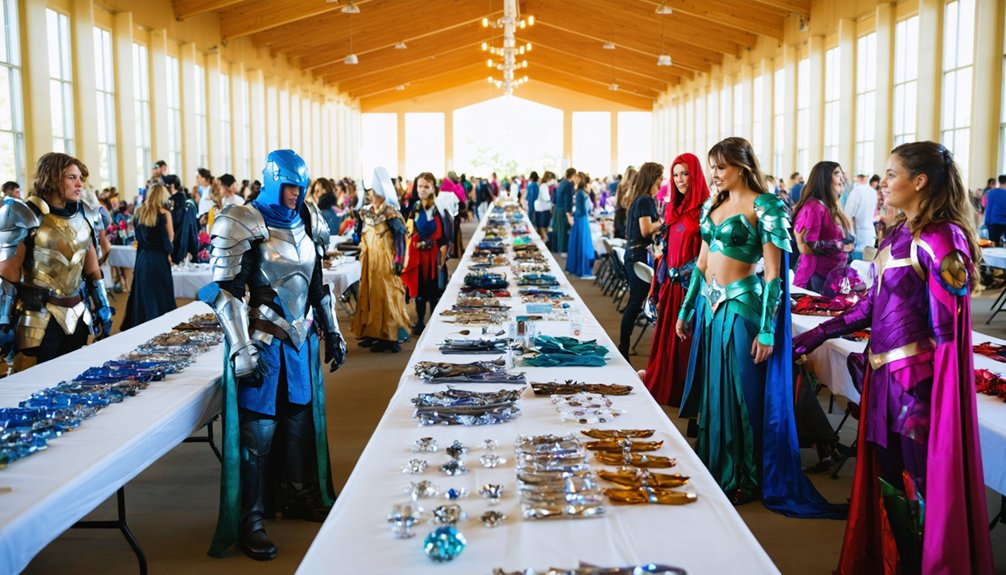
Cosplay swap meets are one of the smartest ways to cut waste while keeping costumes in circulation longer. These community-driven events deliver real swap benefits by connecting cosplayers who’ve outgrown their builds with others enthusiastic to breathe new life into them.
You’re fundamentally extending costume longevity without spending a dime on new materials.
Around 43% of cosplayers create up to two new costumes annually, generating significant excess. Swap meets redirect that surplus constructively. Bring pieces you no longer need, trade for components that elevate your next build, and leave nothing wasted.
Organize one locally or join existing events at conventions. The exchange strengthens community bonds while actively reducing textile waste.
It’s practical, innovative, and genuinely impactful — exactly the kind of shift sustainable cosplay demands.
How to Practice Sustainable Cosplay at Conventions
Swap meets extend costume life beyond your personal collection, but conventions themselves offer another powerful arena for sustainable cosplay.
When you’re attending events, seek out recycling programs and vendors using eco-friendly packaging. Prioritize workshops focused on sustainable crafting, where you’ll discover innovative techniques using eco-conscious materials like organic cotton or Tencel.
These panels aren’t just educational — they’re opportunities to advocate for greener habits within your community. Choose non-toxic paints and biodegradable supplies for any on-site costume repairs.
You’ll also want to support exhibitors who align with environmental values, reinforcing a cultural shift toward collective responsibility. Every conscious choice you make at a convention signals to organizers and fellow cosplayers that sustainability isn’t optional — it’s crucial for the craft’s future.
Why Your Cosplay Choices Have a Real Environmental Cost
Every costume you build carries an environmental footprint that extends far beyond the convention floor. From synthetic fabrics releasing microplastics to single-use props ending up in landfills, your cosplay choices create measurable environmental impact at every stage.
The costume lifecycle begins the moment you source materials and ends long after you’ve packed up your build. Most cosplayers don’t realize that fast-fashion fabrics, toxic adhesives, and disposable components quietly accumulate into serious ecological damage.
You have real power to change this. Choosing upcycled materials, eco-friendly fabrics, and secondhand components dramatically reduces your carbon contribution. Every purchasing decision you make either accelerates or slows environmental harm.
Understanding this cause-and-effect relationship transforms you from a passive consumer into a conscious creator who builds beautifully without compromising the planet.
Frequently Asked Questions
How Can I Store My Cosplay Materials to Prevent Damage or Waste?
Store your cosplay materials using eco friendly storage solutions like repurposed bins and labeled containers for smart material organization. You’ll prevent damage, reduce waste, and keep your creative supplies accessible for your next innovative costume project!
Are There Online Communities Dedicated to Sustainable Cosplay Practices and Tips?
Yes, you’ll find vibrant online communities sharing sustainable cosplay tips! Join forums and social media groups where creators swap advice on eco-friendly fabrics, upcycled materials, and innovative techniques that’ll transform your crafting approach while minimizing environmental impact.
Can Sustainable Cosplay Still Achieve High-Quality, Competition-Worthy Results?
Despite assumptions that sustainability limits quality, you can absolutely create competition-worthy results. By skillfully combining eco friendly materials like Tencel and hemp with upcycled costumes, you’ll craft stunning, innovative pieces that impress judges and reflect your creative mastery.
How Do I Dispose of Unusable Cosplay Materials Responsibly After Conventions?
Explore recycling options at convention drop-off stations for unusable materials. You’ll find donation programs through local thrift stores or community swap events that’ll repurpose leftover fabrics, props, and accessories, keeping waste out of landfills responsibly.
What Budget-Friendly Tools Are Essential for Sustainable Cosplay Crafting?
You’ll need scissors, a hot glue gun, needle and thread, and sandpaper—all sourceable as thrift store finds. Pair these with recycled materials to craft innovative, budget-friendly costumes while minimizing your environmental footprint effectively.
References
- https://geekmamas.com/2024/11/14/eco-friendly-practices-for-sustainable-cosplay/
- https://www.cornellcea.com/eco-friendly-cosplay-how-green-practices-are-transforming-costume-design.html
- https://303magazine.com/2025/03/sustainable-fandom-how-to-avoid-overconsumption-in-cosplay/
- https://otakukon.com/2024/07/25/cosplay-and-environmentalism-how-we-are-using-creativity-to-spark-conversations-on-recycling-upcycling-and-environmental-care/
- https://www.greenmatters.com/small-changes/sustainable-cosplay-ideas
- https://lussoleather.ca/blogs/guide/how-to-generate-zero-waste-in-cosplay
- https://eyecandys.com/blogs/news/con-tips-hacks