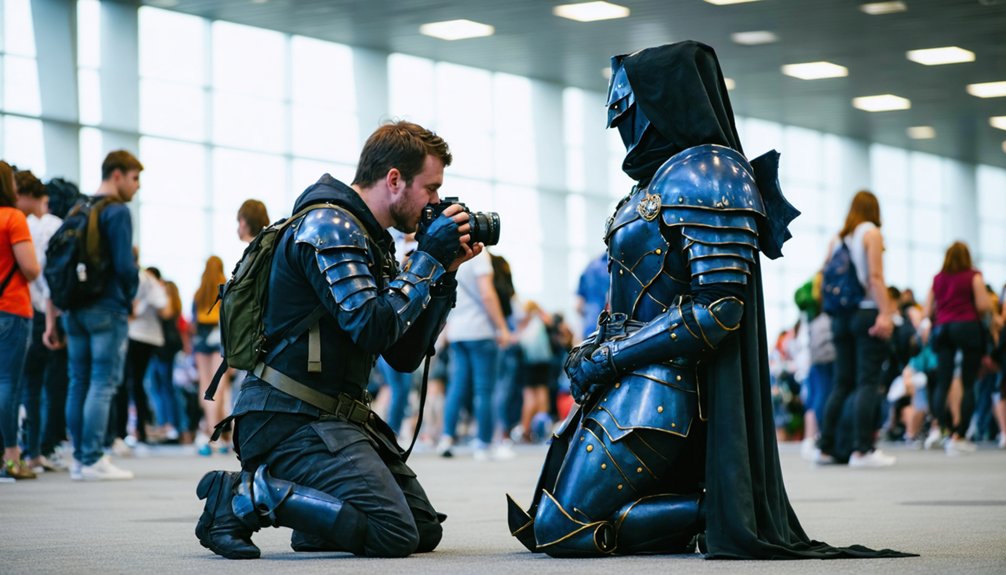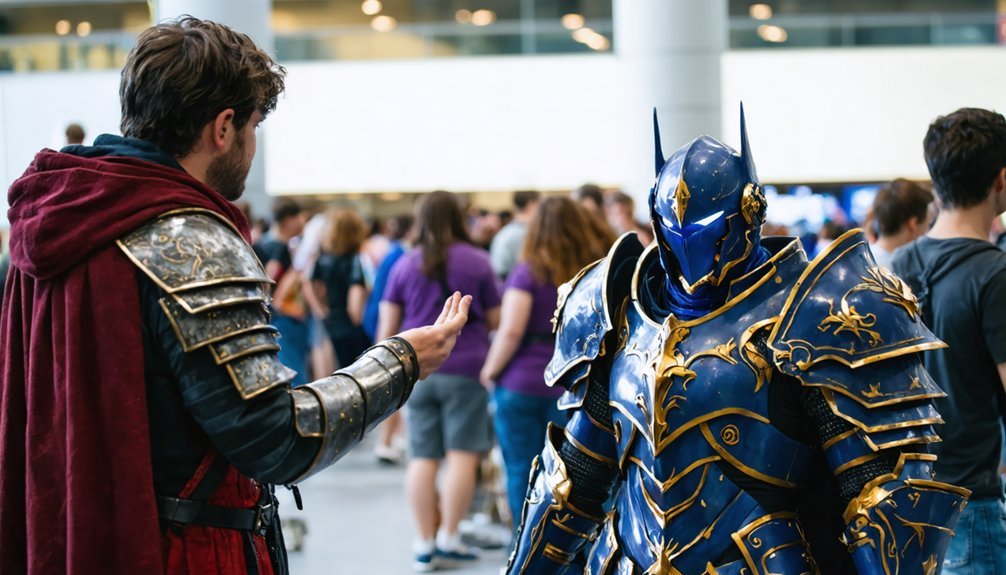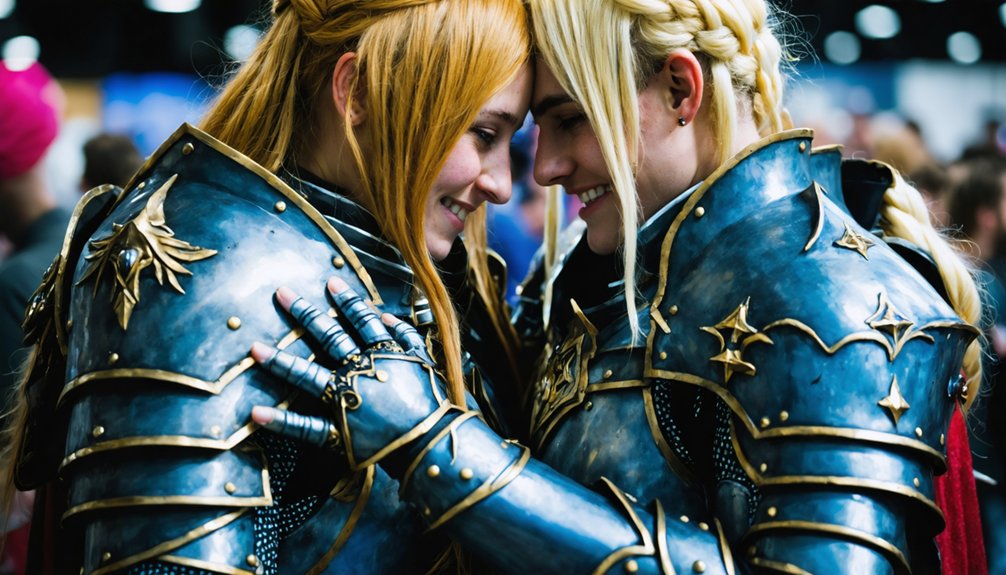
The cosplay community should establish structured mental health support systems that leverage its existing therapeutic benefits. You’ll find that convention spaces naturally provide validation, peer recognition, and identity-affirming expression that measurably reduce depression and social anxiety. Community leaders must formalize these protective factors through trained peer counseling, trauma-informed programming, and accessible resources at events. Research confirms cosplay serves as a legitimate therapeutic intervention, particularly for neurodivergent individuals who discover family-like networks within these spaces. The sections ahead explore how communities can systematically amplify these wellness outcomes.
Key Takeaways
- Create safe, inclusive spaces where members receive validation, peer recognition, and mentorship that affirm identities and buffer against mental health challenges.
- Recognize cosplay as legitimate therapy, with convention participation correlating to measurable reductions in depression and improvements in overall wellness.
- Establish mental health infrastructure at conventions through nonprofit partnerships, peer support networks, crisis resources, and trauma-informed bystander intervention training.
- Provide specialized support for neurodivergent members by reducing social anxiety barriers and building family-like networks that validate differences beyond costume skills.
- Develop grassroots mental health programs including peer-led counseling, virtual support platforms, and accessible therapeutic recreation that complement traditional mental health services.
Creating Safe Spaces for Authentic Connection and Belonging
Within cosplay communities, validation operates as a foundational mechanism for mental health support, creating environments where creative expression receives consistent positive reinforcement. You’ll find that peer recognition of your creative efforts establishes psychological buffers against depression, social anxiety, and loneliness.
Through community centered mentorship, you gain technical skills while experiencing rare negative responses to participation. This acceptance translates directly to increased confidence and self-esteem.
The practice facilitates identity affirming expression through character embodiment, allowing you to explore gender-neutral and alternative aspects of yourself. Characters function as avatars that safely contain anxieties during social situations, while shared references create accessible conversation starters.
For neurodivergent individuals particularly, these communities provide sustained friendships and family-like support structures that complement traditional therapeutic interventions.
Recognizing and Amplifying the Therapeutic Value of Costume Play
Research demonstrates that cosplay functions as a legitimate therapeutic intervention, with empirical evidence revealing measurable improvements across multiple dimensions of mental wellness. You’ll find that Dragon Con attendees showed significant depression reduction correlating with immersive participation and convention attendance duration. The data reveals enhanced spiritual and physical wellness dimensions across engagement models.
The therapeutic mechanisms—emotional release, self-presentation validation, and peer recognition—provide measurable mental health benefits deserving formal clinical consideration. By establishing cosplay based therapy programs, you’re acknowledging how costume participation reduces social isolation through community integration. Evidence shows role-playing creates psychological distance from stressors while enabling identity exploration.
You can leverage these findings by advocating for inclusive cosplay workshops within mental health settings, where character embodiment facilitates anxiety management and confidence building.
Building Structured Support Systems Within Convention Culture
Convention culture has begun rolling out systematic mental health infrastructures that transform episodic gatherings into sustainable wellness ecosystems. Organizations like Mental Wellness and Cosplay and Cosplayer Survivor Support Network now deliver structured programming addressing PTSD, depression, and survivorship resources. These convention wellbeing initiatives operate through 501(c)(3) nonprofits, ensuring sustainable funding for panel programming, resource distribution, and trained volunteer networks.
Organizing sustainable peer support requires distributing responsibility across multiple community members rather than overburdening individuals. Malaysian cosplay communities exemplify this approach by sharing real-time feedback and establishing clear boundaries.
Anime For Humanity’s therapy kits—distributed free at conventions and shipped to libraries—connect attendees with accessible mental health services. Volunteers with psychology backgrounds provide trauma-informed education, while expansive panels address consent, gaslighting, and bystander intervention, fostering communities where survivors receive consistent, respectful support.
Fostering Inclusive Environments for Neurodivergent and Vulnerable Members
Because neurodivergent individuals often face marginalization in mainstream social spaces, cosplay communities have emerged as essential sanctuaries where difference isn’t merely tolerated but celebrated. You’ll find that these environments create family-like support networks where members feel genuinely seen and validated. The community’s acceptance provides particular value for vulnerable populations experiencing depression, social anxiety, and loneliness.
Collaborative cosplay projects strengthen these inclusive spaces by fostering meaningful connections through shared creative endeavors. You can access skill building opportunities that extend beyond costume construction—developing social competencies, emotional processing abilities, and identity exploration pathways. The mask-like quality of cosplay reduces social anxiety barriers, making interactions feel safer and more manageable. This structured acceptance creates lasting friendships and sustained mental health improvements, particularly when you engage actively in convention participation and online communities.
Establishing Community-Led Mental Health Resources and Awareness Programs
Increasingly, cosplay communities are developing grassroots mental health initiatives that bridge critical gaps left by traditional therapeutic services. With IAPT recovery rates at 50% and dropout rates reaching 42% after one session, mutual aid initiatives within cosplay spaces offer sustained support that persists beyond conventional treatment limitations.
You’ll find peer-led counseling services emerging at conventions and virtual platforms, leveraging the community’s inherent protective factors—perceived support levels and positive interactions that reduce anxiety and depression by 25%. These programs combine therapeutic recreation principles with cosplay’s playful nature, creating accessible alternatives to address growing mental health demands.
Frequently Asked Questions
How Can Cosplayers Recognize Signs of Mental Health Crisis in Fellow Community Members?
You’ll notice emotional signaling through withdrawn behavior, declining creative participation, and reduced event attendance. Watch for disrupted social connections—when active members disengage from collaborative projects or avoid community interactions, they’re potentially experiencing crisis requiring compassionate intervention.
What Specific Cosplay Activities Most Effectively Reduce Depression and Anxiety Symptoms?
Crafting activities serve as your creative anchor, building resilience through problem-solving and achievement. You’ll find community events equally powerful—they foster connections, reduce isolation, and provide social validation. Both immersive role-play and costume creation substantially lower depression symptoms.
Should Conventions Require Mental Health First Aid Trained Staff at Events?
You’ll find MHFA-trained staff beneficial rather than mandatory, as evidence shows they effectively recognize mental health situations without resembling increased security measures. Expanded convention staff with voluntary training creates supportive environments while respecting resource constraints and maintaining community-focused innovation.
How Can Online Cosplay Communities Maintain Mental Health Support Between Conventions?
You can organize regular virtual meetups for sustained connection and peer support between events. Consider implementing structured group therapy sessions led by mental health professionals, creating safe spaces where you’ll receive validated support while maintaining community engagement year-round.
What Evidence-Based Practices Can Cosplayers Use for Peer Mental Health Support?
You can implement evidence-based interventions like active listening, recognizing distress signs, and connecting peers to professional resources. Establish peer support networks through buddy systems, moderated discussion groups, and shared cosplay activities that promote connection while respecting mental health boundaries.