Vintage comic book character cosplay earns you instant recognition on the convention floor because these iconic designs have spent decades embedding themselves into cultural memory. You’re wearing history when you don these bold silhouettes and primary-hued insignia—symbols that resonate across generations without a single word of explanation. They’re also easier and cheaper to build than modern designs, with thrift stores practically begging to supply your wardrobe. Stick around, and you’ll discover exactly how deep this rabbit hole goes.
Key Takeaways
- Vintage comic characters offer instant recognition across generations through bold colors, iconic insignia, and distinctive silhouettes requiring no verbal explanation.
- Classic designs emphasize bold simplicity using primary hues and geometric shapes, making costumes easier and more affordable to construct.
- Thrift stores provide budget-friendly sourcing options, allowing complete vintage costumes to be assembled from secondhand garments affordably.
- Upcycling and reusing costume pieces reduces textile waste, lowers costs, and supports environmental sustainability across multiple convention appearances.
- Modernizing vintage costumes with performance textiles and personal styling honors original designs while offering fresh, creative reinterpretations.
Which Vintage Comic Characters Are Worth Cosplaying First?
Because vintage comic book cosplay spans decades of iconic imagery, your first character choice carries more weight than it might seem. Comic book history offers a rich foundation for selection, with characters like the Golden Age Flash, classic Wonder Woman, or early Spider-Man providing strong visual identities that register immediately across generations.
Consider character evolution when narrowing your options. Characters who’ve undergone significant design shifts offer you creative entry points, letting you anchor a recognizable silhouette while incorporating modern material choices or reinterpretation. Early iterations tend to feature cleaner silhouettes, reducing construction complexity without sacrificing impact.
Prioritize characters whose core design elements—color blocking, symbolic insignia, distinctive accessories—translate efficiently into thrifted or repurposed builds. Your first cosplay should challenge your creativity while remaining structurally achievable and instantly communicative to your audience.
Why Vintage Comic Characters Get Recognized Instantly at Conventions
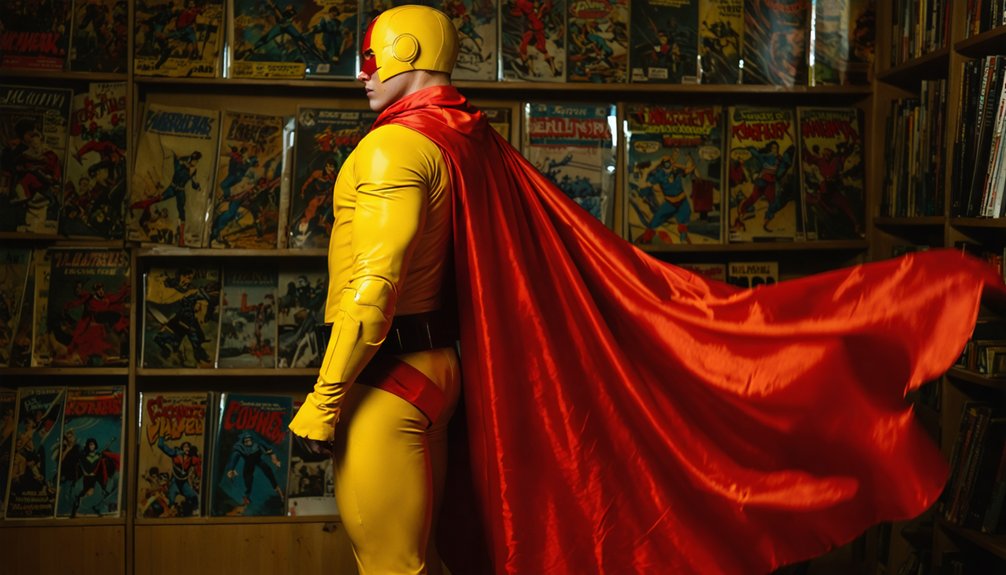
When you wear a vintage comic character’s costume, you’re carrying decades of visual shorthand that conventions instantly decode. Bold color blocking, unmistakable emblems, and silhouettes refined across generations mean you rarely need to explain who you are.
Your costume speaks across age groups because the source material shaped multiple generations of fans before today’s attendees ever attended their first convention.
Iconic Symbols Drive Recognition
Bright colors and bold chest emblems do most of the storytelling before you say a single word. Vintage comic icons carry visual shorthand that decades of publishing have made universal. You don’t need a caption when you’re wearing a symbol recognized across generations.
That costume durability extends beyond fabric—it lives in cultural memory, making identification instant even in crowded convention halls.
Character reinterpretation keeps these symbols fresh without sacrificing recognition. You can modernize materials, shift silhouettes, or restyle presentations while the core emblem anchors your identity.
Consider how iconic symbols work in your favor:
- Bold color blocking communicates character before context
- Chest and cape insignias function as visual shorthand for entire mythologies
- Strong geometric shapes remain readable across distances and lighting conditions
Cross-Generational Visual Familiarity
Vintage comic characters carry a recognition that spans decades because their visual identities were built into popular culture long before modern franchises competed for attention. When you wear a classic hero’s costume, you’re drawing on source material that shaped multiple generations simultaneously.
Grandparents, parents, and younger fans share the same visual reference points, making your costume durability extend far beyond a single trend cycle. That cross-generational familiarity means you’ll receive instant acknowledgment from convention attendees across every age group without requiring explanation.
Thoughtful color coordination reinforces this effect — the bold, deliberate palettes of vintage characters were designed for immediate impact, and they still work. You’re not chasing relevance; you’re wearing something that already earned it across decades of cultural presence.
Why Classic Superhero Costumes Are Easier to Build Than Modern Ones
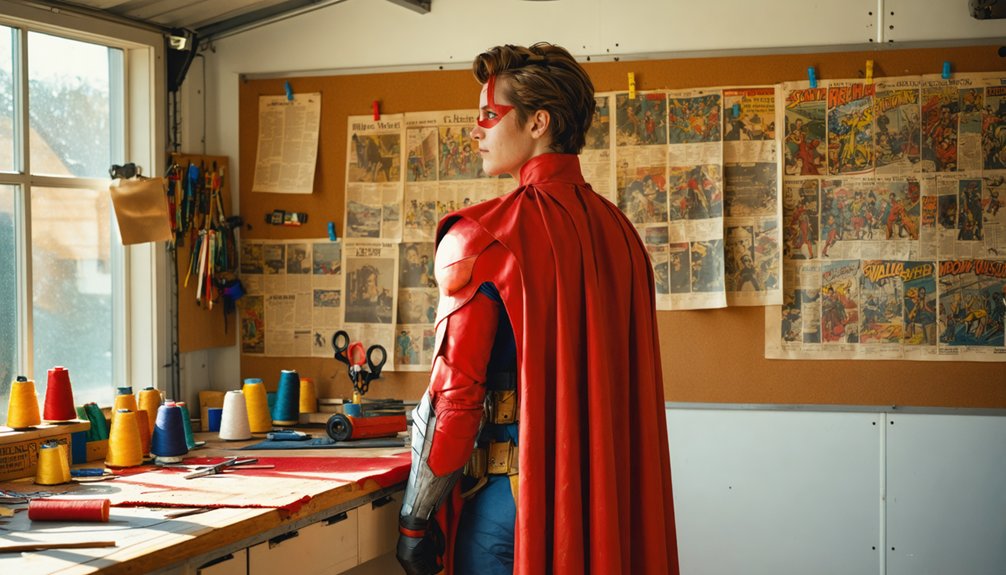
Classic superhero costumes have always prioritized bold simplicity over technical complexity, and that heritage works directly in your favor when you’re building one from scratch. Unlike modern armor-heavy designs, vintage looks rely on color theory—strategic combinations of primary hues that read clearly across crowded convention floors. You’re working with geometry and symbolism rather than intricate fabrication.
That efficiency extends beyond the build itself. Simpler silhouettes make costume storage straightforward, letting you pack, preserve, and reuse pieces across multiple events without dedicated display infrastructure.
Consider these practical advantages:
- Fewer specialty materials means lower construction costs
- Iconic shapes allow creative reinterpretation without losing character recognition
- Modular pieces support sustainable reuse across different costume configurations
Vintage design constraints aren’t limitations—they’re an innovative framework that rewards thoughtful, resourceful cosplay construction.
Best Thrift Store Finds for Vintage Comic Cosplay on a Budget
That same design simplicity that makes vintage costumes easier to build also makes them ideal candidates for thrift store sourcing. When you trace vintage comic origins, you’ll find that most classic looks rely on bold color blocking, basic silhouettes, and a handful of defining accessories—elements that secondhand shops stock consistently.
You can often assemble a complete look from separate thrifted pieces: solid-color turtlenecks, fitted trousers, leather belts, and knee-high boots. Prioritize costume comfort by selecting fabrics that breathe well and move naturally, since convention floors demand endurance.
Swap meet and donation exchanges extend your sourcing options further.
How Thrifted and Upcycled Materials Work Perfectly for Vintage Cosplay
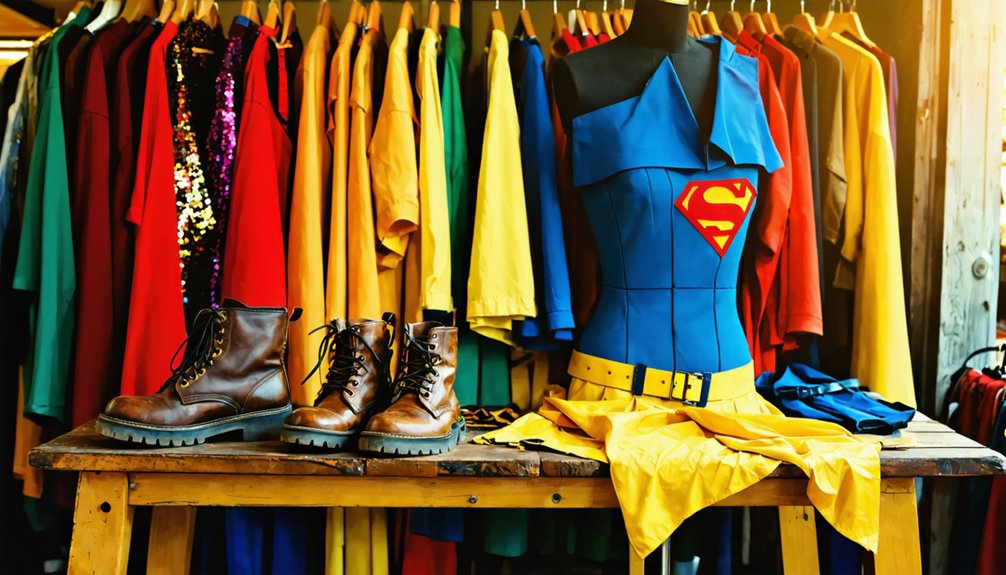
When you turn to thrift stores for vintage comic cosplay, you’re tapping into a resource that naturally mirrors the bold color-blocking and accessory-driven aesthetics of classic comic design.
Upcycling salvaged garments instead of purchasing new materials keeps construction costs low while diverting textile waste from landfills.
You’ll find that repurposing what already exists isn’t just a budget strategy—it’s a practice rooted in the same spirit of creative ingenuity that defined early comic book storytelling.
Thrift Finds Suit Vintage
Because vintage comic book characters rely on bold color blocking, strong silhouettes, and recognizable accessories rather than intricate armor or elaborate mechanical components, thrifted and upcycled materials align with these designs almost effortlessly. Their accessory focus means you’re sourcing belts, capes, and gloves rather than fabricating complex structural pieces.
Thrift stores and swap meets become strategic sourcing tools when you understand what vintage designs actually need:
- Color blocking basics: Solid-color garments in primary or complementary hues are abundant in secondhand markets.
- Accessory focus: Vintage jewelry, belts, and boots frequently replicate era-accurate costume details at minimal cost.
- Upcycled textiles: Repurposed fabric scraps can reconstruct capes, masks, and trim without new material purchases.
This approach reduces waste while honoring the visual integrity of legacy characters.
Upcycling Reduces Costume Waste
Upcycling transforms discarded textiles into functional costume components, and vintage comic cosplay is uniquely positioned to benefit from this practice. Classic superhero designs rely on bold color blocking and strong silhouettes—structural qualities that reclaimed fabrics replicate effectively.
Historical influence shapes every stitch; when you reconstruct a Golden Age character using salvaged materials, you’re honoring the resourcefulness embedded in early comic culture itself.
Upcycled builds also improve costume durability because repurposed garments have already endured repeated wear, meaning their fibers have proven resilience.
You reduce landfill contributions while producing something distinctly personal. Swap meets, textile exchanges, and donation programs extend a costume’s functional life beyond a single convention.
Choosing upcycled materials isn’t compromise—it’s an informed, innovative approach that aligns sustainability with creative craft.
How to Modernize a Vintage Costume Without Losing Its Identity
Modernizing a vintage comic costume is less about reinvention and more about thoughtful refinement. Historical context grounds your design choices, while modern reinterpretations elevate them. You’re honoring a legacy, not erasing it.
Modernizing a vintage costume isn’t erasure — it’s reverence with a contemporary hand.
Keep these principles in mind when updating your build:
- Retain core visual anchors — color palette, logo placement, and silhouette are what audiences recognize instantly; change surrounding details, not these.
- Upgrade materials thoughtfully — swap dated fabrics for performance textiles that improve comfort and durability without distorting the original aesthetic.
- Incorporate personal styling — gender-bent cuts, contemporary accessories, or subtle makeup choices add individuality while keeping the character’s identity unmistakably intact.
Your costume should feel current without feeling foreign. The icon stays recognizable; your craftsmanship makes it yours.
Why Vintage Characters Outperform Modern Ones at Conventions
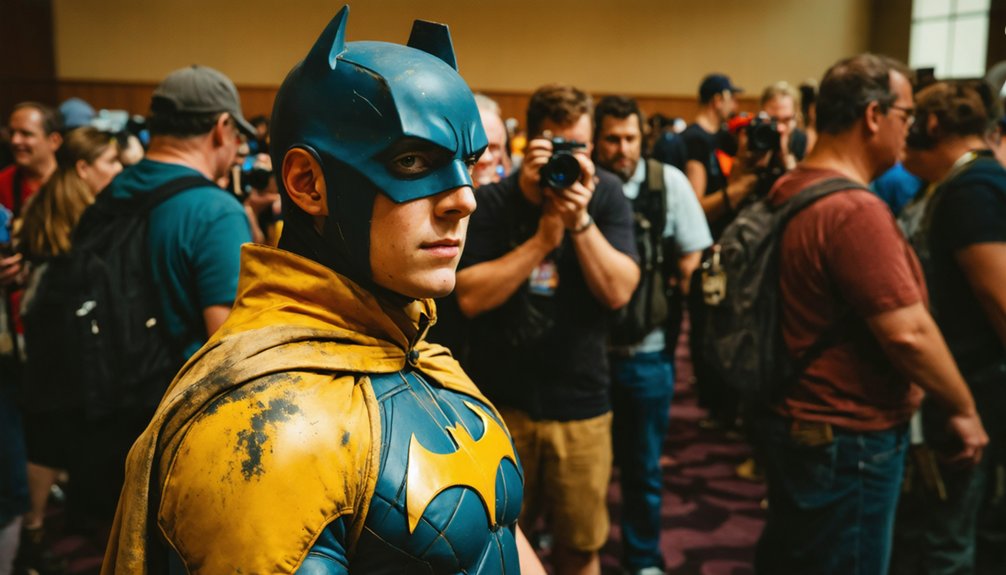
At conventions, vintage characters carry an advantage that modern ones rarely match: instant, cross-generational recognition. When you wear a classic hero or villain, you’re drawing on historical influences that span decades, meaning attendees from nearly every generation respond immediately. You don’t need to explain who you are—the visual language does that work.
Modern characters often require context that casual convention-goers simply don’t have. Vintage designs, by contrast, spark conversations naturally and photograph with unmistakable clarity.
Your artistic reinterpretations of classic characters also land more powerfully because audiences already hold a reference point. Innovation reads clearest against a familiar foundation. You’re not just wearing a costume—you’re participating in a living archive that conventions were, in many ways, built to celebrate.
How to Adapt Vintage Comic Looks Across Multiple Costumes
One of the most practical advantages of vintage comic cosplay is that its foundational pieces rarely serve just one costume. Historical context matters here: classic designs relied on color-blocking and bold accessories, meaning individual garments carry strong visual identity across multiple characters.
Costume durability becomes an asset when you build thoughtfully, selecting quality thrifted pieces that withstand repeated wear and creative reinterpretation.
You can stretch a single wardrobe investment across several compelling looks by approaching assembly strategically:
- Swap signature accessories like capes, masks, or utility belts to shift character identity instantly
- Recolor or layer base garments to shift between alternate character versions
- Combine pieces from two vintage characters to construct a deliberate mashup interpretation
This approach rewards innovation without demanding constant reinvestment.
Frequently Asked Questions
Are Vintage Comic Cosplays Appropriate for Children Attending Their First Convention?
Though you might worry about complexity, vintage comic cosplays guarantee child safety and costume comfort effortlessly. Picture your child beaming in bright, simple classics—iconic designs fit small bodies beautifully, making first conventions genuinely magical and stress-free.
How Do Vintage Comic Costumes Hold up During Outdoor Convention Events?
Vintage comic costumes hold up well outdoors when you prioritize fabric durability and color authenticity. You’ll find their simpler silhouettes resist wear, and thrifted materials often carry a resilient quality that modern, complex builds simply can’t match.
Can Vintage Comic Cosplay Be Used for Charity Events and Fundraisers?
You can absolutely use vintage comic cosplay for charity events and fundraisers. Your costume’s historical accuracy sparks cross-generational recognition, while its durability guarantees you’ll engage donors confidently, making classic heroes powerful, innovative tools for meaningful community fundraising.
What Age Groups Tend to Engage Most With Vintage Comic Cosplayers?
Young fans discover, older generations remember — you’ll find retro appeal crossing all ages. Kids, millennials, and collectors share collector interest in vintage cosplay, making it a uniquely multigenerational experience that bridges childhood nostalgia with contemporary innovation.
Do Vintage Comic Characters Work Well for Last-Minute Costume Decisions?
Yes, vintage comic characters work brilliantly for last-minute decisions. You’ll find their iconic simplicity supports historical accuracy without complexity, and everyday materials offer surprising material durability, letting you assemble a recognizable, innovative costume quickly from thrifted or closet staples.
References
- https://www.cbsnews.com/boston/news/leftover-halloween-costume-disposal/
- https://lussoleather.ca/blogs/guide/how-to-generate-zero-waste-in-cosplay
- https://sustainability.williams.edu/news-events/the-spookiest-thing-about-halloween-and-what-we-can-do-about-it/
- https://sustainability.yale.edu/blog/green-your-halloween
- https://pirg.org/articles/how-to-have-a-spooky-and-sustainable-costume-this-halloween/
- https://www.thecourieronline.co.uk/when-costumes-become-culture-comic-books-as-fashion-staples/
- https://starstruckpanda.com/best-comic-book-character-cosplay-ideas/
- https://www.reddit.com/r/CosplayHelp/comments/1uvmxji/ethically_getting_rid_of_old_cosplays/
- https://www.greenmatters.com/small-changes/sustainable-cosplay-ideas
- https://tokyo-cosplay.com/sustainable-cosplaying-eco-friendly-tips-and-tricks/