Cosplay etiquette is essential because it keeps public events safe, respectful, and enjoyable for everyone involved. When you ask before touching or photographing someone, respect personal boundaries, and follow venue safety protocols, you help create an environment where all attendees feel welcome. It protects minors, prevents crowd hazards, and builds trust within the community. Good etiquette isn’t just politeness—it directly shapes the atmosphere of every event you attend. Keep exploring to discover the specific habits that make the biggest difference.
Key Takeaways
- Proper etiquette ensures cosplayers feel respected as individuals, fostering a welcoming, inclusive environment for both first-time and veteran attendees.
- Following safety protocols, including prop guidelines and clear walkways, prevents accidents and protects all event participants.
- Respecting boundaries around photos, touch, and personal space builds trust and strengthens the cosplay community.
- Upholding child safety standards and family-friendly behavior protects minors and maintains appropriate event atmospheres.
- Good etiquette enhances overall event enjoyment, supports event longevity, and preserves the reputation of public cosplay gatherings.
Why Cosplay Etiquette Makes Events Safer for Everyone
Cosplay etiquette isn’t just a courtesy—it’s a practical framework that keeps conventions and public events safer for everyone involved. When you respect boundaries, follow venue rules, and stay mindful of others, you actively reduce the risk of harassment, injury, and conflict.
Cosplay etiquette isn’t optional—it’s what keeps conventions safe, respectful, and enjoyable for every single attendee.
Elaborate cosplay costumes can restrict movement and visibility, making crowded spaces genuinely hazardous without proper awareness. Prop guidelines, clear walkways, and respectful interactions aren’t arbitrary rules—they’re safety measures that protect you and every attendee around you.
Event promotions often highlight inclusivity and community, but those values only hold when participants uphold them in practice. You set the tone through your behavior.
Choosing courtesy over carelessness makes events more welcoming, encourages first-time attendees to return, and strengthens the shared culture that makes cosplay communities thrive.
Always Ask Before Touching a Cosplayer or Their Costume
One of the clearest rules in cosplay culture is this: always ask before you touch. Whether it’s a shoulder, a prop, or an elaborately crafted wing, touching boundaries apply to every part of a cosplayer’s space.
Costume respect means recognizing that someone’s outfit isn’t an open invitation for physical contact — it’s a creative work they’ve chosen to wear.
If you don’t receive explicit permission, treat that as a no. Don’t assume that enthusiasm, eye contact, or a friendly conversation grants access.
Simply ask first, accept the answer gracefully, and move on without pressure or argument.
This habit protects cosplayers from unwanted contact and signals that you understand the culture.
Events become safer and more welcoming when everyone commits to asking before acting.
Cosplay Etiquette Starts With Asking Before Taking Photos
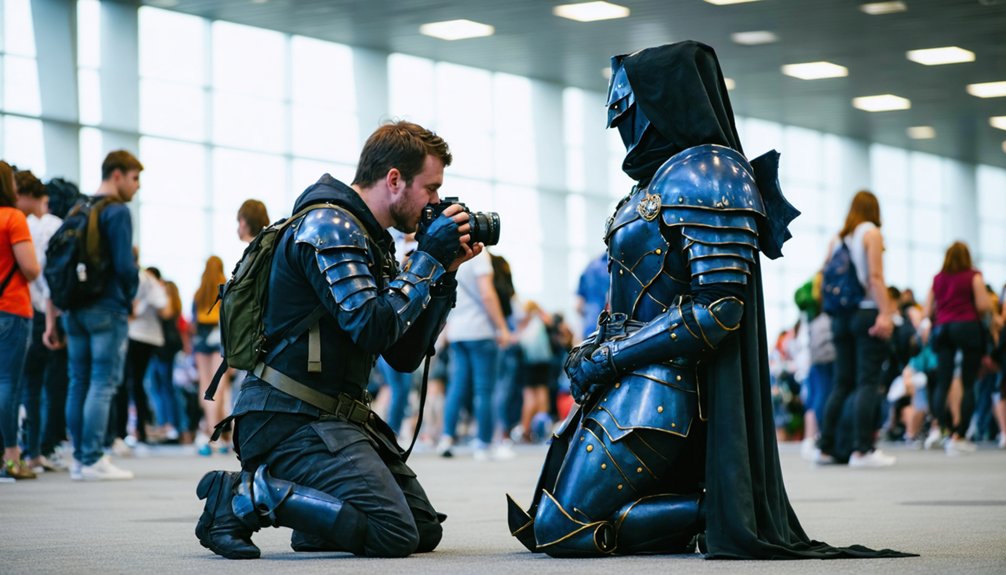
Just as touching requires permission, so does photography. Before you raise your camera or phone, ask the cosplayer directly. They’ve invested significant effort into costume authenticity, and a candid or poorly framed shot can misrepresent that work without their knowledge or approval.
When you request a photo, you also gain an opportunity to collaborate on photo composition, choosing angles and backdrops that genuinely honor their craft.
If they decline, respect that immediately without negotiating or expressing frustration.
Avoid photographing cosplayers who are eating, resting, or adjusting their outfits. These aren’t performance moments, and interrupting them signals that you value the costume over the person wearing it.
Asking first protects privacy, builds trust, and strengthens the welcoming culture that makes public events worth attending.
Never Photograph Someone Who Is Eating, Resting, or in Transit
Asking permission before photographing a cosplayer is only part of the equation — timing matters just as much. Even with the best intentions, approaching someone during food breaks or while they’re unwinding in rest areas creates unnecessary disruption.
Cosplayers invest significant energy into their costumes and performances, so they deserve uninterrupted downtime.
If you spot someone eating, fixing their outfit, or moving between locations, wait for a better moment. They’re not on display 24/7 — they’re people managing a long, demanding day. Interrupting these private moments can feel intrusive and disrespectful, regardless of your intent.
You’ll find that patience pays off. A cosplayer who’s refreshed and ready is far more likely to engage enthusiastically, making the photo better for everyone involved.
How to Accept a ‘No’ Without Pressure or Argument
When a cosplayer declines a photo or interaction request, accept it immediately and move on without hesitation. Handling rejection gracefully isn’t just courteous—it’s essential to maintaining a safe, welcoming environment for everyone.
A respectful decline deserves a simple acknowledgment, nothing more. You don’t need an explanation, and you shouldn’t ask for one.
Keep these principles in mind:
- Don’t negotiate. Pushing back after a “no” creates pressure and signals disrespect.
- Stay composed. Thank them briefly and walk away without visible frustration or commentary.
- Normalize refusal. Treating a declined request as completely ordinary reduces stigma and encourages cosplayers to set boundaries confidently.
When you model this behavior, you contribute to a culture where everyone feels empowered to participate without fear of confrontation.
Cosplay Etiquette Rules That Protect Younger Attendees
Protecting younger attendees requires a higher standard of conduct from everyone at a public event. When minors are present, you’re responsible for keeping interactions age appropriate, which means avoiding suggestive comments, physical contact without guardian consent, and costume choices that expose children to inappropriate content.
Respectful supervision from parents, guardians, and event staff creates a safer floor for first-time attendees who are still learning how conventions work.
You should also avoid offering alcohol near minors or engaging in behavior that conflicts with a family-friendly environment.
If you witness conduct that puts younger attendees at risk, report it to event staff immediately.
Following the code of conduct isn’t optional when children are involved — it’s a shared responsibility that protects the entire community’s access to these events.
How Respectful Communication Builds a Stronger Cosplay Community

Respectful communication shapes the kind of community you’re either building or breaking down every time you interact with a fellow cosplayer. How you speak, listen, and respond directly affects whether cosplay spaces feel welcoming or exclusionary.
Use these principles to communicate with intention:
- Use respectful language when complimenting costumes—focus on craftsmanship and creativity, not appearance or body type.
- Practice active listening when cosplayers share their process, inspirations, or boundaries, because acknowledgment builds genuine connection.
- Avoid unsolicited criticism about costume interpretation or fandom preferences, since judgment fractures community trust quickly.
When you treat cosplayers as people rather than entertainment, you strengthen the culture for everyone. Small, consistent choices in how you communicate determine whether this community grows into something more innovative and inclusive.
Crowd Flow and Prop Safety Every Attendee Should Know
Managing a crowded convention floor safely starts with how you handle your space and your props. Keep walkways, aisles, and booth areas clear so everyone can move without obstruction. When you’re carrying oversized props, stay aware of those around you and follow the event’s posted weapon and prop policies without exception.
Choose open areas for posing or filming rather than high-traffic zones. If your costume maintenance requires adjustments, step aside so you don’t block foot traffic.
You’ll also want to prioritize attendee hydration and rest breaks, especially when wearing heavy or restrictive costumes that increase fatigue risks.
When staff direct you to relocate or adjust your prop handling, comply promptly. Your awareness directly shapes whether the event stays safe and enjoyable for every attendee.
Cosplay Etiquette Habits That Make Events More Welcoming
Safety habits keep the floor moving, but the habits that make an event genuinely welcoming go a step further. How you engage with others shapes the atmosphere just as much as event decor or programming.
Build these habits now:
- Ask before you touch or photograph. Costumes, props, and personal space all require explicit permission.
- Respect timing. Don’t interrupt cosplayers handling costume maintenance, eating, or resting for photos or conversation.
- Lead with encouragement. Comment on craftsmanship and creativity, not body type or costume interpretation.
You set the tone every time you interact. When you treat cosplayers as people rather than entertainment, you’re actively building a community where first-timers and veterans alike feel safe showing up fully.
Frequently Asked Questions
What Should I Do if I Witness Someone Violating Cosplay Etiquette?
If you witness a violation, don’t escalate — use respectful communication by calmly addressing the situation or reporting it to event staff. Smart confrontation strategies mean you’re prioritizing safety and inclusion without creating further disruption.
Can Event Staff Remove Attendees Who Repeatedly Ignore Cosplay Etiquette Rules?
Over 70% of convention incidents involve repeat offenders. Yes, event staff can remove attendees who repeatedly ignore cosplay etiquette rules, including violating photography permissions or interfering with costume maintenance, ensuring you’re protected in a safer, more inclusive environment.
Does Cosplay Etiquette Apply the Same Way at Outdoor Public Events?
Yes, cosplay etiquette applies equally outdoors. You’re still expected to practice strong public manners and respectful outdoor behavior—always ask before touching or photographing cosplayers, respect boundaries, and follow venue-specific rules wherever the event occurs.
Are There Cosplay Etiquette Differences Between Large Conventions and Smaller Local Events?
Surprisingly, you’d think smaller events mean looser rules — they don’t. Whether it’s costume authenticity at a mega-convention or photo permissions at a local gathering, you’re always expected to respect boundaries and ask before acting.
How Do Event Organizers Typically Communicate Cosplay Etiquette Rules to Attendees?
You’ll find event organizers communicate cosplay etiquette through posted signage, digital handbooks, and registration agreements covering photography boundaries and costume authenticity standards. They’re also using innovative apps and social media channels to keep you informed before arrival.
References
- https://www.startrek.com/news/conventional-behavior-for-cons-cosplay
- https://www.nerdcaliber.com/cosplayers-guide-to-etiquette/
- https://learn.ganknow.com/course/cosplay-etiquette-proper-behavior-and-safety-guidelines-at-conventions-and-events/
- https://www.youtube.com/watch?v=SjeQ4OZUwj0
- https://www.cabeqq.com/understanding-the-dos-and-donts-of-cosplay-a-comprehensive-guide/
- https://www.thepopverse.com/cosplay-etiquette-conventions-online-cosplayers-photos-harassment
- https://www.archaia.com/cosplay-etiquette-dos-and-donts-at-events/
- https://www.youtube.com/watch?v=dxauA6KIYIM
- https://nolanerdcouple.com/cosplay-etiquette/