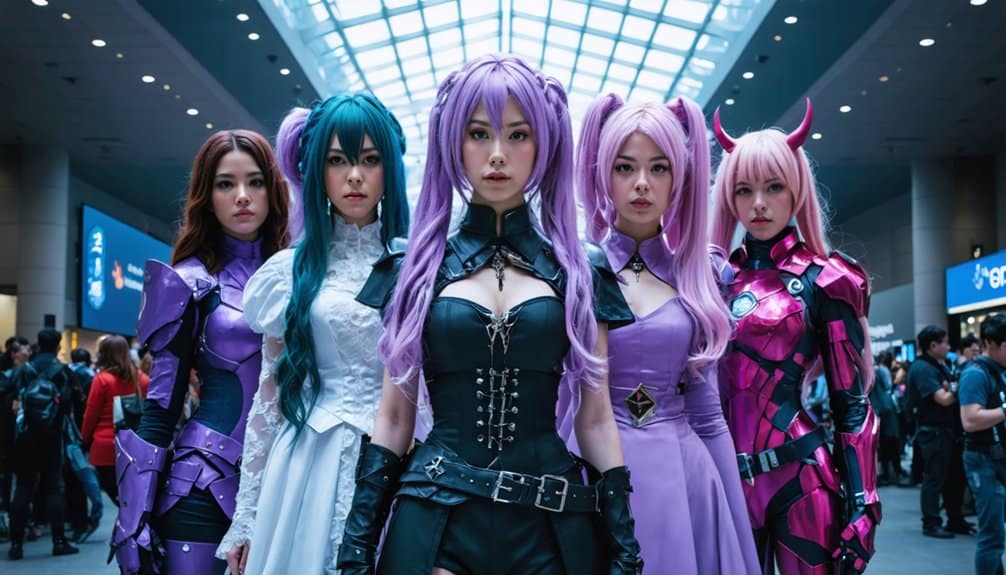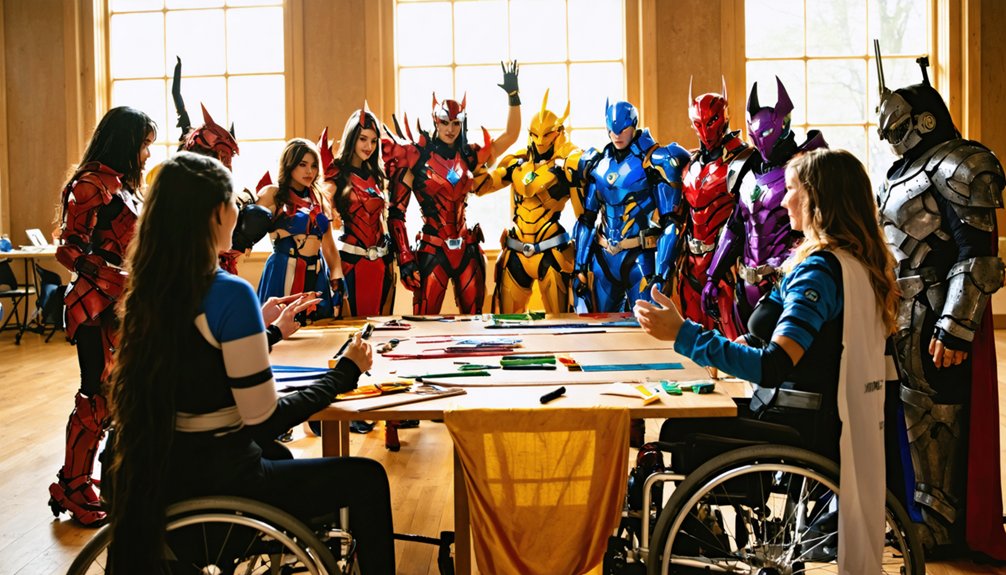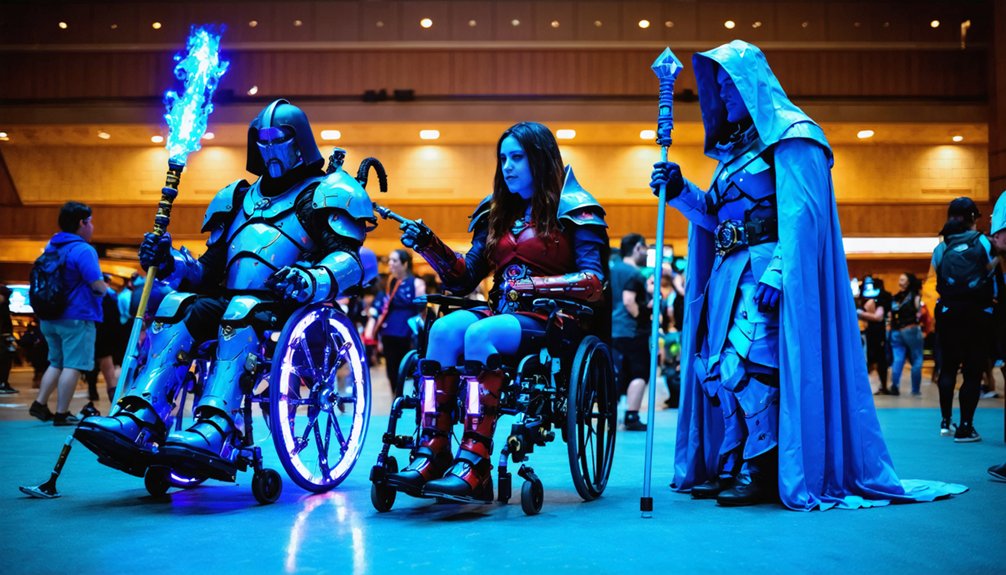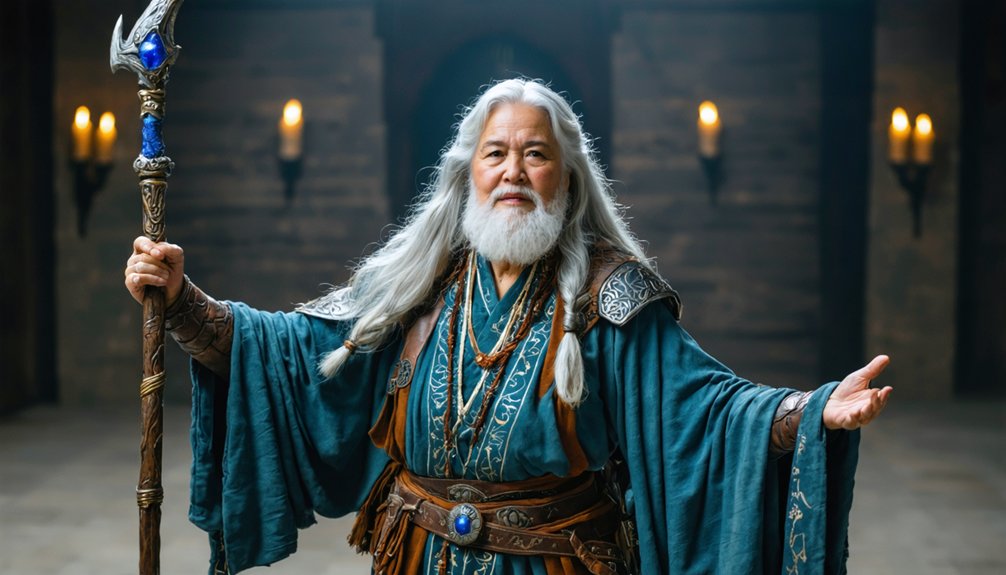
You’ll find that age becomes an asset in cosplay when you’ve mastered advanced techniques like armor fabrication, weathering, and structural engineering. Classic sci-fi heroes like the Fourth Doctor or Picard require straightforward fabric construction, while non-human characters let you showcase EVA foam sculpting and LED integration skills. Fantasy warriors and battle-hardened veterans celebrate decades of leatherworking expertise, and non-gendered designs like Alex Armstrong’s uniform welcome all body types. The sections below break down specific character categories that highlight your construction mastery.
Key Takeaways
- Timeless superheroes like Batman or Wonder Woman offer 50+ years of reference material and iconic silhouettes that accommodate all body types.
- Non-human characters such as robots or armored suits emphasize craftsmanship skills over age, using EVA foam and LED integration techniques.
- Classic sci-fi costumes like Star Trek uniforms or Doctor Who’s Fourth Doctor require straightforward fabric construction with instant recognition.
- Fantasy characters showcase advanced leatherworking and armor forging expertise that demonstrates decades of material knowledge and tool mastery.
- Non-gendered characters like Alex Armstrong or Aerith use strategic draping and costume engineering to celebrate diverse physiques authentically.
Timeless Characters That Transcend Generational Boundaries
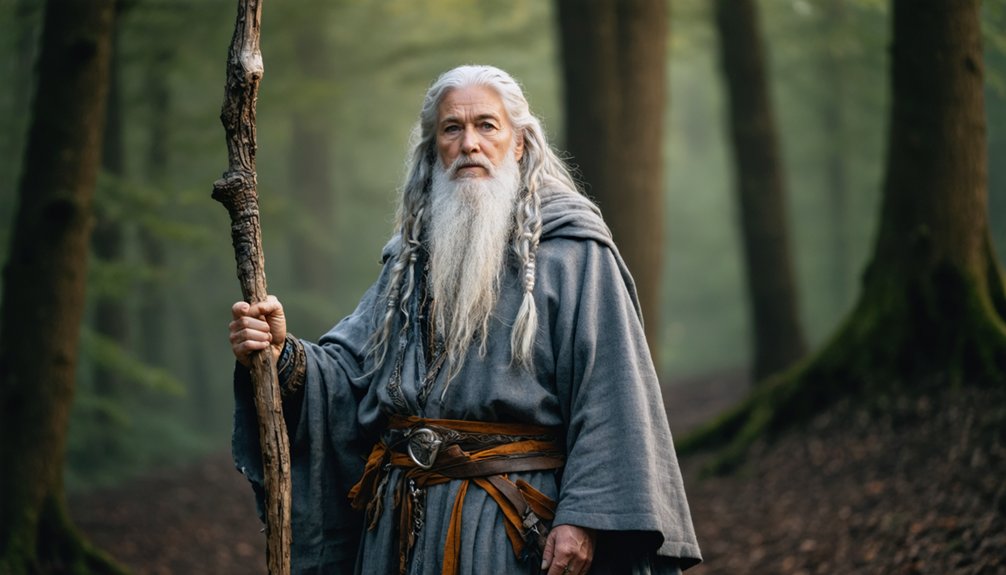
Long-running franchises break down age barriers through characters whose costume construction details remain consistent across decades of source material iterations. You’ll find comic book properties deliver technical specifications that haven’t fundamentally changed—cape draping mechanics, armor plating attachment methods, and fabric layering systems remain buildable regardless of your age.
These multigenerational narratives provide reference materials spanning 50+ years, letting you select interpretation periods that match your skill level and aesthetic preferences. Characters with established design languages eliminate guesswork in pattern development while offering room for innovative fabrication techniques.
Age positive character designs from classic franchises naturally accommodate diverse body types through their iconic silhouettes, letting you focus on advanced weathering techniques, LED integration, and structural engineering rather than matching specific physiques. Your construction expertise becomes the showcase element.
Non-Human Characters Perfect for Creative Expression
Non-human cosplays eliminate body-type constraints through prop-driven construction rather than form-fitting garments. You’ll find robots and armored suits utilize EVA foam, Worbla, or cardboard frameworks that layer over base clothing, while fantasy creatures require minimal sewing when structured around ears, tails, and paint-based skin transformations.
These builds prioritize craftsmanship in accessory fabrication—whether sculpting mechanical plating or attaching faux fur components—making your skill with materials more visible than your physical measurements.
Robots and Armored Suits
Since traditional character cosplay often demands exposed skin and form-fitting silhouettes that many older fans find uncomfortable, robot and armored suit costumes offer a liberating alternative through full-body coverage and structured construction. You’ll find CE-certified EVA material dominates the market, delivering impact resistance while maintaining 2.7m height profiles that accommodate 1.7-1.9m frames. Premium options incorporate UV-reactive inks printed on Italian 80% polyester/20% elastane blends, achieving second-skin compression without exposure concerns.
LED-integrated suits feature integrated microphone/speaker systems for enhanced convention interaction, though storage/portability challenges emerge with full-body armor requiring dedicated transport solutions. 3D-printed bionic jumpsuits reduce weight for extended wear sessions. Affordability considerations span drastically—rental-grade suits versus $5,023.33 realistic armor designs with documented 4/5-star performance ratings. Cold-water maintenance preserves fabric integrity across repeated convention cycles.
Fantasy Creatures and Monsters
When age-related body changes shift cosplay priorities from form-fitting suits to character-driven artistry, fantasy creatures deliver unmatched creative freedom through prosthetic-heavy construction and material-layered silhouettes. These builds emphasize supernatural abilities through technical application rather than physique.
Material-Driven Monster Construction:
- Minotaur/Werewolf transformations – Faux fur layering (varying pile heights 15-50mm) combined with latex prosthetics creates muscular bulk independent of underlying body structure
- Medusa’s serpentine elements – Flexible rubber snakes wire-mounted into wig caps provide dimensional hair movement; specialty contact lenses enhance petrifying gaze mechanics
- Cryptid builds (Bigfoot/Yeti) – Full-body fur suits with articulated mask systems conceal form entirely while establishing imposing scale
These timeless cultural representations from Greek mythology to folklore cryptids prioritize craftsmanship over conventional costume limitations.
Classic Science Fiction Heroes for Veteran Convention-Goers
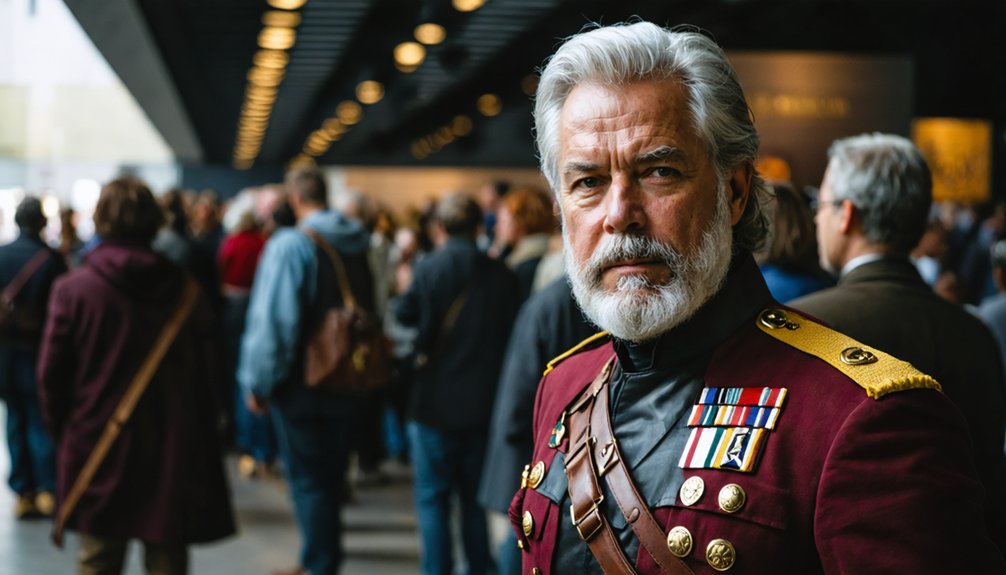
For veteran convention-goers seeking recognizable silhouettes without complex armor builds, classic science fiction heroes offer straightforward fabric-based construction. Tom Baker’s Fourth Doctor requires only a lengthy scarf, floppy hat, and existing wardrobe staples—boots, dress pants, jacket, vest, and white shirt.
This same foundation serves Peter Capaldi’s Twelfth Doctor with minimal modification. Star Trek captains provide commanding authority through uniform precision: Kirk’s gold command tunic pairs with rank insignia and communicator, while Picard’s Starfleet uniform emphasizes diplomatic gravitas.
Luke Skywalker’s tan Jedi robe and lightsaber prop create instantly recognizable geometry through flowing fabric. Joel from Mystery Science Theater 3000 leverages genre savvy experience, combining a red jumpsuit with checkerboard patches and gumball machine prop for cult series authenticity.
Fantasy Icons That Celebrate Craftsmanship Over Youth
Fantasy cosplay rewards the patience and precision that comes with years of crafting experience. You’ll find characters like battle-hardened veterans and battle-weary mercenaries perfectly suited to showcase advanced construction techniques. Viking warriors and medieval warlords demand substantial fabrication skills that younger cosplayers often haven’t developed.
Advanced Construction Techniques:
- Leatherworking and Metal Riveting – Viking chainmail requires authentic riveting methods and proper hide treatment for fur cloaks
- Armor Forging – Plate armor construction uses thermoplastic forming, weathering compounds, and structural reinforcement
- Fabric Draping – Medieval cloaks demand pattern manipulation, weight distribution calculations, and movement consideration
These fantasy archetypes celebrate your technical expertise. You’re creating museum-quality pieces that demonstrate decades of material knowledge, tool mastery, and engineering innovation that convention crowds genuinely respect.
Non-Gendered Characters That Welcome All Body Types
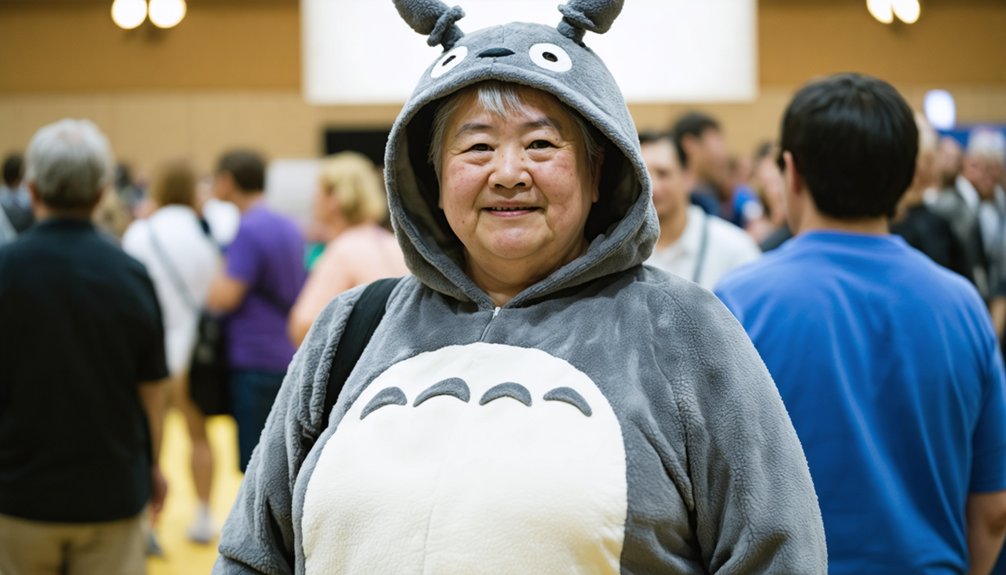
For muscular builds, Alex Louis Armstrong’s uniform transforms physique into character strength without requiring slim proportions. Aerith’s long robes serve tall, lanky frames through vertical line emphasis. Krem from Dragon Age offers trans masc representation with adaptable military wear.
Diverse physique representation thrives when you select characters where costume engineering—layering, structural support, strategic draping—supersedes body conformity. Tailoring techniques accommodate any frame, making comfort and construction quality your primary selection criteria rather than manufactured body standards.
Elegant Period Costumes Showcasing Advanced Sewing Skills
Period costumes elevate your craftsmanship through authentic construction techniques that demand precision hand-sewing and historical fabric knowledge. Elaborate historic garment fabrication requires mastering core pre-machine stitches—running stitch, backstitch, and whipstitch—while maintaining period-accurate stitches per inch for authenticity claims.
Authentic period costumes demand mastery of pre-machine hand-stitching techniques and historically accurate fabric selection to achieve true craftsmanship.
Advanced projects benefit from these intricate needlework techniques:
- Georgian Method lining: Flip under seam allowances and whipstitch for clean finishes faster than bag lining
- Victorian flat-lining: Bond fashion fabric with lining wrong-sides-together for structured bodices requiring boning
- Running-backstitch combination: Execute 6-10 running stitches with one backstitch for efficiency
You’ll find reconstructing history patterns provide graded sizing and construction notes, while strategic modern adaptations—like polyester substituting silk or polished cotton reducing velvet weight—balance authenticity with practicality without compromising visible period details.
Masked Characters That Shift Focus to Construction Quality
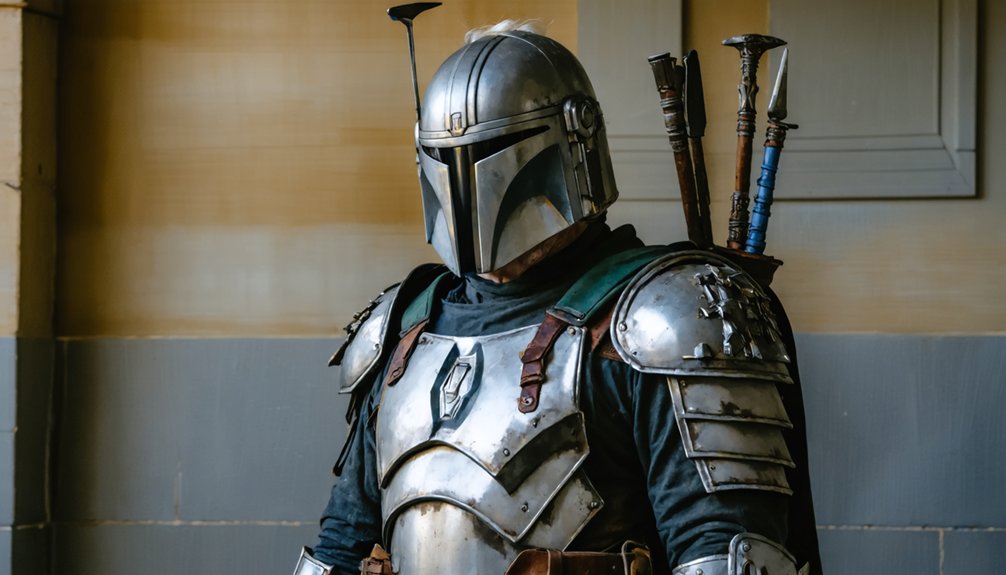
Masked characters let you redirect attention from facial features to your fabrication expertise, making them ideal choices when age concerns feel limiting. Full helmets constructed from EVA foam showcase your technical proficiency through clean beveled seams, precise heat-forming, and professional finishing techniques.
Your armor pieces and props become the focal points that define character recognition, allowing construction quality rather than physical attributes to carry the costume’s impact.
Helmets Hide Age Concerns
Premium construction choices include:
- 10mm low-density EVA foam for structural helmets (Full Face, SciFi, Viking designs)
- 5mm EVA foam for flexible cowls with Worbla compatibility
- Custom 3D-printed components ranging $7.50-$531.49 for specialized detailing
Your DIN-A4 or US letter printable patterns provide accessible entry points. Full-coverage designs like Clone Trooper helmets ($139.00) and Halo replicas shift attention from wearer age to craftsmanship quality—emphasizing material selection, seam precision, and paint application over facial features.
Armor Showcases Technical Skills
When full-body armor covers your frame, viewers critique seam alignment and foam density choices rather than the wearer beneath. High-density gray foam demonstrates superior structural integrity for pauldrons and chest plates, while UHD foam handles demanding load-bearing components. You’ll showcase technical mastery through 45-degree beveled seams that eliminate visible gaps. Strategic 10-20 degree angles on curved sections prove your understanding of biomechanical articulation and mobility requirements.
Heat-shaped elements reveal advanced construction knowledge—pre-forming foam before adhesive application, then refining post-assembly. Contact cement’s pliability guarantees joints withstand movement stress. Rotary tool detailing adds battle damage that reads authentically under convention lighting. Your patterning methodology—from clay sculpture to tape mockups—demonstrates iterative design thinking. Each layer thickness selection, from 10mm base structures to 2mm detail overlays, broadcasts expertise over aesthetics.
Props Define Character Recognition
- Thermoplastic shells – Worbla heated to flexibility hardens into rigid, crack-resistant surfaces
- Silicone composites – Power Mesh nylon embedded between layers prevents tears while maintaining flex
- 3D-printed PLA – Biodegradable plastic produces repeatable helmet geometries with minimal finishing
Apply rubber primer in multiple layers before airbrushing flexible surfaces. Velcro backed with rubber cement secures fitting without visible attachment points, keeping focus on your construction quality rather than the wearer.
Armored Designs That Highlight Painting and Weathering Expertise
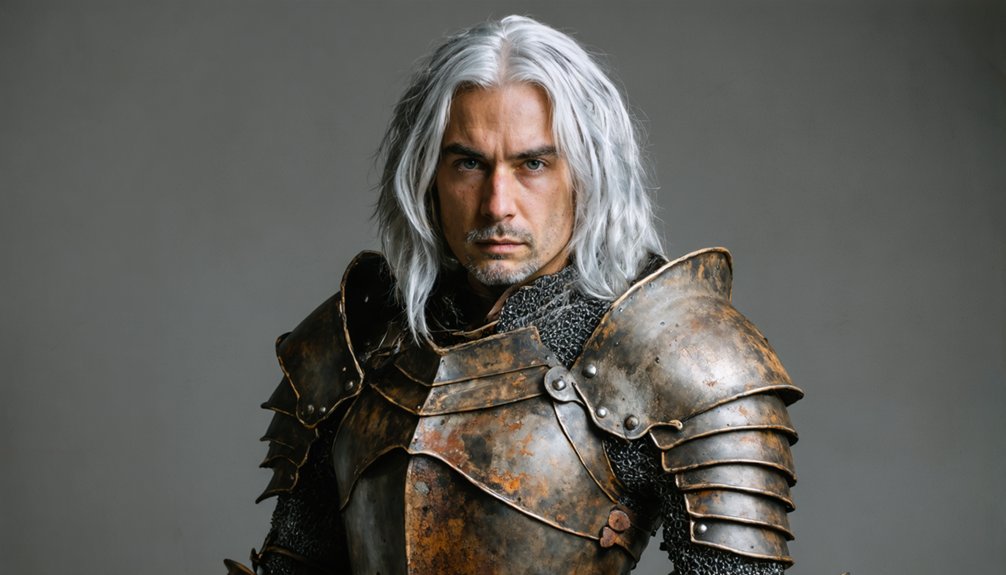
Armored cosplay designs offer mature crafters the perfect canvas to showcase advanced finishing techniques that transform basic builds into museum-quality pieces. You’ll employ cosplay enhancement techniques like washing with 1:5 water-to-acrylic ratios, flowing pigment into seams where battle damage naturally accumulates.
Dry brushing highlights raised edges with minimal paint load, creating authentic wear patterns that demonstrate visual storytelling through painting. Oil paints deliver superior blending for rust gradients, while airbrushed shadows establish dimensional depth in recessed areas.
Pre-weathering methods using salt or latex generate realistic chipping on edges before topcoat application. Powder pigments mixed with Mod Podge at 1:3 ratios permanently anchor dirt effects. These layered applications separate amateur builds from professional-grade armor that commands convention attention through technical mastery rather than youthful energy.
Supporting Characters Often Overlooked by Younger Cosplayers
You’ll find rich construction opportunities in mentor figures, wise elders, and ensemble characters whose costume details younger cosplayers often skip. These roles demand precise fabric aging techniques—controlled distressing, strategic fading, and weathering that reflects character history rather than generic wear patterns.
Supporting characters typically feature layered garments with distinct textiles: wool blends for formal mentors, linen for wizened advisors, leather work for seasoned villains requiring multiple finishing techniques per costume.
Mentor and Parental Roles
While younger cosplayers gravitate toward flashy protagonists in form-fitting bodysuits, you’ll find rich opportunities in the tailored suits, structured robes, and period-appropriate garments worn by mentor characters. These roles demand sophisticated construction techniques that showcase your decade-plus experience in the craft.
Parental modeling practices reveal strategic advantages:
- Structured Tailoring: Mentor costumes feature professional garments—blazers, waistcoats, academic robes—requiring advanced pattern drafting and interfacing techniques
- Period Construction: Historical mentors demand authentic fabric manipulation: boning, hand-finishing, and era-appropriate closures
- Character Depth: With 52.7% of cosplayers driven by fandom connection, supporting cast portrayals demonstrate narrative sophistication
Experienced cosplayer mentorship programs validate this approach—22% of practitioners hold professional arts backgrounds, positioning mentor roles as technically ambitious choices that leverage your construction expertise while expanding representation beyond youth-dominated protagonist selections.
Ensemble Cast Character Depth
Beyond mentor figures, ensemble casts contain dozens of technically sophisticated characters that younger cosplayers bypass in their pursuit of main protagonists. You’ll find ensemble depth provides construction challenges that showcase advanced pattern manipulation and specialized finishing techniques.
These supporting roles demand fabric-focused problem-solving: intricate armor detailing, period-accurate tailoring, or multi-material integration that demonstrates your decade-plus skillset.
Layered backstories translate directly into costume complexity. Secondary characters from ensemble narratives often feature weathered garments, occupational wear details, and era-specific construction methods that require technical knowledge younger makers haven’t developed.
Your experience enables accurate interpretation of subtle design elements—distressing techniques, proper interfacing applications, historically-informed draping—that distinguish professional-grade cosplay. Select characters whose costume complexity matches your fabrication expertise rather than competing for oversaturated protagonist attention.
Villains and Wise Elders
Villain cosplays demand specialized construction techniques that showcase intermediate-to-advanced fabrication skills younger cosplayers haven’t cultivated. Kingpin’s tailored white suit requires precise alterations, while Shredder’s armor demands metallic fabrication expertise. You’ll master complex layering systems—colonial jabots, detachable capes, muscle padding—that mystical mentor figures and cunning wisdom keepers embody.
These sophisticated builds offer technical challenges:
- Structural integration: Shredder’s attached boot covers and shin guards require reinforced seam construction
- Textile manipulation: Mad Hatter’s contrasting checkered patterns demand precise pattern matching
- Accessory engineering: Ringmaster’s hypnotic top hat and spiked gauntlets need balanced weight distribution
Other Mother’s soul-devouring aesthetic and Kingpin’s authoritative presence showcase mature themes. You’re constructing character depth through technical precision—transforming fabric, armor, and accessories into dimensional villain portrayals that younger cosplayers can’t replicate.
Group Cosplay Concepts for Multi-Generational Teams
When planning multi-generational cosplay teams, you’ll need to select character ensembles that accommodate varying construction skill levels while maintaining visual cohesion. Classic anime series like Sailor Moon or My Hero Academia offer versatile character rosters where experienced seamsters can tackle complex garment construction while novices manage simpler components.
Your multigenerational team dynamics benefit from assigning shared intergenerational responsibilities—veteran crafters handle structured bodices and tailored pieces, while younger members focus on armor fabrication or accessory details.
Coordinate fabric selections through thorough checklists, ensuring color consistency across skill levels. Consider charity-focused groups like the 501st Legion’s model, where collaborative construction projects unite varying expertise.
With 64% of makers attending three-plus conventions yearly, your team’s coordinated approach maximizes appearance opportunities while fostering technical knowledge transfer through joint crafting sessions.
Frequently Asked Questions
How Do I Handle Negative Comments About My Age at Conventions?
When dealing with ageist assumptions at conventions, you’ll confront discrimination politely by redirecting focus to your construction techniques and fabric choices. Showcase your pattern-drafting expertise and innovative finishing methods—let your technical precision demonstrate cosplay’s agelessness through superior craftsmanship.
What Fabric Choices Work Best for Older Bodies and Joint Mobility?
You’ll want breathable natural fabrics like cotton, bamboo, or modal paired with jersey knit for stretch. Incorporate adjustable design elements—elastic waistbands, snap closures, and spandex panels—ensuring your costume moves effortlessly while maintaining structured silhouette integrity.
Are There Cosplay Communities Specifically for Makers Over 40?
Verily, you’ll find CosplayOver40Community thrives on Instagram and Facebook. Senior cosplay groups actively combat ageism through skilled construction showcases. You’ll discover intergenerational cosplay events where experienced pattern-makers share technical innovations, proving expertise transcends arbitrary age boundaries in our craft-driven community.
How Can I Modify Costumes to Accommodate Medical Devices or Mobility Aids?
You’ll modify patterns using Frankensteining techniques to accommodate limited mobility—adding clearance panels around devices. Adapt for wheelchair users by shortening back hems, repositioning closures for seated access, and integrating elastic straps. Test mockups before final construction.
What Strategies Help Bridge the Generation Gap Between Younger and Older Cosplayers?
Establish intergenerational mentorship programs focused on technique-specific workshops—pattern drafting, fabric manipulation, armor construction. Foster age-diverse participation through collaborative build sessions where you’ll exchange digital fabrication methods with traditional hand-sewing expertise, creating bidirectional skill transfer.