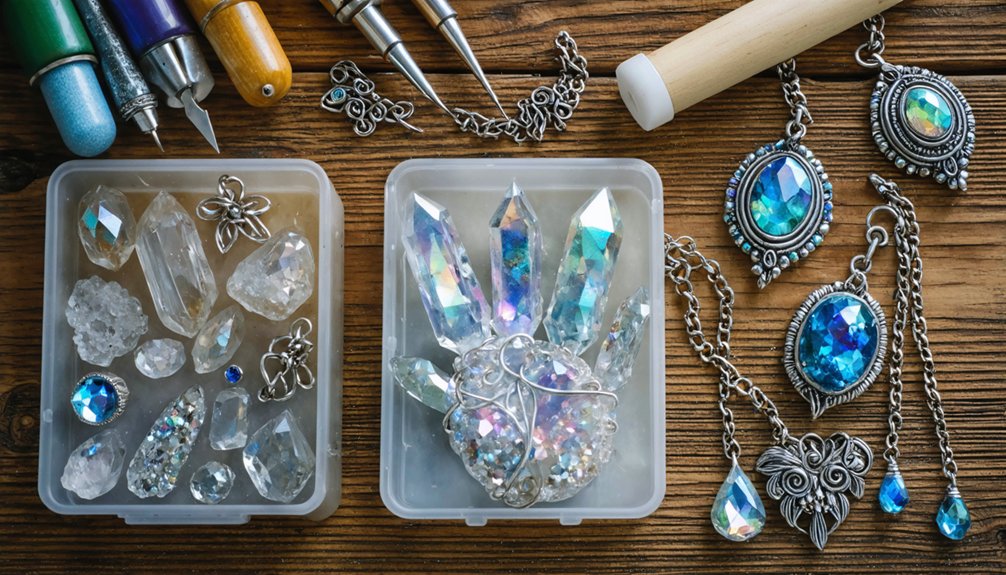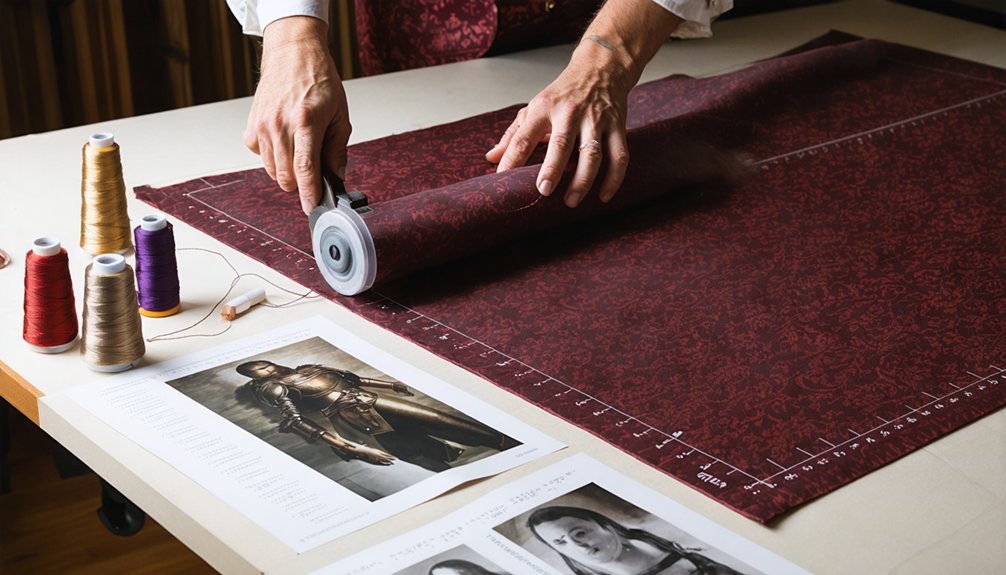
These headpiece designs stand out because they balance structure, wearability, and visual impact without compromise. You’re building with cardboard, tissue paper, and gaff tape to lock in shape and durability. You’re distributing weight symmetrically so nothing tilts or strains. You’re matching spiked Gothic silhouettes, iridescent mermaid curves, or LED-lit cyberpunk angles directly to character identity. Every material choice serves both form and function. Stick around to uncover exactly how each technique comes together.
Key Takeaways
- Cardboard and tissue paper foundations create lightweight, structurally sound headpieces that maintain shape while reducing strain during long convention wear.
- Theme-driven design choices ensure each headpiece authentically matches character archetypes through purposeful material, shape, and finish decisions.
- Budget-friendly materials like metallic paper and glitter replicate expensive finishes, maximizing visual sophistication without increasing costs.
- Symmetrical weight distribution and adjustable interior bands ensure comfort, stability, and balance throughout extended wear.
- Layered embellishments including rhinestones, LEDs, and metallic accents elevate visual impact while supporting diverse character aesthetics effectively.
Materials and Details That Define Standout Cosplay Headpiece Designs
When building a standout cosplay headpiece, your material choices determine everything from structural integrity to visual impact. You’ll want to start with cardboard bases for rigid form support, then build upward through deliberate decorative layering — clay textures, metallic papers, and raffia threads each serve distinct structural and aesthetic functions.
Smart material selection means pairing copper wire cores with braided rayon threads to cover internal frameworks while maintaining flexibility. Hot glue bonds mixed materials permanently, while gaff tape unifies peak-and-valley edge structures.
Don’t overlook surface-level details. Rhinestones, iridescent finishes, and LED accents transform technically sound builds into visually striking pieces.
Every layer you add should earn its place — contributing either to durability, comfort, or the precise aesthetic identity your character demands.
How Does Theme Shape the Best Cosplay Headpiece Designs?
When you’re building a cosplay headpiece, your chosen theme acts as a precise blueprint that dictates every material, shape, and finish you select.
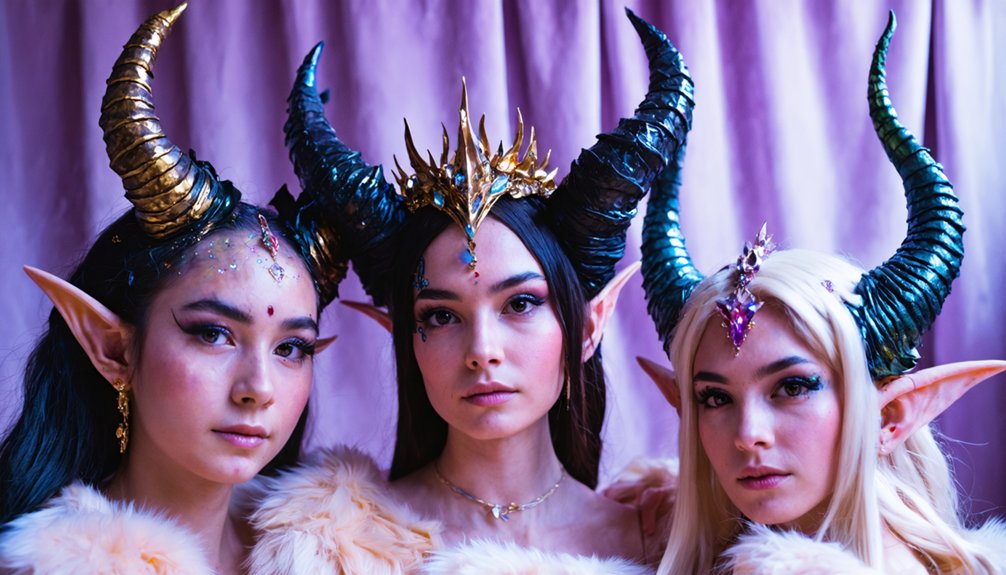
A Gothic villain demands spiked silhouettes and darkened metallic surfaces, while a mermaid character calls for organic curves with iridescent coatings that mimic underwater light.
You’ll find that locking your design decisions to a character’s aesthetic framework eliminates guesswork and produces a headpiece with intentional, cohesive visual impact.
Theme Drives Design Choices
The theme you select acts as the blueprint for every material, shape, and finish decision you’ll make throughout the build process.
Theme evolution pushes you beyond surface-level aesthetics, forcing deliberate material pairings that reinforce character identity. A Gothic villain demands spiked silhouettes and darkened finishes, while a mermaid concept calls for organic curves with iridescent coatings. You’re not just decorating—you’re engineering a visual language.
Design innovation emerges when you treat your theme as a structural constraint rather than a loose guideline.
Royal archetypes push you toward rhinestone settings and gold metalwork. Cyberpunk builds demand LED integration and angular wired accents. Each thematic choice eliminates irrelevant options, sharpening your creative focus and accelerating decision-making across materials, geometry, and surface treatments throughout the entire construction sequence.
Matching Aesthetics To Characters
Matching your headpiece’s aesthetic to a specific character transforms a generic costume accessory into an unmistakable identity marker. Your character style determines every material decision—spiked flame shapes and dark finishes achieve thematic consistency for villain archetypes, while iridescent organic forms deliver aesthetic alignment for mermaid or fairy builds.
You’re fundamentally engineering narrative expression through structured form. Color symbolism amplifies character essence when you select gold rhinestone settings for royal figures or LED-wired metallics for cyberpunk personas.
Each design interpretation must prioritize visual harmony between headpiece construction and the character’s established iconography. Crescent moons, wings, or unconventional silhouettes push aesthetic alignment further by reinforcing character mythology directly through shape.
When your materials, colors, and forms operate cohesively, the headpiece communicates character identity before the wearer speaks.
The Best Cosplay Headpiece Designs by Character Archetype
Choosing the right headpiece design for your character archetype can make or break your cosplay’s visual authenticity. Different character archetypes demand distinct design variations that communicate identity instantly.
For royal archetypes, you’ll want gold or silver settings with rhinestone detailing to project regal authority.
Gothic and villain characters benefit from spiked, flame-shaped constructions built over rigid cardboard frameworks.
Mermaid and fairy archetypes demand organic, flowing forms finished with iridescent coatings.
Cyberpunk characters require LED integration and metallic wire accents that signal technological sophistication.
Each archetype’s design variations should align structurally and aesthetically.
Use copper wire cores for intricate villain silhouettes, braided rayon threads for ethereal fairy crowns, and weighted cardboard bases for elaborate royal headpieces.
Matching materials to archetype guarantees both visual impact and structural reliability.
Sculpting, Layering, and Finishing Techniques for Complex Builds
Sculpting complex cosplay headpieces demands a systematic layering approach that balances structural integrity with surface refinement.
You’ll start with cardboard fitted to your head contours, establishing both comfort engineering and foundational rigidity. Apply gaff tape along peak and valley edges to unify your framework before introducing clay layers up to 0.25 inches thick for texture and mass.
Your sculpting techniques should incorporate copper wire cores that maintain intricate details without collapse. Fuse clay seams with water to achieve seamless shifts across layered methods.
Wrap rough edges by tapering clay carefully, preventing material separation. For finishing touches, braid rayon threads around exposed wire structures, then add reflective metallic elements that amplify ambient light.
Every deliberate layer you build multiplies both visual complexity and structural confidence.
Best Cosplay Headpiece Designs You Can Build on a Tight Budget
You don’t need an expensive supply list to build a headpiece that commands attention on the convention floor—cardboard, tissue paper, and masking tape form surprisingly rigid and lightweight structural foundations that rival pricier alternatives.
Layer metallic paper circles over polyester batting to mimic sequins and rhinestones, or stretch embroidery floss across a plastic base tiara to create intricate woven patterns at a fraction of boutique material costs.
Once you’ve locked in your low-cost structure, puffy paint, glitter, and strategically placed fishing line for hanging accents transform even the simplest build into a visually striking, wearable art piece.
Affordable Materials, Maximum Impact
Building a standout cosplay headpiece doesn’t require an expensive budget—cardboard, tissue paper, and masking tape form a surprisingly strong structural foundation that rivals pricier alternatives. You can layer polyester batting for cushioned support while metallic paper circles replicate the shimmer of costly sequins, delivering impactful designs without financial strain.
Push your creativity further by incorporating fishing line for suspended dimensional details and embroidery floss for intricate color-layered accents. These affordable materials punch well above their price point when combined strategically.
A plastic base tiara gives you an instant customizable platform—add glitter, puffy paint, or braided rayon threads to transform it entirely. Every material choice compounds visually, meaning smart layering and surface treatment convert budget components into sophisticated, competition-worthy headpieces that genuinely impress.
Low-Cost Structural Foundations
When crafting a cosplay headpiece on a tight budget, cardboard serves as your most powerful structural ally—its rigidity supports large-form designs while remaining lightweight enough to wear comfortably for extended periods.
Cardboard advantages extend beyond simple framing; you can contour sheets directly to your head’s geometry, then reinforce peak-and-valley edges with gaff tape, creating unified frameworks that rival expensive alternatives.
Layer tissue paper applications over your cardboard base to build surface complexity without adding significant mass. Wet tissue paper conforms to irregular shapes, dries stiff, and accepts paint or metallic finishes exceptionally well.
You’ll achieve textured, visually dynamic surfaces that photograph brilliantly under event lighting. Together, these two materials establish a foundation capable of supporting clay details, rhinestone embellishments, or LED integrations without compromising structural integrity.
Budget-Friendly Decorative Techniques
Four budget-friendly decorative techniques can transform your cardboard-and-tissue foundation into a visually striking headpiece without draining your wallet.
First, apply metallic paper circles strategically across your structure—they mimic expensive sequins with remarkable accuracy.
Second, combine glitter and puffy paint to create dimensional surface textures that catch ambient light dynamically.
Third, use fishing line and embroidery floss to suspend lightweight hanging details, adding movement without structural compromise.
Fourth, integrate rayon embroidery threads braided around wire cores, producing reflective surfaces that elevate perceived craftsmanship considerably.
These creative techniques maximize visual impact while keeping budget materials central to your process.
Each method targets specific aesthetic outcomes—shimmer, dimension, movement, and texture—letting you engineer professional-grade results.
How to Keep Your Headpiece Lightweight, Balanced, and Wearable

Crafting a headpiece that stays put throughout a long convention day demands smart material choices and deliberate weight management from the very start. You’ll want to prioritize lightweight materials like cardboard and tissue paper over dense alternatives, since every ounce compounds strain across hours of wear.
Incorporate balanced designs by distributing heavier decorative elements symmetrically, preventing lateral tilting that disrupts your silhouette and comfort simultaneously.
Engineer your base by fitting cardboard contours precisely to your head shape, eliminating uncomfortable pressure points. Use adjustable interior bands lined with soft padding to accommodate different head sizes without sacrificing stability.
When adding clay accents, keep layers under 0.25 inches and concentrate detail work toward the headpiece’s center mass. Ventilation gaps between structural layers additionally prevent overheating during extended convention floor navigation.
Frequently Asked Questions
How Long Does a Typical Cosplay Headpiece Take to Complete?
You’ll typically spend 5–20 hours completing a cosplay headpiece, depending on your time management and material selection. Complex sculpting with clay or LEDs demands more effort, while simple cardboard-and-glitter builds accelerate your creative process considerably.
Can Cosplay Headpieces Withstand Outdoor Weather Conditions Effectively?
You’ll find that weather resistant materials like copper wire, clay, and hot glue enhance outdoor durability. They protect, they endure, they perform—keeping your headpiece structurally intact against moisture, wind, and temperature fluctuations during any outdoor cosplay event.
How Do You Safely Store Finished Cosplay Headpieces Between Uses?
Store your finished headpieces in acid-free boxes using proper storage materials like tissue paper padding. Follow these maintenance tips: keep them dust-free, avoid humidity, and you’ll preserve structural integrity, extending each piece’s innovative lifespan considerably.
What Age Groups Can Successfully Build Their Own Cosplay Headpieces?
You’ll find that kids aged 8+ can master beginner techniques using cardboard and glue, while teens and adults tackle advanced materials like copper wire and clay, enabling every skill level to craft innovative, personalized headpieces.
Are Cosplay Headpieces Allowed at All Conventions and Events?
You’ll find that cosplay guidelines and event policies vary widely across conventions. Always check each venue’s rules before building, as some restrict prop heights, sharp edges, or materials that could compromise safety or crowd navigation.
References
- https://www.lacarlamasks.co.za/cosplay-masks/cosplay-headpieces.php
- https://www.cgtrader.com/3d-models/headpiece
- https://otherworldfashion.com/collections/fantasy-headpieces-crowns
- https://cosplaysupplies.com/collections/hats-headpieces
- https://www.youtube.com/watch?v=oCQPM2F9vqg
- https://diy.allwomenstalk.com/diy-halloween-headpieces-to-make/
- https://similarlists.com/vetted/best-costume-accessories-for-cosplay/
- https://www.holidaysmart.com/articles/18-diy-halloween-headpieces
- https://www.deviantart.com/tag/headpieces
- http://www.elucidationimages.com/kasab/pages/cosplay/Headpieces.html