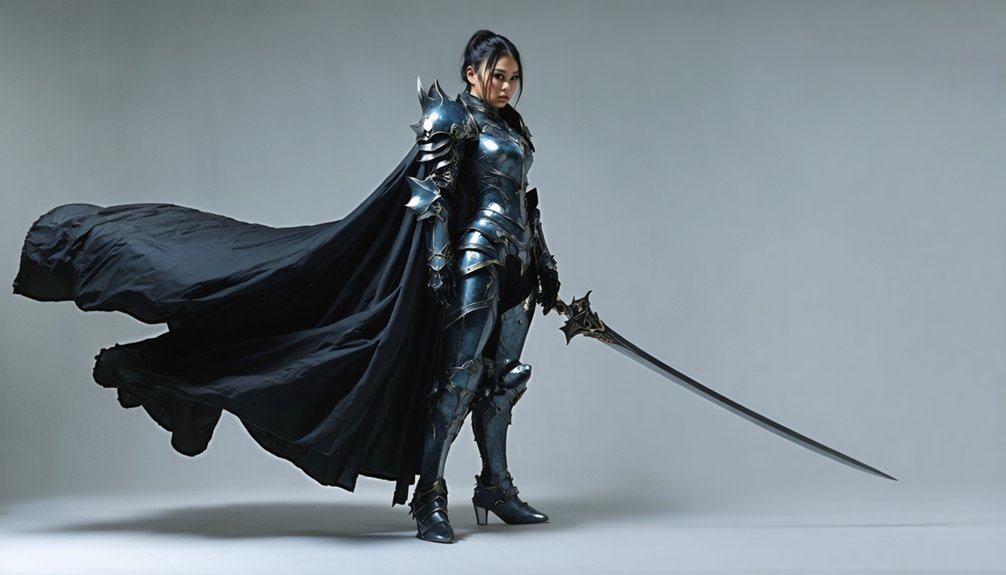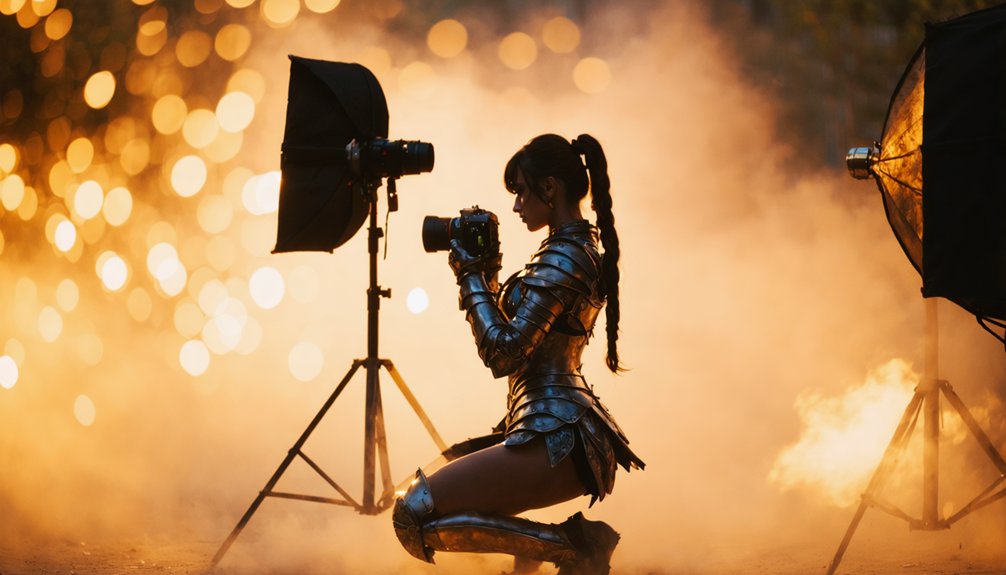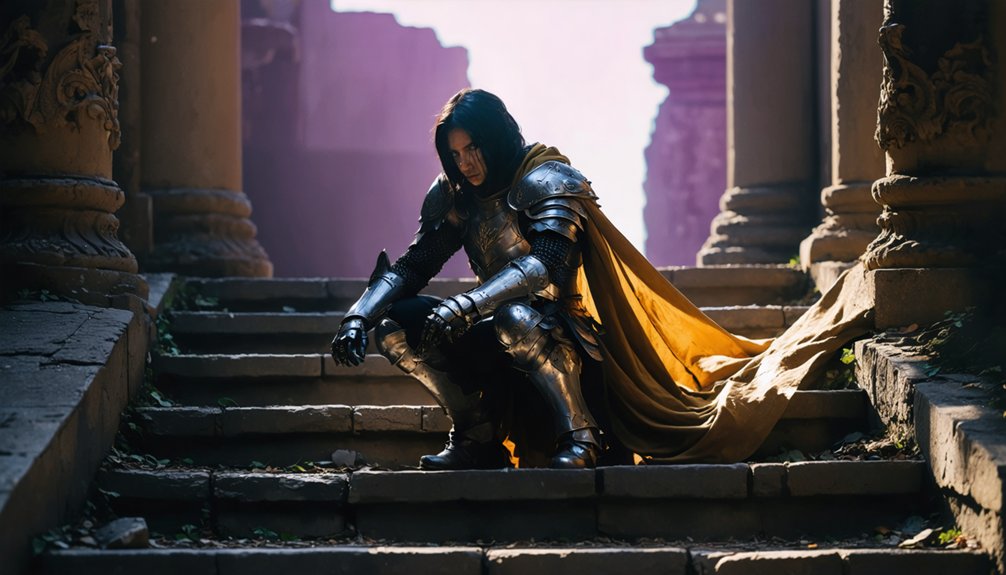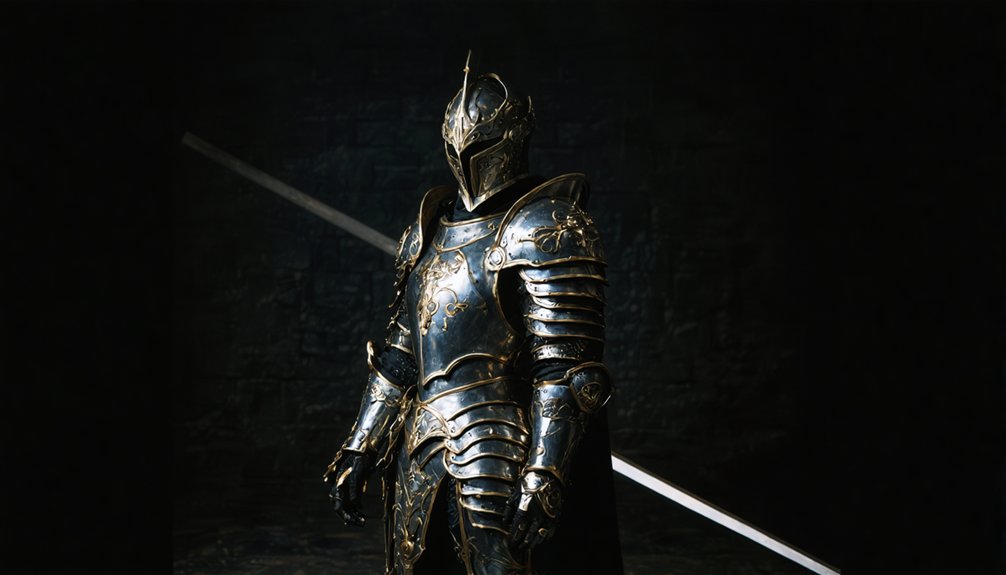
Proper lighting is essential for cosplay photography because it determines whether your costume’s intricate details actually show up on camera. Without it, embroidery, armor textures, and fabric work flatten into indistinguishable surfaces. Poor color temperature distorts accuracy, while overexposure erases surface detail and underexposure buries it in shadow. You need directional light to create micro-shadows that add depth and dimension. Master these techniques, and you’ll reveal the full visual potential of every shoot.
Key Takeaways
- Proper lighting highlights intricate costume details like embroidery, armor, and fabric textures, preventing them from appearing flat or indistinguishable.
- Inadequate lighting compromises color accuracy and conceals fine detailing through overexposed highlights or underexposed shadows.
- Natural light conditions like golden hour or cloudy days provide soft, even illumination that enhances costume depth.
- Artificial tools like softboxes, LED panels, and reflectors offer precise control over light quality and contrast.
- Matching color temperature and lighting style to a character’s mood ensures visual fidelity to the original design.
How Lighting Reveals Cosplay Costume Details and Textures
Lighting serves as the foundation of cosplay photography, directly determining how well a costume’s intricate details translate on camera. When you apply strategic lighting techniques, embroidery, armor plating, and fabric weaves become visually sharp and compelling.
Without adequate illumination, those fine elements collapse into flat, indistinguishable surfaces that undermine your costume’s craftsmanship.
You’ll want directional light positioned to rake across costume textures, creating micro-shadows that reveal depth and dimension. Side lighting particularly excels at emphasizing raised surfaces, stitching patterns, and layered materials.
Insufficient light doesn’t just darken your image—it actively degrades perceived quality, making professional-grade costumes appear sloppy.
Proper lighting guarantees your subject matches the visual fidelity of the original source material, delivering photographs that authentically represent the character you’ve worked hard to recreate.
How Bad Lighting Kills Costume Detail and Color Accuracy
While strategic lighting elevates costume detail, poor lighting dismantles it entirely. When you shoot under insufficient or uncontrolled light, embroidery, texture, and armor definition collapse into flat, indistinct surfaces. You lose costume clarity before the shutter even clicks.
Color accuracy suffers equally. Improper color temperature shifts fabric hues away from the original character design, making deliberate costume choices appear unintentional or sloppy. Overexposed highlights burn out intricate surface work, while underexposed shadows bury fine detailing completely.
Improper color temperature doesn’t just shift hues—it erases the intentionality behind every deliberate costume choice.
You can’t recover what wasn’t captured. That’s why mastering lighting techniques isn’t optional—it’s foundational.
Whether you’re managing harsh midday sun or artificial flash, controlling your light source directly determines whether your costume reads as polished craftsmanship or an unfocused, color-distorted disappointment.
Best Natural Light Conditions for Cosplay Photography
Natural light gives you a significant advantage in cosplay photography—but only when you shoot at the right time.
Mastering outdoor photography means leveraging specific conditions to maximize costume accuracy and depth.
Prioritize these natural lighting techniques:
- Golden hour – Shoot just after sunrise or before sunset for soft, directional light that enhances texture and warmth.
- Shaded areas – Position yourself under trees or overhangs during midday to diffuse harsh natural sunlight evenly.
- Cloudy days – Overcast skies act as a giant softbox, delivering uniform illumination without blown highlights.
- Avoid direct noon sun – Overhead light creates unflattering shadows that distort facial features and costume proportions.
Each condition serves a distinct purpose, so you’ll want to match your chosen setting intentionally to your character’s visual tone.
Artificial Light Tools That Elevate Your Cosplay Shots
When outdoor conditions aren’t cooperating—or your character demands a controlled, studio-level aesthetic—artificial lighting tools give you the precision that nature simply can’t provide.
LED panels with adjustable color temperatures let you dial in the exact mood your character requires, whether you’re emphasizing a hero’s vibrancy or a villain’s shadows. Strategic light placement determines how texture, embroidery, and armor details register on camera—poorly positioned lights flatten dimension instantly.
Softboxes and umbrellas function as essential light modifiers, diffusing harsh beams into flattering, even illumination that preserves facial clarity. Reflectors assist with contrast control by lifting unwanted shadows without introducing competing light sources.
Bouncing flash off neutral surfaces further softens output, eliminating the blown-out “flashbang” effect. Together, these tools transform technical limitations into deliberate, character-accurate visual storytelling.
How to Use Color and Light to Match Your Character’s Mood
Color temperature and mood enhancement transform a technically competent shot into a narratively compelling one.
Matching light to your character’s emotional context elevates authenticity beyond costume accuracy alone.
Apply these four strategies:
- Set color temperature precisely — warm tones (2700K–3500K) suit heroic or fantasy characters; cool tones (5500K–7000K) reinforce futuristic or villainous aesthetics.
- Use colored gels strategically — orange gels simulate sunset environments; blue gels establish nocturnal or supernatural atmospheres.
- Choose high-key lighting for whimsical or heroic characters, maintaining vibrant, clean exposure throughout the frame.
- Deploy low-key lighting for dark, mysterious, or antagonist characters, deepening shadows to reinforce dramatic tension.
Your lighting decisions must communicate the character’s narrative — not just illuminate the costume.
Frequently Asked Questions
What Camera Settings Work Best for Nighttime Cosplay Photography?
For nighttime cosplay photography, you’ll want a low ISO to reduce grain, a wide aperture, and a slow shutter speed on a tripod to capture nighttime ambiance while sculpting creative shadows with precision.
How Do Tripods Improve Cosplay Photo Quality During Low-Light Shoots?
Imagine shooting a dark forest scene—without tripod stability, you’d get blurry shots. Tripods lock your camera steady, maximizing low light performance by enabling slow shutter speeds that capture sharp, noise-free detail in every intricate costume element.
Can Reviewing Test Shots Immediately Improve Overall Cosplay Photography Results?
Yes, reviewing test shots immediately transforms your results. Through test shot analysis, you’ll gain immediate feedback on exposure, lighting angles, and composition, letting you adjust settings precisely before committing to your final cosplay photography session.
How Does ISO Level Affect Image Sharpness in Cosplay Photos?
When you lower your ISO sensitivity, you’ll reduce grain, boosting image clarity substantially. High ISO degrades sharpness through noise, so prioritize noise reduction and optimize lighting for stronger low light performance in your cosplay shots.
What Technical Flaws Does Proper Lighting Prevent in Cosplay Photography?
Like Goldilocks seeking perfection, proper lighting helps you prevent overexposure, underexposure, color balance shifts, and lost shadow detail, ensuring your cosplay photos achieve technically flawless, sharp, vibrant results that authentically honor your character’s original design.
References
- https://snapshot.canon-asia.com/article/eng/cosplay-photography-techniques-2-fundamentals-of-lighting
- https://rogersenpai.com/cosplay-photography-lighting/
- https://www.colborlight.com/blogs/articles/guide-to-set-up-cosplay-photography-lighting
- https://www.lyricalvillaincosplay.com/post/cosplay-photography-101
- https://cosplay.com/archive/thread/2o0ovz/lighting-basics
- https://starstruckpanda.com/professional-cosplay-photography-lighting-techniques/
- https://www.mmoday.com/how-to-use-lighting-and-photography-to-enhance-your-cosplay-shots/
- https://www.reddit.com/r/cosplay/comments/ohg9aq/help_tips_on_cosplay_photography_lighting/
- https://www.glitteringmoonlight.com/blogging-center/how-to-photograph-fantasy-costumes-for-cosplayers-and-those-who-love-cosplay/
- http://sewyourcosplay.com/photographing-cosplay-at-any-skill-level-with-any-camera-part-2/