You’ll create immersive sci-fi LARP costumes by layering weatherproof base garments like linen tunics with modular armor pieces crafted from EVA foam and sintra board. Add LED strips to breastplates and EL wire along tunic seams for technology-infused effects. Build safe boffer weapons using PVC pipes and foam noodles, then enhance details with circuit-board pendants and fiber optic threading. Combine leather bodysuits with tactical leg armor and custom robotic components using metal parts and cable ties. The sections below break down specific character archetypes and construction techniques you’ll need.
Key Takeaways
- Layer fantasy armor with LED strips and fiber optics to create technology-infused mystical warrior costumes for sci-fi LARP events.
- Adapt weatherproof vintage pieces like rodeo jackets and leather holsters for rugged space outlaw character aesthetics.
- Build cyborg costumes using form-fitting bodysuits, repurposed sports protectors, and LED-lined visors for augmented human designs.
- Create modular scientist uniforms with detachable tool belts, magnetic panels, and craft foam armor for futuristic settings.
- Construct safe props using EVA foam, PVC pipes, glow sticks, and LEDs for blasters, staves, and accessories.
Mystical Warrior Costumes: Blending Magic and Technology

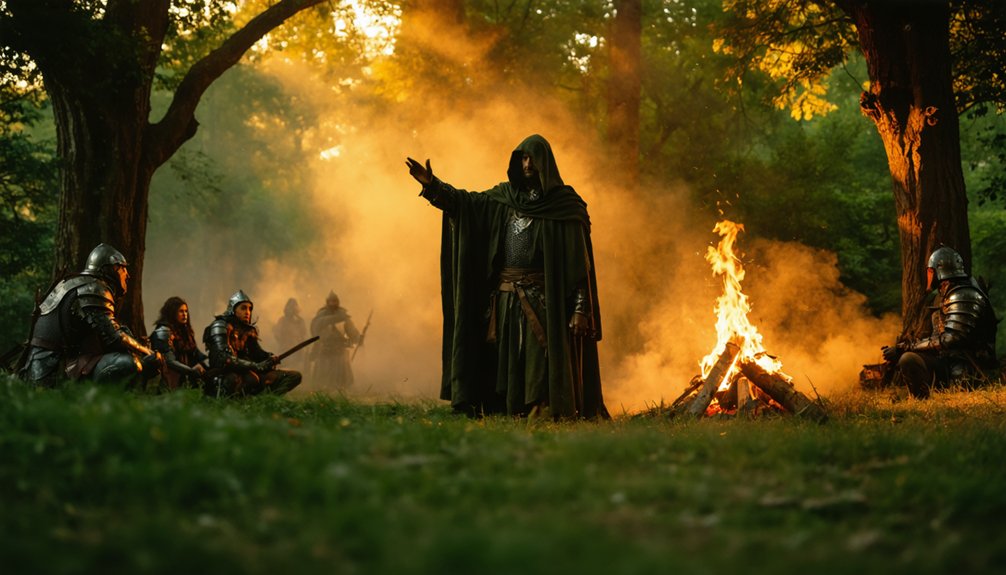
Creating a mystical warrior costume calls for strategic layering of materials that bridge fantasy and futuristic elements. Start with Epic Armoury’s D&D Paladin Vest in Gray as your base, then add a metallic corseted breastplate featuring LED strips for technology infused armor effects.
Strategic costume layering merges medieval fantasy with cyberpunk aesthetics through thoughtful material selection and LED integration.
Layer the D&D Paladin Hooded Tunic underneath, incorporating EL wire along seams to simulate magical enchantments. Integrate tactical leg armor over leather skirt pieces, drilling small holes for fiber optic threading.
Modify traditional LARP accessories—transform bone necklaces into circuit-board pendants and embed micro LEDs into circlets. Your weapon selection matters: retrofit staves with translucent tubes containing glow sticks, or wrap sword hilts with conductive tape strips.
Combine forest-inspired embroidery with reflective fabrics, creating dimensional contrast between organic patterns and synthetic materials.
Space Outlaw and Rogue Characters for LARP Adventures
You’ll need weatherproof base layers like linen tunics ($79-$379) and waterproof coats to establish your outlaw foundation before adding character-defining pieces.
Black leather cowboy boots ($330) and vintage rodeo jackets ($242) deliver the rugged aesthetic that separates space rogues from polished fleet officers.
Leather flintlock holsters ($31) adapt perfectly for sci-fi blasters, while textile belts double as emergency rope and small pouches conceal your contraband props during gameplay.
Iconic Space Pirate Elements
Space pirates blend traditional swashbuckler aesthetics with futuristic materials to create rogues who’ve traded wooden ships for starships. Start with vintage naval influences—ruffled shirts and embroidered coats—then upgrade them using metallic fabrics and LED-trimmed vests. Your tri-corner hat becomes a command interface when you add micro-electronics beneath black felt.
Layer strategically: combine sleeveless hooded vests over tech-enhanced shirts with integrated comms. Replace leather belts with utility versions featuring modular pouches for “treasure” and equipment. Craft pirate themed accessories like compass props that double as navigation devices, or transform basic eye patches into cybernetic scanner overlays using reflective materials.
Finish with practical details: boots with reinforced soles, bandanas in metallic weaves, and jewelry incorporating fiber optics. Multiple stacked belts create visual depth while providing mounting points for your gear.
Blasters and Outlaw Props
When outfitting your rogue character, blasters serve as your primary statement piece—equal parts weapon and visual identity. Construct safe boffer versions using PVC pipes, foam noodles, and duct tape, then customize with colored tape matching your character backstories. Foam sheets and cardboard create detailed barrels and grips that withstand physical combat.
Your holster completes the ensemble. Adapt leather flintlock pistol holsters with lace-up elements for authentic outlaw aesthetics. Handmade sheep leather options, padded for comfort, accommodate various blaster sizes. Add skull bootstraps and distressed accents through prop customization techniques.
Layer chrome tan leather patches on tunics, creating duster-style overjackets by cutting sleeves and adding front flaps. Integrate lace-up knee-high boots as secondary holsters. Distress wool fedoras with leather bandanas, and utilize waterproof coats with textile belts for practical, weather-resistant rogue kits.
Cyborg and Augmented Human Costume Designs
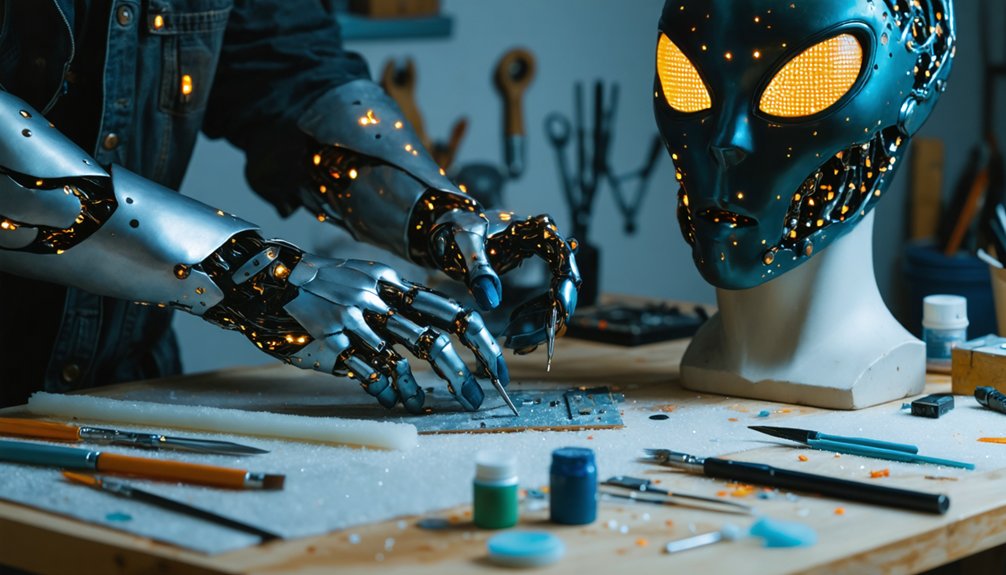
Cyborg and augmented human costumes transform standard LARP gear into biomechanical masterpieces through strategic layering and mechanical embellishments. Start with form-fitting black leather bodysuits as your foundation, then add custom-built robotic arms using metal parts and cable ties.
Convert salvaged sports protectors into shoulder pads that suggest full body exosuit designs. Tactical corsets paired with armored boots create warrior silhouettes balancing femininity with combat functionality.
For enhanced perception augmentations, integrate LED-lined visors or mechanical monocles that signal advanced sensory systems. Apply gears, brass details, and repurposed watch components to build recognizable high-tech aesthetics. Transform everyday objects into believable cyborg accessories through strategic paint application and mechanical attachments.
Source materials from flea markets to maintain budget-conscious construction while achieving authentic biomechanical integration.
Custom Scientist and Engineer Uniforms for Futuristic Settings
You’ll want to build your scientist or engineer uniform around modular components that can be swapped between characters or scenarios—think detachable tool belts, magnetic badge panels, and velcro-mounted utility pouches.
Focus on genre-specific details like hard-shell shoulder pads with embedded LED strips for cyberpunk medics, or weathered canvas lab coats with functional specimen pockets for post-apocalyptic researchers.
Select fabrics that balance authenticity with durability: ripstop nylon mimics technical workwear while withstanding outdoor LARP conditions better than cotton blends.
Modular Design Elements
Modular costume systems transform three thrift store base pieces—a button-down shirt, cargo pants, and a utility vest—into multiple character configurations through removable components. You’ll attach craft foam shoulder plates with hot glue to create reconfigurable body armor that detaches between events.
EVA floor mats become interchangeable gear modules: engineer tool panels for technical roles or scientist data pads for research characters. Secure these modules with E6000 adhesive to magnetic mounting strips sewn into your vest.
Apply Design Master spray paint in your faction’s color scheme—metallic blue for scientists, reflective orange for engineers—maintaining visual consistency across separate components. This system lets you portray multiple roles within one event by swapping gear modules in under five minutes, maximizing your character versatility.
Genre-Specific Technical Details
Authentic futuristic uniforms for scientist and engineer characters require layering systems that reference actual space suit technology rather than Hollywood simplifications. Your costume should incorporate purpose-driven elements that suggest maintaining thermal regulation systems and repairing damaged space suits as daily responsibilities.
Build credible technical uniforms using these principles:
- Inner layer mock-ups using moisture-wicking fabrics that simulate smart material properties
- Water containment pockets between layers suggesting radiation shielding capabilities
- Profession-specific patches and icons indicating engineering specializations
- Modular attachments allowing quick adaptation from habitat wear to external mission gear
Focus on advanced materials that balance lightness with durability. Avoid bulky aesthetics unless they serve clear survival functions. Stock vector resources provide professional iconography for specialty badges and departmental identifiers.
Essential Props and Accessories for Sci-Fi LARP Immersion
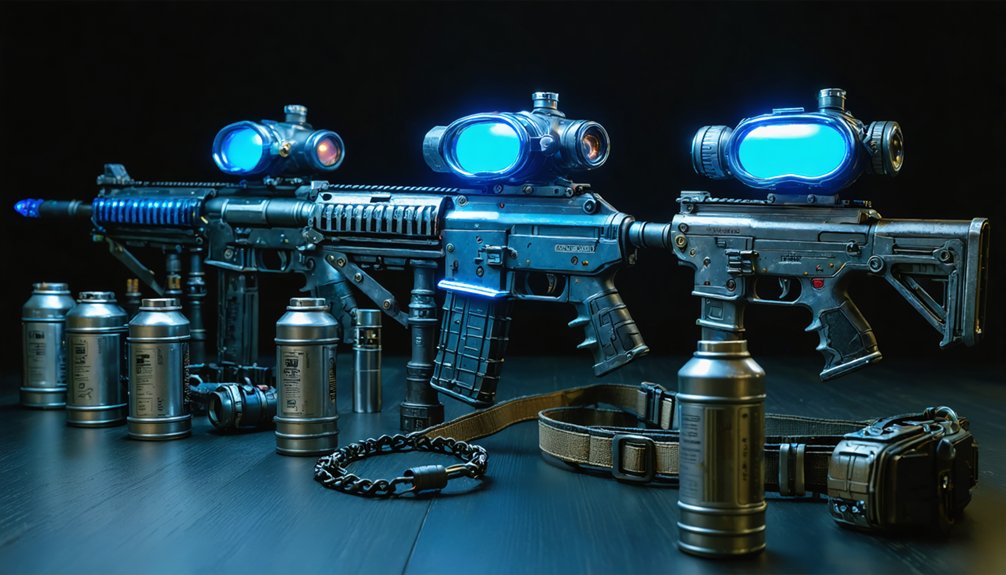
While your costume forms the foundation of your sci-fi LARP character, props and accessories transform that foundation into a fully realized presence on the field. Modular armor configurations using EVA foam, 3D prints, and sintra board create adaptable protection systems—from repainted Stormtrooper pieces to custom leather builds with reinforced stress points. The Illumine series offers professional-grade options, including cuirasses starting at €227.
LARP-safe weapons from Dead Badger Designs feature latex-coated foam with realistic grips and rigorous safety testing. Galactic explorer accessories complete your loadout: camping lanterns for practical lighting, touchscreen-compatible leather gloves for functionality, and satchels for carrying essentials. Add greebles to non-sci-fi elements for thematic cohesion, while contact lenses (three-month lifespan) and professional wigs define character authenticity without compromising field performance.
Working With Leather, Vinyl, and Technical Fabrics
Material choice separates functional sci-fi LARP costumes from field failures. You’ll need specialty leather treatments like wire brushing suede to achieve worn cyberpunk aesthetics without compromising integrity. Punch holes with an awl through multiple layers, securing patches by fishing thread through and knotting tightly. Combine leather colors in asymmetrical patterns for visual depth.
Transform basic materials into immersive sci-fi gear:
- Layer translucent vinyl with technical fabrics for water-resistant modular lab coats
- Apply metallic synthetics for sleek cyberpunk lines with embroidered futuristic textures
- Upgrade leather jackets with cable ties and metal parts for post-apocalyptic realism
- Integrate wool, denim, and linen for hybrid padded armor pieces
Use reusable mock up materials—trace slopers on sturdy paper, pin vinyl side seams, and adjust fit before committing to final fabrics.
DIY Techniques for Creating Realistic Weapons and Gadgets
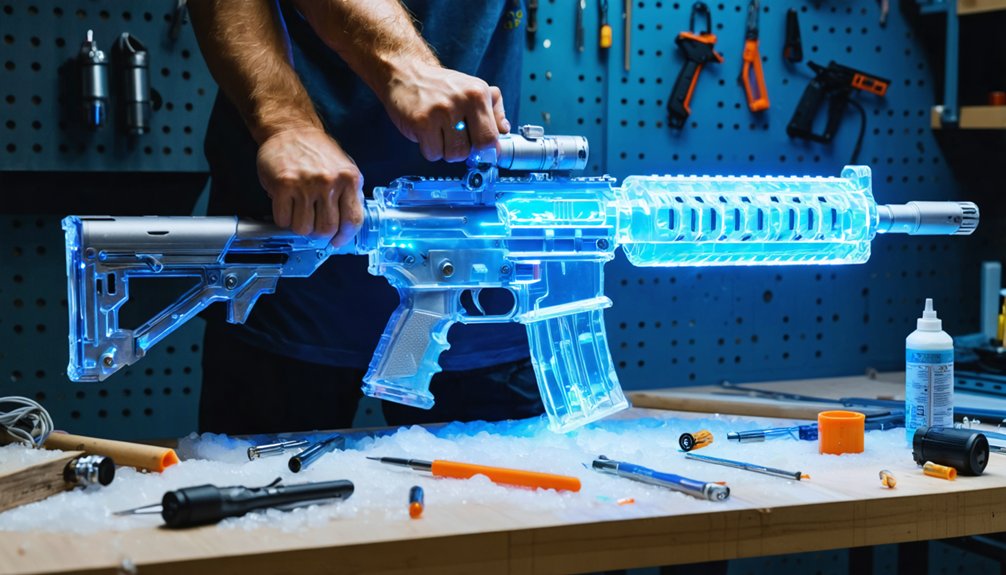
Your costume fabric work means nothing if your weapons look like painted foam from across the field. Transform dollar store plastic toys and disassembled pens into intergalactic smugglers’ equipment by layering metallic spray paint, then distressing with paper towel-applied silver for scraped chrome effects.
Build astromech repair kits from vintage console parts—those intentionally sculpted shapes read as authentic tech without recognition. Glue pre-fabricated components onto acrylic tube frameworks, adding 3D-printed modular pieces for reusable detailing across projects. Laser engrave panel lines directly onto surfaces for high-tech depth.
Weather everything through progressive paint chipping to simulate field use. Design script-specific elements like fuel gauges using simple rectangular printed guides with V-slots for precise drilling alignment. Assembly takes 10-20 minutes once components are organized by compatible shapes and matching pairs.
Building Character-Specific Details: From Amulets to Robotic Limbs
Character-defining pieces separate memorable LARP personas from generic background extras. You’ll need strategic accessory integration to establish your character’s narrative depth. Robotic implants demand multi-layered construction—combine leather padding with translucent vinyl components for authentic cybernetic aesthetics. Genetically enhanced warriors require tactical armbands and reinforced shoulder padding that communicates physical superiority.
Build specificity through removable attachments:
- Custom amulets establish faction allegiance and mystical capabilities
- Prosthetic limbs using denim and leather create convincing cyberpunk modifications
- Specialized weapons with whips or technical equipment define combat expertise
- Asymmetrical armor panels suggest experimental augmentation and character backstory
Strategic padding placement transforms basic costumes into distinctive personas. You’ll achieve visual complexity through layered fabric combinations—wool provides structure while vinyl adds futuristic functionality. Each custom-made component strengthens character authenticity and event immersion.
Frequently Asked Questions
How Do I Weatherproof My Sci-Fi LARP Costume for Outdoor Events?
You’ll weatherproof your sci-fi LARP costume by selecting durable waterproof materials like treated synthetics and sealed seams. Layer weather-resistant costume designs with moisture-wicking bases, use closed-cell foam for props, and apply fabric sealants to exposed areas before events.
What’s the Best Way to Store and Transport Delicate Costume Props?
Picture your intricate props nestled safely inside rigid storage containers lined with custom-cut foam. You’ll want protective travel cases with shock-absorbing interiors for transport—they’re game-changers. Label everything systematically, and your delicate pieces survive countless events unscathed.
How Can I Make My Costume Breathable for Long LARP Sessions?
Choose breathable natural fibers like cotton, linen, or ramie for your fabric selection. Prioritize temperature regulation through layering—add removable elements and modular pieces. Avoid polyester and synthetics that trap heat. Strong construction with ventilation panels maximizes comfort during extended sessions.
Are There Budget-Friendly Alternatives to Expensive Costume Materials?
Like alchemists transforming lead into gold, you’ll discover thrift store alternatives and recycled materials become stellar sci-fi pieces. Cardboard boxes morph into futuristic armor, old electronics transform into props, while fabric scraps create innovative textures affordably.
How Do I Repair Costume Damage During Multi-Day LARP Events?
You’ll need portable mending techniques for on-site repairs: pack needle, thread, fabric glue, and latex adhesive. Hand-stitch tears immediately, reinforce vulnerable seams preventatively, and apply thin glue layers to damaged foam weapons between sessions.