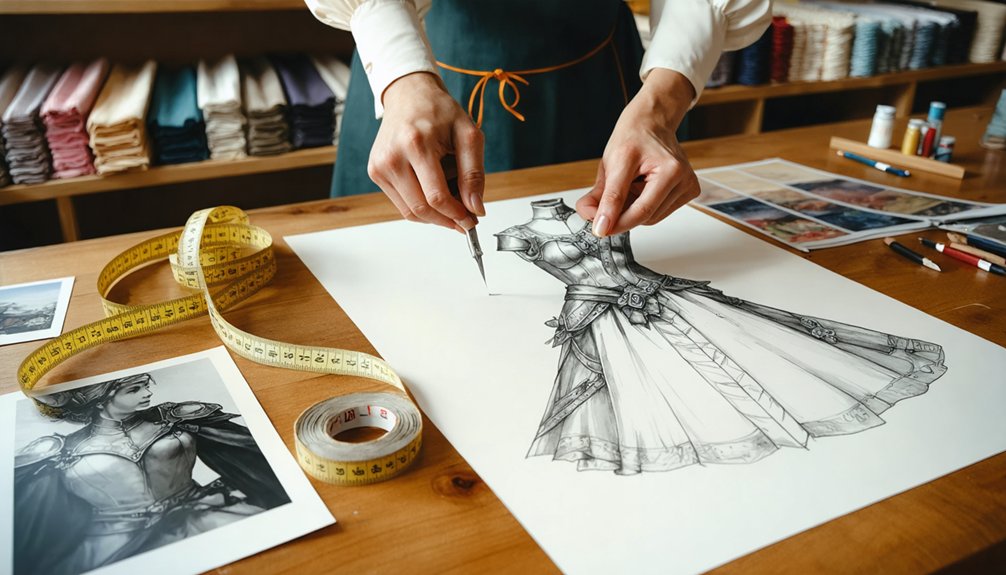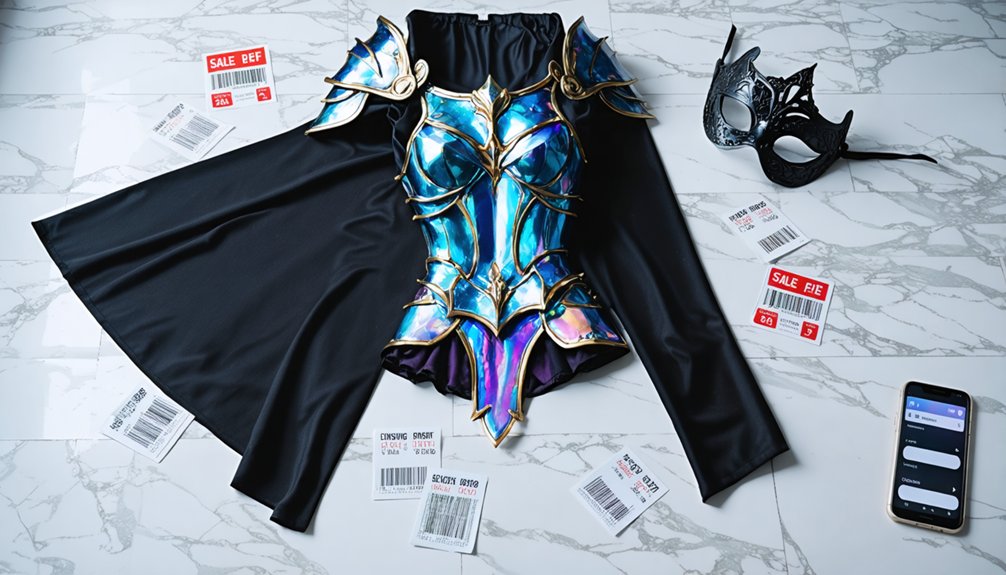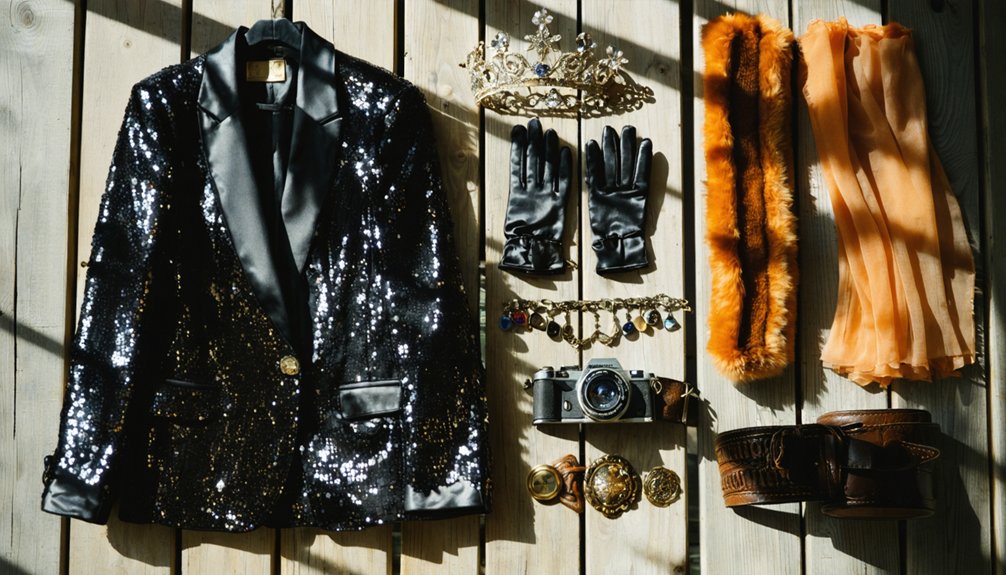
Thrift stores give you the best bang for your cosplay buck by offering unique, adaptable pieces at a fraction of pre-made costume costs. You’ll want to target gowns, coats, button-up shirts, and athletic wear for character-building staples, while velvet curtains, brocade fabric, and crocheted blankets reveal rich textures perfect for capes and armor. Dig through accessory bins for finishing touches, and stack coupons with tag sales to stretch every dollar further. Keep going to uncover every strategy you need.
Key Takeaways
- Gowns, coats, and formal dresses from thrift stores serve as excellent base pieces for fantasy, historical, and sci-fi character costumes.
- Velvet curtains and crocheted blankets are valuable fabric finds that can be transformed into cloaks, capes, or armor overlays.
- Accessory bins contain overlooked items like belts, jewelry, and scarves that affordably complete and enhance character-specific costume details.
- Chain stores like Goodwill offer reliable foundational pieces, while independent thrift shops provide unique, eclectic finds for distinctive costumes.
- Athletic wear and clubwear sections offer versatile, affordable pieces adaptable for various character archetypes, especially modern or action-based costumes.
Thrift Stores vs. Pre-Made Cosplay Costumes Online
When it comes to cosplay budgeting, thrifting beats buying pre-made costumes online almost every time. Pre-made costumes carry steep online costs — you’re paying for manufacturing, licensing, and shipping before you’ve even touched the fabric.
Thrifting benefits go far beyond price tags, though. You’re sourcing unique, adaptable pieces that you can modify, dye, and reconstruct into something genuinely original.
Thrift store finds aren’t just cheap — they’re raw material waiting to become something entirely your own.
Online purchases lock you into someone else’s interpretation of a character. Thrift stores hand you creative control. A $4 button-up shirt becomes Denji from Chainsaw Man. A $6 navy dress becomes Kiki.
You’re building costumes with intention rather than settling for mass-produced approximations.
Stack thrifting with coupons and sales, and your savings multiply further. The result? A one-of-a-kind costume that costs a fraction of anything you’d find online.
The Best Thrift Stores to Hunt for Cosplay Pieces
When it comes to hunting for cosplay pieces, you’ll want to cast a wide net across both chain and non-chain thrift stores to maximize your odds of finding the right items.
Reliable chains like Goodwill and Salvation Army offer consistent inventory, but don’t overlook smaller, independent second-hand shops that can surprise you with unique, one-of-a-kind finds.
Rotating through multiple store types keeps your options open and dramatically increases your chances of assembling a complete costume without breaking your budget.
Chain Versus Non-Chain Stores
Thrift stores aren’t created equal, and knowing where to hunt can make or break your cosplay haul. Chain store advantages include predictable inventory, consistent pricing, and widespread locations — Goodwill and Salvation Army reliably stock gowns, button-ups, and athletic wear that translate directly into recognizable character bases.
However, don’t overlook non-chain uniqueness. Independent second-hand shops often carry unexpected treasures — velvet curtains, brocade fabric, and one-of-a-kind wearables that chains typically lack.
These smaller stores attract different donors, meaning their racks reflect more eclectic, diverse inventory.
Your smartest strategy combines both: use chains for foundational pieces like black dress pants and dresses, then hit non-chains for distinctive textural elements and statement accessories.
Rotating between both store types dramatically expands your sourcing potential for every build.
Maximizing Store Selection
Map multiple locations near you and rotate visits regularly, since inventory turns over fast.
Check each store’s colored tag rotation schedule — discounted tags can slash prices dramatically.
Hit accessory bins last; they’re easy to overlook but often contain props, bags, and jewelry that complete a look.
Layering multiple store types into your thrift store strategy guarantees you’re consistently finding pieces others miss.
Thrift Store Fabrics Worth Grabbing for Cosplay Every Time
When you’re scanning thrift store shelves and racks for cosplay materials, certain fabric finds are worth grabbing every single time you spot them.
Velvet and brocade curtains give you rich, textured material at a fraction of retail cost, while crocheted blankets offer dyeable, dimensional texture that transforms into stunning costume elements.
Don’t overlook tablecloths either, since they’re often made from specialty fabrics that would cost considerably more at a fabric store.
Velvet and Brocade Curtains
Here’s what you can transform them into:
- Fantasy cloaks using deep velvet textures for royalty or villain characters
- Structured bodices cut from brocade patterns for Renaissance or Victorian builds
- Dramatic floor-length skirts requiring minimal seaming from single panels
- Layered armor padding where velvet textures add dimension beneath outer materials
Inspect each curtain carefully for fading or moth damage before committing.
A single panel often yields enough material for multiple costume components, maximizing every dollar you spend.
Crocheted Blankets Worth Dyeing
Curtains aren’t the only overlooked textile worth grabbing off thrift store shelves — crocheted blankets deserve a spot in your cart too. Their open-weave structure creates instant visual texture that’s nearly impossible to replicate with flat fabric.
Through crocheted blanket dyeing techniques, you can transform a faded beige throw into rich jewel tones or earthy fantasy hues that perfectly match your character’s palette. Creative crochet repurposing opens doors to capes, shoulder wraps, layered skirt panels, and dimensional armor overlays — all without sewing from scratch.
Look for tightly stitched patterns for structured pieces or loose weaves for flowing, organic-looking elements. The texture reads beautifully on camera, giving your build a handcrafted depth that store-bought fabric simply can’t match.
Tablecloths as Specialty Fabric
Tablecloths are one of the most underestimated fabric sources you’ll find in any thrift store, and they’re consistently worth grabbing.
Tablecloth textures range from crisp linen to heavy damask, giving you specialty-grade material at a fraction of retail cost. Unique patterns often mimic brocade or jacquard weaves perfect for period-accurate cosplay builds.
Here’s what makes them an instant grab:
- Large yardage means fewer seams and more flexible pattern cutting
- Damask and lace varieties replicate expensive costume fabrics convincingly
- Unique patterns eliminate the need for decorative embellishments
- Sturdy construction holds up through alterations, dyeing, and heavy wear
You’re fundamentally buying pre-finished fabric with finished edges.
Skip the fabric store markup and raid the housewares section instead.
Which Clothing Categories Cosplayers Should Target First
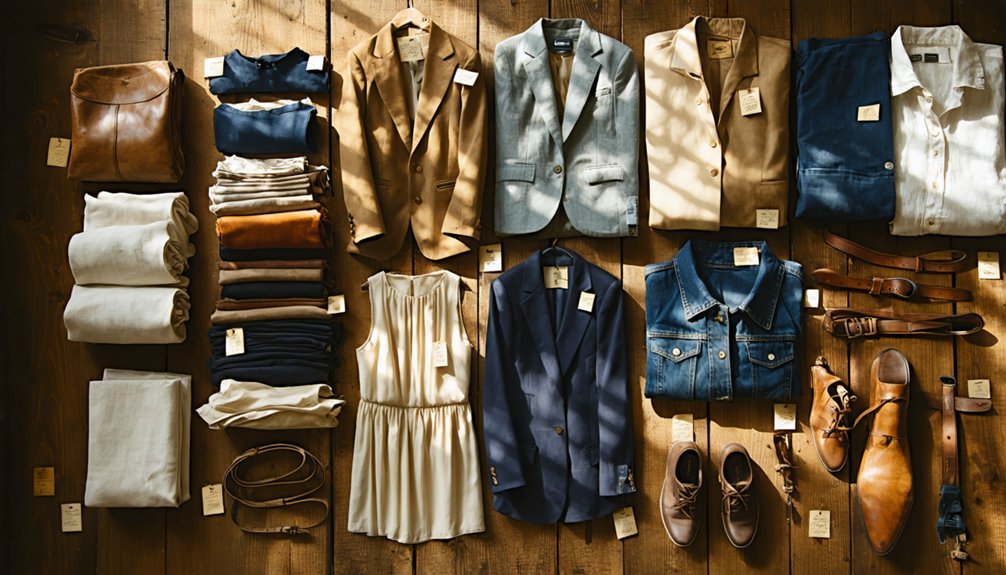
When you walk into a thrift store for cosplay pieces, knowing where to look first saves both time and frustration. Head straight to gowns, coats, and dresses, since these foundation pieces define your silhouette and set your character’s tone immediately.
Next, scan button-up shirts and black dress pants, which work across dozens of character archetypes from Chainsaw Man to Jurassic Park.
Button-up shirts and black dress pants unlock countless character archetypes, making them the most versatile thrift store finds for cosplayers.
Athletic and clubwear sections yield casual, streetwear-inspired versions of popular characters like Teen Titans.
Finally, dig through accessory bins for thrifted accessories that complete character color palettes without blowing your budget. Bags, jewelry, and belts transform basic clothing into recognizable costumes.
Targeting these categories systematically means you’ll spend less time wandering and more time building something genuinely impressive.
Red Flags to Check Before You Buy Any Thrift Piece
Knowing which categories to target gets you to the right rack fast, but grabbing any piece without a close inspection can turn a great find into wasted money.
Always assess fabric condition before committing, since damage can derail your entire build.
Check every piece for these deal-breakers:
- Stains — examine seams, underarms, and collars under bright light
- Holes or tears — run your fingers along stress points and hemlines
- Fading or discoloration — uneven color ruins dye jobs and fabric modifications
- Colored tags — these signal pricing tiers or special conditions worth understanding before checkout
Spotted minor damage? That’s actually your leverage for price negotiation at non-chain stores.
Imperfect pieces often become your most creatively transformed costume components when you approach flaws as opportunities rather than obstacles.
Easy Cosplay Costumes Built Almost Entirely From Thrift Stores
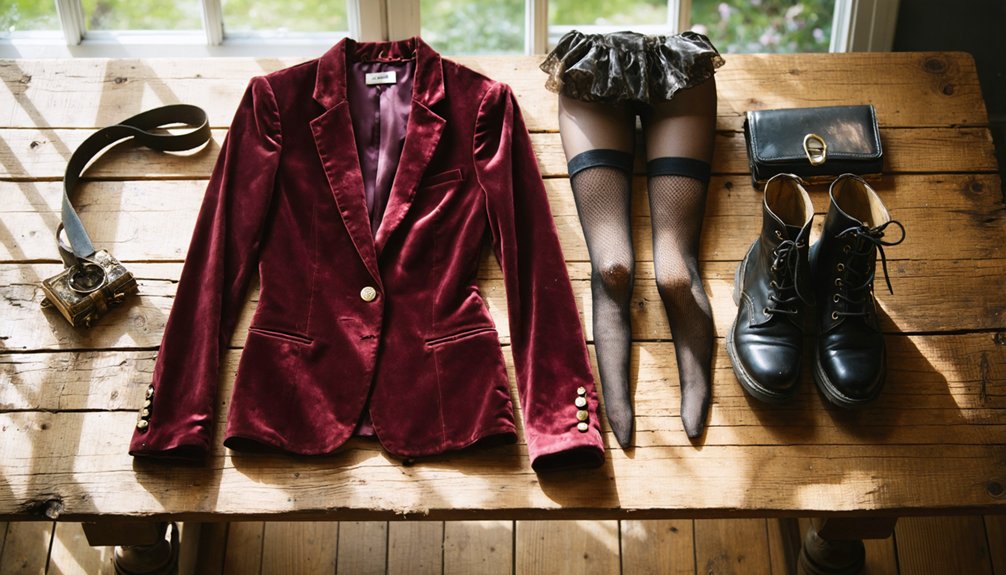
Let character inspiration guide your route through each section.
Don’t overlook thrifted accessories like jewelry, belts, and bags tucked in bins near the registers — they complete looks without inflating costs.
Thrifted jewelry, belts, and bags finish any costume look without stretching your budget past its limits.
Teen Titans casual versions draw from athletic and color-blocked pieces you’ll spot on any given rack.
The right character makes thrifting feel like a treasure hunt with a guaranteed finish line.
How to Layer Coupons, Tags, and Sales Into Your Cosplay Budget
Stretching your cosplay budget further starts before you even walk into the store — by stacking discounts intentionally.
Coupon stacking transforms ordinary thrift hunting into a calculated savings system that compounds every dollar.
Before each trip, layer these strategies:
- Check colored tags — rotating weekly discounts slash prices on already-reduced items
- Download store apps — chain thrifts like Goodwill push exclusive digital coupons regularly
- Time holiday sales — thrift stores run significant markdowns around major holidays
- Combine bulk purchases — buying multiple pieces triggers additional per-item savings
Pairing a store coupon with a sale tag and a loyalty reward means you’re pulling three discounts simultaneously on a single costume piece.
That’s how serious cosplayers consistently build impressive wardrobes without overspending.
What to Do When You Can’t Find Every Cosplay Piece
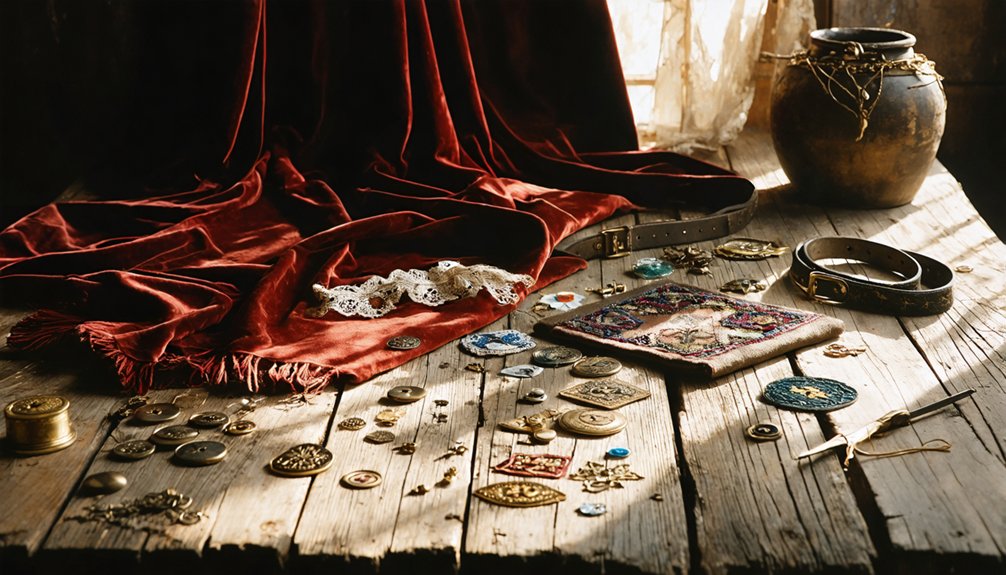
Even with a smart discount strategy locked in, you won’t always walk out with every piece you need — and that’s where resourcefulness separates good cosplayers from great ones.
When a specific item doesn’t surface, lean into creative alternatives: repurpose crocheted blankets for texture, cut velvet curtains into structured shapes, or transform tablecloths into specialty fabric pieces.
Character adaptations also free you from rigid accuracy — swap Kiki’s exact navy dress for a close match, or reimagine a character’s palette using athletic wear you actually found.
Combine multiple thrift runs across chain and non-chain stores before abandoning a piece entirely. Missing one element doesn’t derail your build; it challenges you to problem-solve smarter, often producing a more original, one-of-a-kind look than a premade costume ever could.
Frequently Asked Questions
Can Thrifted Cosplay Pieces Be Returned if They Don’t Fit Correctly?
Thrift stores rarely accept returns, so you’ll want to check fit carefully before buying. Instead of worrying about return policies, embrace fit adjustments through tailoring or creative alterations to perfect your cosplay pieces!
How Do You Clean and Sanitize Thrifted Clothing Before Wearing It?
Like a blank canvas awaiting transformation, you’ll want to wash thrifted finds immediately. Follow fabric care labels, use hot water when possible, and practice good thrift etiquette by sanitizing everything before wearing your cosplay pieces.
Are Thrift Store Finds Acceptable for Competition-Level Cosplay Events?
Thrift store quality pieces can absolutely meet competition standards when you’re detail-oriented in selection. You’ll elevate finds through skilled modifications, creative layering, and innovative construction techniques that judges recognize as resourceful craftsmanship rather than budget limitations.
How Early Before a Convention Should You Start Thrift Store Shopping?
Start thrift store timing months before your convention — you’ll need ages to hunt every rack! Budget considerations demand you begin at least three months early, letting you layer thrifting with sales and coupons for maximum savings.
Can Alterations Ruin the Resale Value of Thrifted Cosplay Pieces?
Yes, alteration techniques can reduce resale value, but you’re repurposing thrifted pieces affordably anyway. Smart resale strategies mean documenting original condition, keeping modifications reversible when possible, and targeting items you’ll actually transform into standout cosplay builds.
References
- https://ashweezcosplay.com/2019/10/17/thrifting-for-cosplay/
- https://www.youtube.com/watch?v=copqY3Yp4J4
- https://www.creativecosplays.com/post/cosplay-on-a-dime-10-trending-characters-you-can-create-with-thrift-store-finds
- https://www.youtube.com/watch?v=99q50k5FnSs
- https://www.youtube.com/watch?v=ltUzrsYcvCw
- https://www.youtube.com/watch?v=GwfpaGf-SmY
- https://www.makingmakebelieve.com/backroom/look-what-we-got-costumes-from-the-thrift-store/