You can promote ethnic minority cosplay representation by recruiting diverse judges and panelists at conventions, challenging colorism and accuracy double standards when you witness them, and amplifying Black creators through dedicated social media features and showcase spaces. Support cross-racial cosplay while celebrating original character creation, implement transparent reporting systems for discrimination, and guarantee diversity programming occupies main convention halls rather than side rooms. These actionable strategies will help you transform community culture and create lasting structural change that benefits all cosplayers.
Key Takeaways
- Establish transparent judging criteria emphasizing craftsmanship over skin tone accuracy, while prohibiting racial mimicry at competitions and conventions.
- Partner with Black creators to co-host features, maintain masterlists, and implement weekly spotlights counteracting algorithmic biases.
- Place diversity-focused programming in main convention halls and create dedicated showcase spaces for minority cosplayers’ visibility.
- Implement transparent reporting processes with enforceable consequences for gatekeepers perpetuating colorism, harassment, or discriminatory accuracy standards.
- Celebrate cross-racial cosplay and original character creation, amplifying initiatives like #29DaysofBlackCosplay that showcase technical skill and artistry.
Expand Representation of Black and Minority Characters in Mainstream Media
While mainstream media has made notable strides in recent years—with over two-thirds of new TV series in 2024 featuring BIPOC-inclusive main casts and non-white lead actors exceeding 50% representation on major platforms like Netflix and Disney ABC—you’ll find significant gaps remain behind the scenes. Only 17% of top editors across 100 news brands are people of color, and minority radio news directors dropped 2.3% to pre-pandemic levels in 2024.
To increase diverse media representation, you must push for systemic change in production teams and creative leadership. Boost black cosplayer hiring by advocating for authentic character development that reflects real communities. Support creators who prioritize diverse teams—nearly 70% of Black consumers value this representation. Your engagement drives industry transformation.
Establish Inclusive Judging Panels and Programming at Conventions
You can transform convention culture by ensuring judging panels reflect the diversity of the cosplay community itself. Recruiting judges from various racial and ethnic backgrounds directly addresses the systemic bias that has historically marginalized Black and minority cosplayers in competitions.
Creating dedicated programming spaces for minority cosplayers—from specialized panels to focused competitions—establishes clear community standards that celebrate cross-racial cosplay while drawing firm boundaries against discriminatory practices like racefacing.
Diversify Contest Judge Representation
Breaking the homogeneity cycle in competitive cosplay requires intentional action from convention organizers. You’ll need to actively recruit talented diverse cosplayers as judges based on their craftsmanship expertise—not tokenism. Seek master-level builders specializing in needlework, foamwork, and intricate detailing who’ve demonstrated dedication to inclusive spaces through bystander intervention education and social justice work.
Your judging panels should represent varied professional backgrounds: costume designers, theater experts, film industry specialists, and makeup artists. Implement judging criteria transparency by clearly communicating that skin color, body shape, height, gender, and medical devices won’t affect accuracy scores. While assessment standardization varies across conventions, establish explicit rules prohibiting racial mimicry and emphasizing craftsmanship over physical resemblance. Guarantee equal evaluation time, focusing on handmade percentages and construction quality rather than body-matching.
Create Dedicated Minority Panels
When conventions relegate minority-focused panels to remote, undersized rooms, they’re actively suppressing the visibility these discussions desperately need. You’ll transform representation by implementing panel structure optimization that places diversity-focused programming in main halls where they’ll reach broader audiences.
Panels like “Kinks and Curls: Ethnic Hair in Cosplay” address critical navigation challenges for Black cosplayers while countering photographer biases and discrimination.
Your inclusive panel recruitment strategy should prioritize hosting cosplayers who authentically represent these experiences. These discussions dismantle cyclical exclusivity where winners become judges, perpetuating gatekeeping. By communicating inclusive policies that prevent accuracy judging based on skin tone, you’ll empower ethnic talent to participate confidently.
Strategic placement eliminates post-panel rushing in overcrowded minority rooms while larger spaces sit empty, ensuring these essential conversations receive the prominence they deserve.
Challenge Colorism and Authenticity Gatekeeping Within the Community
While cosplay celebrates creativity and self-expression, colorism and authenticity gatekeeping create hostile barriers that push Black and brown cosplayers to the margins. You’ll find darker-skinned creators face unfair “accuracy” standards—told they’re “too dark” for characters while simultaneously watching non-POC darken their skin without consequence. This double standard restricts BIPOC cosplayers to limited character options and subjects them to racial slurs and body-shaming.
To promote cosplay diversity, actively call out colorism when you witness it. Celebrate craftsmanship over skin tone matching. Amplify initiatives like #29DaysofBlackCosplay that showcase talented creators such as Jay Justice and Chocolate Covered Cosplay. Challenge gatekeepers who reduce skin tone bias by emphasizing that cosplay’s foundation is enjoying characters freely—not policing who “belongs” in costumes. Create spaces where everyone’s welcomed.
Amplify Black Cosplayers Through Social Media and Event Features
You can transform visibility by spotlighting Black cosplayers consistently across Instagram, TikTok, and Facebook—not just during Black History Month.
Partner directly with Black creators who’ve 10K-75K+ followers to co-host features, share masterlists, and amplify their reach through your platforms.
Conventions should dedicate showcase spaces and weekly highlights that normalize diverse representation, making inclusion a standard attraction rather than a seasonal gesture.
Spotlight Features on Platforms
Social media algorithms don’t serve all cosplayers equally—Black creators face systemic barriers that limit their content’s reach, suppress their visibility in recommendation feeds, and create compounding disadvantages that extend far beyond individual posts.
You can counteract these biases through dedicated spotlight initiatives. Nickelodeon’s #28DaysofBlackCosplay campaign achieved 1.5 million Facebook views, proving that cross platform curation creates measurable impact. Don’t limit diversity features to February—implement monthly spotlights dedicating one week to underrepresented groups.
Share pages and photographers control narrative visibility. Feature Black cosplayers with identical frequency as lighter-skinned creators. Algorithm optimization requires consistent tagging, strategic hashtag usage (#BlackCosplayerHere, #supportblackcosplayers), and deliberate content amplification.
Your engagement directly shifts visibility patterns. Strategic curation generated 5 million organic impressions and exceeded benchmarks by 200%.
Partnership With Black Creators
When Black cosplayers receive mainstream recognition, it’s typically as victims of racial harassment rather than celebrated artists. You can change this by implementing inclusive marketing strategies that spotlight Black creators for their technical skill and artistry.
Partner directly with Black cosplayers through targeted outreach—feature them in convention programming, collaborative interviews, and lighthearted content alongside other creators. This approach normalizes their presence instead of treating them as outliers.
Your partnerships should create safe spaces where Black cosplayers feel encouraged to participate without fear of backlash. Curate event features that showcase community diversity while reprimanding harassment. When you amplify Black voices beyond victim narratives, you foster genuine inclusivity.
As hip-hop artists and A-list actors embrace cosplay, you’re positioned to accelerate this cultural shift through strategic creator collaborations.
Dedicated Convention Showcase Spaces
Creating dedicated showcase spaces at conventions transforms how Black cosplayers experience community recognition and celebration. You’ll find that events like Anime Expo’s Diversity in Cosplay panel actively address racial disparities while creating safe environments where 44.83 million Black Americans can see themselves represented. Organizations like Crying But Capable demonstrate how intimate event spaces prioritize inclusive practices through personal interactions that build genuine community ties.
You can amplify this impact by implementing diverse vendor lineups that feature Black-owned businesses and artists alongside inclusive contest criteria that celebrate all skill levels and character interpretations. These spaces counter the marginalization Black cosplayers face elsewhere, validating their participation regardless of character choices. When you prioritize dignity and respect through dedicated showcase areas, you’re actively dismantling barriers that create elevated negative experiences for minority participants.
Create Safe Spaces for Reporting and Addressing Discrimination
Black cosplayers shouldn’t have to brace themselves for abuse every time they share their work online. You need to establish consensual reporting guidelines that protect victims while holding perpetrators accountable. Without judgment-free channels for voicing discrimination, biased culture persists unchallenged.
Implement community accountability measures that go beyond performative statements. Create transparent processes where marginalized cosplayers can report racism, colorism, and harassment safely. Your convention spaces and online platforms must enforce consequences for gatekeepers who demand higher accuracy standards from Black women or misuse “Cosplay Is for Everyone” to silence minority concerns.
Transform listening into action. When Black cosplayers share experiences of racial trauma and microaggressions, respond with structural change. Build environments where speaking up doesn’t invite ridicule—where community solidarity actively dismantles the invisible mechanisms sustaining marginalization.
Support Original Character Creation and Cross-Racial Cosplay
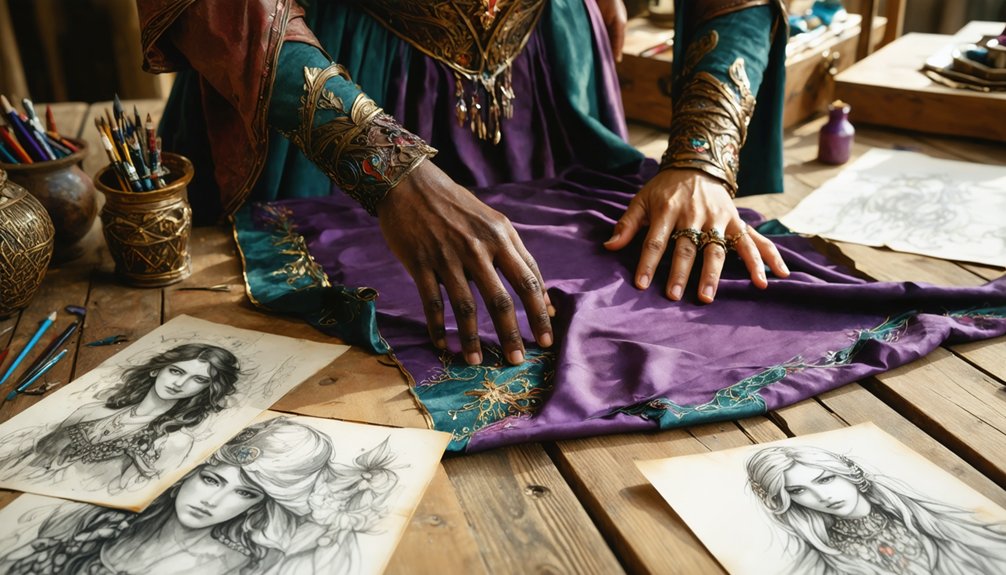
Beyond dismantling harmful structures, you must actively create pathways for creative self-determination. Champion original character creation as a powerful response to media underrepresentation—when limited options exist, character customization becomes revolutionary.
Encourage Black cosplayers to invent characters and backstories without constraints of canonical designs or accuracy expectations, establishing narrative control that centers marginalized voices.
Simultaneously, support cross-racial cosplay as narrative subversion. When Black cosplayers embody white superheroes, they destabilize default whiteness and disrupt universal savior mythologies conditioning the genre. This practice challenges restrictive accuracy standards and dismantles assumptions that characters belong exclusively to audiences matching their appearance.
Amplify minoritarian character representation from alternative publishers and underrepresented media. These choices expose severe representation gaps while celebrating Black particularity, resilience, and creative empowerment.
Educate the Community on Racial Microaggressions and Stereotypes
Address microaggressions by educating your community through workshops, panel discussions, and resource sharing.
Create clear guidelines that minimize racial stereotypes and call out problematic behavior—whether it’s questioning someone’s character choice or making assumptions about skill level. You’re building a culture where accountability matters.
When witnesses speak up and organizers implement consequences, you’re transforming cosplay into genuinely inclusive spaces.
Frequently Asked Questions
How Can Cosplayers Financially Support Minority-Owned Costume and Prop Businesses?
Put your money where your mouth is by prioritizing purchases from minority-owned costume shops, participating in online fundraisers, and amplifying business promotion through social media shares. You’ll directly fuel innovation while strengthening community representation.
What Specific Training Should Convention Staff Receive on Handling Racial Incidents?
You’ll need thorough cultural sensitivity training covering implicit bias recognition, de-escalation techniques for racial incidents, and immediate reporting protocols. Staff should learn inclusive engagement methods, proactive harassment intervention, and legal compliance standards to create welcoming spaces for all cosplayers.
Do Mentorship Programs Exist Connecting Experienced Minority Cosplayers With Beginners?
You’ll find bridges being built through grassroots mentorship workshops at community events, where experienced minority cosplayers guide newcomers. However, formalized programs remain rare—there’s incredible opportunity for you to champion structured initiatives within your local scene.
How Can Photographers Ensure Equitable Coverage of Cosplayers Across Racial Backgrounds?
You’ll create equitable coverage by actively seeking diverse cosplayers, mastering diverse lighting techniques for all skin tones, implementing inclusive casting practices, and platforming cross-racial cosplay. Prioritize darker-skinned creators to challenge colourism and transform photography into anti-racist action.
What Legal Protections Exist for Cosplayers Experiencing Harassment at Conventions?
You’re protected by convention policies that prohibit harassment based on race and identity, with consequences from ejection to bans. For severe violations, you can also pursue legal protections through law enforcement, especially when documenting incidents thoroughly.