When you wear a culturally inspired cosplay costume, you’re participating in a living ethnographic record of human connection. Your costume choices reflect heritage, power dynamics, and contemporary global influences all at once. You can celebrate diversity authentically by researching garments, crediting your inspirations, and consulting community members directly. Cosplay becomes cultural exchange rather than appropriation when you engage with intersectional awareness and genuine respect. There’s much more to unpack about doing this thoughtfully.
Key Takeaways
- Cosplay serves as a powerful medium for cultural exchange, reflecting heritage, traditions, and contemporary influences through thoughtfully designed costumes.
- Rigorous research into historical, spiritual, and social significance ensures costumes authentically celebrate rather than misrepresent cultural diversity.
- Respectful blending of cultural elements requires examining power dynamics, understanding context, and acknowledging the symbolism behind traditional garments.
- Collaborating with community members and indigenous creators enhances authenticity and redirects cosplay toward meaningful cultural conversations.
- Every costume construction choice, from materials to patterns, should reinforce cultural integrity and honor traditional artistic expressions.
How Cosplay Celebrates Cultural Diversity Around the World
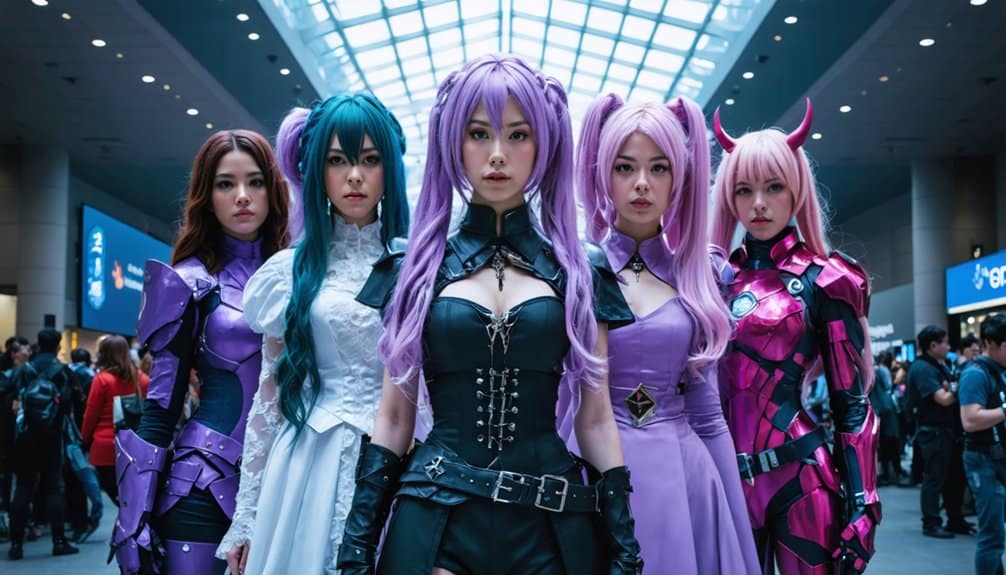
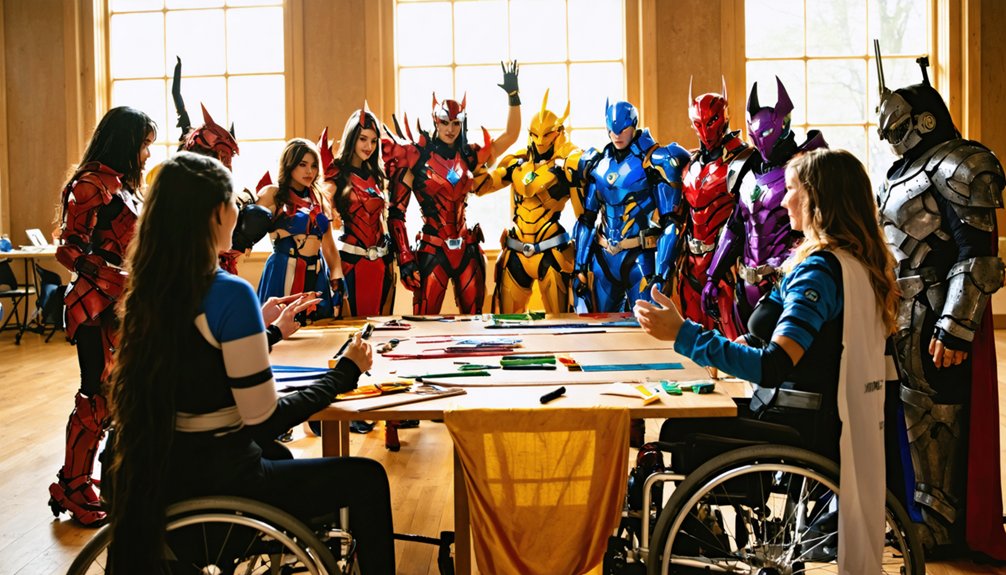
Cosplay thrives as a dynamic medium for cultural exchange, where enthusiasts worldwide weave their heritage, traditions, and contemporary influences into costumes that tell layered stories.
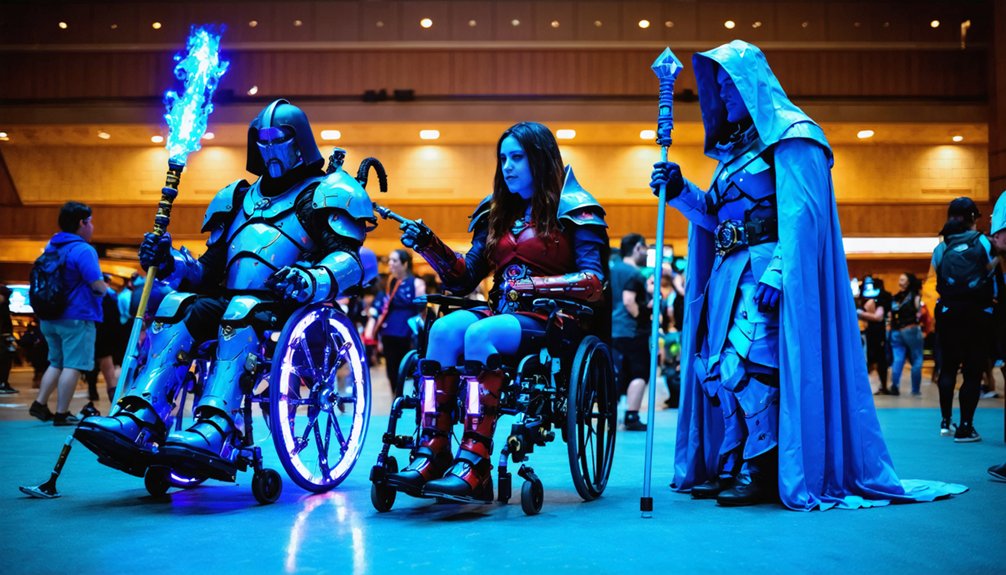
You’ll notice how costume symbolism operates as a language itself, communicating identity expression across borders without requiring translation. Global influences continuously reshape cosplay’s landscape, merging indigenous aesthetics with futuristic design elements that challenge conventional representation.
Through cultural dialogue, cosplayers actively negotiate meaning between their local identities and globalized media narratives. Each carefully constructed ensemble reflects participatory culture theory, positioning you simultaneously as consumer and producer of cultural meaning.
When diverse communities engage authentically, cosplay transcends performance, becoming an ethnographic record of how human cultures intersect, adapt, and celebrate one another’s richness in real time.
The Research and Attribution Standards for Respectful Cultural Cosplay
Engaging respectfully with cultural cosplay requires you to establish rigorous research and attribution standards before constructing any ensemble rooted in another’s heritage. You must investigate the historical, spiritual, and social significance behind garments you’re representing. Consulting primary sources and engaging directly with community members guarantees cultural authenticity rather than surface-level mimicry.
Respectful engagement demands you credit your inspirations explicitly—acknowledging the cultural origins within your presentation materials, social media captions, and convention panels. You’re not simply borrowing aesthetics; you’re entering an ethnographic dialogue that carries accountability.
Crediting cultural origins isn’t optional—it’s the foundation of accountability in every cosplay presentation you create.
Intersectional awareness matters here. A garment may simultaneously represent gender, class, and religious identity. Recognizing these layered meanings prevents reductive representations.
When you approach cosplay analytically, you transform your creative practice into meaningful cross-cultural exchange rather than appropriation.
Where Blending Cultures Ends and Appropriation Begins in Cosplay
Understanding where cultural blending ends and appropriation begins requires you to examine power dynamics, not just aesthetic choices.
When you adopt elements from marginalized cultures without acknowledging their significance, you’ve crossed cultural boundaries into appropriation, regardless of intent.
Appropriation awareness means recognizing that context matters deeply.
Fusion ethics demand you ask whether your costume honors or commodifies a culture’s identity.
You’re blending respectfully when you’ve researched symbolism, credited origins, and engaged authentically with community voices.
Respectful representation distinguishes itself through intentionality.
You’re appropriating when you strip sacred symbols of meaning for aesthetic novelty, particularly from communities historically silenced by dominant cultures.
Innovation in cosplay doesn’t require exploitation—it thrives when you treat cultural exchange as a reciprocal dialogue, not a one-directional extraction of visual style.
Whose Cultural Perspective Should Shape Your Cosplay Costume?
Once you’ve mapped the line between blending and appropriation, the next question becomes more specific: whose perspective should actually anchor your creative decisions? The answer lies in cultural authenticity—centering the voices of people who live within the culture you’re representing.
Identity negotiation happens in every design choice you make. When you’re drawing from a specific cultural tradition, you’re not just crafting aesthetics; you’re participating in that culture’s ongoing story.
Seek out community members, consult indigenous creators, and prioritize their frameworks over external interpretations.
Your costume becomes more innovative—not less—when grounded in real cultural ownership. Diverse voices sharpen your creative precision and eliminate guesswork.
Authentic collaboration doesn’t restrict expression; it redirects it toward something genuinely meaningful, positioning your work within a broader, more interconnected cultural conversation.
Creative Techniques for Building Culturally Inspired Cosplay Designs
With cultural ownership as your foundation, the actual construction of your costume becomes a site of creative and ethical decision-making. You’re translating cultural symbolism into wearable art, which demands both technical skill and informed intentionality.
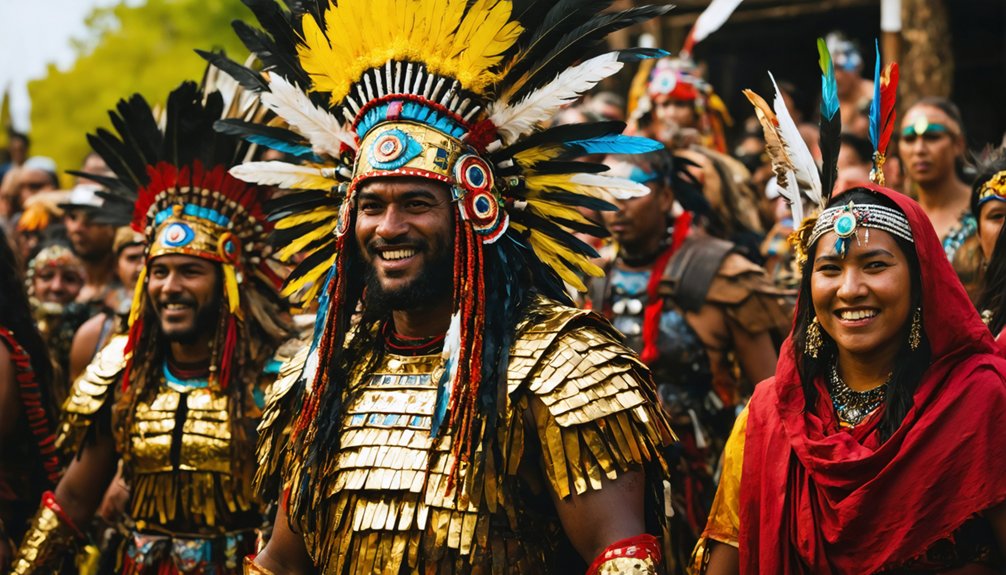
Start by researching the specific garments, patterns, and materials tied to your chosen culture. Then apply design innovation thoughtfully—metallic embellishments can honor traditional artwork while incorporating industrial aesthetics, and mechanical jewelry can merge heritage with futuristic components without erasing original meaning.
Body paint offers another layer, letting you blend ancient symbols with contemporary motifs when done respectfully. Involve community voices during your design process to verify authenticity.
Each construction choice either reinforces or undermines cultural integrity, so treat every detail as a deliberate statement about representation and respect.
Frequently Asked Questions
How Does Cosplay Influence Empathy Among Participants From Different Cultural Backgrounds?
When you embody characters from diverse backgrounds, you’re fostering cultural exchange that builds emotional connection. Cosplay’s intersectional nature lets you explore rich traditions, developing empathy and understanding that bridges cultural divides, creating an innovative, interconnected global community.
What Role Does Globalization Play in Shaping Local Cosplay Community Practices?
Over 40 million cosplayers worldwide show how globalization shapes your local community through cultural exchange. You’ll notice fashion fusion blending Japanese media with indigenous styles, creating hybrid identities that intersect global trends with local traditions authentically.
How Can Cosplay Performances Contribute to a More Interconnected Global Community?
When you perform cosplay, you’re actively driving cultural exchange and community building by embodying diverse characters, fostering empathy across intersecting identities, and creating interconnected global networks that celebrate humanity’s rich, multifaceted tapestry through innovative, ethnographically informed artistic expression.
What Are the Benefits of Involving Diverse Voices in Cosplay Design Processes?
Vibrant threads of culture weave together when you involve diverse voices in cosplay design—you’re ensuring inclusive design that honors cultural authenticity, preventing misrepresentation, and creating costumes that genuinely reflect intersectional identities, fostering richer, more innovative creative expression.
How Does Participatory Culture Theory Explain Consumer and Producer Roles in Cosplay?
Participatory culture theory positions you as both consumer and producer—you’re actively shaping cosplay through fan interactions and costume craftsmanship, blurring traditional boundaries and transforming cultural narratives into innovative, intersectional expressions of identity and creative agency.
References
- https://starstruckpanda.com/cosplay-and-global-cultural-influences/
- https://jisem-journal.com/index.php/journal/article/view/9963
- https://authormorgansterling.com/blog/cosplay-for-everyone-celebrating-diverse-identities-and-creative
- https://cels.lcic.edu.ph/culture-class-cosplay-event/
- https://starstruckpanda.com/cultural-symbolism-in-cosplay-costumes/
- https://snowdragon.tv/en/blog-en-2/cosplay-and-culture-how-different-regions-influence-costume-design
- https://www.youtube.com/watch?v=iZBHc2jaOBw
- https://dl.tufts.edu/downloads/xw42nm17k
- https://starstruckpanda.com/cultural-fusion-cosplay-costume-ideas/
- https://www.mmoday.com/exploring-different-cultures-through-cosplay/