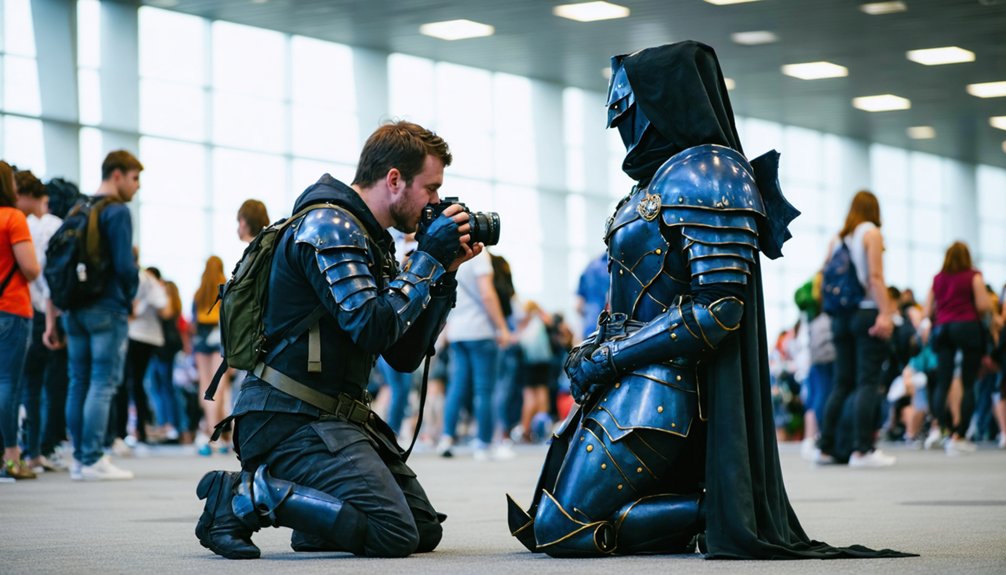
Embracing the cosplay community means diving into a world where your creativity thrives alongside over 40 million passionate makers worldwide. You’ll start by choosing a character you genuinely love, then plan your budget, test your materials, and practice your poses until you feel completely confident. Whether you connect online or attend conventions in person, you’re never building alone. There’s so much more to discover about making this incredible creative journey truly your own.
Key Takeaways
- Start with a character you genuinely love, as deep personal connection fuels creativity and drives better decision-making throughout your cosplay journey.
- Join online forums and social media groups to gain support, share progress, and explore diverse creative interpretations from experienced cosplayers.
- Attend conventions for hands-on workshops, real-time feedback, and genuine partnerships that online communities simply cannot replicate.
- Test your costume at home before the event to identify fit issues, build confidence, and ensure a polished final result.
- Collaborate with fellow cosplayers for bulk purchasing, shared tips, and innovative ideas that elevate your creativity and reduce costs.
Pick a Cosplay Character You Actually Care About

Picking a character you genuinely love is the best place to start your cosplay journey. When you build from real attachment, your enthusiasm drives every decision, from fabric choices to accessories.
Start with a deep character analysis—understand their personality, story, and visual identity. That foundation makes costume personalization far more intentional and exciting.
Don’t worry about matching every detail perfectly on your first build. Instead, focus on what excites you most about the character and let that guide your creative approach.
You might reimagine them in a steampunk or alternate universe style, making the costume uniquely yours.
Your connection to the character keeps you motivated through challenges. Share your ideas with the community early—collaborative feedback can spark innovations you’d never discover working alone.
Plan Your Cosplay Budget Before You Buy Anything
Before you buy a single yard of fabric or a can of foam spray, set your total budget so you’ve got a clear spending limit to work within.
Don’t forget to factor in hidden costs like wigs, makeup, adhesives, and accessories, since these extras add up fast and catch a lot of first-timers off guard.
Once you’ve got your budget locked in, test any unfamiliar materials on small scraps first so you’re not wasting money on full-scale mistakes.
Set Your Budget Early
Planning your cosplay budget before you buy a single material is one of the smartest moves you can make. Budget planning keeps your creative vision grounded in reality, helping you allocate funds across fabric, accessories, wigs, makeup, and prosthetics without nasty surprises.
Don’t forget to set aside money specifically for material testing — experimenting with scrap pieces before committing to your final build saves both cash and frustration. Think of it as an innovation investment rather than an extra expense.
When you map out every cost upfront, you’ll make sharper decisions, avoid overspending, and actually enjoy the construction process.
Collaborating with fellow cosplayers on bulk material purchases can also stretch your budget further, so don’t hesitate to connect with your community early.
Include Hidden Cosplay Costs
Hidden costs are the sneaky budget-busters that catch cosplayers off guard, so let’s get ahead of them together.
When you’re building your budget, don’t just price the main fabric or armor materials. You’ll also need to account for wigs, makeup, adhesives, body paint, and prosthetics, all of which add up fast.
These budget tips will keep you on track: factor in convention registration, travel, and parking fees before you commit to a complex build.
Print costs for reference sheets, replacement materials after failed tests, and shipping delays can quietly drain your funds too.
Build a 15–20% buffer into every cosplay budget. You’ll thank yourself later when an unexpected expense appears, and you can handle it without scrapping your creative vision entirely.
Test Materials Before Buying
Once your budget accounts for every hidden cost, the next smart move is making sure your money actually goes toward materials that work. Before committing to bulk purchases, test small fabric swatches first. This approach is especially critical during fabric dyeing, where unexpected color shifts can ruin an entire project.
Grab a scrap piece, run your dye test, and document every result. You’ll save money and avoid frustrating surprises later.
The same principle applies to accessory selection—purchase one sample piece before buying multiples to confirm quality, weight, and finish match your vision.
Testing isn’t hesitation; it’s smart innovation. Share your test results with your community, too. Collaborative knowledge-sharing helps everyone stretch their budgets further and build stronger, more accurate costumes together.
Let’s work smarter, not harder!
Choose Cosplay Materials That Match Your Skill Level
If you’re just starting out, stick with forgiving fabrics like cotton or fleece that are easy to cut, sew, and adjust.
Before committing to any new material, test it on scraps first so you understand how it behaves under stress, heat, or adhesive.
Matching your materials to your current skill level keeps the build manageable and sets you up for a finished costume you’ll actually feel proud to wear.
Start With Simple Fabrics
Choosing the right fabric can make or break your first cosplay build, so starting with materials that match your current skill level sets you up for real success.
Cotton and fleece are forgiving, easy to cut, and respond well to fabric dyeing, letting you experiment with color without fighting the material. They also work seamlessly with beginner-friendly sewing patterns, so you can focus on fit and construction rather than managing difficult drape or stretch.
As your skills grow, you’ll naturally graduate toward chiffon, faux leather, or spandex.
Starting simple doesn’t limit your creativity, it actually accelerates it. You build confidence faster, make fewer costly mistakes, and produce results you’re genuinely proud of.
That momentum carries you forward into more ambitious, innovative builds.
Test Materials Before Committing
Before you cut into your main fabric, test it on scraps first. This simple habit saves time, money, and frustration. Grab off-cuts and experiment with your chosen sewing techniques—test seam strength, heat tolerance, and how the material responds to adhesives or dye.
Fabric durability varies wildly between materials, so what works beautifully on cotton might fail completely on faux leather or stretch mesh.
Document your scrap results with quick notes or photos so you can reference them later. Share your findings with your cosplay community, too—collective knowledge helps everyone make smarter material choices.
Testing isn’t a setback; it’s an innovation step. You’re prototyping like a designer, refining your process before the real build begins. That’s how great costumes come together.
Match Materials To Skills
Once you’ve tested your materials and know how they behave, the next step is making sure those materials actually match what you can do with them right now. Choosing wisely protects your confidence and your budget.
Ask yourself these three questions before committing:
- Can you control this fabric texture? Slippery silks and stretch knits demand experience—start with woven cotton if you’re still building precision.
- Does material durability meet your event needs? A costume worn once differs from one surviving ten conventions.
- Does this material excite you enough to push through the hard moments? Passion fuels problem-solving.
Matching materials to your current skills isn’t settling—it’s strategic. You’ll build faster, waste less, and create something you’re genuinely proud to wear.
Build Your Cosplay Skills One Small Project at a Time
Starting small is one of the smartest moves you can make as a new cosplayer. Instead of diving into full armor builds, try crafting a bracer, belt pouch, or simple prop first. These focused projects let you experiment with color theory when selecting complementary materials and practice fabric care techniques without risking an entire costume.
Each small build teaches you something concrete, whether it’s heat-shaping foam, hand-stitching details, or applying paint finishes. You’ll gain confidence faster by completing projects than by stalling on perfection.
Think of every piece as a stepping stone. Share your progress with your community, ask questions, and celebrate each finished item. That iterative mindset is exactly what transforms beginners into skilled, innovative cosplayers who keep pushing creative boundaries.
Test Your Costume Before You Walk Into Any Convention
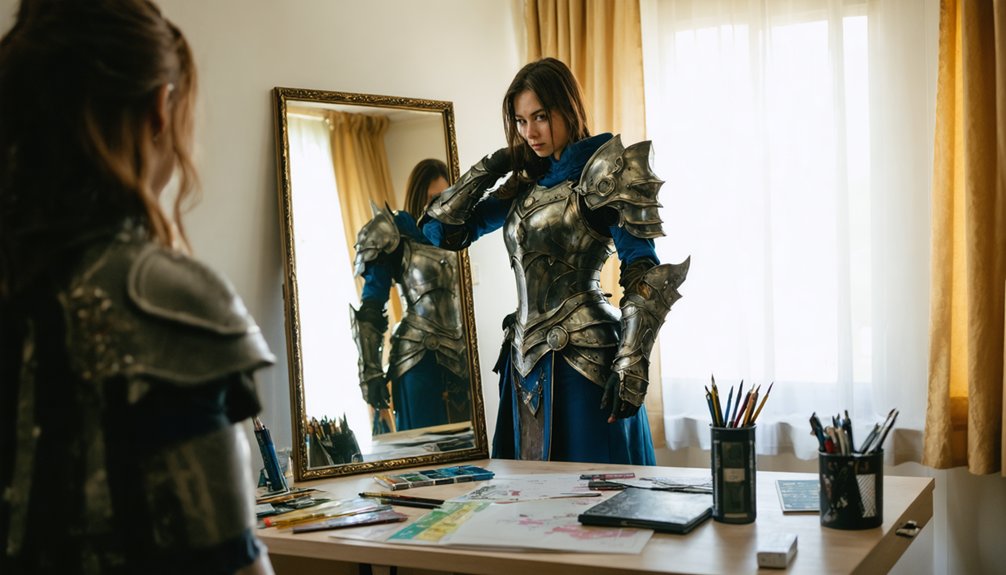
Wearing your costume at home before convention day can save you from a lot of preventable surprises. You’ll catch fit issues, test fabric durability under movement, and perfect your wig styling before crowds are watching. A dry run transforms anxiety into confidence.
A single dry run at home catches fit issues, tests durability, and turns pre-convention nerves into confidence.
Try these three checks that’ll make your convention experience unforgettable:
- Move freely — sit, walk, and pose to spot any restrictions or weak seams before they become emergencies.
- Test your makeup and materials — identify allergic reactions or comfort issues in your safe space, not on a convention floor.
- Time your full transformation — knowing exactly how long preparation takes helps you arrive energized, not rushed.
You’ve built something incredible. Now make sure it’s ready to shine.
Know the Prop Weapon Rules at Your Cosplay Event
Before you pack your props, check the specific weapon policies for your event, since rules on replica guns, swords, and knives vary widely between venues.
Many conventions welcome props made from foam, wood, or cardboard while restricting metal, sharp edges, or realistic-looking firearms.
Knowing these guidelines ahead of time helps you make smart material choices that keep you, your fellow cosplayers, and event staff safe and comfortable.
Venue Weapon Policies Vary
Every convention handles prop weapons differently, so you’ll want to research the specific rules of your event well before you arrive. Prop regulations exist to protect everyone, and understanding them helps you show up confidently and creatively prepared.
Here’s what you’ll want to check:
- Material restrictions – Many venues ban metal blades or working mechanisms, so knowing weapon safety standards in advance protects both you and fellow attendees.
- Size and concealment limits – Oversized or easily hidden props often trigger stricter scrutiny at entry points.
- Peace-bonding requirements – Some events require prop weapons to be secured or tagged by staff before you enter the floor.
Knowing these rules isn’t a creative limitation—it’s your launchpad for building something brilliant that everyone can enjoy safely.
Safe Prop Material Choices
Once you know your event’s prop weapon rules, choosing the right materials becomes a creative puzzle you can actually solve. Foam, thermoplastics, and cardboard are popular choices because they’re lightweight, safe, and easy to shape.
You’ll also find eco-friendly materials like recycled foam sheets and natural fiber composites entering the builder’s toolkit, giving your props a smaller environmental footprint without sacrificing quality.
When bonding pieces together, reach for non-toxic adhesives that won’t off-gas harmful fumes during long convention days. Contact cement alternatives and water-based glues work surprisingly well on most foam builds.
Share what’s working with your community — material discoveries spread fast and help everyone build smarter. Together, you’re pushing prop-making into exciting new territory while keeping events safe and welcoming for all.
Find Your Cosplay Community Online

Where do you find people who get just as excited about fabric choices and foam armor as you do? They’re already online, waiting to collaborate. Through forums, social media groups, and fandom spaces, you’ll discover a thriving network built on shared passion and online collaboration.
Here’s why jumping in changes everything:
- You’ll never problem-solve alone — virtual meetups connect you with experienced cosplayers who’ve already cracked the techniques you’re struggling with.
- Your creativity expands — exposure to diverse interpretations pushes your designs beyond what you’d imagine solo.
- You’ll feel seen — communities celebrate your progress, not just your finished product.
Follow local convention pages, join group chats, and tag collaborators when sharing work. Your people are one click away.
What Conventions Offer That Online Communities Cannot
Online communities give you a foundation, but conventions hand you something no screen can replicate: the full, physical experience of cosplay culture happening all around you. When you walk those floors, in person networking happens naturally—a shared compliment on someone’s armor leads to a genuine creative partnership. You’re exchanging techniques, discovering new approaches, and building relationships that outlast any event.
Exclusive workshops push your skills further, offering hands-on instruction from experienced builders and artists you’d never access otherwise. You can touch materials, ask real-time questions, and immediately apply what you’ve learned.
Conventions also validate your work in ways digital spaces can’t. Seeing someone’s eyes light up at your costume delivers a confidence and belonging that transforms how you participate in this community going forward.
Practice Posing and Movement to Own the Convention Floor

Wearing your costume well is just as important as building it well, so start practicing your character’s poses and movement long before the convention arrives. Dynamic poses and refined movement techniques transform a good costume into an unforgettable performance. Practice in front of a mirror, record yourself, and refine what feels authentic to your character.
- Feel the character fully — embodying their energy builds your confidence and moves the crowd.
- Rehearse dynamic poses that photograph powerfully, so every snapshot captures your best moment.
- Master movement techniques that reflect your character’s personality, turning every step into storytelling.
You’re not just wearing a costume — you’re bringing someone to life. Collaborate with fellow cosplayers, share posing tips, and celebrate each other’s growth on the convention floor.
Build a Cosplay Space Where Every Skill Level Belongs
Cosplay thrives when every skill level has a seat at the table, so building an inclusive space isn’t just a nice idea — it’s what keeps the community alive and growing. You can foster that environment by championing skill level matching — pairing beginners with projects they can actually finish and celebrating those wins loudly.
Encourage creative reinterpretation so no one feels locked out by budget or experience. A steampunk twist or a gender-bent redesign can be just as celebrated as a screen-accurate build.
Host group builds, feedback circles, and mentorship threads where veterans actively lift newcomers. When you normalize diverse approaches and skill ranges, you signal that innovation matters more than perfection — and that’s exactly what makes your community worth joining.
Frequently Asked Questions
How Do I Handle Negative Reactions to My Cosplay From Strangers?
When handling criticism, stay confident and lean on your community! You don’t have to face managing online trolls alone—block negativity, celebrate your creativity, and let supportive cosplayers uplift you. Your passion and innovation matter most!
Can Cosplay Be a Viable Career or Source of Income?
Sure, you can’t just *wish* your way to income—but you *can* win cosplay competitions, land sponsorship opportunities, and monetize your craft! Collaborate with brands, build your platform, and turn your passion into an innovative, thriving career!
How Do I Protect My Original Cosplay Designs From Being Copied?
You can protect your original cosplay designs by documenting your creative process early! Copyright protection naturally applies to your unique work, so showcase your design originality openly, watermark photos, and tag collaborators — your innovative community’s got your back!
What Mental Health Benefits Does Cosplay Participation Offer Communities?
Cosplay transforms your entire world! You’ll boost mental wellness by expressing creativity, building confidence, and forging deep social connections. You’re never alone—communities celebrate diversity, support beginners, and collaborate on builds, creating belonging that uplifts everyone’s spirit.
How Do I Navigate Cultural Sensitivity When Cosplaying Characters Outside My Background?
You’ll navigate cultural sensitivity by focusing on cultural appreciation over appropriation! Research deeply, celebrate the character’s origins, and stay sharp with stereotype awareness. Collaborate with community members from that background—their insights’ll make your cosplay thoughtful and innovative!
References
- https://cosplaycurves.com/pages/cosplay-community-guide
- https://www.kamuicosplay.com/startingwithcosplay/
- https://starstruckpanda.com/fostering-positive-connections-through-cosplay-collaboration-gratitude/
- https://www.backstage.com/magazine/article/how-to-cosplay-76975/
- https://starstruckpanda.com/fostering-positivity-in-cosplay-communities/
- https://makezine.com/article/craft/cosplay-props/cosplay-pro-tips/
- https://www.youtube.com/watch?v=IuIKxva7GoE
- https://www.creativebloq.com/professional-development/interviews/how-to-get-started-in-cosplay
- https://www.youtube.com/watch?v=3HxBaQdBPh8
- https://timesofindia.indiatimes.com/life-style/spotlight/a-day-as-your-favourite-fictional-figure-tips-and-hacks-to-get-your-cosplay-right/articleshow/118056002.cms