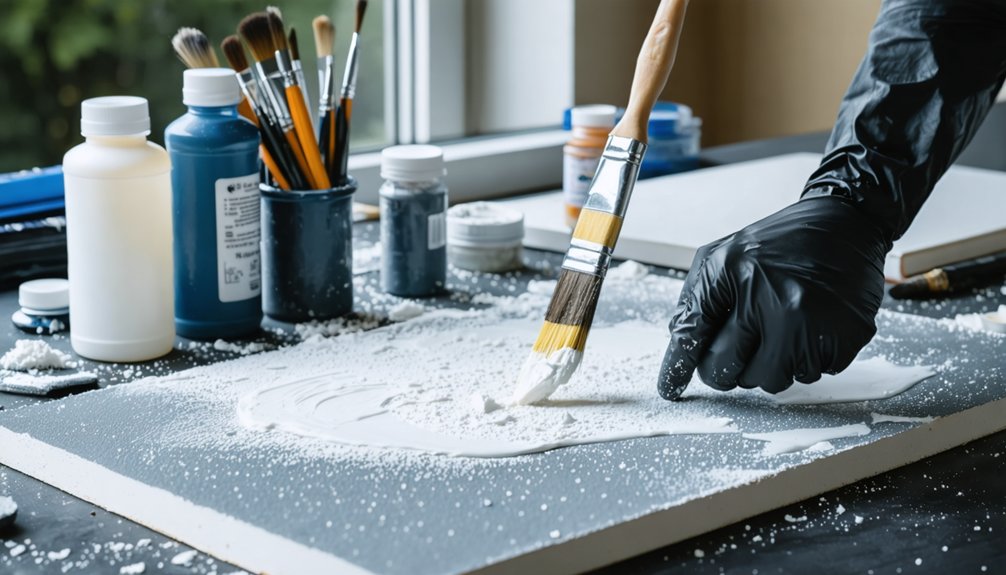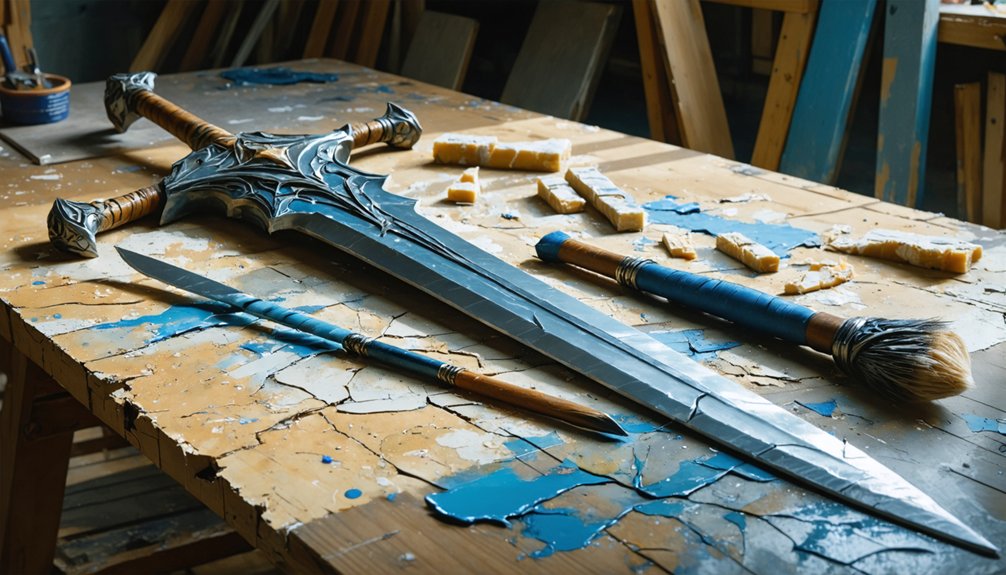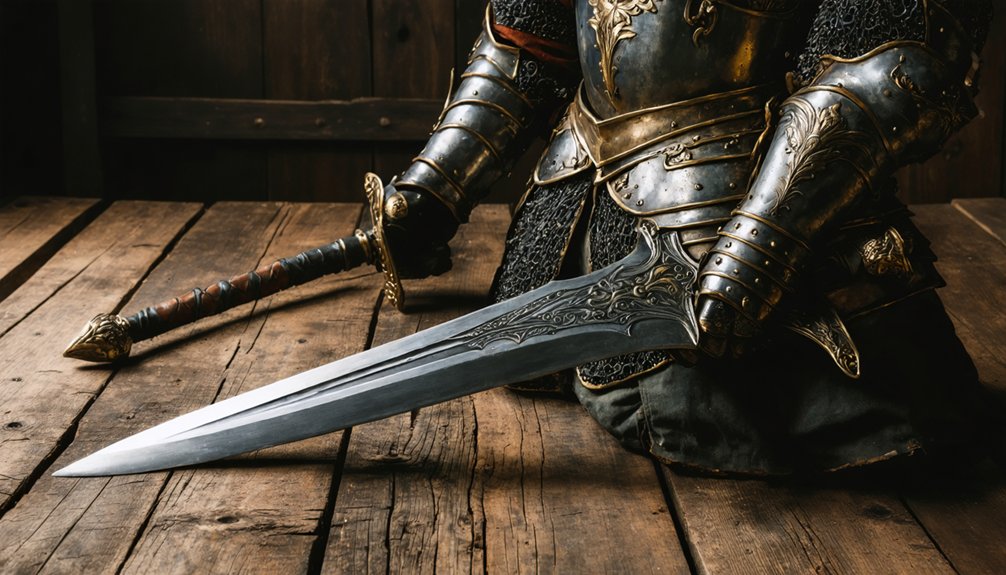
Choosing durable cosplay armor and weapon sets means you’re investing in gear that holds up across multiple conventions without constant repairs or rebuilds. Materials like EVA foam, Worbla, and fiberglass-reinforced polyurethane resist cracking, warping, and surface damage while keeping your build lightweight and comfortable throughout full event days. You’ll spend less over time, maintain sharper aesthetics, and avoid repeated material costs. Keep going to discover exactly how the right construction choices make all the difference.
Key Takeaways
- Durable materials like EVA foam and Worbla resist cracking, warping, and surface damage, ensuring armor maintains quality across multiple conventions.
- Higher upfront costs are offset by reduced cumulative spending, as durable armor eliminates frequent replacements and repeated rebuilding expenses.
- Modular designs allow component swapping and upgrades, enabling flexible customization without rebuilding entire sets from scratch.
- Lightweight, ergonomic construction distributes weight efficiently, reducing muscle fatigue and improving comfort during full-day convention wear.
- Reinforced surfaces and sealed finishes preserve sharp edges, panel lines, and detailed aesthetics after repeated transport and use.
Why Durable Cosplay Armor Is Worth the Cost
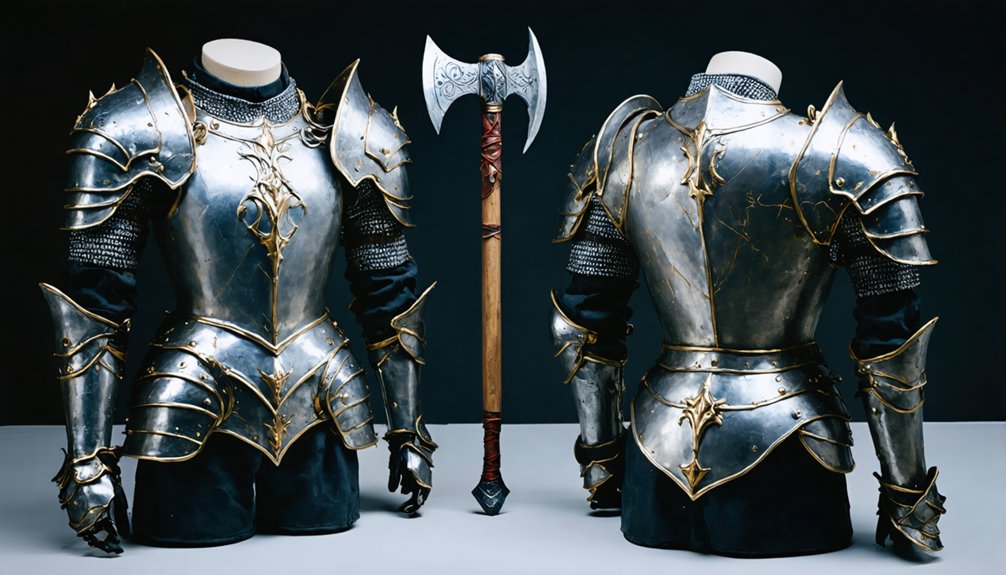
When you invest in durable cosplay armor, you’re paying for materials and construction that hold up across multiple events rather than breaking down after one convention weekend. Material flexibility plays a direct role in long-term value — EVA foam and thermoplastics like Worbla resist cracking and deformation under repeated stress, extending service life considerably.
A cost comparison between cheap craft foam builds and fiberglass-reinforced polyurethane armor reveals that higher upfront costs reduce total spending over time by eliminating constant repairs and replacements. You’re also preserving visual integrity, since stronger materials maintain sharp edges and accurate shapes across extended use.
Durable construction supports reuse, modification, and upgrades — making your armor a practical platform rather than a disposable prop built for a single appearance.
Comfort and Mobility That Last All Day
Durability means little if your armor locks you into a rigid shell that wears you down before the afternoon session ends. EVA foam and flexible thermoplastics solve this by conforming to your movement rather than fighting it. You’ll notice the difference immediately when shifting between poses, maneuvering crowded convention floors, or sustaining long photoshoots.
Weight distribution matters equally. Balanced builds reduce shoulder and hip fatigue, letting you wear armor for hours without compensating your posture.
Fabric breathability within the underlayer system directly affects costume temperature, preventing overheating during peak event hours.
Hybrid construction—rigid outer shells over lightweight internal structures—delivers both visual strength and practical endurance.
Choosing flexible, well-engineered materials isn’t a compromise on quality. It’s a precision decision that keeps you performing at full capacity throughout the entire event.
The Best Materials for Long-Lasting Cosplay Armor
Material choice determines how long your armor survives repeated convention use, transport stress, and physical wear. EVA foam delivers lightweight flexibility and sufficient structure, making it ideal for extended wear.
Worbla and Sintra thermoplastics offer stronger, more precise builds that hold edges and complex forms far better than basic craft foam. For historical accuracy in armor reproduction, fiberglass-reinforced polyurethane resists cracking while replicating authentic surface textures convincingly.
You’ll also want to contemplate material sustainability when selecting components—longer-lasting materials reduce waste and repeated replacement costs over multiple events.
3D-printed components support modular, symmetrical construction with high dimensional precision. Combining rigid outer surfaces with lighter inner structures lets you balance durability, weight, and wearability effectively.
Choosing the right material upfront prevents unnecessary rebuilding and protects your long-term investment.
How Weight Affects Wearability at Conventions
When you wear heavy armor across a full convention day, you’ll feel fatigue set in faster, limiting your endurance and reducing your enjoyment.
Dense materials like solid resin or metal concentrate weight unevenly across your shoulders, back, and hips, accelerating muscle strain during extended wear.
Lightweight builds using EVA foam or fiberglass-reinforced polyurethane distribute load more efficiently, letting you stay active longer without compromising structural integrity.
Fatigue From Heavy Armor
Heavy armor can turn a convention day into an endurance test, especially when you’re wearing dense materials like solid resin, fiberglass, or metal components for six to eight hours straight.
Muscle fatigue accumulates faster when weight distribution isn’t balanced across your frame, forcing compensatory posture shifts that strain your shoulders, lower back, and hips.
Material flexibility directly addresses this problem by allowing your build to move with your body rather than against it. EVA foam and thermoplastics reduce cumulative load without sacrificing structural integrity.
Armor padding reinforces contact points where rigid edges press against skin, preventing bruising and pressure soreness during extended wear.
Choosing lighter, flexible materials with strategic internal padding isn’t just a comfort decision—it’s a technical investment that keeps you functional and mobile throughout the entire event.
Lightweight Builds Last Longer
Fatigue from heavy armor doesn’t end when weight comes off your shoulders—it compounds across your joints, posture, and endurance the longer you wear it.
Lightweight builds using EVA foam or thermoplastics solve this by distributing load efficiently without sacrificing armor aesthetics. You get cleaner lines, sharper detail, and structural integrity that holds across multiple events.
Material flexibility also extends service life by absorbing minor impacts instead of cracking under stress.
Here’s what lightweight construction delivers:
- Reduced joint strain during extended convention wear
- Better material flexibility that resists fracturing on impact
- Preserved armor aesthetics through shape retention over time
- Lower transport stress, protecting components between events
You’re not trading durability for comfort—you’re engineering both into a single, smarter build.
Sharp Detail and Appearance You Can Actually Keep
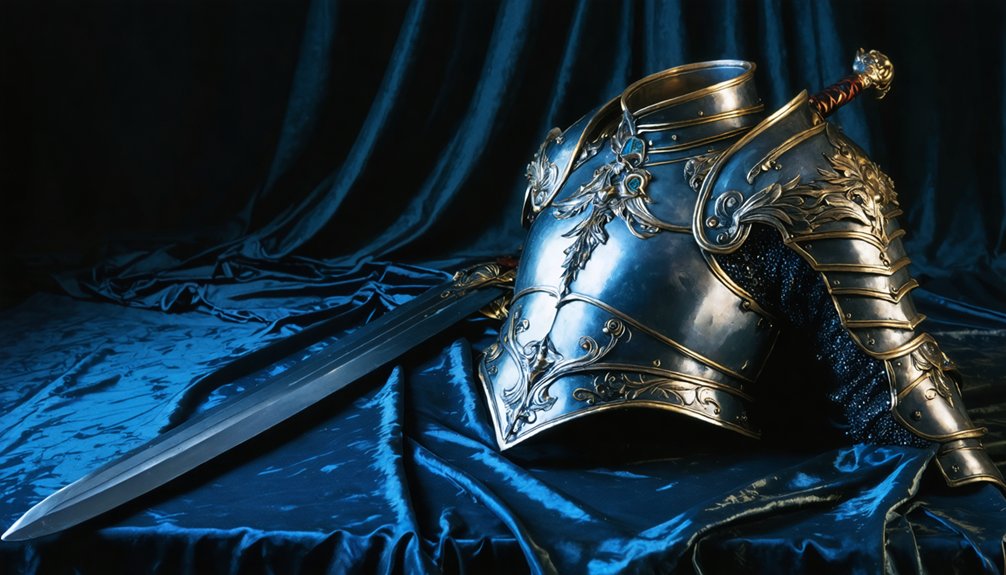
Durable materials don’t just hold up under wear—they also preserve the visual quality that makes armor worth building in the first place. When you invest in stronger thermoplastics, fiberglass, or resin-based components, you’re protecting your armor aesthetics across repeated use cycles.
Foam degrades and warps; quality materials don’t. Thermoplastics like Worbla hold sharp edges and clean panel lines even after transport and handling, maintaining visual fidelity that cheaper builds lose after a single event.
3D-printed parts replicate symmetrical geometry consistently, while sealed foam achieves convincing metallic finishes that resist scuffing. You won’t need to repaint, reshape, or patch pieces constantly.
Durable construction locks in the precision detailing you worked to achieve, so your armor looks event-ready every time you wear it.
Safety Advantages of Well-Built Cosplay Armor
Well-built cosplay armor keeps you safer by eliminating the structural failures that cause the most common event injuries. Proper armor articulation prevents joints from locking unexpectedly, reducing strain during extended movement. Meeting safety compliance standards at conventions also guarantees you’re not turned away at entry points.
Key safety advantages include:
- Stable fastening systems keep panels secured, preventing shifts that cause trips or falls
- Flexible joints maintain armor articulation without pinching or restricting circulation
- Impact-resistant materials absorb minor collisions instead of shattering into sharp fragments
- Proper sealing and finishing eliminate exposed edges that cut skin during wear
Durable construction addresses each failure point before it becomes a hazard. You’re investing in gear that performs reliably across multiple events without compromising your physical safety.
How Quality Cosplay Armor Saves You Money Over Time
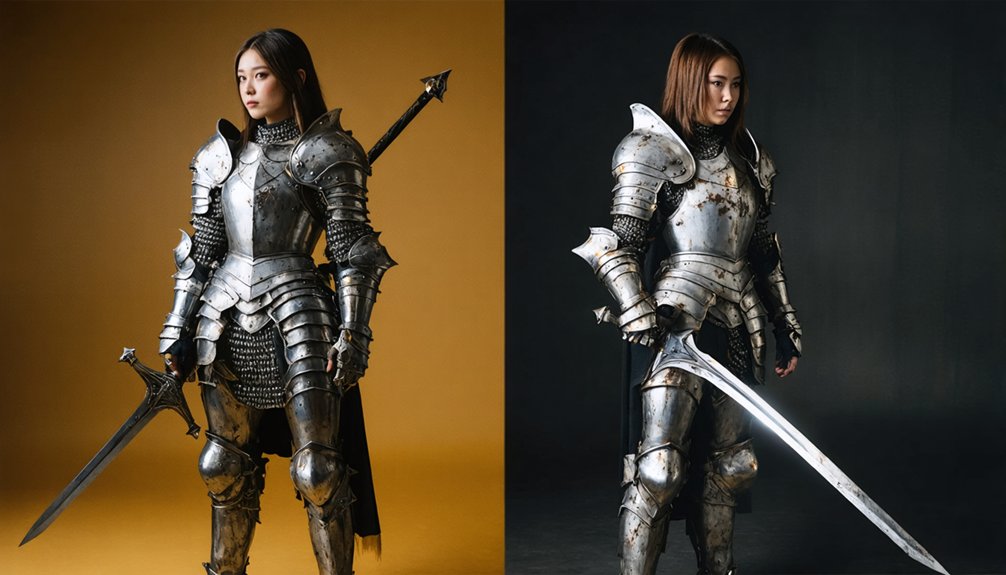
When you invest in quality cosplay armor, you’re cutting long-term replacement costs by choosing materials like fiberglass-reinforced polyurethane or Worbla that resist cracking and wear across repeated use cycles.
Durable construction means you’ll spend less time and money on repairs caused by impact damage, broken fastenings, or warped components after each event.
A well-built set also supports reuse across multiple conventions and photoshoots, making the higher upfront cost a smarter financial decision than repeatedly replacing cheap, short-lived alternatives.
Lower Long-Term Replacement Costs
Choosing quality materials upfront cuts your long-term cosplay costs markedly, because armor built from fiberglass-reinforced polyurethane or thermoplastics like Worbla resists cracking, warping, and structural failure far better than cheaper alternatives.
A proper cost analysis reveals that durable builds dramatically reduce replacement frequency across multiple events.
Material versatility also lets you repair, modify, and upgrade existing pieces rather than rebuilding entirely from scratch.
Key financial advantages of durable cosplay armor include:
- Fewer repairs after transport, posing, or extended convention wear
- Longer service life across multiple events without structural degradation
- Reduced material waste through reusable, modifiable construction
- Lower cumulative spending compared to repeatedly replacing cheap foam builds
Investing in high-quality construction from the start keeps your total ownership cost substantially lower over time.
Fewer Repairs Over Time
Quality construction directly cuts your repair frequency because materials like fiberglass-reinforced polyurethane and Worbla resist the cracking, delamination, and surface degradation that cheaper foam builds develop after repeated transport and event wear.
Cosplay durability isn’t accidental — it’s engineered through proper material selection, layered construction, and sealed surface finishing that together prevent structural failure under real-world stress conditions.
Armor longevity depends on how well your build handles flex points, impact zones, and attachment hardware over multiple convention cycles.
Thermoplastic components maintain dimensional stability where basic craft foam warps or compresses.
Reinforced edges hold paint and finish coatings without chipping.
Each avoided repair represents saved time, materials, and labor.
You’re not patching the same weak points repeatedly — you’re wearing a set that performs consistently across every event you attend.
Reuse Across Multiple Events
Durable cosplay armor built from materials like fiberglass-reinforced polyurethane or Worbla doesn’t depreciate the way cheap foam sets do — it holds structural integrity, finish quality, and fit across multiple event cycles, making your upfront investment work harder over time.
A modular design amplifies this advantage by letting you swap, upgrade, or repurpose individual components without rebuilding entire sets.
Custom paint also extends reuse value — properly sealed surfaces resist chipping through repeated transport and wear.
Key reuse advantages include:
- Structural retention across high-contact convention environments
- Modular design compatibility for character variant builds
- Custom paint durability through sealed, layered finishing systems
- Fit consistency that eliminates recurring adjustment costs
You’re not buying armor per event — you’re purchasing a long-cycle system that compounds value with every use.
Frequently Asked Questions
How Should Durable Cosplay Armor Be Stored Between Events?
Store your cosplay armor in padded containers or breathable bags to prevent warping. Prioritize proper cosplay storage by keeping pieces dry and cool. Consistent armor maintenance extends lifespan, protecting your investment between events effectively.
Can Durable Cosplay Armor Be Repaired if It Gets Damaged?
Yes, you can repair damaged cosplay armor using targeted repair techniques suited to your cosplay materials. Patch EVA foam with heat bonding, reinforce Worbla with reactivation, and seal fiberglass cracks using compatible resins for lasting restoration.
Are Durable Cosplay Armor Sets Allowed at All Conventions?
Over 60% of conventions enforce cosplay safety policies. You’ll find that most allow durable sets if they meet costume authenticity standards—check each event’s prop rules before attending, as guidelines vary widely.
How Do You Clean Cosplay Armor Without Damaging the Finish?
Use gentle cleaning techniques with a damp microfiber cloth and mild soap for finish preservation. You’ll want to avoid harsh chemicals that strip sealants. Always dry thoroughly and reapply protective coatings to maintain your armor’s surface integrity.
Can Durable Cosplay Armor Be Resized if Your Body Changes?
Yes, you can resize durable cosplay armor. Despite seeming rigid, material flexibility in thermoplastics like Worbla allows custom resizing through reheating and reshaping, letting you adjust your fit precisely as your body changes over time.
References
- https://www.reddit.com/r/CosplayHelp/comments/123ve5c/cosplay_armor_material_that_isnt_eva_foam/
- https://juliechantal.com/en/blogs/crafting/10-cosplay-materials-to-try
- https://nerdsonearth.com/2016/07/cosplay-materials-101/
- https://www.alibaba.com/product-insights/armour-cosplay.html
- https://gametyrant.com/news/leveling-up-your-cosplay-a-gamers-guide-on-where-and-how-to-buy-larp-armor-that-lasts
- https://www.famcut.com/blogs/tips-and-tricks/how-to-make-cosplay-armor
- https://www.reddit.com/r/CosplayHelp/comments/1guxzc5/metal_armor_for_cosplays_yes_or_no/
- https://www.reddit.com/r/MMORPG/comments/ncx8d4/do_you_prefer_gear_with_limited_usedurability_or/