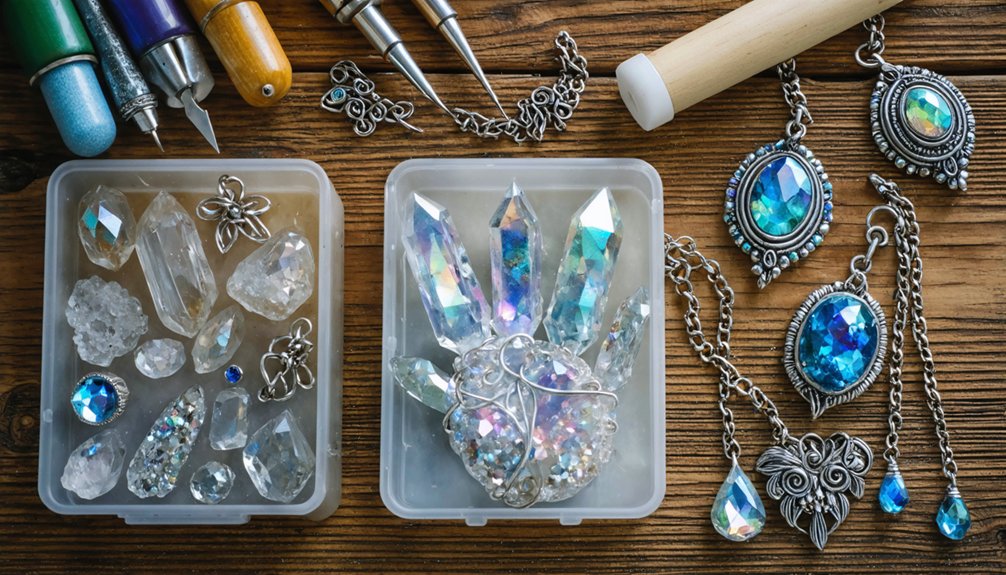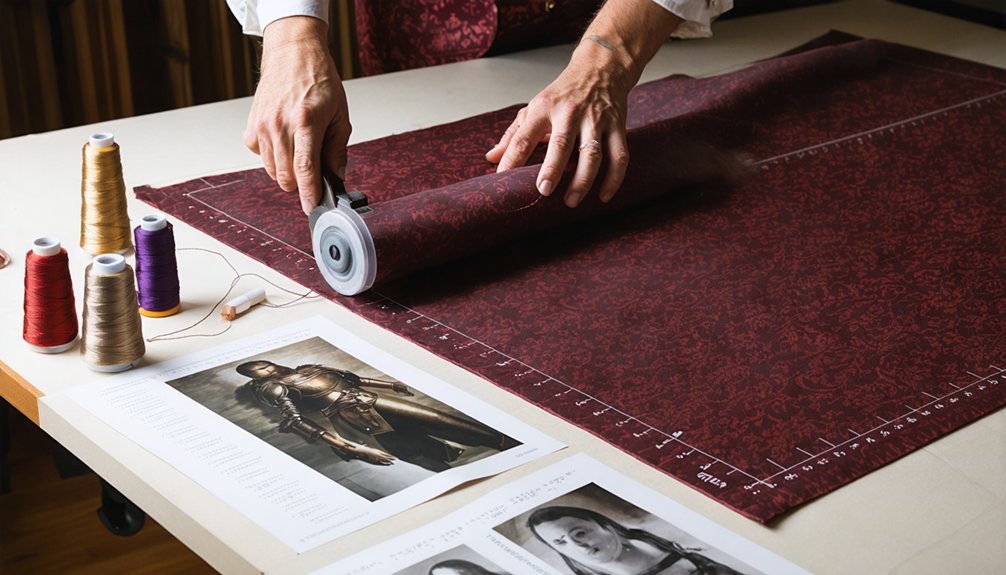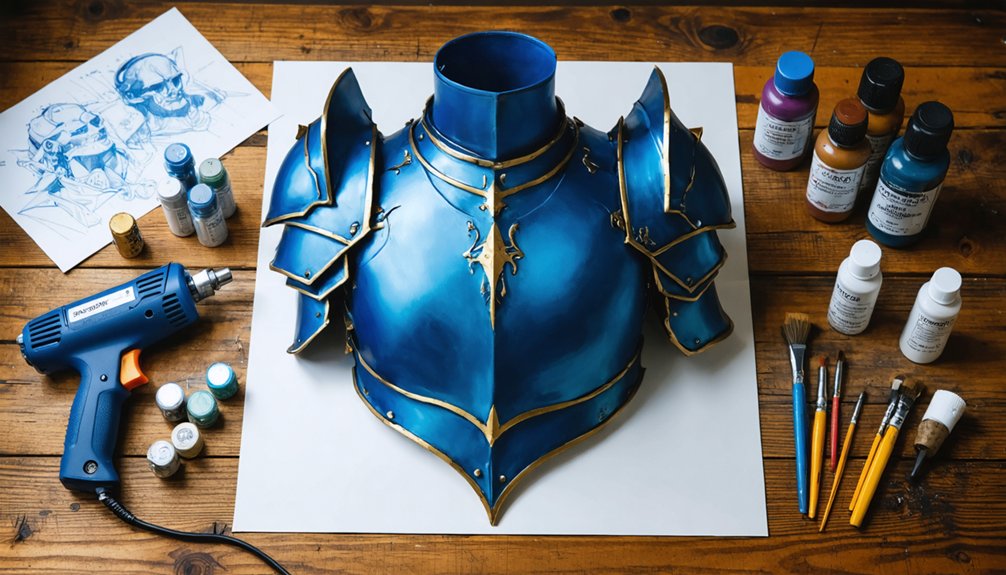
Crafting trendy cosplay accessories starts with identifying your character’s three core recognition elements, then selecting the right materials—EVA foam for large props, Worbla for complex curves, and vegetable leather for structured wearables. You’ll reinforce internal frameworks with PVC pipes, seal finished pieces with Plasti Dip, and layer paint using dry-brushing and weathering techniques. Stress-test everything before convention day. The detailed steps ahead will sharpen every stage of your build.
Key Takeaways
- Identify your character’s three core recognizable elements first to guide accessory selection and ensure instant, accurate visual identification.
- Choose materials wisely: EVA foam for large lightweight pieces, Worbla for complex curves, and vegetable leather for structured wearables.
- Reinforce all props internally using PVC pipes or wooden dowels to prevent flexing, snapping, and structural failure during use.
- Seal foam with 2-3 Plasti-Dip coats, then layer base coats, midtones, and dry-brushed highlights for polished, screen-accurate finishes.
- Stress-test completed accessories by flexing joints and wearing them two hours minimum to catch comfort and durability issues early.
Plan Your Cosplay Accessories Around the Character’s Core Look
Before you cut a single piece of foam or thread a wig fiber, you need to identify your character’s recognition triad—the three core elements that trigger instant identification in any crowd.
Pull your reference directly from official manga, game, or animation materials—never fan art—to lock in accurate proportions and color relationships.
Once you’ve defined that triad, let it drive every accessory placement decision. Position high-visibility pieces where they reinforce character recognition fastest: headgear, signature props, and dominant color blocks come first.
Secondary details follow only after your core reads clearly at distance.
Define your accessory scope early. Narrowing your build list upfront keeps fabrication realistic, controls costs, and guarantees wearability matches your event format—whether that’s a convention floor, photoshoot, or stage performance.
Choose the Right Materials for Each Cosplay Accessory Type
With your recognition triad locked and your accessory scope defined, material selection becomes the next decision that either holds your build together or quietly undermines it.
Each accessory type demands a specific material logic. Reach for EVA foam when building large props or armor forms where weight penalties would punish extended wear.
Switch to Worbla when complex curves, heat-formed detail, or long-term material versatility matter more than fast fabrication.
High-density foam strengthens helmets and stress points where rigidity is non-negotiable.
For soft gear, belts, and capes, fabric durability determines whether your costume survives one convention or a dozen.
Vegetable leather handles structured wearable pieces exceptionally well, hardening into precise shapes after wet-forming.
Match your material to function first, then optimize for aesthetics.
Build Internal Supports and Structural Frameworks That Last
Once your materials are staged, the internal skeleton you build determines whether a prop holds its shape through a full convention day or fails mid-photoshoot.
For staffs and weapons, thread PVC pipe or wooden dowels through the core before sealing foam layers around them. This internal reinforcement eliminates flex points that cause snapping under handling stress.
Layer your foam strategically—thinner sheets build contour while denser cores supply structural stability at load-bearing zones like grips, joints, and mounting points.
Reinforce curved sections with Worbla overlays heat-formed directly onto the foam before final assembly.
Test-fit every component repeatedly as you build. Catch balance issues and weak joints early rather than discovering failures after paint cures.
A well-engineered framework transforms ambitious designs into durable, wearable props.
Finish, Paint, and Weather Your Cosplay Accessories Like a Pro
Sealing your foam before painting isn’t optional—it’s the step that separates professional-looking builds from chalky, cracked finishes. Apply two to three coats of Plasti Dip, letting each layer cure fully before proceeding. This creates a flexible, paint-ready surface that won’t crack under movement.
Skipping the sealant isn’t saving time—it’s guaranteeing a finish that cracks, chalks, and disappoints.
For color matching, reference your source material under natural light and mix acrylics until you nail the exact hue. Flat base coats go first, followed by midtones, then edge highlights using a dry brush technique.
Weathering techniques elevate your build from costume to prop-quality art. Sponge-apply dark washes into recessed areas, then dry brush lighter tones along raised edges to simulate wear.
Stipple rust or grime effects using torn foam sponges for convincing texture and battle-worn realism.
Test Your Accessories for Accuracy, Weight, and Wearability Before Convention Day
Before you pack a single accessory into your convention bag, run a full accuracy check against your canonical source image—not fan art, not memory. Verify shape, color saturation, and proportion against the reference. Even small deviations compound visually under convention lighting.
Next, stress-test accessory durability by flexing joints, pulling attachment points, and simulating crowd contact. Weak bonds fail mid-event, not at home.
Comfort testing matters equally. Wear the full accessory load for at least two hours straight. Walk, sit, and navigate tight spaces. Identify pressure points, balance issues, or mobility restrictions while you can still fix them.
Redistribute weight using internal structural adjustments if anything feels front-heavy or unstable. Approve nothing until accuracy, durability, and comfort all clear simultaneously.
Frequently Asked Questions
How Do You Store Large Cosplay Accessories Safely Between Convention Events?
Sure, just toss them in a pile! Instead, use proper storage solutions: wrap fragile protection layers around foam pieces, store vertically in labeled bins, and you’ll preserve your accessories perfectly between events.
Can Beginners Sell Handmade Cosplay Accessories Without Violating Copyright Laws?
You can sell handmade cosplay accessories, but copyright concerns make handmade legality complex. You’re steering through fan-art gray zones, so avoid mass production, don’t replicate logos exactly, and always research the IP holder’s official fan commerce policies.
What Insurance Options Exist for Expensive or Fragile Convention Cosplay Props?
Over 40% of cosplayers report prop damage at events. You’ll want cosplay insurance through specialty event insurers or personal property protection plans covering fragile, high-value props against accidental breakage, theft, and transit damage during conventions.
How Do You Ship Oversized Cosplay Accessories Without Causing Structural Damage?
Disassemble your oversized accessories before shipping. Wrap each section in foam, secure with protective packaging, and reinforce box corners. You’ll want to attach clear shipping labels and mark boxes “Fragile” to prevent handler mishandling.
Which Online Communities Offer Feedback Specifically for Beginner Cosplay Accessory Makers?
Like a forge shaping raw metal, Reddit’s r/cosplay and CosplayCraft Facebook groups’ll sharpen your skills. You’ll find beginner crafting tips, Cosplay material sourcing advice, and honest feedback from experienced makers who actively nurture newcomers’ creative growth.
References
- https://juliechantal.com/en/blogs/crafting/10-cosplay-materials-to-try
- https://www.procosplay.com/cosplay-accessories
- https://www.reddit.com/r/CosplayHelp/comments/1flenef/good_fabrics_to_use_in_cosplay/
- https://starstruckpanda.com/best-pop-culture-icon-accessories-for-cosplay/
- https://electronics.alibaba.com/buyingguides/cool-cosplays-guide-how-to-choose-tech-enhanced-accessories
- https://sallietomato.com/pages/cosplay-supplies
- https://toxigon.com/how-to-make-your-own-cosplay-accessories
- https://starstruckpanda.com/how-to-create-character-accurate-cosplay-accessories/