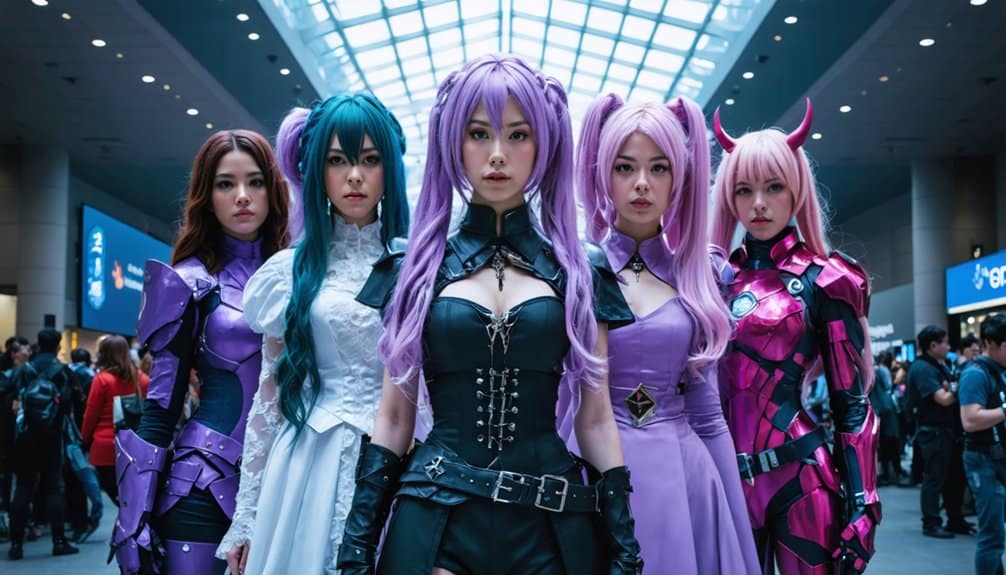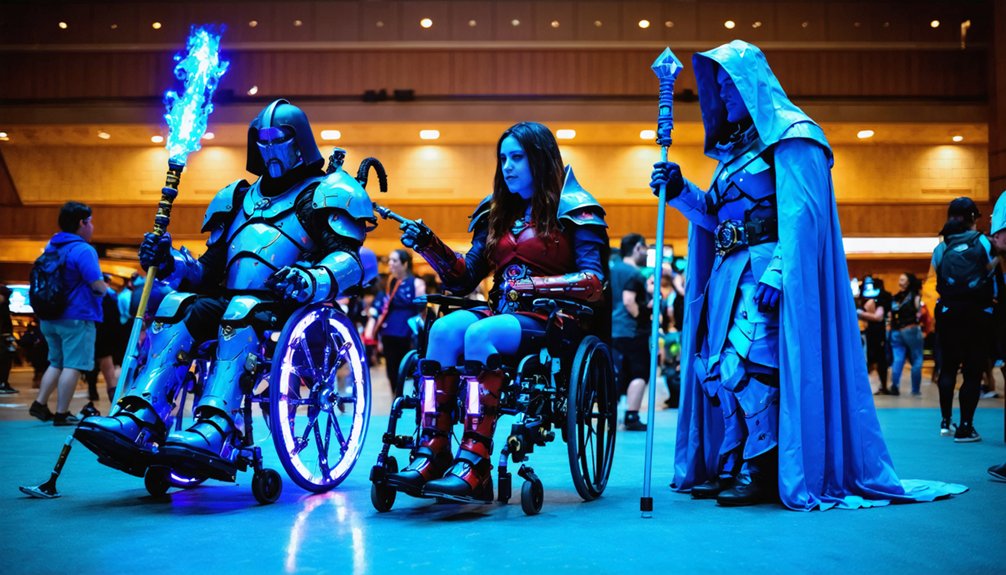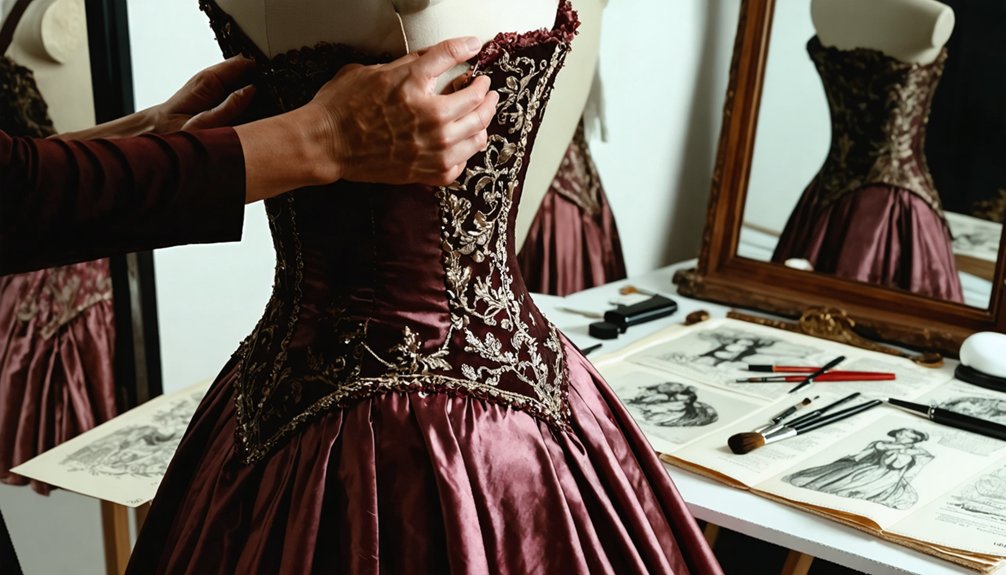
You’ll anchor genderbent cosplay identity by preserving signature colors and translating structural elements—transform Sailor Moon’s pleated skirt into pleated pants while maintaining the uniform’s chromatic DNA. Master facial contouring to sculpt angular jawlines, position bronzer strategically below cheekbones, and shadow inner eye corners for prominent brow ridges. Cross-reference multiple fan art interpretations to synthesize unique fabric choices and construction techniques while maintaining canonical coverage levels to honor the character’s narrative essence. The following strategies reveal how material selection, lighting considerations, and community testing refine your transformation’s visual impact.
Key Takeaways
- Preserve character identity through signature colors and accessories while adapting garment structures to masculine or feminine silhouettes.
- Use strategic contouring to create angular jawlines and prominent brow ridges or softer features depending on gender transformation goals.
- Maintain canonical clothing coverage levels to honor source material and avoid over-sexualization while communicating character personality.
- Translate iconic elements through material and construction choices, like converting pleated skirts to pleated pants for structural continuity.
- Study multiple fan art interpretations to synthesize unique design concepts balancing recognizable features with innovative costume solutions.
Preserve Core Character Elements While Adapting for Gender Expression
When you genderbend a character, the visual foundation remains anchored in their original design DNA—color palettes, silhouettes, and signature features that fans recognize instantly. Misty’s orange hair translates to masculine styling while preserving hue integrity.
Sailor Moon’s pleated skirt becomes pleated pants, maintaining the uniform’s structural language without forcing gender norm compliance. You’ll maximize character believability by retaining canonical hairstyles—short crops stay short if the costume shift communicates the swap effectively.
Core props and mannerisms anchor identity beyond clothing adjustments. Fan art provides proven adaptation frameworks: Female Polnareff combines multiple interpretations while preserving signature elements.
Your research phase demands understanding the character’s emotional landscape and physical vocabulary. This technical approach guarantees the genderbent version reads as authentic transformation rather than generic costume modification.
Balance Femininity and Masculinity Through Strategic Color and Symbol Retention
Color selection functions as your primary nonverbal communicator in genderbent cosplay, establishing immediate recognition while signaling intentional transformation. Strategic color harmony maintains character identity while reframing gender presentation through psychological associations. Your palette choices create visual continuity that anchors recognition even as you shift coded elements.
Color serves as your silent storyteller, maintaining character essence while deliberately reconstructing gender through strategic palette preservation and psychological chromatic associations.
Essential color and symbol retention strategies:
- Preserve signature colors in modified garment structures (character’s red cape becomes tailored red jacket)
- Deploy expressive textures to communicate gender shifts without altering core palette
- Maintain iconic accessories through strategic adaptation rather than elimination
- Use color gradients to bridge original and transformed gender presentations
- Balance culturally-coded hues with character-specific chromatic identity
This approach guarantees recognizability while demonstrating sophisticated gender reinterpretation through material choices.
Master Contouring and Highlighting Techniques for Convincing Gender Transformation
Strategic facial sculpting breaks down the barrier between your natural bone structure and your character’s gender presentation, transforming soft curves into angular planes or vice versa through calculated shadow and light placement.
For masculine jawlines, position bronzer below cheekbones and around your chin, mimicking square skull geometry. Layer brown eyeshadow over blended bronzer to deepen contours. Create prominent brow ridges by shadowing inner eye corners beneath eyebrows, establishing that characteristic male overhang effect.
Apply foundation and concealer first, then build contours gradually with a residue-dampened sponge, sharpening edges with each pass. This contouring innovation demands precision—blend out junctions using matching eyeshadows for seamless integration. Stack shadows by your cupid’s bow to reduce lip delicacy.
These techniques enable realistic gender portrayals, fundamentally restructuring perceived facial architecture through strategic pigment manipulation.
Draw Inspiration From Multiple Fan Art Sources for Unique Design Concepts
You’ll strengthen your genderbent design by examining how artists like Jarsic, Nakazayo, and Kerin Cunningham interpret the same character through different visual lenses—noting which elements appear consistently across multiple renditions while identifying unique flourishes that distinguish each interpretation.
Cross-reference fabric choices, color saturation levels, and accessory placement from at least three fan art sources to map recurring design motifs that signal the character’s identity without relying on gender-specific markers.
Balance these recognizable elements with your original material selections and construction techniques to create a costume that reads as both familiar and distinctly transformed.
Blend Diverse Artistic Interpretations
Fan art repositories across platforms like DeviantArt, ArtStation, and Twitter contain thousands of genderswap interpretations that’ll reshape your approach to costume construction. Synthesizing multiple artist visions creates fluid gender representation beyond single-source limitations.
Jarsic’s power-focused aesthetics combined with Miyasaki’s anime styling demonstrates how diverse artistic narratives generate innovative costume solutions.
Strategic blending techniques:
- Cross-reference color palettes from three artists minimum to develop signature schemes that balance character recognition with personal interpretation
- Extract silhouette elements from comic, anime, and realistic renders to construct hybrid costume profiles
- Study fabric rendering techniques across digital art styles to inform material selection for movement and drape
- Document proportion variations between artists to identify gender-presentation options for armor, accessories, and garment fit
- Analyze lighting approaches to plan makeup strategies that translate two-dimensional art into dimensional costume performance
Identify Recurring Design Elements
When analyzing genderbend interpretations across multiple fan artists, pattern recognition separates character-essential elements from gender-coded styling. You’ll notice female Polnareff consistently retains his vertical hair silhouette and star-shaped accessories, while masculine sailor scouts preserve color palettes and planetary symbols. Track which design features appear across 70% of interpretations—these represent canonical DNA worth preserving.
You can leverage cultural norms strategically by identifying how different artists navigate the same character transformation. Japanese fan artists might emphasize dansō subtlety, while Western creators push hyper-feminization boundaries. Document recurring fabric choices, silhouette adjustments, and accessory placements. When you incorporate symbolic representations—Tuxedo Mask’s rose transformed into hair ornaments, sailor collars adapted to masculine necklines—you’re building costume architecture that honors both source material and transformative vision.
Balance Originality With Recognition
Cross-referencing multiple fan interpretations creates a design foundation that reads as familiar yet distinctive. You’ll extract core elements from various sources—DeviantArt photo shoots, TikTok transformations, and Lemon8 galleries—then synthesize them into your unique vision. This collaborative costuming approach guarantees your genderbend maintains recognizable character traits while introducing fresh perspectives.
Strategic community engagement amplifies your creative process:
- Analyze color palette consistency across anime sources and fan adaptations to preserve character essence
- Integrate signature accessories like Gojo’s blindfold or Kakashi’s boots from original designs
- Blend personal styling choices with established iconic features for individual expression
- Document transformation decisions through platform-specific hashtags for peer feedback
- Combine multiple reference points from cosplay communities to avoid direct replication
This multi-source methodology delivers innovation without sacrificing instant character recognition.
Avoid Over-Sexualization by Staying True to Canon Character Coverage
Canon character coverage provides your design foundation—examine original silhouettes, fabric placement, and skin-to-garment ratios before adding feminine elements. You’ll preserve narrative authenticity by translating male proportions into female-coded cuts without defaulting to cleavage, midriff exposure, or shortened hemlines.
Reference official art, in-game models, and animation stills to identify which design elements communicate the character’s identity, then replicate those structural features in your genderbent interpretation.
Canon Coverage Takes Priority
Canon-based construction principles:
- Document armor segments, layering systems, and garment lengths across all official media appearances to identify non-negotiable coverage elements
- Map silhouette boundaries that define character recognition—these remain constant regardless of gender presentation shifts
- Identify structural details like collar heights, sleeve lengths, and hemlines that communicate character function
- Preserve protective coverage inherent to warrior, mage, or occupational character designs
- Reference official genderbent variations when they exist within franchise canon
Balance Femininity Without Exposure
When transforming character designs across gender presentations, you’ll maintain structural integrity by preserving the original coverage proportions that define the character’s role and personality. Fitted tailoring accommodates curves through strategic clothing draping that follows your body’s contours without exposing additional skin beyond canon specifications.
Layer garments to create feminine silhouette depth while maintaining the character’s established modesty level—hip padding and breast contouring establish proportions beneath fabric rather than through revealing cuts. Neckline and hemline adjustments should mirror the original design’s coverage intent.
You’ll achieve femininity through minimal ornamentation choices: selecting delicate jewelry, softer fabric textures, and refined color palettes rather than defaulting to exposed areas. This approach honors both the character’s narrative context and your gender presentation goals without compromising authenticity.
Reference Original Design Elements
By anchoring your genderbent design to the original character’s established visual elements, you’ll preserve recognition while preventing unnecessary sexualization. Core components—color schemes, signature props, and coverage levels—serve as your design framework. Transform structural elements through minimalist silhouette adjustments: convert overalls to bib-front dresses, adapt boxy jackets to form-fitting cuts while maintaining fundamental architecture.
Strategic modifications achieve gender indication without excess alterations:
- Preserve iconic color palettes and identifiable accessories for instant recognition
- Implement modular accessories integration to swap boots for heels while maintaining outfit coherence
- Maintain canon coverage standards to avoid unnecessary skin exposure
- Reference established fan art and official genderbends for proven design solutions
- Execute minimal transformations—pants to skirts, hair styling—that signal gender effectively
Each adjustment reinforces character essence through purposeful material choices and silhouette precision.
Maintain Recognizable Features Through Thoughtful Costume Reinterpretation
Technical details demand precision: hemmed asymmetrical sleeve openings echo canonical design quirks, while poly fill reinforces collar stands for structural accuracy.
Select wigs matching canonical hair characteristics, and employ fabric paint for character-specific detailing.
Your material choices—ranging from felt textures to specific thread colors—communicate dedication to authenticity within innovative reinterpretation.
Test Your Design at Conventions and Gather Community Feedback
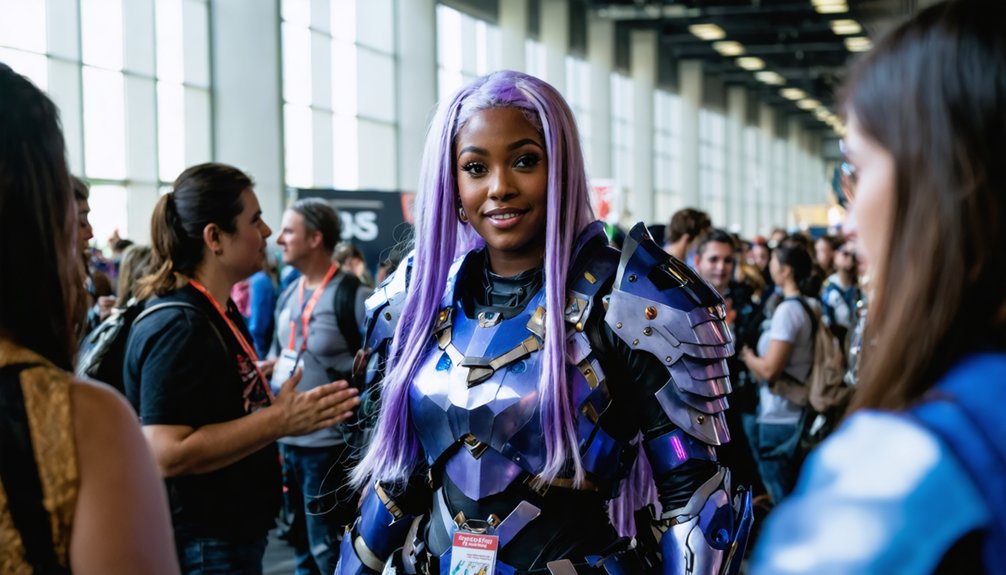
Once you’ve engineered your genderbent design through precise fabric selection and structural modifications, conventions function as controlled testing environments where your reinterpretation meets its intended audience. This costume testing process reveals how effectively your material choices communicate character identity across gender presentations.
Convention floors offer community feedback opportunities through structured panels and organic interactions, where fellow cosplayers analyze your hyper-masculinization or hyper-feminization techniques.
Strategic testing approaches include:
- Gathering recognition data across multiple convention appearances (14+ events recommended)
- Documenting feedback on specific elements—skirt drape, armor proportions, wig construction
- Participating in gender-bending panels for structured design critique
- Leveraging social media extensions (TikTok, Reddit) for amplified response analysis
- Utilizing Cosplay Is Not Consent frameworks to guarantee constructive feedback environments
These iterations refine your technical execution and material interpretation.
Frequently Asked Questions
What Fabrics Work Best for Creating Gender-Neutral Silhouettes in Cosplay?
You’ll achieve silhouette optimization through strategic fabric selection: structured gabardine and twill create clean lines, while Lycra and spandex provide gender-neutral contouring. Layer opaque neoprene with draping polyester to balance masculine structure with fluid, androgynous movement in your design.
How Do You Handle Wig Styling Differently for Genderbent Characters?
Like ancient alchemists transforming base metals, you’ll revolutionize genderbent styling through strategic wig color selection—choosing tones that complement your features—and precise wig cut adjustments, reshaping layers and fringe angles to authentically reflect your character’s gender-swapped essence.
Should Footwear Change Dramatically When Gender-Swapping a Character’s Design?
You don’t need dramatic footwear changes—strategic footwear selection focuses on character essence rather than rigid gender codes. Prioritize comfortable shoe choices that complement your reimagined silhouette while maintaining recognizable design elements through material textures, heel heights, and structural details.
What Binding or Padding Methods Are Safest for Body Transformation?
You’ll achieve safest transformation using properly-sized chest compression techniques with breathable binders (8-hour maximum wear) and medical-grade silicone breast forms secured with skin-safe adhesive. Monitor circulation constantly, take breaks every four hours, and prioritize breathable materials.
How Do You Photograph Genderbent Cosplay to Showcase the Transformation Effectively?
You’ll maximize transformation through strategic lighting techniques—softened flash preserves contouring—and gender-specific posing strategies: MtF uses closed stances with 3/4 angles to emphasize curves, while FtM employs wide legs and straight-on shots for commanding presence.