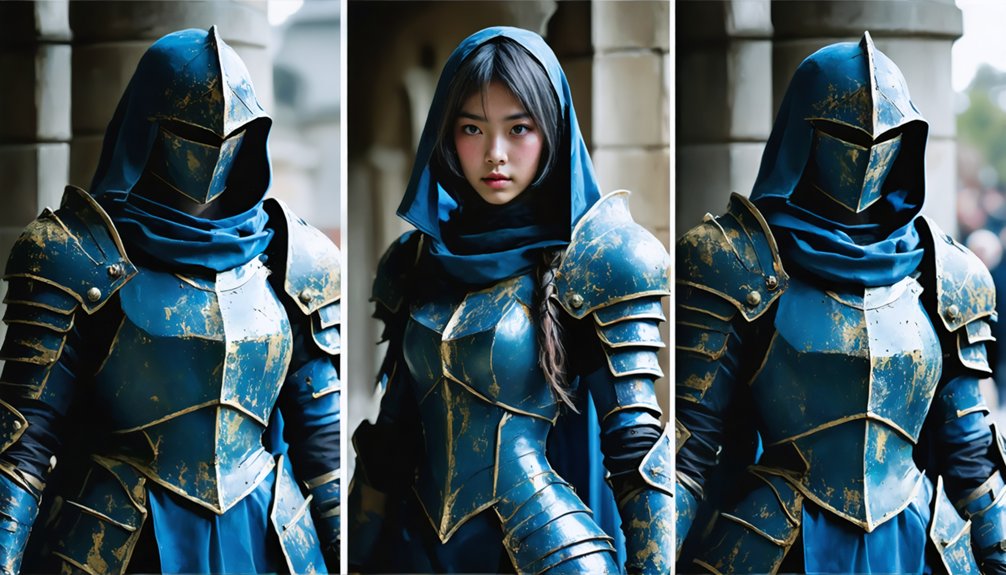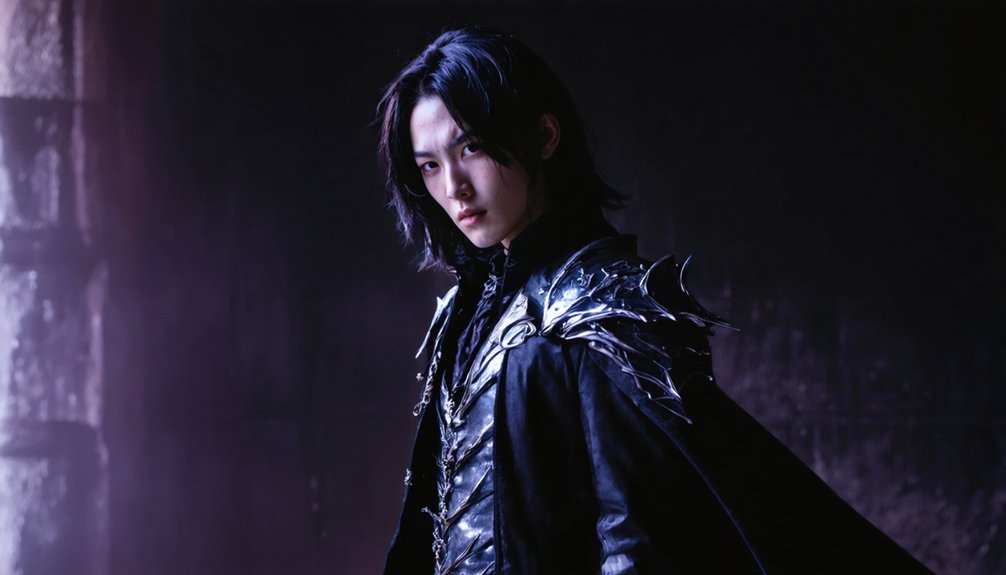
To capture a character’s personality through cosplay, you’ve got to go deeper than the costume itself. Study every scene, mannerism, and emotional pattern that defines them. Mirror their posture, gestures, and vocal quirks until those details feel natural. Authentic embodiment comes from understanding their wounds, motivations, and convictions — not just their wardrobe. The costume signals who they are, but *you* have to breathe life into it, and there’s much more to unpack ahead.
Key Takeaways
- Study every scene, line, and detail of your character to understand their motivations, emotional patterns, and psychological depth before creating your costume.
- Observe behavioral patterns, nonverbal cues, and signature gestures that reveal your character’s worldview and emotional states under pressure.
- Match your posture, movement, and body language to your character’s attitudes, adjusting voice pitch and pace to mirror their speech.
- Rehearse key scenes, especially moments of conflict and vulnerability, to build authentic character energy and identify signature poses.
- Use audience reactions as live feedback, treating unprompted recognition as a success indicator and refining your portrayal continuously over time.
What Separates a Memorable Cosplay From a Hollow Costume
When you slip into a costume without understanding the soul behind it, you end up wearing clothes rather than embodying a character. That distinction defines everything. A hollow costume replicates surface aesthetics — the colors, the silhouette, the props — but misses the emotional resonance that makes an audience genuinely feel something.
Memorable cosplay demands character depth. You’re not just recreating a visual; you’re channeling motivations, wounds, quirks, and convictions.
How does this character carry tension? What drives their expressions? Those internal layers translate directly into your posture, your gaze, your energy.
When you invest in understanding who a character truly is beneath the design, your portrayal transforms from imitation into interpretation. That’s the shift from looking like someone to *becoming* them.
Study Your Character Before Touching a Single Prop
Before you sew a single stitch or buy a single prop, immerse yourself completely in your character’s source material — watch every scene they appear in, read every line they speak, and absorb every detail that defines who they are.
You’re not just memorizing a look; you’re studying a personality, so pay close attention to how your character walks, reacts under pressure, and carries themselves in quiet moments.
The more you understand their motivations, relationships, and emotional patterns, the more naturally their mannerisms will translate into your performance.
Dive Into Source Material
Studying your character before touching a single prop isn’t just preparation — it’s the foundation of an authentic portrayal. Diving deep into source material reveals character motivations, emotional connections, and relationship dynamics that costumes alone can’t communicate.
Explore these essential research layers:
- Narrative arcs and character growth — trace transformation across storylines to understand psychological depth.
- Iconic moments and thematic elements — identify peak scenes showcasing authentic emotional expression and visual aesthetics.
- Artistic interpretations — study official artwork, fan analyses, and creator interviews for nuanced insight.
When you genuinely understand why your character acts, speaks, and moves as they do, your portrayal transcends imitation. You’re not wearing a costume — you’re channeling a living, breathing perspective shaped by complex storytelling and intentional design.
Analyze Personality And Mannerisms
Understanding source material sets the stage, but it’s the character’s personality and mannerisms that truly breathe life into your portrayal. Dig into their psychological motivations, internal struggles, and relationship dynamics to uncover what drives every decision they make.
Notice their behavioral patterns and interaction nuances — how they respond under pressure, express joy, or mask vulnerability. Study their nonverbal cues, expressive gestures, and subtle tics that audiences instantly recognize. These distinctive traits and iconic expressions aren’t decorative; they’re emotional depth made visible.
Ask yourself what character quirks reveal about their worldview. Does nervousness manifest through fidgeting? Does confidence appear in deliberate stillness?
Mapping these details transforms your performance from costume-wearing into genuine embodiment. You’re not just dressing like them — you’re thinking, moving, and reacting like them.
Use Costume Details to Lock In Your Character’s Personality
Once you’ve studied your character inside and out, your costume becomes the physical language that communicates their personality before you say a word or strike a pose.
A character’s signature details — Cloud’s Buster Sword, Sailor Moon’s odango buns, or Batman’s utility belt — aren’t just aesthetic choices; they’re visual shorthand for everything that defines them.
Stack those details with carefully chosen accessories, and you amplify specific personality traits, transforming a generic outfit into an unmistakable, living portrait of the character.
Signature Details Define Characters
A character’s signature details — the glint of a specific weapon, the drape of a signature cloak, or the precise shade of an iconic hairstyle — are what separate a generic costume from a living, breathing portrayal.
These distinctive features drive visual storytelling, transforming thematic elements into impactful moments that resonate instantly.
Focus on:
- Iconic attributes: Replicate character quirks like a specific accessory placement or signature styles in fabric texture that fans immediately recognize.
- Emotional expressions through design: Colors, wear patterns, and battle damage communicate your character’s psychological state.
- Precision over abundance: Three perfectly executed distinctive features outperform ten mediocre ones.
You’re not just wearing a costume — you’re reconstructing someone’s identity.
Every deliberate detail compounds into an authentic, unforgettable portrayal.
Accessories Amplify Personality Traits
Accessory significance goes beyond decoration. Each piece you choose contributes to personality enhancement and thematic coherence — a villain’s ring, a hero’s worn satchel, a mage’s glowing amulet.
These objects tell stories instantly, deepening character embodiment through visual storytelling without requiring a single word.
Detail importance can’t be overstated. The right accessory creates emotional connection between you, your character, and your audience, transforming a costume into an immersive experience.
Don’t treat accessories as afterthoughts — research them deliberately, wear them intentionally, and let them anchor your performance with precision and authenticity.
Let Your Posture and Gestures Do the Character’s Talking
Three key physical elements — posture, gestures, and movement — can transform your cosplay from a costume into a living character. Mastering body language creates emotional alignment between you and your character, making physical storytelling instinctive rather than performed.
Study these gesture nuances to elevate character embodiment:
- Posture techniques: A warrior stands tall with squared shoulders; a villain slouches with calculated menace. Match your spine to their attitude.
- Expressive movements: Let movement fluidity reflect personality — graceful glides for elegant characters, sharp snaps for aggressive ones.
- Emotional alignment: Connect internally before moving externally. Feel their confidence, fear, or arrogance first.
Practice in front of mirrors, recording yourself to refine authenticity.
When your body genuinely inhabits the character, audiences recognize them before you speak a single word.
Match Your Voice and Mannerisms to Your Cosplay Character

Beyond body language, how you sound and move in subtle, everyday ways can make or break your character’s believability. Voice modulation transforms your portrayal instantly — adjust your pitch, pace, and vocal inflections to mirror how your character actually speaks.
Study their speech patterns carefully; a character’s hesitations, catchphrases, or sharp wit reveal everything.
Gesture mimicry goes deeper than dramatic poses. It’s the small physicality nuances — how they fidget, tilt their head, or cross their arms — that signal authentic mannerism integration.
Practice character quirks repeatedly until they feel instinctive rather than performed.
Emotional expression ties everything together. Whether channeling quiet intensity or explosive energy, let genuine feeling drive your voice and movement.
When your sound and subtle habits align authentically, your character stops being a costume and becomes a presence.
Practice These Scenes to Build Real Cosplay Character Energy
Rehearsing specific scenes rather than vague posturing sharpens your character energy into something tangible and repeatable.
Scene immersion forces you to engage with character dynamics authentically, not just aesthetically. Pick moments that reveal who your character truly is under pressure.
Focus your practice on these high-impact scene types:
- Conflict moments – Recreate confrontations that expose your character’s core emotional drives and reactive instincts.
- Signature exchanges – Rehearse iconic dialogue interactions that capture speech rhythm, timing, and relational tension.
- Quiet vulnerability scenes – Practice stillness-heavy moments that reveal emotional depth beneath the surface persona.
Running these scenes repeatedly builds muscular memory in your expressions, posture, and timing.
You stop performing and start *being*. That transformation is precisely what separates compelling cosplay from impressive costuming.
Pose Like the Character, Not Like a Cosplayer

Most cosplayers default to the same comfortable stances—weight centered, shoulders relaxed, slight smile—because those poses feel natural to *them*, not to the character they’re embodying.
Real character embodiment demands posture analysis first. Study how your character actually stands, fights, or broods.
Character expression lives in specifics. Does your character favor aggressive forward weight shifts? Guarded crossed arms? A smirk carrying quiet arrogance? These aren’t decorative choices—they’re emotional connection made physical.
Practice gesture exploration by replaying key scenes and freezing moments mid-action. That’s where pose dynamics reveal themselves.
Movement fluidity matters too; shifting between poses shows whether you’ve truly internalized the character’s rhythm.
Scene interpretation separates average cosplay photography from something genuinely striking. You’re not posing *for* the camera—you’re existing inside a moment the character would actually inhabit.
Use Audience Reactions to Sharpen Your Character Accuracy
Audience reactions are live data, and you’d be foolish to ignore them. Every confused glance or instant recognition tells you exactly where your character immersion succeeds or breaks down. Treat audience feedback like a real-time accuracy report.
Watch for these telling signals:
- Unprompted recognition — When strangers name your character without hesitation, your portrayal’s hitting the mark.
- Interaction style — If people engage you *as* the character rather than as a cosplayer, your energy and mannerisms are landing authentically.
- Confusion or misidentification — Don’t dismiss this; it pinpoints which costume elements or behavioral cues need sharper execution.
Adjust between conventions, photoshoots, and casual events. Each new environment stress-tests your interpretation differently.
Refine relentlessly, because capturing a character isn’t a destination — it’s an evolving performance sharpened by every reaction you receive.
Frequently Asked Questions
How Do I Stay in Character When I Feel Self-Conscious or Nervous?
Focus on confidence techniques like deep breathing and grounding yourself in your character’s mindset. Emotional immersion helps you shift from self-doubt to embodiment—you’re not you anymore, you’re them. Own it boldly!
Can I Cosplay a Character Whose Personality Conflicts With My Own?
Like wearing a mask that reveals hidden truths, you can absolutely cosplay a conflicting character. It’s a journey of character exploration — stepping outside yourself opens up personal growth, letting you safely access and embody traits you’d never normally express.
How Long Does It Typically Take to Fully Master a Character’s Personality?
There’s no fixed timeline! You’ll master a character’s personality faster by applying Character Development Techniques consistently and building Emotional Connection Strategies through immersive research, daily practice, and genuine passion—it’s your unique journey that defines true mastery.
Should I Break Character When Interacting With Young Children at Events?
72% of children form lasting memories at live events! You should break character when needed for genuine child engagement, prioritizing their comfort. Thoughtful character interaction means reading young audiences and adapting authentically — innovation lies in knowing when connection trumps performance.
How Do I Handle Cosplaying a Character With a Controversial or Villainous Personality?
Embrace the villain’s character motivation fully, exploring their moral ambiguity without personal judgment. You’ll create depth by understanding their worldview, using controlled body language, and maintaining clear boundaries between yourself and the character you’re portraying.
References
- https://dragonalley.shop/blog/cosplay-how-to-choose-and-interpret-a-character
- https://artsincubator.ca/motivation/cosplay-art-character.html
- https://www.psychologytoday.com/us/blog/talking-about-trauma/202112/becoming-another-person-through-cosplay
- https://animecorner.me/cosplay-photography-capturing-the-character-through-the-lens/
- https://www.youtube.com/watch?v=A8aWxrAwNyg