Cosplaying a character of a different race respectfully means building your look through costume, not skin tone. Never alter your skin color — it carries a harmful history you don’t want to recreate. Instead, focus on iconic accessories, silhouettes, and props that make the character instantly recognizable. Celebrate who you are while honoring the character’s signature details. Keep exploring, and you’ll discover exactly how to pull it off with creativity and cultural sensitivity.
Key Takeaways
- Avoid altering your skin tone, as practices like blackface and brownface carry a deeply harmful historical legacy of racial dehumanization.
- Focus on iconic costume elements, accessories, and props to communicate your character’s identity without resorting to problematic shortcuts.
- Racebend characters with universal appeal, like Spider-Man or Wonder Woman, by emphasizing costume accuracy and passionate portrayal.
- Skip culturally specific elements, such as tribal markings, and instead highlight universally recognizable outfits, color palettes, and accessories.
- Consult cosplayers of color and community voices to ensure your portrayal remains respectful, thoughtful, and culturally sensitive.
Why Changing Your Skin Color Always Goes Wrong
When you alter your skin color to match a character of a different race, you’re invoking a painful history that no good intention can erase. The skin color consequences extend beyond your costume—they touch communities who endured minstrel shows and racial caricature purely for white amusement.
The historical implications are undeniable. Blackface, brownface, and yellowface weren’t just makeup choices; they were tools of dehumanization. Modern attempts recreate that harm, even when you love the character deeply.
Here’s the good news: you don’t need skin alteration to honor iconic characters. Clothing, accessories, and signature style elements communicate your character clearly and respectfully.
Innovate through creativity, not mimicry. The cosplay community thrives when everyone feels celebrated rather than reduced to a caricature.
Build Your Cosplay Through Costume, Not Skin Tone
The most powerful cosplays rely on signature costume elements, not skin tone. When you’re portraying Mr. T, you’re reaching for the gold chains, the mohawk, and the attitude — not brown makeup. That’s costume creativity at its finest.
You can capture a character’s essence through their iconic accessories, clothing silhouettes, color palettes, and styling choices. Think about what makes Flavor Flav immediately recognizable — it’s that oversized clock necklace, not his complexion.
Focus your energy on researching a character’s signature details: their hairstyle, jewelry, footwear, and signature props. These elements communicate who you’re portraying far more effectively than skin alteration ever could.
Dive deep into a character’s signature details — hairstyle, jewelry, footwear, props — and you’ll never need a problematic shortcut.
Your cosplay becomes stronger when you honor the character’s visual identity through thoughtful construction rather than problematic shortcuts.
Build smart, build respectfully.
How to Cosplay Characters of a Different Race Using Iconic Traits
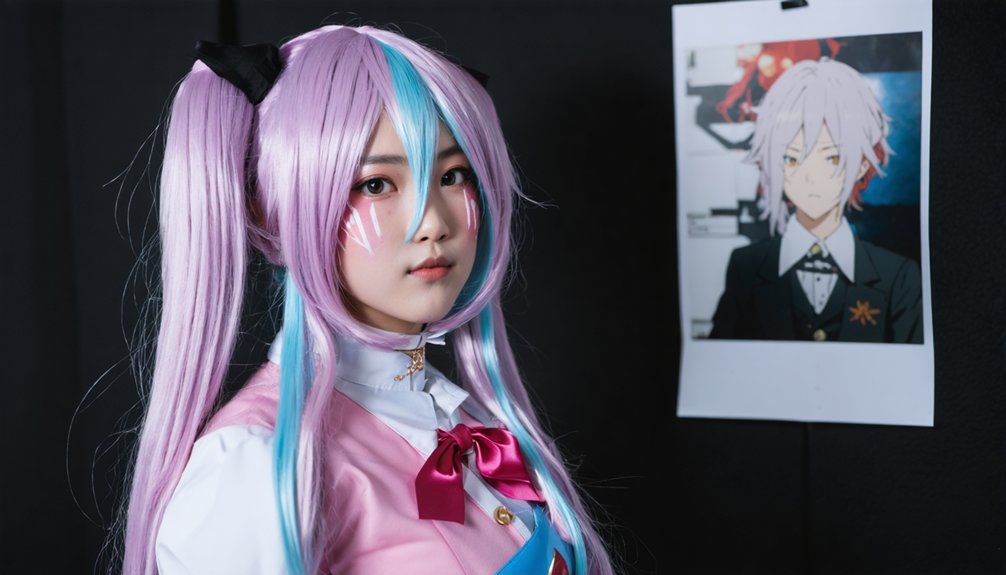
Cosplaying a character of a different race is absolutely doable when you lean into their iconic traits rather than their skin tone.
Respectful representation means capturing what makes a character instantly recognizable through deliberate costume choices.
Consider these iconic traits that define beloved characters:
- Mr. T: Gold chains, mohawk, military vest, and fingerless gloves
- Flavor Flav: Oversized clock necklace, bucket hat, and signature glasses
- Shuri: Vibranium gauntlets, Wakandan-inspired royal attire, and warrior accessories
- Urkel: Highwater pants, suspenders, thick-rimmed glasses, and argyle sweaters
You don’t need to alter your skin tone when these elements speak loudly enough.
Your creative execution of a character’s signature style communicates identity clearly, powerfully, and respectfully to everyone around you.
Which Characters Can You Racebend Respectfully?
When considering which characters you can racebend respectfully, you’ll want to focus on those with universal appeal — characters whose identity isn’t rooted in cultural-specific elements like tribal markings, ceremonial dress, or ethnic traditions.
You can portray many beloved sci-fi, fantasy, or superhero characters across racial lines because their iconic traits — costumes, powers, and personalities — transcend any single cultural background.
However, you should always think carefully before racebending characters whose race is deeply tied to their narrative or cultural significance, as doing so risks reducing meaningful representation to mere aesthetic choice.
Characters With Universal Appeal
Some characters transcend race so naturally that racebending them feels almost effortless. Their universal character appeal lies in their personality, iconic accessories, and storytelling—not their skin tone.
Inclusive cosplay practices let you honor these characters authentically without problematic alterations.
Consider characters like:
- Batman – His identity lives in the cowl, cape, and brooding presence
- Wonder Woman – Her armor, lasso, and warrior spirit define her instantly
- Spider-Man – The suit communicates everything; the mask does the rest
- Hermione Granger – Bushy hair, Hogwarts robes, and cleverness capture her completely
When a character’s essence exists beyond race, you’re free to bring your full self to the portrayal.
Focus on costume accuracy, personality, and passion—those elements create the most powerful, memorable cosplay experiences.
Avoiding Cultural-Specific Elements
Racebending a character respectfully means knowing which elements define them—and which ones you should leave alone.
When you’re cosplaying a character like Shuri, her iconic costume and tech accessories communicate who she’s far more than cultural-specific elements ever could.
Avoid incorporating tribal markings, sacred symbols, or ceremonial details tied to a specific culture’s lived experience—these aren’t yours to adopt.
Instead, focus on what makes the character universally recognizable: their signature outfit, color palette, accessories, and attitude.
Cultural sensitivity isn’t about erasing a character’s identity; it’s about honoring it without overstepping.
Respectful representation means celebrating the character’s essence while acknowledging the boundaries of your own cultural experience.
When you’re uncertain, defer to voices within that community—they’ll guide you best.
Skip Tribal Markings and Cultural Details That Aren’t Yours
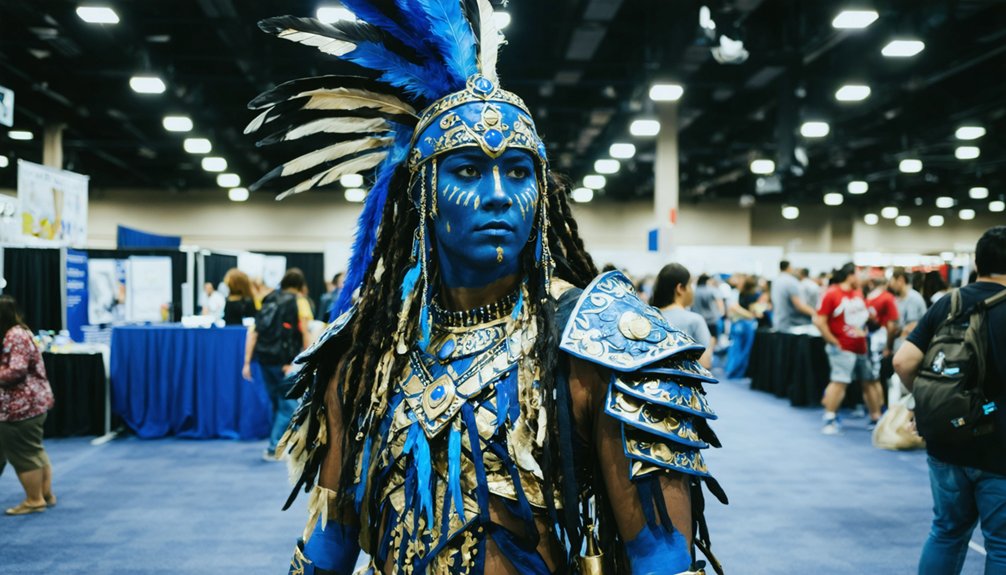
Even if you’re cosplaying a character of color with the best intentions, reproducing tribal markings, sacred symbols, or culturally specific details that aren’t yours can cause real harm.
These elements carry deep meaning, and using them as costume accessories crosses into cultural appropriation. Respectful representation means honoring a character’s iconic visual elements without borrowing culturally sacred ones.
Instead, focus on what makes the character recognizable through:
- Clothing and silhouette that define the character’s signature look
- Accessories and props unique to the character’s story
- Color palette and hairstyle that signal the character without mimicking sacred details
- Iconic expressions or poses tied to the character’s personality
When you’re uncertain whether a detail is culturally significant, defer to voices from that community.
What Cosplayers of Color Actually Say About Cross-Race Portrayals
When cosplayers of color speak about cross-race portrayals, their voices carry weight that no guideline can fully replace. Their cosplay experiences offer direct insight into what feels respectful versus harmful.
You’ll find that many cosplayers of color appreciate genuine enthusiasm for characters they love, but they’re clear about boundaries. Most consistently emphasize skin tone alteration as a hard line.
They want you to prioritize cultural sensitivity by focusing on costume elements, accessories, and character-specific details instead. Many also note that asking questions directly within cosplay communities demonstrates respect rather than assuming you already know enough.
When uncertainty arises, defer to their lived perspectives rather than debating intent. Their guidance isn’t restrictive—it’s an invitation to engage more thoughtfully and creatively with characters you admire.
Frequently Asked Questions
Is Green or Blue Body Paint Acceptable for Non-Human Character Cosplay?
Yes, you can use green or blue body paint for non-human characters! These colors uphold body paint ethics and character authenticity since they’re not tied to historical racial oppression, making them an innovative, inclusive choice.
Can Cosplayers of Color Racebend White Characters Without Facing Criticism?
72% support diverse casting! You can racebend white characters, affirming your identity amid cultural appropriation discussions. It’s your empowering response to representation in media gaps, celebrating who you are without altering your skin tone.
What Accessories Best Signal Iconic Black Characters Without Racial Mimicry?
You’ll capture iconic symbols through culturally significant accessories: MC Hammer’s parachute pants, Flavor Flav’s clock necklace, or Mr. T’s gold chains. These powerful costume elements authentically signal beloved Black characters without any racial mimicry.
How Do Group Cosplay Meets Handle Cross-Race Power Rangers Portrayals?
You don’t need a single drop of paint! At group meets, you’ll rock the full Power Rangers suit, letting cultural sensitivity and community guidelines shine through iconic costumes alone — your outfit screams the character perfectly.
Are Wigs and Contacts Considered Respectful Tools for Character Portrayal?
Yes, you can use wigs and contacts as tools for respectful representation, honoring a character’s cultural significance through love, not mockery. They’re innovative ways to embody iconic traits without altering your skin tone problematically.
References
- https://cosplaymom.com/2018/08/03/remember-to-shut-up-and-listen-racebending-racefacing-and-privilege/
- https://www.youtube.com/watch?v=GJ2niVRCV1w
- https://www.refinery29.com/en-us/2018/09/210772/black-halloween-costume-offensive-rules-appropriation