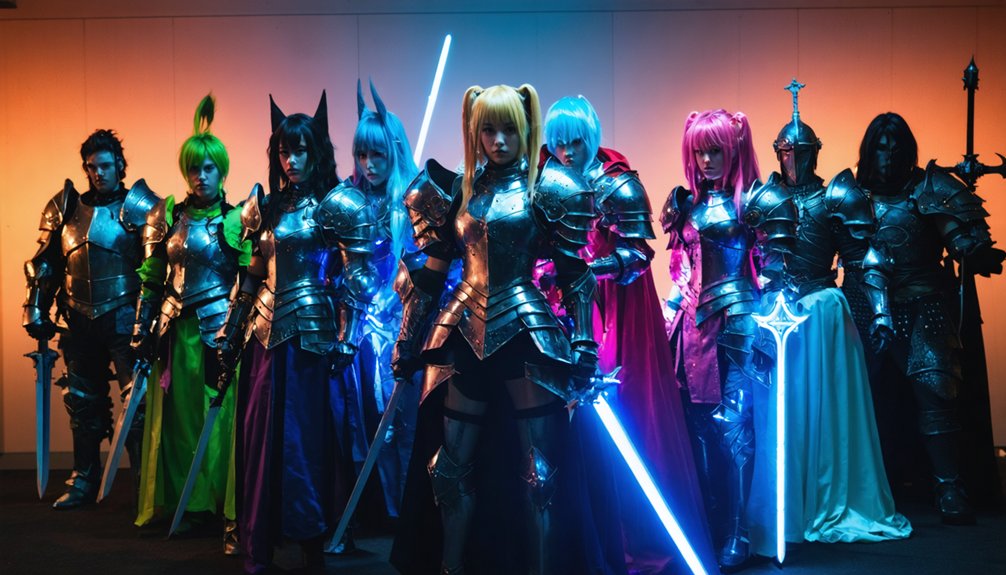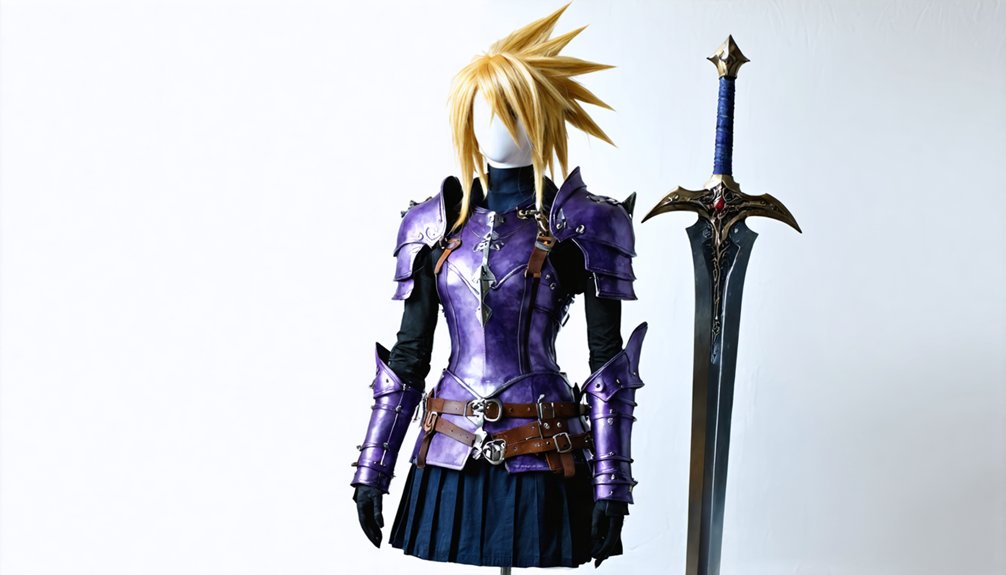
Mastering video game cosplay starts with picking a character you’re genuinely excited about, then breaking the project into manageable parts with a clear timeline and budget. You’ll choose between building from scratch, buying pre-made, or modifying existing pieces. Practice skills affordably using thrift stores and free tutorials. Craft safe, convention-approved foam props, prepare for comfort on event day, and connect with the cosplay community — everything you need to succeed is just ahead.
Key Takeaways
- Choose a character that genuinely excites you, starting with simpler outfits to build confidence before attempting complex designs.
- Break your costume into sections, assign costs, and develop a timeline to stay organized and on budget.
- Combine construction methods, such as buying base garments and handcrafting props, to achieve great results as a beginner.
- Use EVA foam for props and armor, as it’s lightweight, durable, convention-approved, and easy to shape.
- Practice character-accurate poses and engage with cosplay communities for inspiration, feedback, and continuous skill improvement.
Pick the Right Video Game Character to Cosplay
Picking the right character sets the tone for your entire cosplay journey, so choose someone who genuinely excites you — someone whose story, design, or personality resonates on a personal level. That emotional connection fuels creativity and keeps you motivated through challenging construction phases.
The right character choice fuels your entire cosplay journey — let genuine excitement and personal connection lead the way.
Dig into the character backstory to uncover details that inspire a unique interpretation of the role. Merging personal experiences with your chosen character creates something far more compelling than a straight recreation.
Browse fan art inspiration to see how other creators reimagine designs — it sparks innovative approaches you won’t find in official artwork alone.
For beginners, prioritize characters with simpler outfits. You’ll build confidence faster without overextending your current skill set. Once you’ve mastered the basics, you can tackle progressively complex designs with precision and purpose.
Break Your Cosplay Into Parts, Timeline, and Budget
Once you’ve locked in your character, it’s time to break your cosplay into three essential sections: part breakdown, timeline, and budget.
Map out every component of the costume — armor, fabric pieces, props, wigs, and accessories — so you’re never caught off guard mid-build.
Planning ahead keeps you on track financially and guarantees you’ve got enough time before the convention to sew, modify, and perfect every detail.
Breaking Down Cosplay Parts
Breaking down your cosplay into manageable sections is the smartest move you can make before diving into construction. Catalog every element systematically — costume detailing becomes far less overwhelming when you’re working piece by piece rather than tackling everything simultaneously.
Color coordination across components ensures visual consistency from head to toe.
Start by listing every visible part of your character’s design:
- Clothing layers — tops, bottoms, capes, belts, and any fabric-based elements requiring sewing or sourcing
- Armor and props — helmets, gauntlets, weapons, and structural pieces needing EVA foam construction
- Accessories and finishing touches — wigs, jewelry, face paint, and contact lenses that complete the character’s signature look
Each category demands different skills, materials, and time investments, so separating them sharpens your focus and accelerates your workflow considerably.
Timeline And Budget Planning
With your parts list locked in, it’s time to build the roadmap that keeps your entire project on track — and that means tackling timeline and budget planning with the same precision you brought to breaking down your costume.
Start your timeline weeks before the convention, scheduling specific phases for material sourcing, construction, and adjustments. Don’t underestimate sewing and alterations — they always consume more time than expected.
For budgeting, assign costs to every component: fabrics, EVA foam, paints, adhesives, and tools. Factor in costume durability when selecting materials — cheaper options may cost you mid-convention. Explore secondhand stores and online communities for affordable alternatives without sacrificing quality.
Track every expense meticulously. A well-structured timeline and honest budget transform an overwhelming project into an exciting, manageable build you’ll actually finish strong.
Choose Your Cosplay Construction Method
Now that you’ve got your reference images and a solid concept locked in, it’s time to figure out how you’ll actually build your costume. Three proven construction methods give you flexible entry points regardless of your skill level:
With your references and concept ready, choosing the right construction method is the next critical step.
- Build from scratch – Master fabric selection and sewing techniques to craft every piece with precision and full creative control.
- Buy pre-made – Order directly from shops like Cospicky or Dokidoki, bypassing construction entirely while still delivering strong results.
- Modify existing pieces – Source secondhand garments from Goodwill or Plato’s Closet and alter them into something screen-accurate.
Each method has real merit. Beginners often win big combining two approaches — purchasing a base outfit while handcrafting signature props or armor from EVA foam.
Build Your Cosplay Skills Without Breaking Your Budget
Developing cosplay skills doesn’t have to drain your wallet — smart resource management transforms even a tight budget into a serious creative toolkit. Start small by building bracers or compact props before tackling full armor sets. You’ll sharpen your technique without wasting expensive materials on ambitious projects you’re not yet ready for.
Thrift stores like Goodwill and Plato’s Closet are goldmines for base garments you can transform through fabric dyeing, turning ordinary pieces into screen-accurate costume components for minimal cost.
Meanwhile, wig styling is a foundational skill worth mastering early — secondhand wigs are widely available and perfect for practice runs.
Search YouTube for free tutorials, hunt for discounted EVA foam, and always wear protective gear. Your skills compound fast when you’re consistently building, experimenting, and refining.
How Do You Make Cosplay Armor and Props at Home?
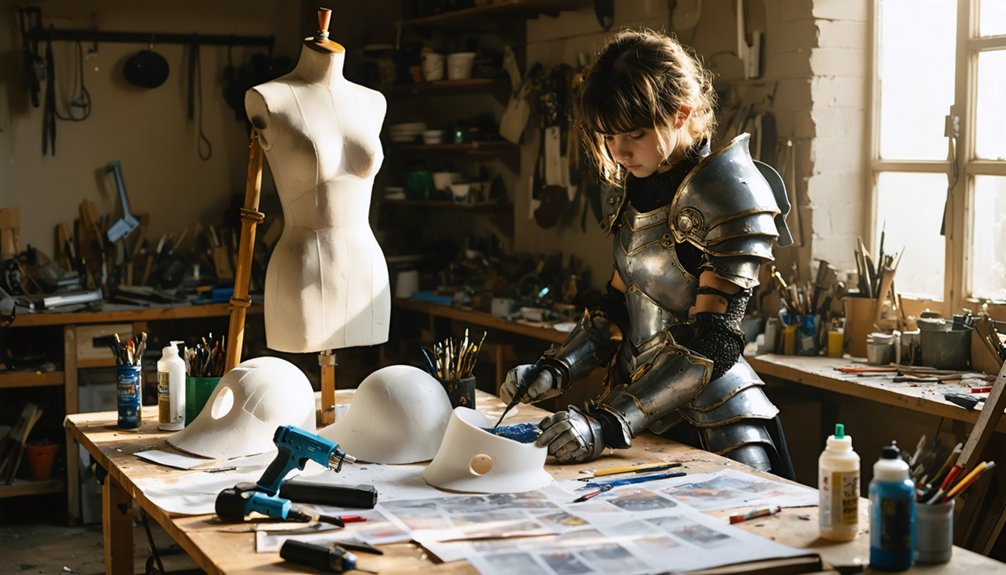
Once your foundational skills are sharp and your budget is under control, it’s time to build the pieces that make cosplay truly spectacular — armor and props. EVA foam is your best friend here; you’ll cut, heat-shape, seal, and paint it into convincing armor that turns heads at any convention.
- Cut EVA foam into your armor shapes, use a heat gun to curve and mold pieces, then seal them with Plasti-Dip before painting.
- Experiment with fabric dyeing to achieve gradient effects or weathered textures on cloth-based costume elements.
- Install LED lighting inside hollow prop weapons or armor cavities to create an electrifying, otherworldly glow.
Always replace real weapons with foam alternatives for convention compliance, and test every piece’s durability before the big day.
Dress for Comfort and Know the Convention Rules
When building your first cosplay, you’ve got to prioritize comfort over perfection — avoid super tight fits, excessive skin exposure, or anything that’ll make a full convention day unbearable.
Movement matters, so assemble your complete costume beforehand and make adjustments that keep everything secure while you’re walking, posing, and interacting.
Equally important, you’ll need to swap out any real swords, crossbows, or metal weapons for foam props, since convention centers strictly prohibit authentic weapons regardless of your character’s design.
Prioritizing Comfort First
Comfort should be your top priority when assembling your first cosplay, so avoid outfits that are super tight or expose excessive skin until you’ve built more experience. Smart fabric choices and proper wig styling directly impact how long you’ll enjoy wearing your costume throughout a convention day.
Consider these practical comfort essentials:
- Breathable fabrics like cotton or moisture-wicking blends keep you cool during long convention hours
- Secure wig styling ensures your hairpiece stays positioned correctly without constant readjustment or discomfort
- Layered construction allows you to remove pieces strategically if temperatures rise unexpectedly
Testing your full costume before the event lets you identify pressure points, restricted movement, or irritating materials early. Make adjustments confidently so you’re performing at your best when convention day arrives.
Convention Weapon Policies
Understanding convention weapon policies before you finalize your costume can save you from a frustrating experience at the door. Most conventions enforce strict prop regulations, prohibiting real weapons like swords, crossbows, or firearms entirely. Instead, you’ll need to craft or purchase foam alternatives that meet weapon safety standards. EVA foam props are your best option — they’re lightweight, durable, and convention-approved.
Before attending, review your specific convention’s prop regulations on their official website, since rules vary between events. Many conventions conduct prop checks at entry, where staff inspect and tag approved items. Don’t risk losing a piece you’ve worked hard to build.
Swap out any realistic-looking materials for clearly non-functional alternatives. Embracing foam construction doesn’t limit creativity — it actually pushes you toward more innovative, impressive builds.
Practice Posing, Add Accessories, and Join the Cosplay Community
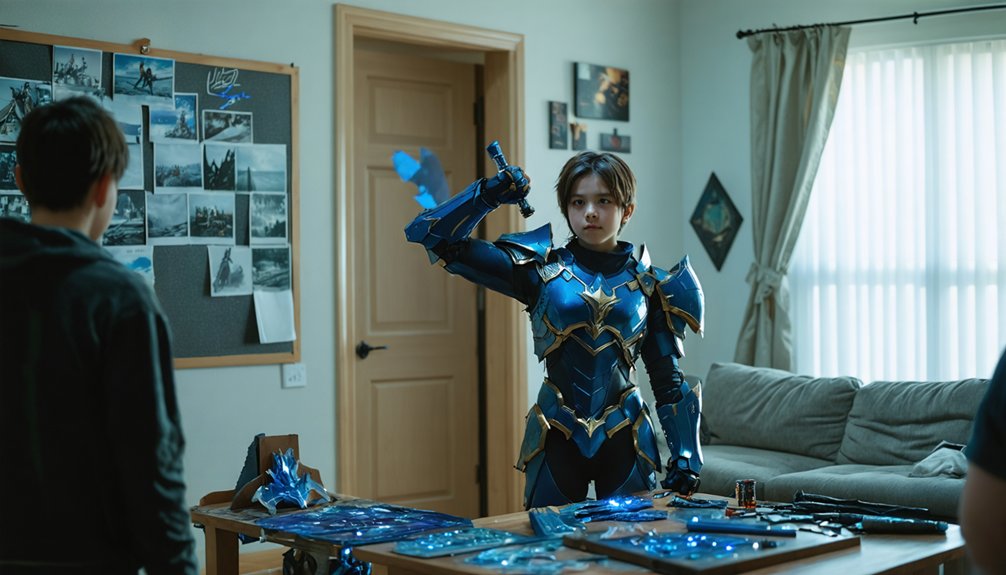
Once your costume’s assembled, the real fun begins—posing, accessorizing, and connecting with the cosplay community. Posing practice transforms a good costume into an unforgettable character portrayal. Study your character’s signature stances and replicate them confidently.
Practice poses using mirrors or phone recordings to perfect your character’s most iconic stances before the convention floor.
Accessory enhancement elevates every detail, pulling the entire look together with creative precision.
Add strategic accessories—jewelry, belts, pouches, or themed props—that amplify authenticity and showcase your attention to detail.
Engage online communities by exploring cosplay-specific tags and forums where creators share inspiration, techniques, and constructive feedback.
You’ll grow faster by surrounding yourself with passionate creators. Embrace the community’s energy, showcase your work proudly, and keep pushing your craft forward.
Frequently Asked Questions
Can I Cosplay a Character From a Game I Haven’t Played?
Over 60% of cosplayers recreate characters they’ve never played! You absolutely can — just dive deep into character research to nail costume accuracy. Study screenshots, reference images, and online communities to bring your chosen character to life authentically!
How Do I Handle Negative Comments About My Cosplay at Conventions?
Don’t let negativity kill your vibe! Embrace constructive feedback to refine your craft, protect your online reputation by staying positive, and remember—you’re cosplaying for fun! Focus on personal growth and ignore unhelpful critics completely!
Is It Acceptable to Cosplay Characters of a Different Gender?
Absolutely, it’s a million times acceptable! Gender expression in cosplay knows no boundaries—you’re celebrating character authenticity and passion. Embrace cross-gender cosplay confidently; it’s an innovative, creative choice that showcases your dedication to the character you love!
How Do I Transport a Large Cosplay Costume to a Convention?
Pack your costume strategically using smart costume storage solutions! Break large pieces down, wrap delicate parts, and use sturdy bags or rolling luggage. These travel tips guarantee you’ll arrive convention-ready with everything intact and looking absolutely stunning!
Can Two People Cosplay the Same Character at One Convention?
Yes, you can absolutely share a character with another cosplayer! Embrace it — compare costume accuracy, collaborate on cosplay photography, and innovate your unique interpretation. It’s actually thrilling to see how two people bring the same character to life differently!
References
- https://www.youtube.com/watch?v=gSDKfob66hg&vl=en
- https://www.voxmagazine.com/arts/a-beginners-guide-to-cosplay/article_38500248-449f-11e8-aa23-db0d07c93dab.html
- https://www.youtube.com/watch?v=IuIKxva7GoE
- https://www.youtube.com/watch?v=eMBbtTzm3EM
- https://www.youtube.com/watch?v=qBQ5QQMNXrw
- https://www.youtube.com/watch?v=V4CLCaU2wNU
- https://www.youtube.com/watch?v=N0mgjI1hGWM