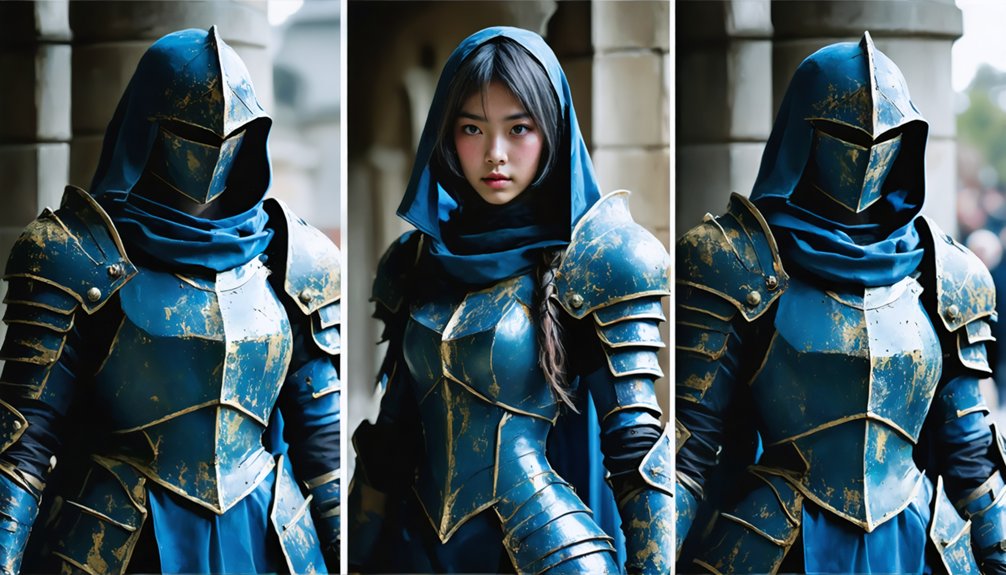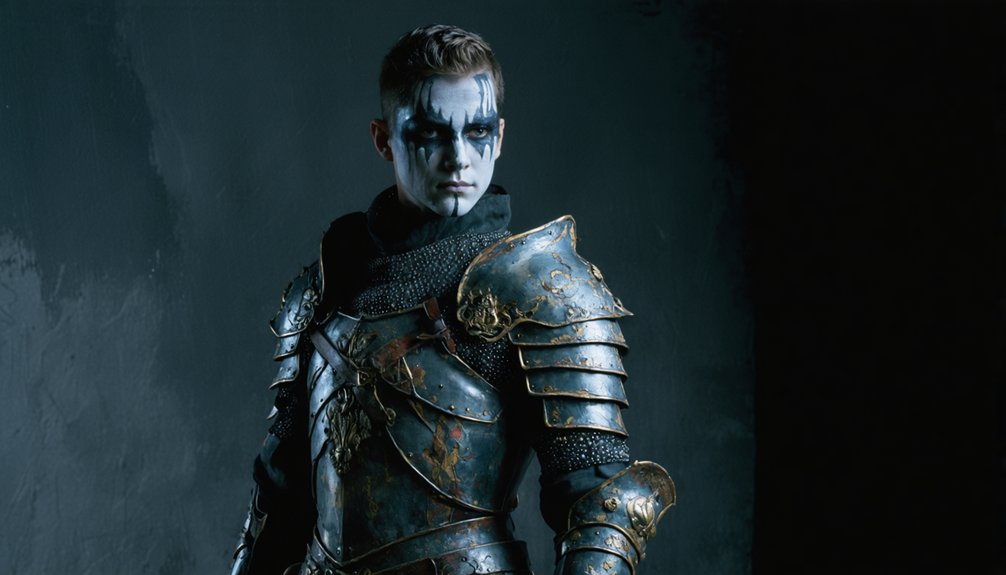
Authentic character portrayal starts with deep familiarity — rewatch scenes, rebuild your reference pack, and study mannerisms before touching fabric. Lock in your silhouette first, then match colors and textures precisely to source material. Blend your wig and makeup into one cohesive visual system. Practice signature poses until they’re muscle memory. Manage heat proactively so your performance holds all day. Every technical decision stacks together, and there’s much more strategy behind each step.
Key Takeaways
- Study your character’s posture, gestures, and emotional range thoroughly by rewatching scenes or replaying key game moments before the convention.
- Build your costume around the character’s silhouette first, ensuring recognition from a distance before adding surface details.
- Match fabrics, colors, and textures precisely to source material using screenshots and official artwork as technical references.
- Practice signature poses and expressions frame-by-frame, rebuilding them into muscle memory for instinctive, believable character portrayal.
- Coordinate wig color, makeup tones, and costume colors into one unified visual system for a cohesive character read.
Choose a Character You Actually Know Well
Choosing a character you genuinely know well gives your portrayal a depth that no amount of costume accuracy can fake on its own. Source familiarity drives every authentic detail — the precise smirk before a confrontation, the weight shift in a battle stance, the vocal cadence under pressure. Without it, you’re wearing a shell.
Invest time in character development by rewatching key scenes, replaying pivotal game moments, or rereading defining story arcs. Build a reference pack from screenshots and official artwork to lock in visual identity and behavioral patterns. Study posture, emotional range, and signature gestures until they feel instinctive.
Choosing a character you’re genuinely connected to sharpens your commitment to this research. That connection transforms costume performance from surface mimicry into something a crowd immediately recognizes and responds to.
Research the Source Material Before You Buy Anything
Before you spend a single dollar, deep research into the source material protects every build decision that follows. Pull screenshots, official artwork, and key scene references before touching a fabric swatch or wig listing. Build a reference pack that captures color palettes, silhouettes, accessories, and layering details with precision.
Character depth doesn’t stop at visuals. Study posture, mannerisms, speech cadence, and emotional range. Rewatch episodes, replay cutscenes, or reread chapters specifically hunting for smirks, battle stances, and gestural habits. These details separate a recognizable costume from a truly inhabited performance.
Your source material is a technical document. Treat it like one. Annotate screenshots, flag inconsistencies between adaptations, and identify which version you’re targeting. That groundwork makes every purchasing and construction decision sharper, faster, and far more accurate.
Build Your Cosplay Costume Around Silhouette First
Once your reference pack is locked, the next build decision that shapes everything else is silhouette. Before selecting fabric or detailing accessories, map the character’s outline — wide skirts, armored shoulders, dramatic capes — and engineer your costume construction around replicating that shape precisely.
Silhouette enhancement often requires structural undergarments. Crinolines, boning, or custom padding can be the difference between a costume that reads instantly across a convention floor and one that doesn’t register at all. These foundational layers dictate how every outer piece drapes, stacks, and moves.
Don’t treat structure as optional. It’s your costume’s skeleton. Get the silhouette right first, then layer detail on top. Reversing that order produces beautifully detailed costumes that still fail the recognition test from ten feet away.
Match Fabrics and Colors to the Source Material
With your silhouette locked, fabric and color selection becomes your next critical accuracy lever. Pull screenshots directly from the source material under consistent lighting before purchasing anything. Screens shift hues, so cross-reference official artwork, physical merchandise, and fan-documented color breakdowns to triangulate accurate values.
Fabric texture carries equal weight. A sleek spandex reads completely differently than a matte twill or structured brocade, even when the color matches perfectly. Study how light interacts with the character’s costume across multiple scenes. Does it absorb light or reflect it? Does it drape softly or hold rigid shape?
Bring color swatches to fabric stores and compare directly under natural light. That precision separates a recognizable cosplay from an exceptional one that commands attention on the convention floor.
Style Your Wig and Makeup to Read as One Look
Your wig and makeup must function as a unified visual system, so match your wig’s color exactly to the character’s reference palette using dye, colored dry shampoo, or tinted styling products to eliminate any hue discrepancy.
Seal your hairline with a combination of spirit gum, edge-control gel, and strategic layering of foundation or face paint so the wig blends directly into your skin without a visible ridge.
Pull your makeup tones from that same reference palette, coordinating eyeshadow, blush, and contour to echo the costume’s dominant colors and create a single cohesive read from head to costume.
Match Colors Precisely
Color matching is one of the most technically demanding aspects of cosplay presentation, and getting it right transforms a good costume into an unmistakably cohesive character read. You’ll need to apply color theory deliberately, analyzing whether your character’s palette runs warm, cool, or neutral before purchasing anything.
Don’t eyeball fabric swatches against screen references under store lighting — calibrate your comparisons under daylight-balanced illumination instead. Dye selection becomes critical when commercial fabrics miss the exact hue; RIT, iDye Poly, and fiber-reactive dyes each interact differently depending on material content.
Pull color samples directly from official artwork or high-resolution screenshots, then cross-reference against physical swatches systematically. When your wig, makeup, and costume share a unified, precisely matched palette, the camera reads your character instantly and powerfully.
Blend Hairline Seamlessly
Blending your hairline seamlessly is where a strong wig application either locks in believability or quietly breaks the illusion. Hairline integration starts with slicking down your natural edges using got2b glued or a firm-hold gel, then pressing the wig’s lace or front edge flush against your skin.
Apply concealer or foundation directly onto the lace, matching your skin tone precisely, and set it with a translucent powder to lock coverage without lifting. A fine-tipped brush lets you add micro-detail where the wig meets skin, mimicking natural hair growth patterns.
Baby hairs styled with a rattail comb forward the illusion further. A seamless hairline doesn’t happen accidentally—it requires layered technique, correct product sequencing, and a willingness to refine your process until the gradation disappears completely under convention lighting.
Unify Makeup Tones
Once your hairline disappears into the wig’s edge, the next challenge is making your face and hair read as a single, cohesive visual unit rather than two separate elements competing for attention. Your skin tone must harmonize with the wig’s undertones, so analyze both side by side before committing to foundation shades.
Makeup blending becomes critical here—harsh edges around your temples, jaw, or neck immediately fracture the illusion. Extend your color correction and base seamlessly into your hairline, then dust a setting powder that mirrors the wig’s root color to visually merge both zones.
Study your character’s color palette closely and replicate those exact hues across your entire face. Unified tones create a single, commanding visual impression that cameras and convention lighting reward instantly.
Start With a Manageable Cosplay Build and Scale Up
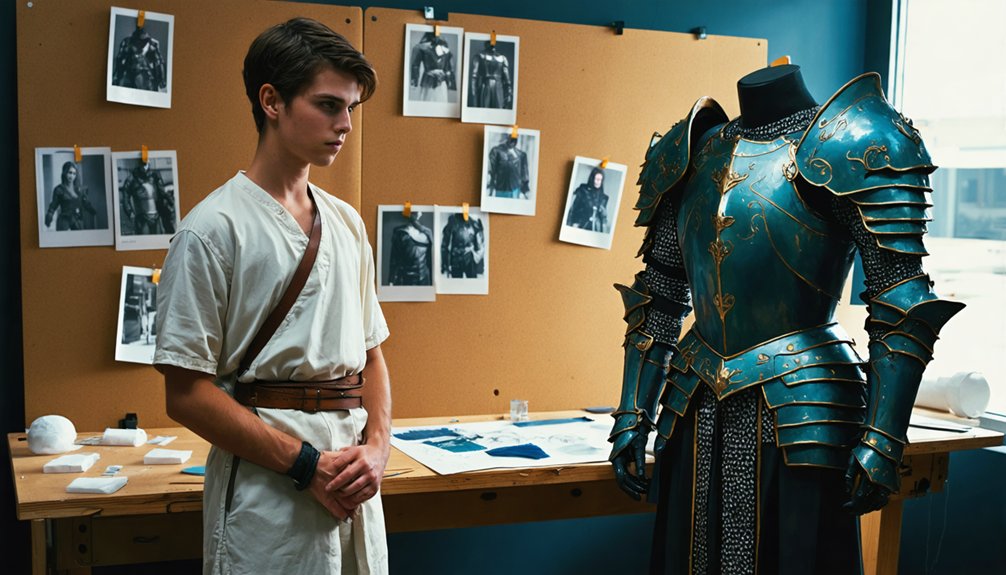
Starting with a manageable cosplay build isn’t a compromise — it’s a strategic decision that directly shapes the quality of everything you produce. Rushing into high-complexity armor sets or elaborate mechanical wings before mastering foundational construction techniques guarantees unpolished results.
Intentional project planning means selecting builds that challenge your current skill level without overwhelming your execution capacity. Scaling complexity incrementally lets you refine pattern-making, material handling, and finishing techniques on lower-stakes projects first.
Each completed build deposits real technical knowledge you’ll draw on when tackling advanced work. You’ll recognize fit problems faster, source better materials, and construct cleaner seams because earlier projects trained your eye and hands.
Growth compounds — your fifth costume will outperform your first precisely because you respected the learning curve rather than bypassing it.
Practice Body Language Before You Hit the Convention Floor
Costume accuracy gets you noticed, but body language is what makes someone believe you. Study your character’s posture, movement, and gesture accuracy with the same intensity you’d apply to fabric selection. Pull screenshots, pause fight sequences, and isolate how they hold their shoulders or shift their weight mid-stance.
Practice signature poses in front of a mirror until they feel instinctive, not performed. Record short video clips from multiple angles to confirm each gesture reads clearly in costume. Don’t neglect facial expression — a smirk, a cold stare, or a raised brow can instantly telegraph your character to anyone passing by.
Run complete rehearsals in full costume before the event. Movement restrictions reveal themselves early, letting you refine your performance before the convention floor demands it.
Master Your Character’s Signature Poses and Expressions

Signature poses aren’t decorations — they’re shorthand that tells everyone exactly who you’re before you say a word. Nail your character’s physical vocabulary by drilling these three essentials:
- Isolate signature gestures — Break down each movement frame-by-frame from source material, then rebuild it in your body until it’s muscle memory.
- Lock your facial expression — Study how your character’s eyes, mouth, and brow shift during iconic moments, then rehearse those micro-expressions in a mirror under costume lighting.
- Record multi-angle test shots — Film yourself executing each pose so you can audit alignment, tension, and silhouette clarity before the convention floor.
Precision here separates recognition from confusion. You’re not approximating the character — you’re channeling them through deliberate, repeatable physical execution.
Manage Heat and Comfort So Your Performance Lasts All Day
Layering moisture-wicking base garments beneath your costume lets you regulate body temperature without compromising your silhouette, and strategic ventilation points built into linings prevent heat from trapping against your skin.
You’ll sustain energy and protect face paint or body paint from streaking by drinking water consistently throughout the day rather than waiting until thirst forces you to break character.
Pack a compact emergency kit stocked with setting spray, blotting sheets, fabric tape, safety pins, and pain relievers so minor costume failures or physical discomfort never derail your performance mid-event.
Layer For Temperature Control
Managing your body temperature throughout a convention day directly determines how long your performance holds up, so building thermal adaptability into your costume from the start matters far more than most cosplayers expect.
Strategic layering techniques give you active control over temperature regulation without sacrificing visual accuracy.
Integrate these three thermal solutions into your build:
- Wear moisture-wicking base layers directly against your skin to pull sweat away before it saturates outer costume pieces.
- Design removable panels or understructures that detach discreetly between shoots and crowd interactions.
- Use lightweight, breathable materials like mesh or bamboo fabric in hidden zones beneath armor or heavy outerwear.
These approaches let you sustain sharper posing, cleaner makeup, and stronger character presence well beyond midday, when most cosplayers visibly deteriorate.
Beat Heat With Hydration
Even though layering handles external temperature regulation, hydration works from the inside out, and skipping it collapses your energy, sharpens fatigue, and degrades your makeup faster than any lighting condition will.
Locate hydration stations early during convention check-in and map their positions relative to your shooting locations. You’re burning more energy performing, posing, and maintaining character presence than you realize, so drink water proactively rather than reactively.
Pair hydration with strategic cooling accessories — compact neck fans, cooling towels, and misting bottles — that manage surface temperature without compromising your costume’s finish or face paint integrity.
Time your water intake between shoots rather than mid-pose, protecting your character illusion while sustaining physical output.
Consistent hydration directly extends stamina, preserves makeup longevity, and keeps your performance sharp across a full convention day.
Emergency Kit Saves Comfort
Packing a compact emergency kit before you leave for the convention protects your costume, your comfort, and your performance when small failures inevitably hit mid-day. Emergency supplies transform potential disasters into minor interruptions, keeping your costume repairs fast and your focus sharp.
Build your kit around three high-priority solutions:
- Fabric tape and a needle-thread set — closes seams, reattaches panels, and prevents structural failures from escalating.
- Translucent setting powder and blotting sheets — combat sweat-driven makeup breakdown without disrupting color accuracy.
- Mini pain reliever, bandages, and moleskin pads — address blisters and discomfort before they compromise your posture and presence.
Every item earns its weight. A well-stocked kit extends your endurance, preserves visual accuracy, and sustains the authentic character performance you’ve committed to delivering.
Respect Personal Space and Boundaries During Fan Interactions
Cosplay brings people together through shared enthusiasm, but that energy doesn’t erase the need for boundaries. Always ask before photographing someone, regardless of how striking their build is. Don’t assume physical proximity is welcome simply because a character’s portrayal invites interaction.
Personal boundaries remain non-negotiable, even inside immersive fan spaces.
Respectful engagement elevates the entire community’s experience. You’ll build stronger connections by reading body language, responding to verbal cues, and defaulting to distance until someone signals openness.
Physical contact without consent—touching props, adjusting costumes, or initiating hugs—disrupts trust and comfort instantly.
Treat every interaction as a professional exchange between creatives. That mindset sharpens your situational awareness, protects others, and reinforces cosplay culture as an inclusive, innovation-driven space where boundaries strengthen rather than limit authentic connection.
Frequently Asked Questions
How Do I Find Other Cosplayers to Get Constructive Feedback From?
Join cosplay communities on Reddit, Discord, and Instagram to connect with experienced creators who’ll critique your props accessories and makeup techniques. You’ll gain innovative, detailed feedback that sharpens your craft and elevates your authentic character portrayal considerably.
Should I Line My Costume Even if Nobody Sees the Interior?
Yes, you should line your costume! Lining elevates costume durability and transforms interior decoration into a refined structural foundation. It prevents seam exposure under dynamic lighting, improves movement comfort, and signals true craftsmanship that innovative cosplayers consistently prioritize.
How Early Before an Event Should I Do a Full Costume Trial?
Over 60% of cosplayers discover fit issues only at events—don’t be that statistic! Run your full trial at least one week ahead, testing wig styling and makeup techniques together, so you’ve got time to fix everything confidently.
Can Community Cosplay Groups Help Improve My Overall Character Accuracy?
Yes, community cosplay groups absolutely sharpen your character accuracy! You’ll gain targeted feedback on makeup techniques, prop customization, and silhouette precision. Experienced members pinpoint overlooked details, pushing you toward innovative, technically refined portrayals that transform good cosplay into genuinely authentic character embodiment.
What Should I Include in an Emergency Kit for Convention Days?
Your emergency kit’s your lifeline! For cosplay safety and emergency preparedness, pack safety pins, fashion tape, pain relievers, blister bandages, touch-up makeup, a mini sewing kit, stain remover wipes, and a portable charger — you’ll conquer any convention crisis confidently.
References
- https://wigs101.com/10-tips-cosplay-beginners
- https://www.reddit.com/r/CosplayHelp/comments/1uv0glo/anyone_have_any_final_last_minute_tips_for/
- https://www.jay-japan.com/blogs/otaku-spot/cosplay-like-a-pro-7-expert-tricks-for-authentic-anime-character-portrayal
- https://www.lancereis.com/photography-tips-for-beginners/cosplay-tips-for-beginners
- https://starstruckpanda.com/creating-authentic-character-portrayals-in-cosplay/
- https://starstruckpanda.com/creating-authentic-character-details-for-cosplay-success/
- https://www.belloflostsouls.net/2023/01/cosplay-roleplaying-a-guide-to-acting-in-character-while-keeping-things-fun.html
- https://starstruckpanda.com/engaging-audience-with-character-portrayal-in-cosplay/
- https://www.pointpress.site/cosplay-confidence-tips-to-bring-characters-to-life-1