When you’re cosplaying historical anime characters like Sailor Moon, Goku, or Asuka, you’re tapping into three decades of powerful cultural recognition. You’ll want to choose fabrics like spandex, satin, or cotton twill that authentically mirror each character’s design. Your accessories — headbands, themed scrolls, signature weapons — signal instant recognition on any convention floor. Mastering these elements transforms your portrayal from costume to cultural statement, and there’s considerably more craft behind getting every detail exactly right.
Key Takeaways
- Iconic characters like Sailor Moon and Asuka from *Neon Genesis Evangelion* remain top cosplay choices due to decades of cultural recognition.
- Fabric selection is critical; spandex suits EVA suits, satin enhances Sailor Moon’s uniform, and cotton twill perfects Gohan’s gi.
- Accessories like headbands, masks, and themed scrolls instantly signal character identity and boost authenticity on convention floors.
- Visual elements like Asuka’s red twin tails and sailor uniforms serve as powerful shorthand for immediate crowd recognition.
- Major events like Tokyo Big Sight conventions attract hundreds of thousands, making historical anime cosplay highly visible and competitively judged.
Top Historical Anime Characters Worth Cosplaying Right Now
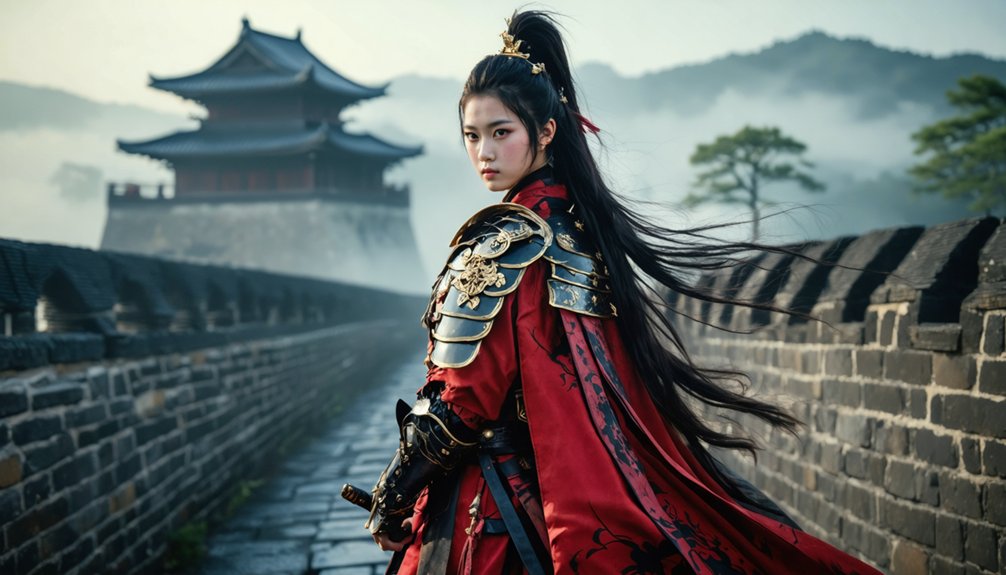
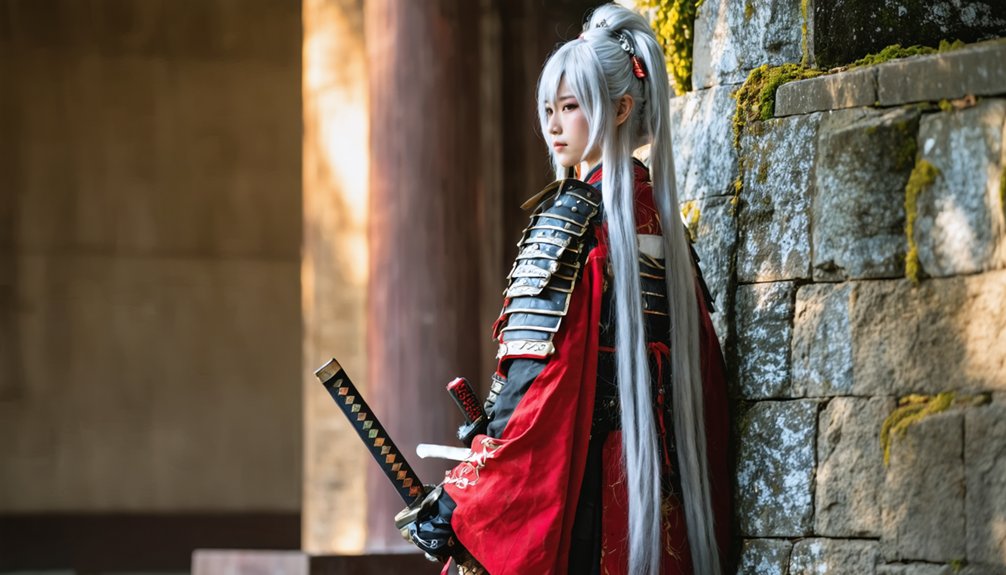
These characters aren’t simply nostalgic—they’re foundational touchstones that shaped anime’s cultural identity, making your portrayal both historically significant and immediately impactful at any major event.
Why Historical Anime Costumes Are Instantly Recognizable
You’ll notice these costumes succeed because designers embedded personality directly into silhouette, color, and detail. Red twin tails signal Asuka’s fierce competitive nature; sailor uniforms telegraph magical girl legacy.
This intentional visual coding means you can identify characters across crowded convention floors within seconds.
When you wear these costumes, you’re not simply replicating fabric—you’re activating decades of accumulated cultural recognition, connecting immediately with fellow enthusiasts who share that same generational visual vocabulary.
Fabrics That Nail the Look of Classic Anime Costumes
Four key fabric choices separate a convincing classic anime costume from a forgettable one.
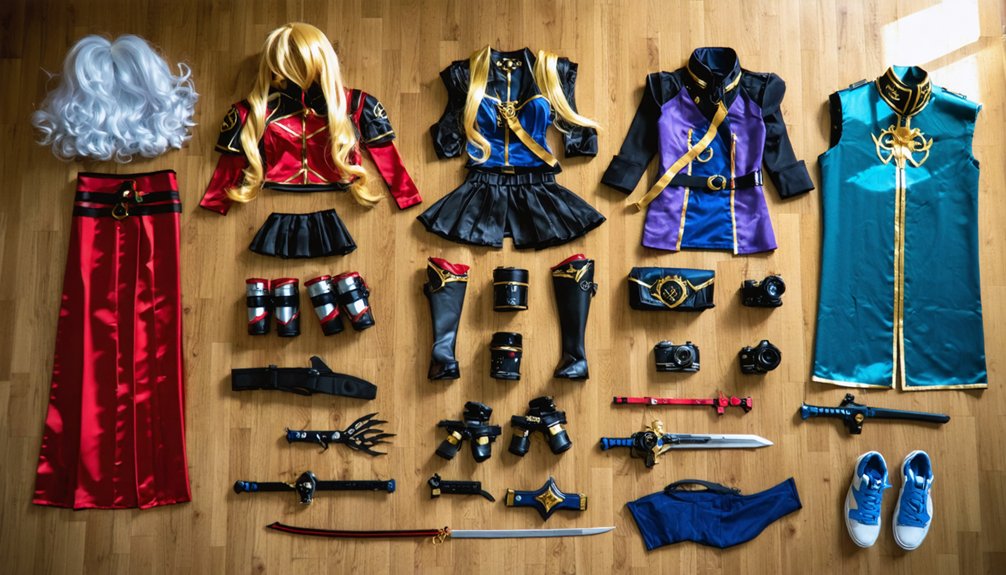
You’ll want to prioritize spandex for form-fitting plug suits like Asuka’s red EVA gear, where fabric texture must mirror the sleek, aerodynamic silhouette anime illustrators intended.
Cotton twill serves Gohan’s *gi* authentically, capturing structured martial discipline through honest material weight.
For magical girl aesthetics, satin delivers Sailor Moon’s luminous sailor uniform with proper sheen that reinforces color symbolism — white representing purity, navy signifying cosmic duty.
Military-grade canvas replicates *Attack on Titan’s* tactical harnesses convincingly.
Each textile choice isn’t decorative preference; it’s deliberate character communication.
When your fabric texture aligns with the original design’s visual logic, you transform a simple outfit into an unmistakable statement that commands instant recognition across any convention floor.
Must-Have Accessories That Complete Any Anime Cosplay Look
Getting the fabric right sets your foundation, but accessories carry the final weight of character recognition. You can’t achieve true character authenticity without deliberate attention to detail pieces that define your chosen role. Current accessory trends push beyond basic props, prioritizing specialty items like light sabers, themed scrolls, and effect weapons that transform good cosplay into exceptional portrayal.
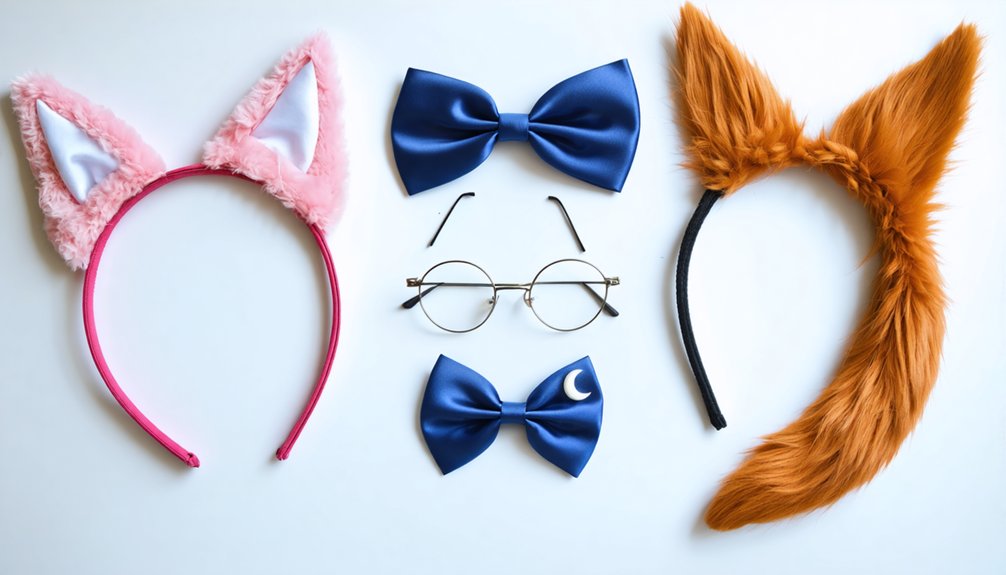
Headbands and masks signal immediate recognition at conventions, while charm bracelets and character-specific ornaments deepen your visual narrative. Small standout pieces consistently attract the most attention on convention floors.
Study your character’s complete design carefully, then source or hand-craft accessories that mirror those specifications precisely. Each prop you add compounds your overall authenticity, ensuring judges, photographers, and fellow fans recognize your character instantly and completely.
Best Conventions and Events for Historical Anime Cosplay
Conventions shape how cosplay culture grows, and knowing where to showcase your historical anime work makes all the difference.
These events aren’t just gatherings—they’re community showcases where craftsmanship earns recognition and connections deepen.
Top convention highlights worth your attention include:
- Tokyo Big Sight hosts biannual anime conventions since 1996, drawing 500,000–750,000 attendees per event and offering unmatched exposure.
- Group cosplay competitions let you assemble full casts from single series, creating immersive, memorable experiences that strengthen fan communities.
- Dedicated cosplay competitions provide structured platforms where technical skill and historical accuracy receive serious critical evaluation.
Both Japanese and American convention cultures have merged influences over decades, rewarding cosplayers who blend anime authenticity with precise construction.
Choosing the right event amplifies your impact considerably.
Frequently Asked Questions
How Did Cosplay Originate and Evolve Into Today’s Organized Community?
You’ll find cosplay origins rooted in 1930s science fiction conventions, transforming dramatically in Japan’s 1980s anime culture. Community evolution has since shaped dedicated conventions, competitions, and collaborative events, making today’s cosplay an organized, innovative global phenomenon you actively participate in.
What Historical Textiles Best Replicate the Look of Anime Costumes?
You’ll find that textile types like silk, wool, and linen, paired with authentic fabric patterns and historical techniques, best replicate anime aesthetics. These costume materials honor period accuracy while delivering the visual impact innovative cosplayers demand.
How Do Weaving and Dyeing Techniques Affect Anime Costume Authenticity?
Rough textures clash against vibrant hues—you’ll achieve fabric authenticity when dyeing methods honor textile traditions. Historical accuracy elevates costume craftsmanship, as weaving techniques directly shape design influences, transforming your anime costume into something genuinely immersive and technically compelling.
Can Beginners Successfully Hand-Make Intricate Historical Anime Character Costumes?
You can absolutely hand-make intricate historical anime costumes as a beginner! Start with essential beginner tips: choose manageable costume materials like cotton or linen, research character designs thoroughly, and progressively tackle complex construction techniques to build confidence.
How Have Japanese and American Cosplay Cultures Influenced Each Other Historically?
Like two rivers merging, Japanese anime aesthetics and American sci-fi traditions have fueled a powerful cultural exchange, shaping cosplay festivals worldwide and pushing you toward innovative character interpretations that blend both nations’ creative influences seamlessly.
References
- https://www.pinkyparadise.com/blogs/news/anime-cosplay-ideas
- https://hollywoodprogressive.com/sponsnored/choosing-the-perfect-anime-cosplay-outfit
- https://creedleather.com/blogs/costume-guide/complete-guide-to-anime-costumes-origins-styles-cultural-impact
- https://cosplayerjourney.com/posts/cosplay-history
- https://theswordstall.co.uk/blogs/news/bringing-history-to-life-a-guide-to-creating-authentic-historical-cosplay-costumes
- https://guildarms.com/blogs/news/cosplay-like-a-pro-the-ultimate-guide-to-anime-cosplay-gear
- https://www.medievalcollectibles.com/introductory-cosplay-guide/
- https://libguides.lib.umt.edu/c.php?g=581421&p=4049937