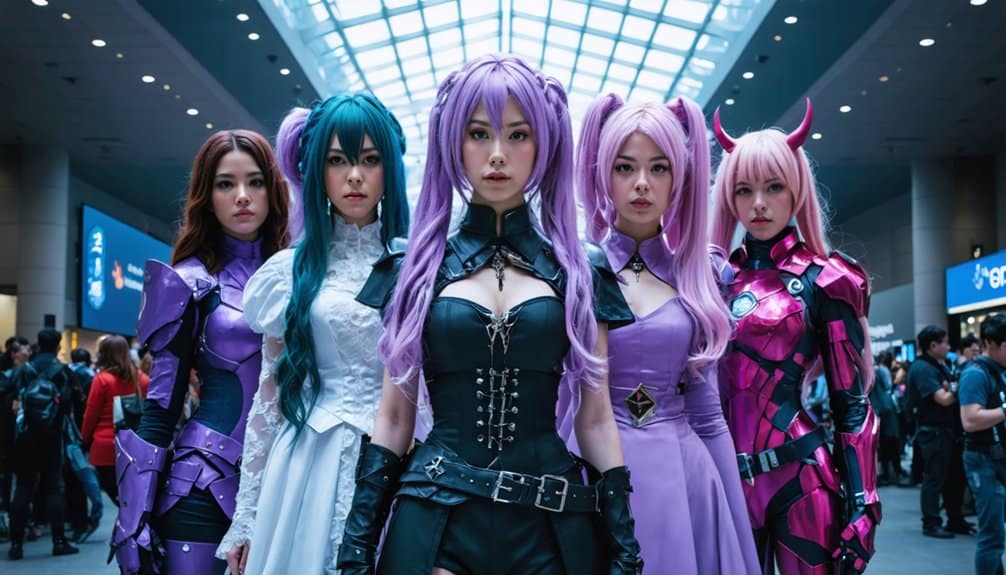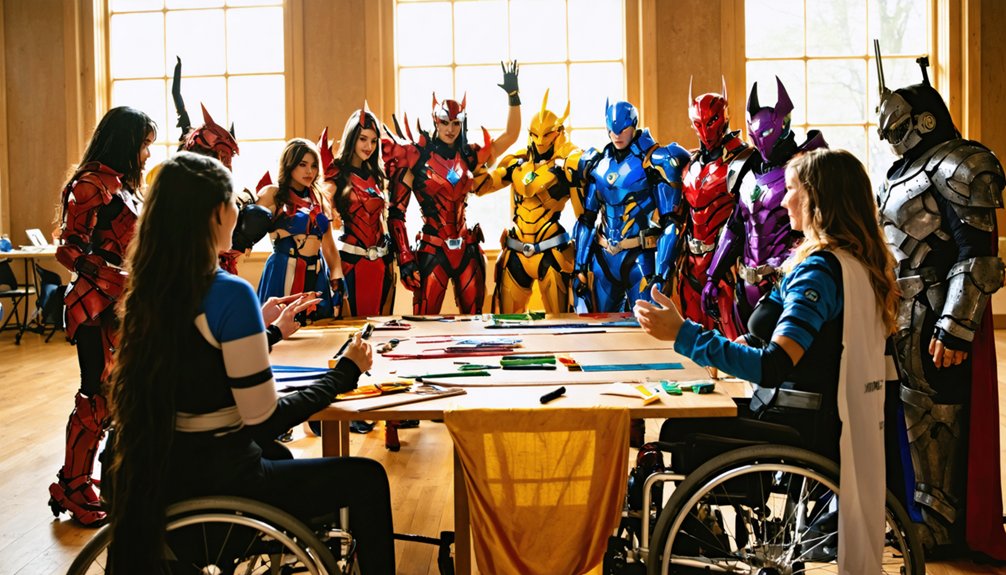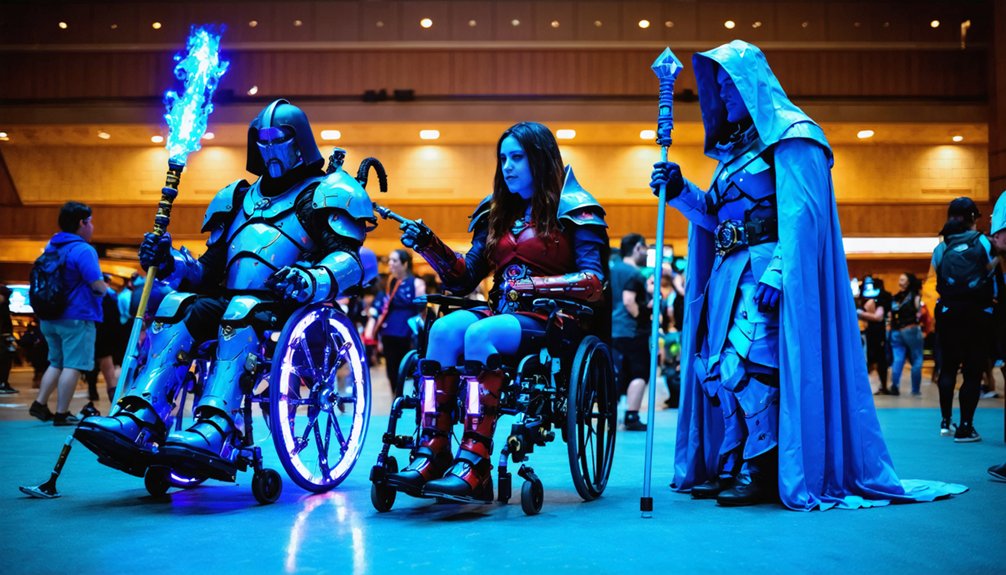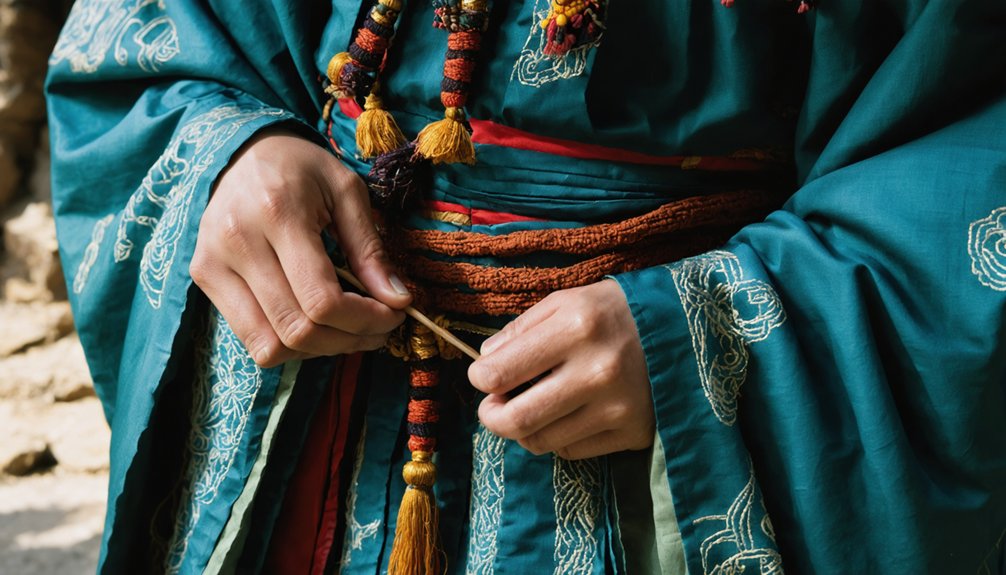
Authentic ethnic representation in cosplay means you’ll prioritize cultural competency over phenotypic matching—focusing on gestural authenticity, symbolic literacy, and emotional resonance rather than racial features. You must distinguish appreciation from appropriation by conducting rigorous research, engaging source communities directly, and avoiding sacred symbols divorced from meaningful context. This approach challenges cosplay’s whiteness-as-default standards while respecting cultural markers through informed craft traditions. Your costume choices should amplify marginalized voices without creating otherized caricatures, transforming performance into respectful cultural dialogue that honors both character and community.
Key Takeaways
- Authentic representation prioritizes cultural competency, emotional resonance, and respectful performance over phenotypic accuracy or skin color matching.
- Rigorous research, symbolic literacy, and direct community collaboration ensure culturally sensitive costume design beyond superficial aesthetics.
- Ethical sourcing from community designers rather than mass-produced replicas honors cultural origins and supports source communities.
- Focus costume efforts on clothing, accessories, and styling while avoiding appropriation of racial features or sacred cultural markers.
- Creative reinterpretation succeeds when it challenges stereotypes and generates cultural dialogue while respecting source traditions and meanings.
Understanding the Boundaries Between Character Portrayal and Stereotyping
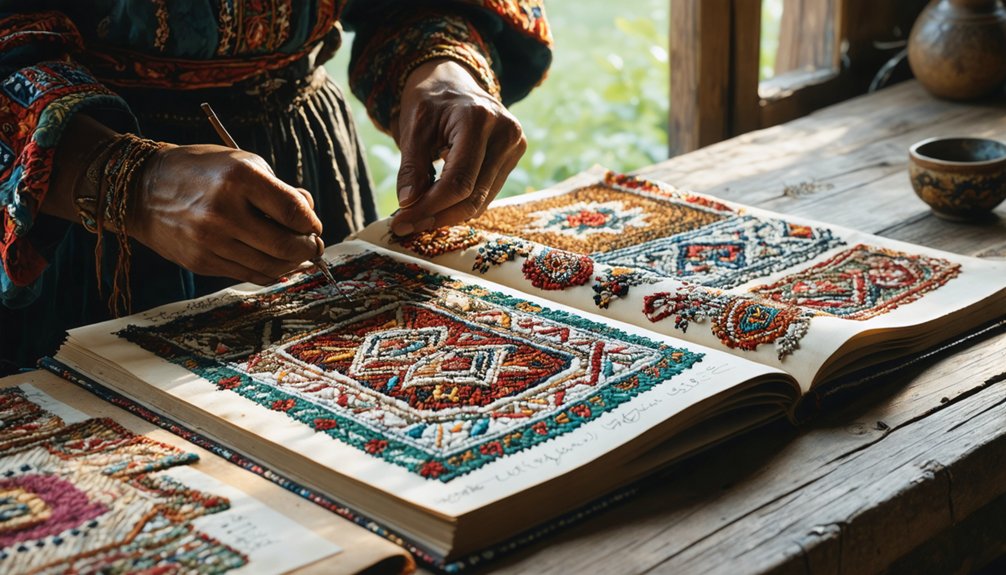
Your research determines whether you’re amplifying marginalized voices or creating “otherized” caricatures. Focus costume effort on clothing, accessories, and styling rather than racial features. This approach preserves cosplay’s transformative potential while respecting communities whose lived experiences aren’t interchangeable props.
Race-bending succeeds when it challenges stereotypes, not when it appropriates cultural markers divorced from meaningful character engagement.
Cultural Sensitivity in Costume Selection and Design
Three foundational pillars support culturally sensitive costume design: rigorous research, symbolic literacy, and community collaboration. You must investigate beyond surface aesthetics to understand historical contexts and contemporary meanings. Traditional garments communicate identity through colors, patterns, and construction methods that shouldn’t be reduced to mere decoration.
Cultural costume design requires deep investigation beyond aesthetics—understanding historical contexts, symbolic meanings, and traditional construction methods that communicate identity.
Essential practices for culturally informed cosplay:
- Engage directly with source communities for guidance rather than relying on commercial interpretations
- Prioritize ethical sourcing methods by purchasing from community designers instead of mass-produced replicas
- Analyze symbolic significance of each element before incorporation into your costume
Diversity in costume design demands you distinguish between appreciation and appropriation. Examine your intent, avoid sexualizing sacred items, and consider how your portrayal affects community perceptions. Authentic representation requires ongoing learning and meaningful cultural exchange.
The Visual Accuracy Debate and Its Racial Implications
When you examine cosplay’s visual accuracy standards, you’ll notice they disproportionately burden cosplayers of color who face racist criticism for portraying characters outside their race, while white cosplayers receive no equivalent scrutiny when portraying Asian characters.
This double standard reveals how whiteness operates as an unmarked default in cosplay communities, where “accuracy” becomes selectively enforced to police racialized bodies rather than celebrate craft. You’re witnessing a power dynamic where the pressure to achieve racial “accuracy” through harmful practices like skin painting forces performers of color to modify their bodies, yet these same standards disappear when white cosplayers embody characters from Asian media.
Whiteness as Default Standard
The cosplay community’s treatment of whiteness as an invisible norm reveals how deeply racialized assumptions shape perceptions of visual accuracy and authenticity. You’ll notice that white cosplayers effortlessly access characters from Harry Potter to Luke Skywalker without questioning their legitimacy, while simultaneously portraying Japanese characters becomes standard practice. This cosplay space whiteness operates within geek culture’s white male-dominated framework, where established conventions of ethnicity determine who belongs.
Consider these systemic patterns:
- White cosplayers seamlessly remove costumes to reclaim societal privileges, while cosplayers of color face persistent scrutiny regardless of character choice
- The vast character array available to white participants contrasts sharply with limited representation for non-white cosplayers
- External racism compounds internal community dynamics, creating barriers that prevent inclusive cosplay landscapes from emerging
You’re witnessing how whiteness functions as the unmarked default, requiring conscious dismantling to achieve equitable participation.
When Accuracy Becomes Harmful
Visual accuracy operates as a double-edged sword in cosplay communities, simultaneously celebrated as artistic achievement and weaponized against marginalized participants. You’ll find this tension manifests when people of color face relentless criticism for portraying characters who don’t match their skin tone, while white cosplayers portray 60-70% Asian characters without scrutiny. This asymmetry reveals how ethnic reappropriation debates expose underlying racial hierarchies rather than genuine artistic standards.
The accuracy argument collapses when examining marginalized cosplayer visibility across platforms—media consistently amplifies straight-sized white creators while dismissing POC craftsmanship based solely on phenotype. When tolerance paradoxes emerge, demanding acceptance for racism under accuracy’s guise, the community’s values crystallize: visual fidelity matters less than maintaining racialized gatekeeping structures that privilege whiteness as cosplay’s invisible default.
Spirit Over Skin: Reimagining Authenticity in Character Embodiment
When you embody a character through cosplay, you’re engaging in a performative practice that prioritizes gestural repertoires, emotional resonance, and cultural competency over phenotypic alignment. This approach reframes authenticity from essentialist notions of racial matching to a nuanced understanding of how material culture—from phulkari embroidery techniques to the draping methods of NaUVari sarees—carries embodied knowledge that transcends biological heritage.
You’ll find that skilled cosplayers demonstrate cultural respect through meticulous attention to regional craft traditions, symbolic accessories, and performance codes rather than through skin color correspondence.
Energy Outweighs Physical Matching
How does a cosplayer truly honor a character when their physical features don’t match the fictional original? The answer lies in prioritizing emotional resonance over superficial resemblance. Your character interpretation transcends epidermis—it manifests through embodied understanding of motivations, mannerisms, and cultural contexts that shaped the character’s identity.
Consider these transformative approaches:
- Gestural authenticity: Master the character’s movement vocabulary, vocal patterns, and behavioral signatures that convey cultural specificity beyond physical attributes
- Narrative commitment: Deep research into the character’s backstory, cultural heritage, and psychological complexity creates performances that honor source material authentically
- Energy transmission: Channel the character’s essence through intentional presence, allowing audiences to recognize authenticity through your embodied connection rather than phenotypic matching
This paradigm shift redefines cosplay excellence, valuing cultural competency and performative depth over mere visual replication.
Celebrating Creative Character Reinterpretations
Creative reinterpretation transforms cosplay from mimicry into cultural dialogue, where practitioners remix ethnic elements to generate new meanings while respecting source traditions. You’ll find costume personalization platforms enabling this innovation—Etsy’s handmade marketplace generated $4 billion for small businesses through customizable ethnic designs, while Alibaba offers 818 Indian cosplay variants across regional traditions.
Bouyei brocade techniques merge with contemporary silhouettes; Gaoshan embroidery patterns reimagine character narratives through skilled textile manipulation. Creative reinterpretation honors craftsmanship origins—Tajik Kuleta dome hats’ thick embroidery or Maharashtra’s nauvari draping—while generating fresh aesthetic dialogues.
Your selections communicate cultural literacy when you incorporate authentic elements: Punjabi jutti footwear, South Indian silk sarees, or shells and animal bones echoing Gaoshan adornment traditions. This approach celebrates heritage complexity beyond surface-level appropriation.
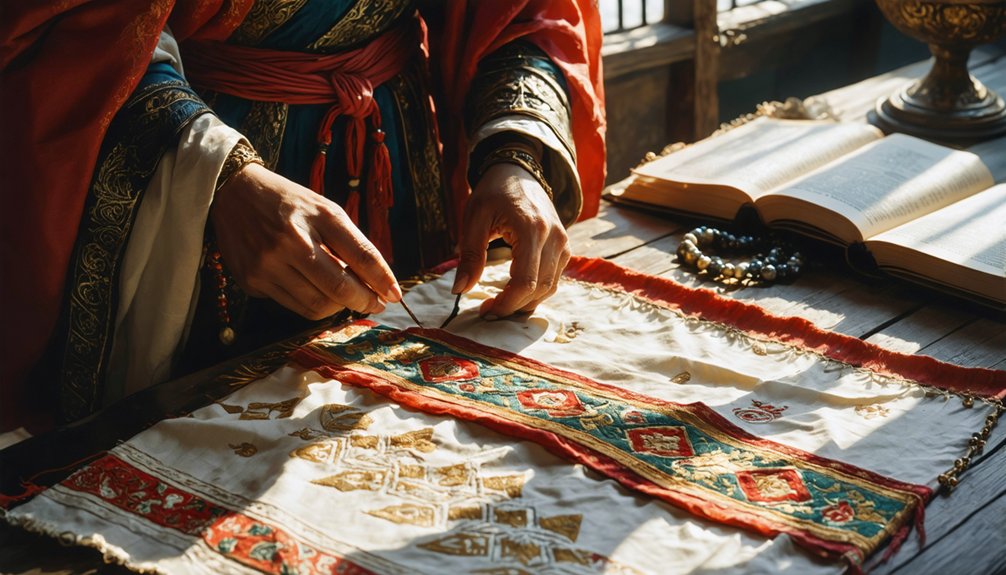
Religious and cultural symbols function as particularly charged elements within Malaysian cosplay communities, where practitioners must navigate overlapping interpretations of respect, appropriation, and artistic expression. You’ll find experienced cosplayers avoiding Islamic calligraphy, Hindu deities, Buddhist symbols, and Christian iconography entirely—the line between homage and blasphemy remains subjective and perilous.
Respecting religious obligations manifests through strategic adaptations:
- Modesty modifications incorporate undershirts, leggings, and hijab integration while maintaining character recognition
- Character selection criteria exclude supernatural powers, demonic imagery, and explicit content regardless of coverage potential
- Cultural textile integration distinguishes informed synthesis using songket and batik from casual appropriation
Managing cosplay faith tensions requires malleable authenticity across social, personal, and religious dimensions. This fusion approach legitimates performative practice within Islamic frameworks while honouring moral convictions.
The Role of BIPOC Cosplayers in Shaping Representation Standards
While Malaysian cosplayers negotiate religious symbol boundaries, BIPOC cosplayers globally confront a different terrain of representation politics—one where their bodies become contested sites challenging cosplay’s tacit racial hierarchies.
BIPOC cosplayers transform their bodies into radical sites of resistance, dismantling cosplay’s unspoken racial hierarchies through strategic embodiment.
You’ll find Black cosplayers facing disproportionate scrutiny when embodying non-Black characters, with accuracy standards exceeding those imposed on White participants. This discriminatory gatekeeping reflects systemic racism within a $4.62 billion market.
However, cosplay advocacy networks are transforming these dynamics through strategic hashtag movements like #BlackCosplayerHere and #29DaysofBlackCosplay, which documented increased confidence among Black women in 2020. By claiming diverse character participation despite backlash, BIPOC cosplayers actively disrupt genre and gender norms, establishing new inclusivity benchmarks.
Their embodied resistance deconstructs racial monoliths, demonstrating that authentic representation emerges through persistence rather than permission.
Building Inclusive Spaces Through Respect and Consent Practices
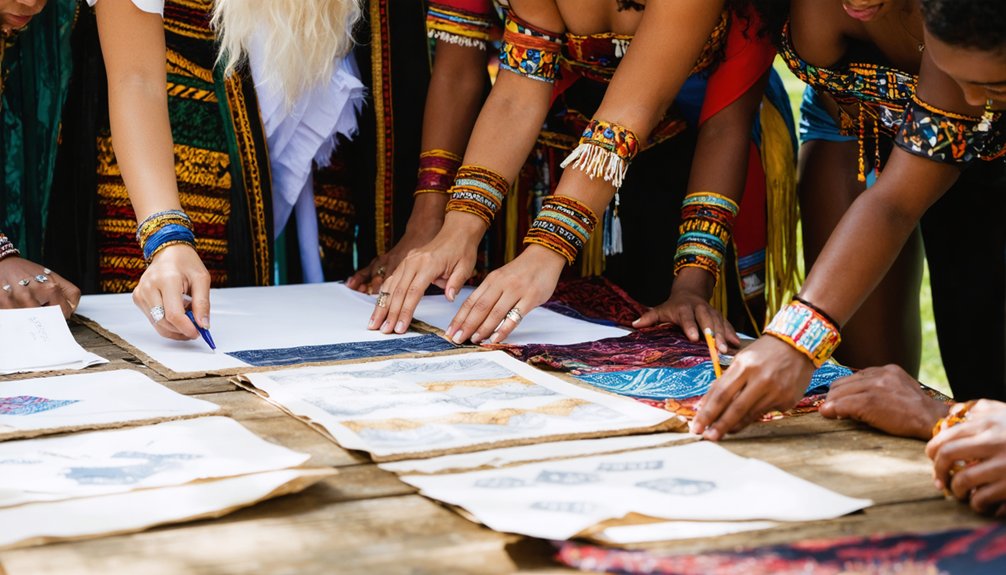
Beyond challenging racial hierarchies through visible participation, BIPOC cosplayers have simultaneously established consent frameworks that address the objectification endemic to convention spaces. These consent guidelines protect marginalized bodies from hypersexualization while centering autonomy across all interactions.
Inclusive practices you’ll recognize include:
- Explicit verbal permission protocols before photographing or touching costumes, eliminating assumptions based on character portrayal or skin exposure
- Recognition of cultural garments as sacred items requiring respectful distance unless the cosplayer initiates contact
- Active bystander intervention training that empowers attendees to disrupt racialized harassment patterns
You’re witnessing how BIPOC communities transform convention culture through intersectional frameworks. When you request permission, prepare equipment beforehand, and accept refusals immediately, you’re participating in spaces where ethnic authenticity coexists with bodily safety—where representation transcends visibility to encompass dignified treatment.
Frequently Asked Questions
Can White Cosplayers Portray Characters Explicitly Written as People of Color?
You shouldn’t alter your skin tone to portray POC characters, as it evokes minstrelsy’s harmful legacy. Instead, respect cultural identity through accurate costume details while honoring community representation—letting cosplay celebrate characters without appropriating marginalized groups’ lived experiences.
How Do Conventions Enforce Cultural Appropriation Rules During Judging Competitions?
Judges scrutinize entries through cultural sensitivity guidelines, directing feedback to choreographers rather than performers. You’ll find judging criteria enforcement involves requesting costume modifications, disqualifying offensive portrayals, and establishing transparent standards that prevent appropriation before competitions commence.
Should Companies Hire Cultural Consultants When Designing Ethnic Fantasy Characters?
Yes, you’ll achieve authentic ethnic fantasy designs by hiring cultural consultants who provide cultural sensitivity training and community engagement strategies. They’ll navigate transculturation risks, prevent orientalizing, and guarantee your characterizations respect source cultures while maintaining creative innovation.
Are Historical Military Uniforms Acceptable if Separated From Their Political Context?
You’ll navigate treacherous waters here—unlike traditional regalia with clear ownership, military uniforms embody state violence that transcends mere aesthetics. Cultural sensitivity demands you acknowledge their imperial legacy, even when appreciating craftsmanship, because context never truly disappears.
Do BIPOC Cosplayers Face Pressure to Only Portray Characters Matching Their Ethnicity?
Yes, you’ll find BIPOC cosplayers face significant pressure to portray only ethnicity-matching characters, constraining their personal identity and cultural expression. This policing reflects systemic racism that denies creative freedom while demanding conformity to restrictive, often inaccurate racial assumptions about fictional characters.