The perfect classic movie star costume comes down to three things: a strong silhouette, one anchor piece, and a signature accessory. Your outline reads before anyone gets close enough to inspect the details. A sweeping trench coat, a pair of elbow-length gloves, or a wide-brimmed fedora does more work than an entire wardrobe of accurate period pieces. Nail those key visual signals, and the character speaks for itself — and there’s plenty more where that came from.
Key Takeaways
- A strong silhouette creates instant character recognition, with bold outlines registering faster than fine fabric details or stitching.
- Three anchor elements—a signature garment, defining accessory, and iconic hairstyle—combine to create a self-explanatory, memorable look.
- Color symbolism enhances recognition, with blacks conveying mystery, reds signaling power, and whites projecting glamour.
- Makeup and hair function as identity tools, with red lips, sculpted brows, and era-matched styles completing the transformation.
- Two to three signature pieces outperform full wardrobe accuracy, as visual impact matters more than perfect authenticity.
The Visual Signals That Make Classic Costumes Read in One Glance
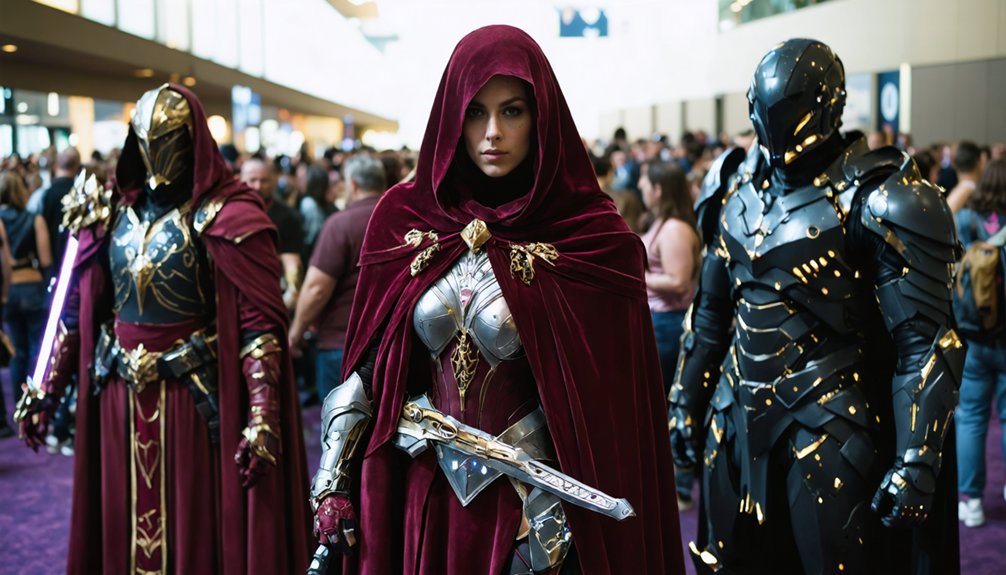
When you’re pulling together a classic movie star costume, the silhouette does the heavy lifting before a single accessory comes into play. A fedora angled just right, a sweeping trench coat, or a high-collar cape communicates character instantly across a crowded room. You don’t need every detail perfect — you need the shape recognizable at a glance.
Color symbolism sharpens that recognition further. Deep blacks signal mystery, bold reds project power, and ivory whites evoke old Hollywood glamour. These choices aren’t accidental — they’re visual shorthand built into the character’s identity.
Costume durability matters too. A look that holds together through an entire evening proves its strength. Choose structured pieces that maintain their shape, because a silhouette that collapses midway through the night loses everything it was designed to communicate.
Why Silhouette Does More Work Than Any Single Costume Piece
When you strip a classic costume down to its bare bones, it’s the silhouette that carries the entire character. A fedora casting a sharp shadow, a cape billowing at the shoulders, or a cinched waist against a full skirt tells the audience everything before a single detail registers.
You don’t need perfect fabric or exact stitching—you need a bold, unmistakable outline that speaks the character’s name without a word.
Shape Over Specific Details
Before you spend hours hunting down the exact shade of satin or the precise button count on a vintage jacket, understand this: silhouette is what registers first, and it registers fast. Costume shape carries the character across a crowded room before anyone reads a single detail. That’s visual storytelling doing exactly what it’s built to do.
A sweeping trench coat, a nipped waist, a dramatic cape — these architectural choices communicate identity instantly. Nobody’s scanning your hemline from thirty feet away. They’re reading your outline.
When you nail the shape, you’ve already won the recognition game. Specific details matter, but they’re secondary. Build your classic movie star look from the silhouette outward, and every other element falls naturally into place.
Silhouettes Signal Characters Instantly
Silhouette speaks before you do. The moment you step into a room, your outline registers faster than any prop or accessory ever could. That’s why costume proportions matter so deeply — a wide-brimmed hat against a nipped waist tells a complete story before anyone sees your face.
Classic Hollywood understood this instinctively, building characters around shapes that burned into memory.
Color blocking amplifies the effect even further. A stark contrast between a dark jacket and pale trousers creates a defined, commanding outline that reads across a crowded space instantly. You don’t need perfect fabric or exact stitching.
You need a silhouette that locks the character into place the second you walk through the door. Get the shape right, and everything else follows naturally.
Bold Outlines Create Recognition
Every unforgettable costume in Hollywood history earns its power from one source: the outline it cuts against a room. Before anyone reads your fabric or notices your accessories, your silhouette speaks first. You’re communicating character before you say a word.
Bold outlines do the heaviest lifting because they register instantly across distance, poor lighting, and crowded spaces. When you apply color blocking deliberately, you sharpen that outline into something unmistakable.
When you introduce pattern contrast between a structured jacket and a solid base, you give the eye a clear focal hierarchy.
Classic Hollywood understood this instinctively. Broad shoulders, nipped waists, dramatic hemlines — these weren’t decorative choices, they were strategic ones. Build your silhouette first, and everything else falls into recognizable place.
Which Three Signature Pieces Define the Classic Movie Star Look?
When you’re building a classic movie star costume, three signature pieces carry the entire look: the anchor garment, a defining accessory, and the hair or headpiece. These iconic costume elements work together to create instant character recognition without requiring a full wardrobe recreation.
Your anchor garment sets the era and mood, whether that’s a structured gown, a tailored trench, or a sharp blazer. From there, your signature accessory choices do the heavy lifting. A pearl strand, oversized sunglasses, or a wide-brimmed hat communicates character in one glance.
The right anchor garment sets the era. One signature accessory seals the story.
Finally, the hair or headpiece seals the transformation, often becoming the detail people remember most.
Get these three elements right, and you don’t need perfection everywhere else. The combination speaks for itself.
How to Choose the Anchor Piece That Carries the Whole Costume
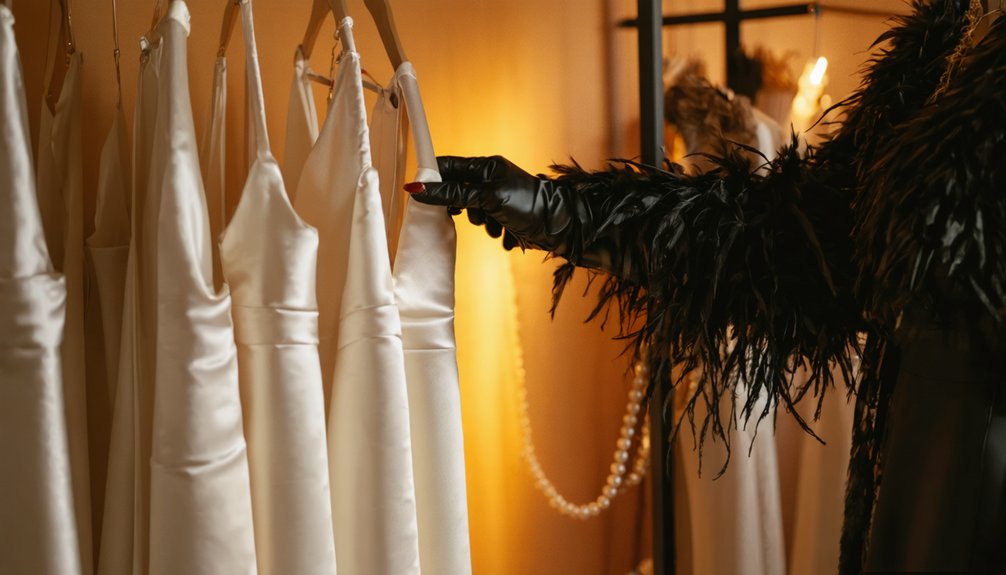
Of those three signature pieces, the anchor garment demands the most careful selection because it frames everything else. Ask yourself which single item someone would name first when describing your chosen character. That’s your anchor.
Prioritize pieces with strong color contrast, since high visual separation between garment and background ensures instant readability across a crowded room. A stark white gown against dark accessories or a black trench against pale skin registers immediately.
Fabric texture matters equally. Structured satin, heavy wool, or sleek leather signals era and status without explanation. Soft, shapeless materials lose their period authenticity quickly.
Choose the anchor by elimination: whichever piece collapses the entire look when missing is the one worth investing in most. Build every other element around it deliberately.
Why Certain Characters Become Costume Shorthand Every Halloween
Certain characters claim Halloween year after year because their visual identity collapses into a single, unforgettable silhouette. You recognize them instantly because their costume evolution locked in specific visual codes that never needed updating.
Iconic characters don’t just wear costumes — they *become* silhouettes that haunt every Halloween, decade after decade.
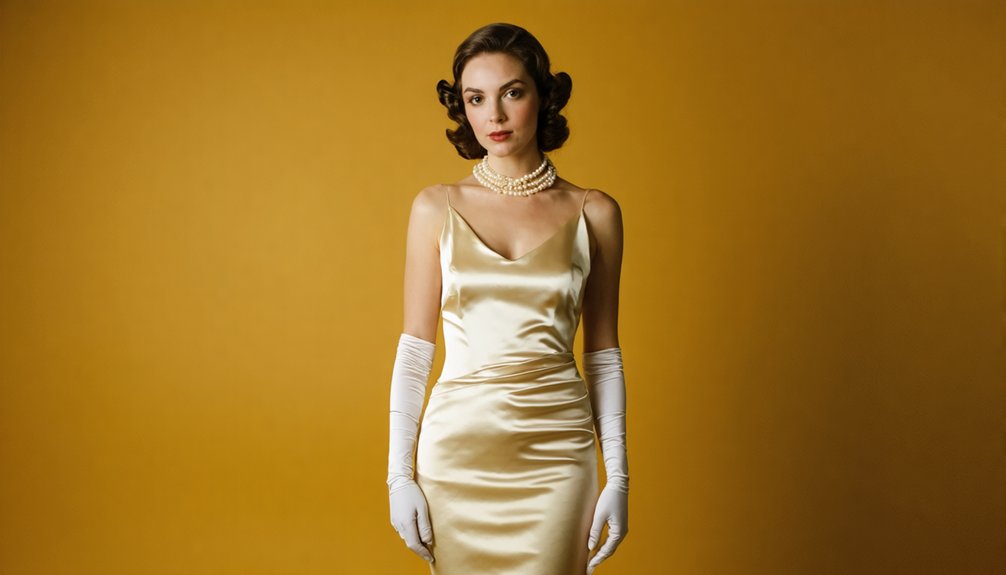
Color symbolism plays a major role — think iconic black capes, red lips, or golden gowns that carry meaning beyond fabric.
Four traits separate lasting costume shorthand from forgettable looks:
- A silhouette readable from across a crowded room
- Color symbolism tied directly to the character’s screen identity
- A costume evolution that stayed consistent across cultural decades
- One anchor accessory that collapses the entire persona into a single prop
When you build from these four pillars, you’re not just wearing a costume — you’re activating a cultural reference instantly understood by every room you enter.
The Hair and Makeup Details That Complete the Transformation
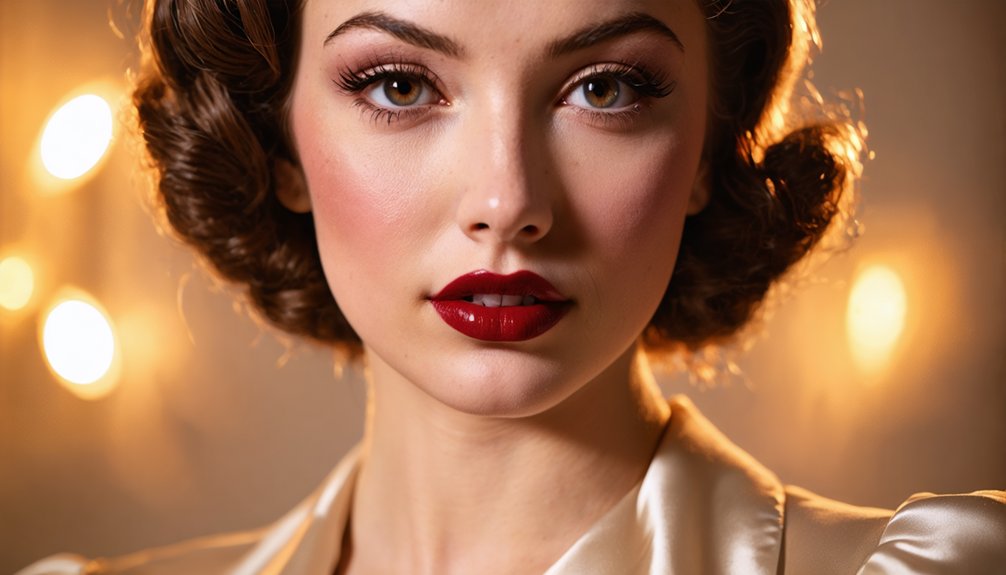
Your wig does the heavy lifting before you say a word, dropping you straight into character the moment it’s on.
Layer in bold brows, a strong lip, and sharp contouring, and the makeup seals what the costume started.
When you match the hair and face to the outfit, you’re not wearing a look — you’re embodying one.
Wigs Signal Character Instantly
When you slip on the right wig, the character clicks into place before you’ve said a word. Color symbolism does the heavy lifting — platinum blonde reads differently than jet black, and both signal entirely different screen archetypes.
Costume durability matters too, since a quality wig holds its shape through hours of wear.
Four wigs that instantly communicate classic stardom:
- Marilyn Monroe’s platinum waves — soft, voluminous, unmistakably golden-era Hollywood
- Audrey Hepburn’s sleek updo — refined, structured, effortlessly chic
- Veronica Lake’s peek-a-boo wave — dramatic, shadowy, film noir perfection
- Elizabeth Taylor’s Cleopatra cut — bold, geometric, commanding immediate recognition
Choose the silhouette that matches your character’s era, and the transformation begins the moment you look in the mirror.
Makeup Deepens Visual Identity
Once the wig is on, makeup seals the illusion — and without it, even the sharpest outfit falls flat. Classic movie stars wielded makeup as a storytelling tool, using color psychology to command the room before speaking a single line. A deep red lip signals boldness. A sculpted brow sharpens authority. Smoky eyes carry mystery.
You’re not just applying product — you’re constructing a facial expression that reads across a crowded space. Study your character’s defining features, then amplify them. Contour the jawline, dramatize the lashes, and match lip color to the emotional tone of the role.
These aren’t decorative choices — they’re communicative ones. When clothing, wig, and makeup align, the transformation moves beyond costume into a fully realized classic screen persona.
Coordinating Hair With Costume
Hair ties the entire look together, and choosing a style that echoes your costume’s era makes the difference between wearing a costume and inhabiting one. Color harmony between your hair and fabric choice elevates the entire silhouette instantly.
Coordinate your hair with intention using these four principles:
- Match the decade — pin curls for the 1940s, bouffant volume for the 1960s.
- Echo your color palette — warm tones complement jewel-toned fabrics; cool tones suit monochromatic looks.
- Use a wig confidently — precision cuts signal character faster than approximated natural hair.
- Anchor the style — a single defining element like victory rolls or a sleek chignon carries the whole transformation.
Your hair isn’t finishing detail. It’s the crown of the costume.
The Accessories That Instantly Identify a Classic Movie Character
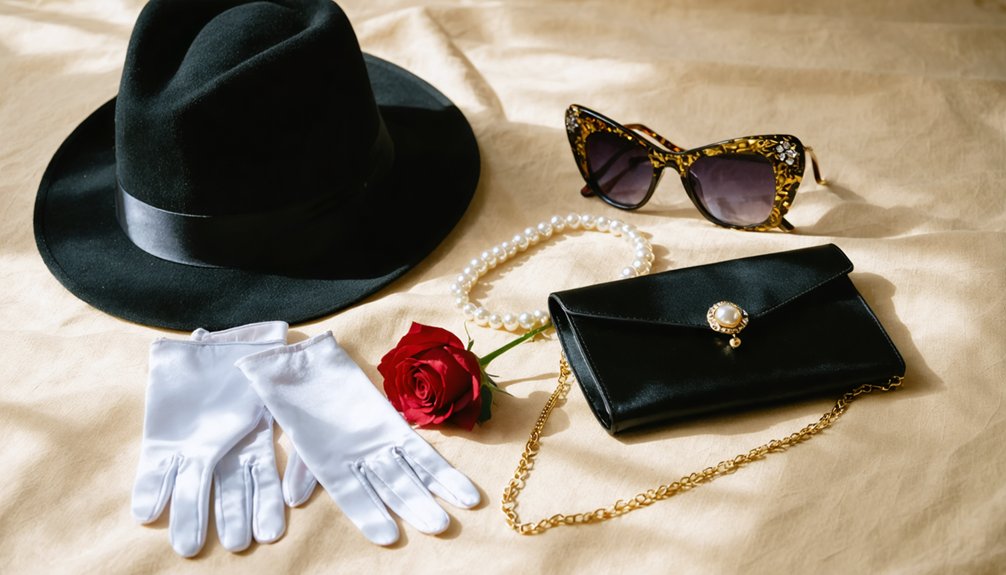
Accessories carry the weight of a classic movie costume in ways that a simple outfit never could. A fedora with a worn fabric texture signals Humphrey Bogart before you say a word. Audrey Hepburn’s cigarette holder and pearls define her silhouette instantly. These aren’t decorative afterthoughts — they’re the visual shorthand that audiences recognize across generations.
You should choose accessories that reinforce your costume color and overall aesthetic with intention. A bold belt, structured gloves, or period-correct sunglasses sharpen your look immediately. One standout prop often carries more recognition value than the entire garment beneath it.
Prioritize the single item most strongly associated with your character. Get that right, and everything else becomes context. That one piece transforms your costume from imitation into a genuine, unmistakable tribute.
Which Classic Movie Characters Are Easiest to Recreate?
Some classic movie characters practically recreate themselves because their entire identity rests on two or three unforgettable pieces. When color palettes and costume textures align with a character’s signature silhouette, recognition happens instantly.
These four characters offer the easiest starting points:
- Holly Golightly – A sleek black gown, long gloves, and an upswept chignon
- Indiana Jones – A weathered fedora, leather jacket, and neutral color palettes built from khaki
- Dracula – A high-collar black cape with rich costume textures and slicked-back hair
- Marilyn Monroe in *The Seven Year Itch* – A white halter dress and bold red lips
You don’t need a wardrobe budget. You need the right three pieces, worn with complete conviction.
How Close to the Original Do You Actually Need to Be?
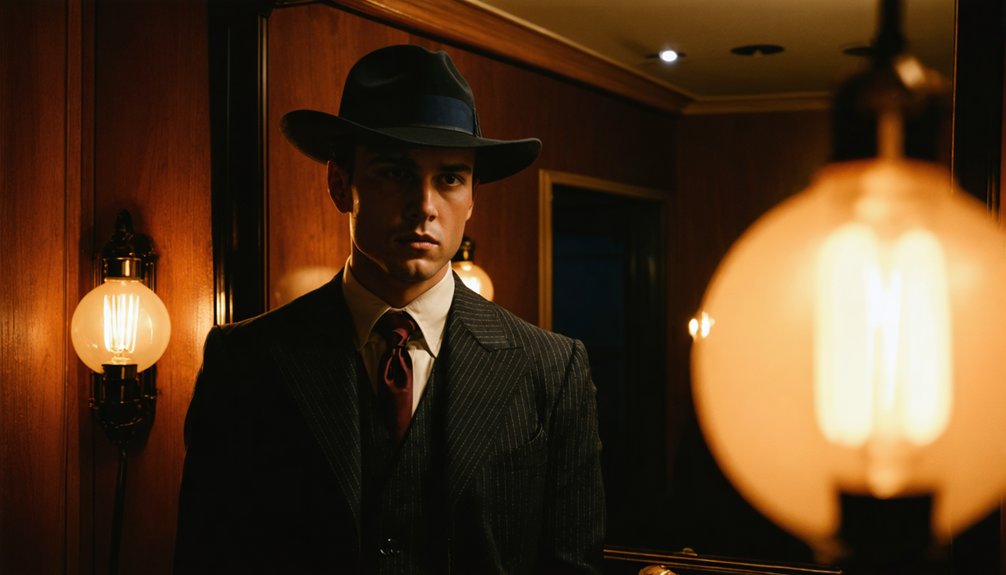
You don’t need a museum-quality replica to pull off a convincing classic movie star look — you need the right three or four identifiers that make the character unmistakable at a glance. Focus your energy on the anchor pieces, the ones audiences most strongly associate with the role, and let the supporting details approximate freely.
Thrift stores, your own closet, and a few well-chosen props can get you remarkably close to the original without chasing perfection stitch by stitch.
Accuracy Versus Visual Impact
When it comes to classic movie star costumes, chasing perfect accuracy misses the point entirely. Visual impact always wins over technical precision. Your goal is immediate recognition, not a museum replica.
Prioritize these four elements for maximum effect:
- Silhouette first — nail the shape before worrying about fabric textures or construction details
- Color palettes matter — approximate the right tones rather than sourcing exact dyes
- Anchor pieces only — focus on the two or three items people most strongly associate with the character
- Bold over perfect — an exaggerated detail reads better from across a room than a subtle authentic one
Glamour lives in confidence and clarity. If someone recognizes you instantly, you’ve succeeded completely.
Key Identifiers Over Details
Chasing visual impact naturally raises the next question: exactly how close to the original do you actually need to be? The answer is simpler than you’d expect. You don’t need to match every stitch or replicate every seam.
What you need is to nail the key identifiers — the anchor pieces people instantly recognize.
Costume color matters far more than fabric texture. A perfectly matched shade of ivory or black registers immediately across a crowded room, while subtle textile differences go completely unnoticed.
Prioritize the silhouette, the signature prop, and the defining accessory. Get those three elements right, and the rest becomes secondary.
Classic screen glamour was always built on bold, readable choices — and your costume should follow that same precise, confident logic.
Practical Sourcing Still Works
Sourcing your costume doesn’t require a Hollywood wardrobe department or a lavish budget. Historical accuracy matters, but capturing the spirit of an era outweighs replicating every stitch. Cultural influences shaped these iconic looks, and thrift stores, rental shops, and your own closet often hold exactly what you need.
Focus your sourcing strategy on these four essentials:
- Anchor piece first — secure the most recognizable item before anything else
- Thrift stores — period silhouettes surface regularly at minimal cost
- DIY modifications — alter existing clothing to match signature shapes
- Rental shops — ideal for statement pieces like gowns or structured coats
Prioritize visual impact over perfection. If the silhouette reads correctly and the key identifiers land, your costume succeeds completely.
How to Source Every Piece of Your Costume Without Overspending
Building a classic movie star costume doesn’t require a Hollywood budget—it requires a sharp eye and a little patience. Start with thrift stores for structured jackets, tailored trousers, and draped gowns that echo golden-age silhouettes.
Vintage accessories—brooches, gloves, and structured handbags—surface regularly at estate sales and online resale platforms for far less than retail. Pay close attention to fabric choices; satin, velvet, and gabardine photograph richly and read as authentically period-accurate even when sourced secondhand.
Anchor pieces like hats or statement coats often appear at costume rental shops if thrifting falls short. Build outward from your strongest identifier, then fill supporting pieces affordably.
Precision in selecting three key elements beats spending heavily on an entire wardrobe that still misses the character entirely.
Frequently Asked Questions
Can Two People Successfully Recreate the Same Classic Movie Costume Together?
Like two stars sharing one constellation, you can absolutely recreate a classic costume together. Coordinate your matching accessories for visual harmony, guarantee costume durability through quality pieces, and you’ll both radiate that glamorous, period-accurate magic effortlessly.
Are There Classic Movie Costumes That Work Better for Specific Body Types?
You’ll find certain classic movie costumes naturally flatter different body types. Prioritize silhouette-enhancing costume accessories and color accuracy to channel period-accurate glamour. You’re not restricted — you’re innovating by choosing looks that amplify your strongest features confidently.
How Do Weather Conditions Affect Wearing a Classic Movie Star Costume Outdoors?
Like a storm stealing your spotlight, weather impact can challenge outdoor comfort. You’ll want to layer smartly beneath glamorous pieces, protect signature accessories from wind and rain, and choose breathable fabrics that keep your iconic silhouette flawlessly intact.
Is It Acceptable to Combine Elements From Two Different Classic Movie Characters?
You can absolutely combine elements from two classic movie characters if you maintain character authenticity in your signature pieces. Prioritize costume durability, ensuring each iconic detail reads clearly, so your innovative, glamorous fusion remains instantly recognizable.
What Age Groups Most Commonly Recognize Classic Movie Star Costumes Today?
You’ll find that adults aged 35 and older most strongly recognize classic movie star costumes, though younger innovators increasingly embrace iconic fashion through digital culture, making costume authenticity a surprisingly cross-generational conversation you can spark anywhere.
References
- https://www.zephyrhillblog.com/2020/04/30-of-my-favorite-classic-hollywood-costume-movies/
- https://www.facebook.com/groups/tcmfansite/posts/2056178284823774/
- https://artofthemovies.co.uk/blogs/original-movie-posters/iconic-movie-costumes-of-the-20th-century
- https://www.dallasvintageshop.com/hollywood/
- https://www.cosmopolitan.com/style-beauty/fashion/g23477130/iconic-outfits-from-popular-movies/
- https://www.costumemailer.com/blog/60-best-movie-character-costumes-for-your-next-costume-party-a-fun-and-creative-way-to-stand-out-at-your-next-costume-party-these-60-movie-character-costumes-are-sure-to-impress-from-classic-heroes/
- https://www.herstylecode.com/outfits/movie-character-costumes/
- https://www.youtube.com/watch?v=bgaTpr2CLG8
- https://www.youtube.com/watch?v=LeRAjmpqtVk