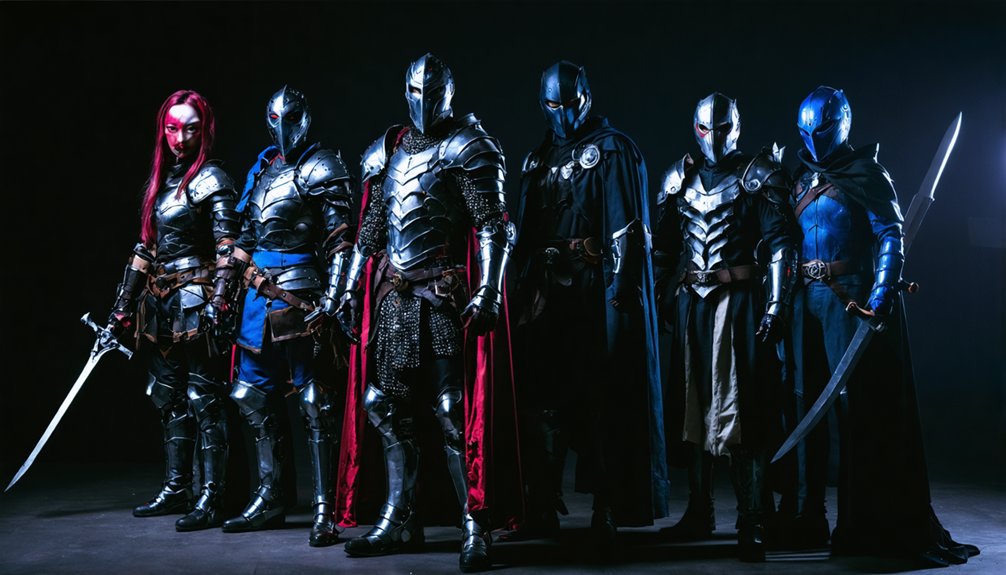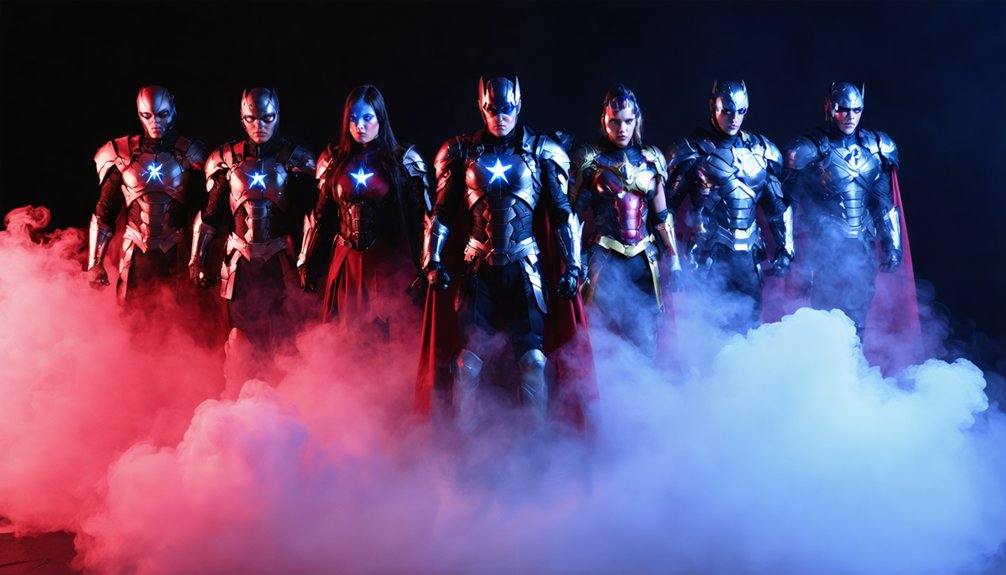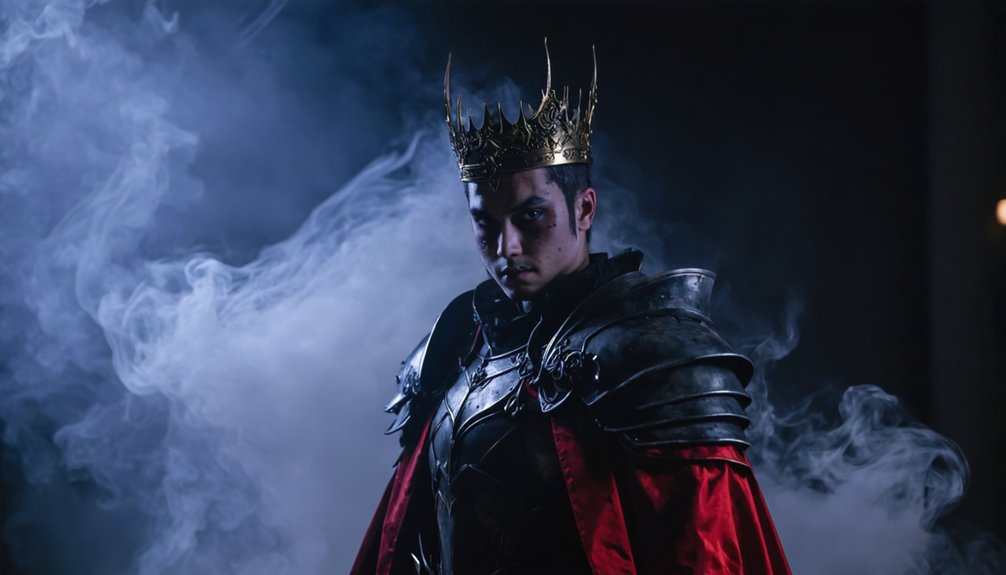
You’re drawn to villain cosplay because it lets you inhabit a psychology you’d never act on in real life. Identity theory shows that embodying a villain activates cognitive empathy, pushing you to understand motivations that mirror suppressed impulses or unresolved trauma. It’s psychological escapism with measurable emotional stakes. Fear, grief, and revenge aren’t just character traits — they’re neurologically grounded states you temporarily process through costume and performance. Stick around, and you’ll uncover exactly how deep this goes.
Key Takeaways
- Psychological escapism allows cosplayers to explore villainous motivations and suppressed impulses without real-world consequences.
- Trauma-driven villain backstories create deep emotional resonance, transforming abstract evil into recognizable human suffering.
- Fear, grief, and revenge are core emotional drivers that enhance authentic villain portrayals.
- Character selection is guided by psychological resonance, where personal emotions align with a villain’s core motivations.
- Costume elements like dark palettes and spikes visually communicate threat, reinforcing the villain’s psychological narrative.
The Psychology Behind Villain Cosplay
When you slip into a villain’s costume, something psychologically profound occurs — you’re not just wearing a disguise, you’re inhabiting a moral framework radically different from your own. Villain archetypes function as psychological mirrors, reflecting suppressed impulses, unresolved trauma, and societal frustrations you rarely confront directly.
Psychological escapism drives this phenomenon beyond mere entertainment. You’re temporarily suspending your ethical constraints, exploring motivations rooted in fear, persecution, or grief without real-world consequences.
Research in identity theory suggests that embodying antagonistic personas activates cognitive empathy — you’re reverse-engineering thought processes that normative social structures discourage examining.
This isn’t passive fantasy. You’re analytically dissecting what transforms noble intentions into destructive behavior, understanding how isolation, betrayal, or systemic wrongdoing radicalize characters — and occasionally, recognizing uncomfortable parallels within yourself.
Why Villains With Broken Pasts Hit Differently?
There’s a reason villains shaped by trauma cut deeper than their purely malevolent counterparts — their broken pasts transform abstract evil into recognizable human suffering.
When you encounter a character whose broken origins stem from betrayal, isolation, or systemic persecution, you’re not observing mere antagonism — you’re witnessing psychology mirroring real human experience.
Sympathetic motives reframe moral judgment entirely. You stop asking *what* the villain does and start asking *why*, which demands deeper cognitive engagement.
Neuroscientifically, trauma-driven narratives activate empathy centers differently than straightforward evil does, creating emotional dissonance that lingers.
These characters expose an uncomfortable truth: given specific circumstances, destructive choices become comprehensible.
That recognition unsettles you because it collapses the comfortable distance between audience and antagonist, making villain cosplay feel less like performance and more like honest self-examination.
Fear, Grief, and Revenge: The Emotions That Drive Villain Cosplay
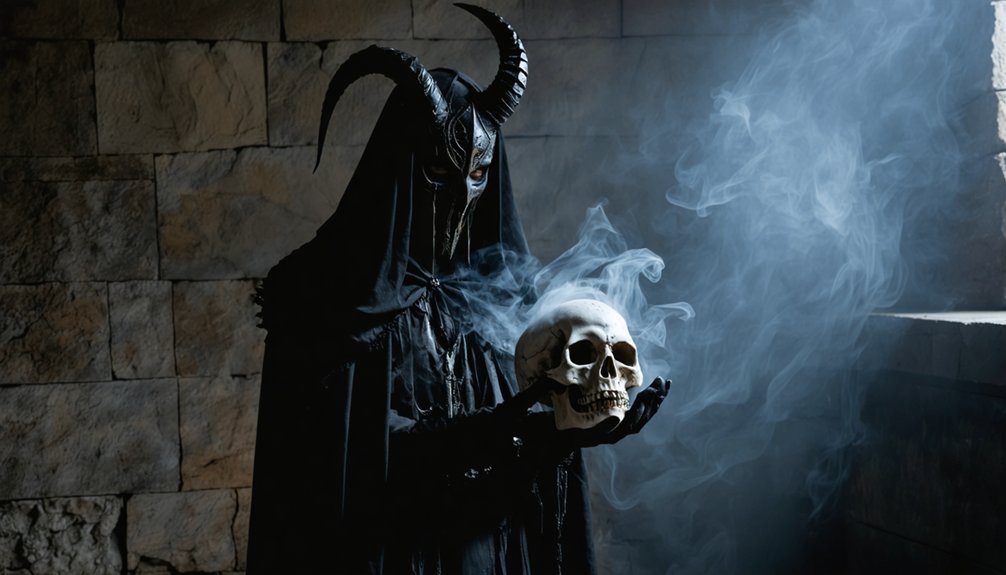
Fear, grief, and revenge aren’t abstract narrative devices — they’re neurologically grounded emotional states that cosplayers tap into when embodying villain archetypes.
Fear’s influence operates through the amygdala, triggering heightened awareness that sharpens your performance authenticity.
When you channel a grief-stricken villain, grief’s manifestation surfaces through micro-expressions, posture collapse, and vocal tension — physiological signals audiences instinctively recognize.
Revenge motivations activate reward-processing pathways, making vengeful characters feel satisfying to portray because they externalize justice-seeking impulses society typically suppresses.
You’re not just wearing a costume; you’re conducting trauma expression through controlled behavioral performance.
This interdisciplinary convergence of neuroscience, psychology, and performance theory explains why emotionally complex villains resonate deeper than purely malevolent ones — their emotional architecture mirrors your own unresolved human experiences.
How to Choose the Right Villain Character for Your Cosplay?
Choosing the right villain character demands more than aesthetic preference — it requires systematic self-assessment across psychological, physical, and narrative dimensions. Effective character selection aligns your emotional landscape with established villain archetypes through deliberate analysis.
Consider these three critical dimensions:
- Psychological resonance — Identify which villain’s core motivation (vengeance, control, nihilism) mirrors emotions you authentically understand and can portray convincingly.
- Physical compatibility — Evaluate costume construction demands, makeup complexity, and postural requirements against your actual skill set and budget.
- Narrative alignment — Examine whether the villain’s backstory connects to themes you’re genuinely drawn to explore through performance.
Cross-referencing these dimensions produces character selections that transcend superficial costuming, transforming your portrayal into a psychologically coherent, visually compelling, and narratively grounded embodiment of the chosen antagonist.
Spikes, Dark Palettes, and Scars: Costume Details That Define Villain Cosplay
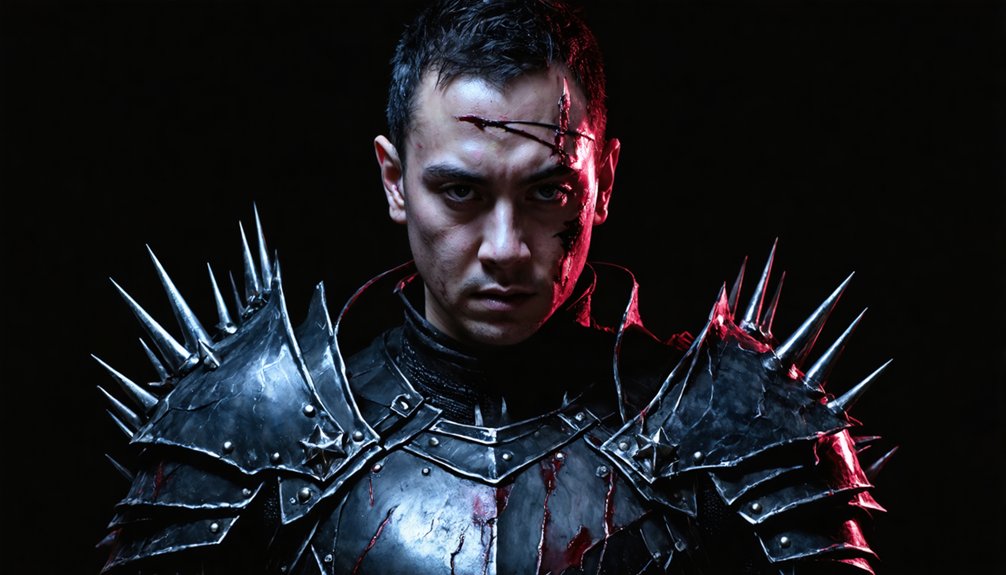
Costume architecture functions as a villain’s psychological blueprint — every spike, shadow, and scar communicates narrative information before you’ve struck a single pose.
You’re engineering costume symbolism when you select tattered edges over clean hems, or black-crimson palettes over neutral tones. Spikes signal aggression and territorial dominance; scars externalize internal trauma, giving audiences immediate biographical context.
Dark palettes psychologically prime viewers toward threat-recognition responses rooted in evolutionary conditioning. Your visual storytelling operates across multiple registers simultaneously — material texture, silhouette geometry, and color temperature each transmit distinct character data.
Chains suggest captivity or weaponized authority. Asymmetrical design elements communicate psychological fracture.
You’re not decorating a costume; you’re constructing a semiotic system that collapses backstory, motivation, and emotional damage into immediate, visceral visual communication.
How to Move, Stand, and Stare Like a True Villain?
While costume architecture establishes your villain’s visual identity, physical performance transforms static design into living threat. Villainous Confidence emerges through deliberate, controlled physicality that communicates dominance before you speak.
- Sinister Posture: Pull shoulders back, elongate your spine, and occupy space aggressively. Compression signals submission; expansion signals authority.
- Malicious Movement: Walk with calculated slowness and purposeful intention. Each step should suggest predatory awareness, as though you’re constantly evaluating threats and opportunities simultaneously.
- Chilling Gaze: Maintain prolonged, unblinking eye contact. Psychological research confirms sustained staring triggers primal discomfort in observers, creating authentic unease that no costume element replicates.
These three behavioral layers work interdependently — posture establishes hierarchy, movement demonstrates control, and gaze weaponizes attention into genuine psychological presence.
Frequently Asked Questions
Can Children Safely Participate in Villain Cosplay at Conventions?
You can let your little ones safely explore the darker side of storytelling through villain cosplay, provided you follow cosplay guidelines, guarantee parental consent, maintain age appropriateness, and prioritize child safety throughout every convention experience.
How Do Villain Cosplayers Handle Negative Reactions From Other Attendees?
You handle negative reactions by anchoring yourself in character motivation, reframing audience perception as authentic engagement. You’re embodying moral complexity, not endorsing it — that distinction transforms criticism into validation of your portrayal’s psychological and emotional effectiveness.
Are There Villain Cosplay Communities or Groups to Join Online?
Over 60% of cosplayers join niche groups online. You’ll find thriving communities on Reddit and Discord where members share villain character motivations and refine villain design techniques, blending psychology, artistry, and performance into innovative, collaborative spaces.
What Budget Range Should Beginners Expect for a Villain Costume?
You’ll typically spend $50–$150 as a beginner. Your costume materials and character inspiration determine costs—bold fabrics, dramatic makeup, and symbolic accessories align empirically with villain aesthetics while remaining budget-friendly for innovative, expressive cosplay experiences.
How Does Villain Cosplay Differ Across Various Cultural Conventions Worldwide?
You’ll find villain cosplay shifts dramatically worldwide — bright chaos meets solemn tradition as cultural symbolism reshapes character interpretation. Eastern conventions favor mythological antagonists, while Western events prioritize psychological complexity, reflecting each culture’s unique storytelling values and innovative creative expression.
References
- https://www.victimsandvillains.net/reviews/cosplay-heroes-and-villains
- https://shareok.org/items/1f47b0f3-0431-4641-8279-aaf9f0ce0a17
- https://archive.isea.org/unlock-the-secrets-of-unforgettable-villain-design/13735433.html
- https://starstruckpanda.com/villain-cosplay-character-analysis-guide/
- http://news.cosercos.com/202408235408879.html
- https://www.reddit.com/r/SpidermanPS4/comments/we9cok/why_are_people_dressing_as_supervillains/
- https://starstruckpanda.com/villain-cosplay-transformation-tutorials/
- https://www.reddit.com/r/CosplayHelp/comments/1l3gvu3/cosplaying_villainous_characters/
- https://paizo.com/threads/rzs2tn2g
- https://itsclydebitches.tumblr.com/post/188726983280/how-do-you-feel-about-people-who-cosplay-villains