You can weatherproof cosplay props using Plastidip, Worbla, fiberglass resin, spar varnish, and UV-resistant clear coats. EVA foam needs sealed edges and multiple Plastidip layers. Thermoplastics like Worbla form non-porous, humidity-resistant shells. Wood props require exterior latex primer plus spar varnish. For 3D-printed parts, UV-stabilized filaments like ASA or PETG outperform standard PLA outdoors. Each material demands a tailored sealing strategy—and the right technique makes all the difference when you keep going.
Key Takeaways
- Plastidip applied in multiple thin coats creates a flexible, rubberized, moisture-resistant barrier ideal for sealing EVA foam props.
- Worbla thermoplastic forms a non-porous, water-resistant shell that maintains color retention and resists humidity-driven degradation.
- Fiberglass and resin provide maximum weather resistance, impact strength, and long-term rigidity for outdoor cosplay props.
- UV-resistant filaments like ASA, PETG, and UV-stabilized Nylon offer strong outdoor durability for 3D-printed prop components.
- Exterior latex primer paired with spar varnish effectively protects wooden props against moisture and harsh weather conditions.
Why Cosplay Props Fall Apart in Rain and Humidity
When rain hits an unsealed EVA foam prop, moisture infiltrates through cut edges, seams, and surface defects almost immediately. This softens adhesive bonds and causes layers to separate.
You’re dealing with a compounding failure: humidity swells foam cells, contact cement loses grip, and paint peels as the substrate flexes. Material compatibility becomes critical here because incompatible adhesives and coatings accelerate breakdown rather than prevent it.
PLA prints warp, untreated wood delaminates after a single rain cycle, and uncoated thermoplastics develop surface micro-cracks under repeated wet-dry stress.
Aesthetic considerations also suffer directly since warped surfaces, bubbling paint, and discolored seams destroy visual accuracy.
Understanding these failure mechanisms lets you engineer smarter material stacks from the start, targeting durability without sacrificing the prop’s intended appearance.
How to Waterproof EVA Foam Props Before Any Outdoor Event
Before you apply any coating, seal every cut edge and seam on your EVA foam prop using a heat gun or contact cement, since unsealed edges absorb moisture fastest and compromise the entire build.
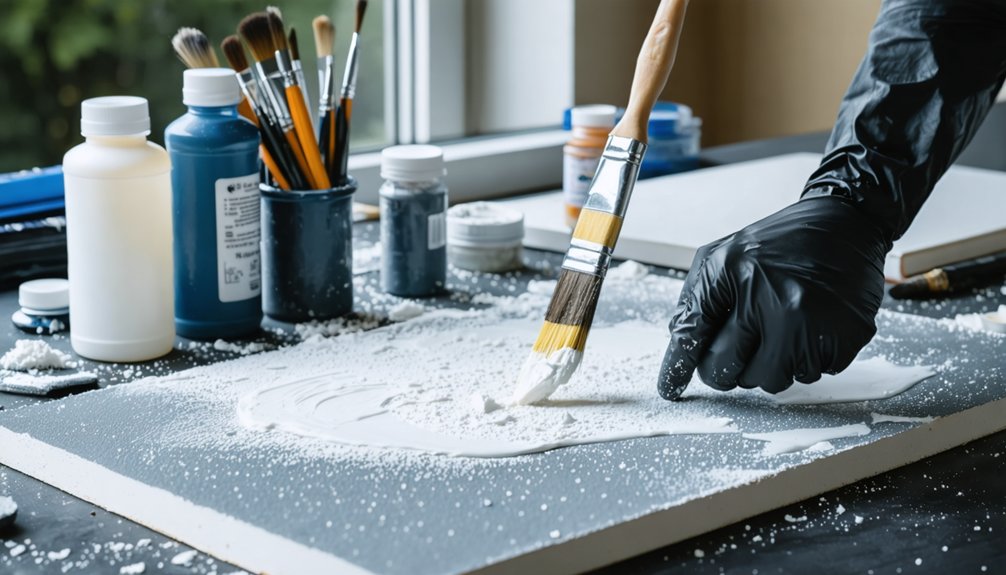
Once the edges are tight, brush on a thin layer of Plasti-dip, let it cure fully, then add two to three additional coats to build a continuous rubberized barrier across the surface.
Each coat should dry completely before the next application—rushing this process creates weak spots that peel or crack under outdoor humidity.
Sealing Foam Edges First
Sealing foam edges first matters more than most builders expect, because cut edges and seams absorb moisture far faster than flat surface areas do. When you cut EVA foam, you’re exposing an open cellular structure that wicks water directly into the prop’s core.
Foam density directly affects how aggressively this happens — lower-density foam absorbs moisture more readily, demanding more deliberate sealing techniques.
Start by applying two to three thin coats of contact cement or a dedicated foam sealant along every cut edge before touching the flat surfaces.
A heat gun run lightly across exposed edges closes surface cells without degrading structural integrity.
Follow that with Plastidip for a flexible, rubberized barrier.
Skipping this step first undermines every protective layer you apply afterward.
Applying Plastidip Coats
Once your foam edges are sealed, Plastidip coats become your primary moisture barrier — but application technique determines whether those coats hold up or peel away under real outdoor conditions.
Apply a minimum of four thin coats, allowing full drying between each layer:
- Spray at 6–8 inches distance to prevent pooling
- Build coats perpendicular to each other for even coverage
- Target seams, carved details, and edges with extra passes
- Let each coat cure 30 minutes before adding the next
- Apply a final directional coat to unify surface texture
For cosplay prop storage, hang pieces vertically so coats cure without contact points. Indoor display tips apply here too — keep props away from heat sources during curing, since premature warmth causes Plastidip to bubble and compromise your moisture barrier entirely.
Thermoplastics That Outperform Foam in Wet Conditions
When moisture is a real concern, thermoplastics like Worbla outperform EVA foam because they form a hard, non-porous shell that doesn’t absorb water at cut edges or seams. Unlike foam, Worbla’s surface resists humidity-driven degradation, preserving color retention across extended outdoor exposure without the paint lifting or flaking that sealed foam often experiences.
You’ll also benefit from material flexibility during the build phase—Worbla reactivates with heat, letting you reshape and refine structural sections before locking into a rigid final form.
For long props, pairing a PVC core with a Worbla outer shell delivers structural integrity while keeping weight manageable. Once finished with a protective coating, thermoplastic builds handle repeated rain exposure considerably better than their foam counterparts, making them the smarter choice for demanding outdoor environments.
Fiberglass and Resin Hard Coats for Outdoor Cosplay Props
When you need maximum weather resistance for large outdoor props, fiberglass and resin hard coats outperform foam and most thermoplastics by creating a rigid, moisture-impervious shell.
You can apply polyester or epoxy resin directly over a high-density foam core, layering fiberglass cloth between coats to build structural strength without significant weight gain.
This hard-coat system lets you withstand repeated rain exposure and impact stress that would crack or delaminate softer builds.
Fiberglass Weather Resistance Benefits
Because outdoor cosplay props face repeated exposure to rain, humidity, and UV stress, fiberglass and resin hard-coat systems offer a level of weather resistance that foam or thermoplastics alone can’t match. When you apply fiberglass over a high-density foam core, you’re engineering a shell that delivers solar durability, thermal insulation, and structural integrity simultaneously.
Key weather resistance benefits include:
- Moisture rejection at cut edges, seams, and surface pores
- Solar durability that resists UV-driven fading and surface degradation
- Thermal insulation properties that reduce expansion-contraction stress cycles
- Impact resistance superior to unsealed foam or basic thermoplastic builds
- Long-term rigidity that maintains prop geometry through repeated rain exposure
These advantages make fiberglass hard-coat systems the technical benchmark for large, display-grade outdoor cosplay builds.
Applying Resin Hard Coats
Applying a resin hard coat transforms a foam or thermoplastic core into a rigid, moisture-resistant shell built for repeated outdoor exposure. You’ll brush or pour catalyzed resin directly onto your substrate, building thin layers until you achieve structural integrity without excessive weight considerations becoming a problem.
Each cured layer seals seams, cut edges, and surface irregularities that would otherwise absorb moisture. Sand between coats to maximize adhesion and surface uniformity.
For props incorporating lighting effects, pre-route channels through your foam core before applying resin, since cutting through cured shells risks cracking.
Fiberglass cloth embedded within resin layers markedly increases impact resistance compared to resin alone.
Once fully cured, finish with UV-resistant primer and exterior-grade topcoat to complete a weatherproof system engineered for demanding outdoor conditions.
Which 3D Printing Filaments Actually Hold Up Outdoors?
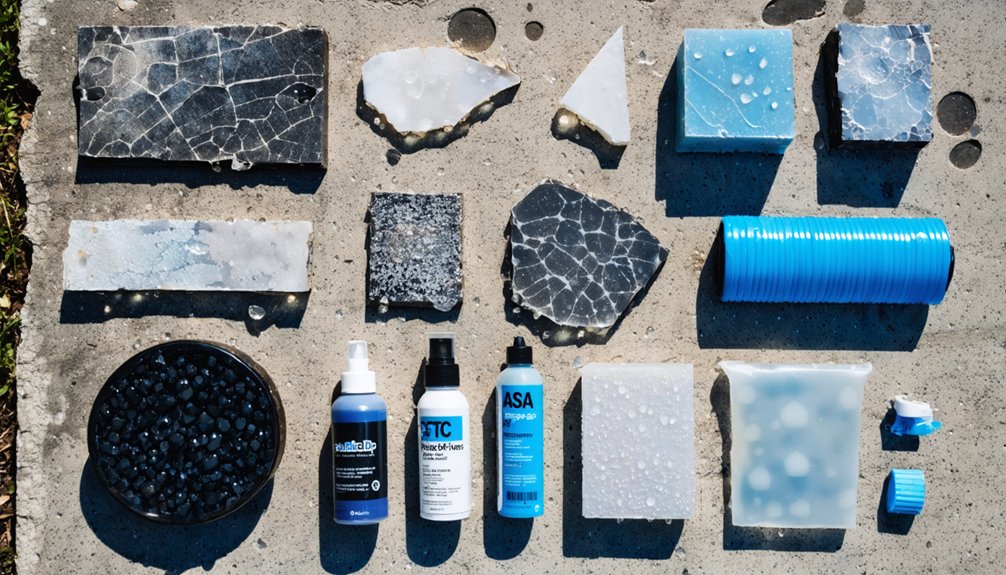
Choosing the right filament for outdoor props can make or break a build’s longevity, so it’s worth understanding how each material actually performs under UV exposure and moisture. Material compatibility with your prop’s structural demands directly affects cost effectiveness, since failed prints mean reprints.
The wrong filament choice doesn’t just look bad—it fails, and failed outdoor prints cost you time and money.
Here’s how common filaments stack up outdoors:
- ASA delivers strong UV stability and weather resistance, making it your top outdoor choice.
- PETG balances printability with solid moisture resistance for moderate outdoor exposure.
- UV-stabilized PC handles mechanical stress and long-term weathering exceptionally well.
- UV-stabilized Nylon outperforms standard Nylon, which yellows and embrittles under sunlight.
- PLA degrades quickly under UV and moisture—avoid it for outdoor builds entirely.
Match your filament choice to your prop’s specific environmental demands before committing to a print run.
The Best Sealants and Coatings for Every Prop Material
Sealing your prop correctly depends on what you’re sealing, since different base materials respond to coatings in fundamentally different ways.
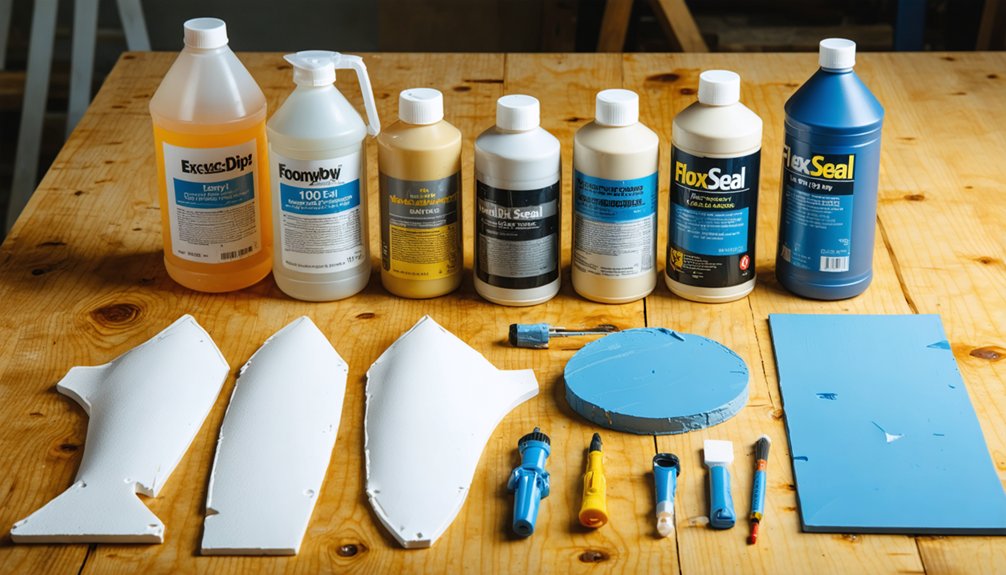
For EVA foam, apply multiple Plastidip layers before your topcoat — it builds a flexible, rubberized barrier that prevents moisture absorption at cut edges while preserving surface texture.
For Worbla or thermoplastics, a rigid polyurethane or lacquer coat works better since the substrate doesn’t bend markedly.
Wood props need exterior latex primer, followed by spar varnish when ground contact is likely.
For resin or fiberglass builds, clear lacquer locks in color matching without compromising the hard shell.
3D-printed ASA or PETG benefits from UV-resistant clear coat.
Whatever material you’re working with, sealing edges first prevents the most common weatherproofing failures before they start.
Frequently Asked Questions
Can Weatherproofed Cosplay Props Still Be Safely Repaired After Damage?
Yes, you can safely repair weatherproofed cosplay props using targeted repair techniques that restore cosplay durability—reapply Plastidip, patch EVA foam seams, recoat resin shells, or reseal wood surfaces to maintain your prop’s structural and weather-resistant integrity.
How Do You Store Weatherproofed Props Between Outdoor Conventions?
Like a ship in dry dock, store your weatherproofed props in climate-controlled spaces. Follow these storage tips: use vinyl covers, elevate off floors, and apply display considerations like UV-blocking cases between outdoor conventions.
Does Weatherproofing Add Noticeable Weight to Finished Cosplay Props?
Most weatherproofing techniques won’t noticeably burden your build. Plastidip, clear coats, and sealants add minimal mass while boosting material durability. You’ll barely notice the weight difference, but you’ll considerably extend your prop’s lifespan outdoors.
Can Fabric Costume Pieces Be Weatherproofed the Same Way Props Are?
Fabric can’t be weatherproofed the same way props can. You’ll need flexible aerosol sealants designed for fabric durability and costume flexibility, not rigid coatings. These sprays repel moisture while preserving movement without cracking or stiffening your costume pieces.
How Long Does Weatherproofing Typically Last Before Needing Reapplication?
You’ll typically reapply weather protection techniques every 1–2 seasons, depending on exposure intensity. For cosplay durability, inspect coatings like Plastidip or polyurethane annually, as UV degradation and moisture cycling accelerate breakdown faster than standard indoor use.
References
- https://www.reddit.com/r/CosplayHelp/comments/16r8784/waterproofing/
- https://www.reddit.com/r/HalloweenProps/comments/1ezmz05/weatherproofing_props_and_animatronics/
- https://www.reddit.com/r/cosplayers/comments/1pc2ivm/what_are_your_goto_techniques_for_weatherproofing/
- https://starstruckpanda.com/crafting-long-lasting-cosplay-props-expert-advice/
- https://www.spurcreative.co.uk/blog/outdoor-installations-how-we-weatherproof-props-for-summer-events
- https://cosplay.com/archive/thread/7kyxmp/strengthening-weathering-props
- https://www.reddit.com/r/HalloweenProps/comments/prvpgi/weatherproofing/
- https://www.reddit.com/r/HalloweenProps/comments/r1g8fo/how_do_you_weatherproof_wood_for_outdoor_displays/
- https://www.3djake.cz/info/poradce-recenze-a-dalsi/filamenty-vhodne-pro-venkovni-pouziti-pro-3d-tisk-odolny
- https://blog.miccostumes.com/frequently-used-materials-for-cosplay-props-or-armors-cosplay-tutorials/