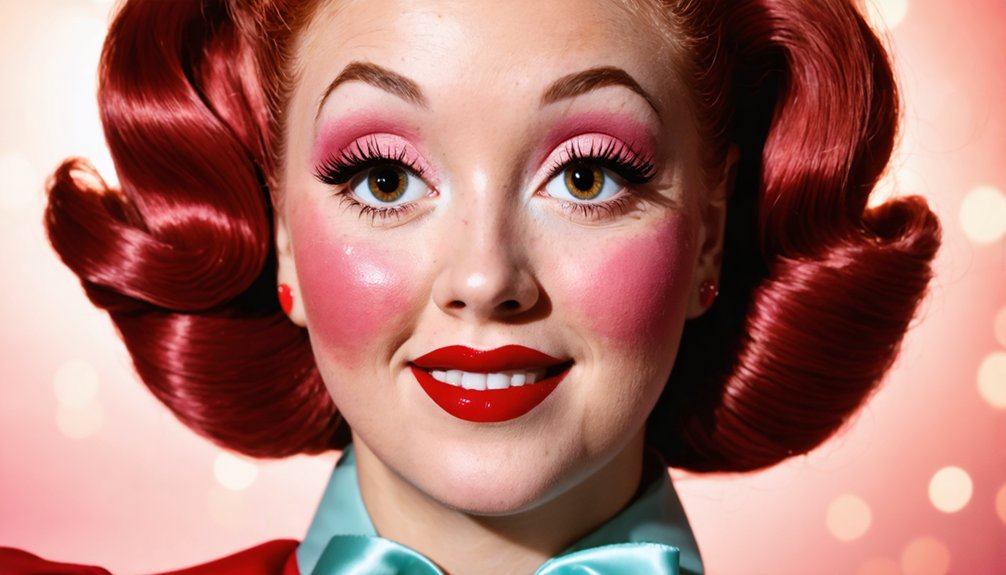
Disney and Pixar character makeup and hair work because they translate bold, animated design into instantly readable identity you can wear. You’re working with exaggerated features, signature color palettes, and engineered silhouettes that communicate personality before a single word is spoken. High-contrast choices, precise contour mapping, and curl patterns encode traits like defiance or discipline directly onto the face and hair. Explore further and you’ll uncover exactly how each technique pulls the full transformation together.
Key Takeaways
- Disney and Pixar character makeup uses exaggerated features and signature colors to create instant, pre-verbal recognition of personality traits.
- Hair silhouette and volume act as storytelling tools, encoding character traits like defiance, freedom, or discipline visually.
- High-contrast colors and bold contours mimic animated facial zone separation, making characters visually accurate and expressive in real life.
- Cultural symbols and authentic design elements ensure diverse characters are portrayed respectfully, supporting inclusive and relatable storytelling.
- Amplified makeup and structured hair withstand performance conditions while maintaining character accuracy for stage, camera, and digital platforms.
Why Disney and Pixar Characters Inspire Such Powerful Makeup Looks
Disney and Pixar characters inspire powerful makeup looks because their designs are built around exaggerated, instantly readable visual traits — bold eye shapes, signature color palettes, and distinctive silhouettes that register immediately even without costume support.
When you study these characters closely, you’ll notice that color symbolism drives recognition as much as form does. Merida’s wild auburn curls signal rebellion; Dory’s blue tones communicate gentleness and openness.
Silhouette importance becomes equally critical — a character’s hair shape or eye line often communicates personality before any other detail processes.
Pixar’s simplified, rounded design language translates efficiently onto human features through strategic contouring, liner work, and color placement.
You’re not replicating every animated detail; you’re isolating the defining traits that make each character architecturally and emotionally unmistakable.
What Makes a Character Look Instantly Recognizable?
When you break down any Disney or Pixar character, three visual anchors drive instant recognition: signature color palettes, exaggerated facial features, and distinctive hair silhouettes.
You can replicate Merida’s wild copper curls or Dory’s vivid blue coloring, and audiences register the character before processing a single costume detail.
These elements work because Disney and Pixar designers deliberately amplify defining traits, giving you clear, reproducible targets when building a character-accurate makeup and hair look.
Signature Colors Define Characters
Signature colors are one of the most immediate cues your brain uses to identify a Disney or Pixar character before any other detail registers. Color symbolism operates as a visual shorthand, encoding personality and narrative role directly into a character’s palette.
Merida’s deep red hair signals her fierce independence. Dory’s cobalt blue reflects calm and curiosity. When you recreate these looks, character consistency depends on matching those exact hues with precision. Using an off-tone red or muted blue breaks recognition instantly.
Select pigments that mirror the character’s rendered palette as closely as possible. Apply those colors to your eyes, lips, and hair with deliberate accuracy. Signature color alignment is what bridges the gap between a general costume and an immediately identifiable character transformation.
Exaggerated Features Signal Identity
Animated characters are built around exaggerated proportions that your brain processes faster than realistic facial geometry. Pixar and Disney designers amplify defining features — oversized eyes, dramatic brow arches, pronounced lip shapes — because exaggeration accelerates recognition. When you replicate these traits in makeup, you’re engineering a visual shortcut.
Facial symmetry plays a strategic role here. Animated characters maintain near-perfect symmetry, so your contouring and liner placement must correct and balance your natural asymmetry to match that idealized structure. Every adjustment sharpens character accuracy.
Color contrast does the same work differently. Bold eye liner against pale skin, vivid lip color against neutral tones — these high-contrast decisions mirror how animators separate facial zones for visual clarity. You’re not copying a face; you’re reproducing a communication system.
Hair Shapes Tell Stories
Facial features anchor character identity, but hair shape closes the gap between resemblance and recognition. In Disney and Pixar design, hair symbolism functions as a narrative device, not decoration. Merida’s untamed curls communicate defiance and independence before she speaks a single word.
You’re looking at behavioral data encoded into silhouette. When you replicate that silhouette in real life, the storytelling transfers instantly.
Color psychology amplifies this further. Warm copper tones signal energy and emotion, while cooler palettes suggest calm or mystery. You’re not just choosing a shade — you’re activating audience associations built across decades of viewing.
Matching volume, curl pattern, and color to the source character creates a layered recognition signal. Hair shape doesn’t support the transformation; it drives it.
How Character Hair Reflects Personality and Style
In Disney and Pixar animation, hair functions as a direct storytelling mechanism, communicating character identity before a single line of dialogue plays. Animators deliberately engineer hair texture to externalize personality traits, making behavioral and emotional information immediately readable.
Merida’s untamed curls signal defiance and independence, while Elsa’s controlled updo reflects emotional suppression before her transformation. You can observe this principle operating consistently across character design: structured hair communicates discipline, flowing styles suggest freedom, and sharp geometric cuts imply precision or danger.
When you’re recreating these looks, you’re not simply copying aesthetics — you’re translating coded visual language onto a human face. Understanding this system lets you make informed choices about silhouette, texture weight, and movement, producing transformations that carry genuine narrative accuracy rather than surface-level resemblance.
How to Bring an Animated Character to Life on a Real Face
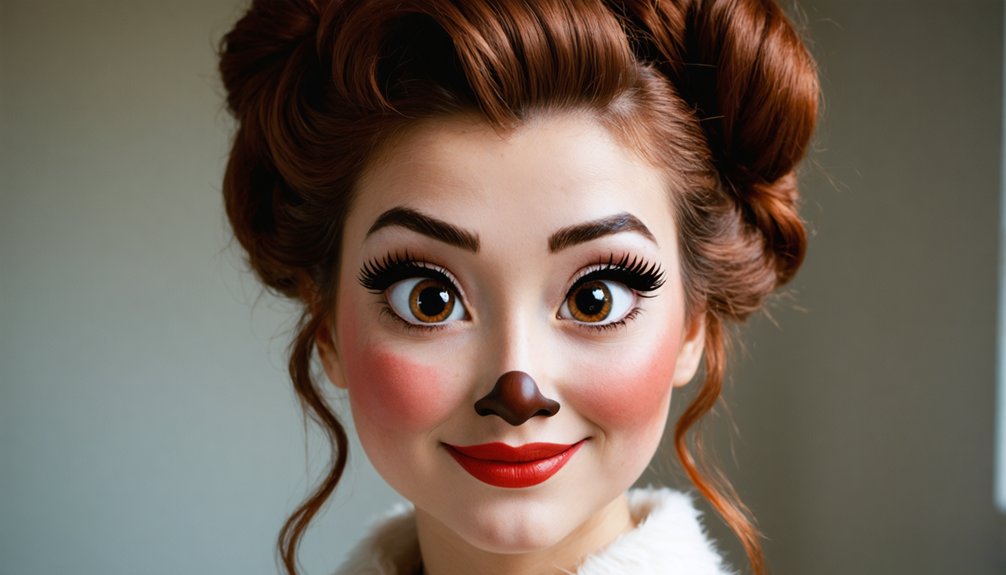
Translating an animated character onto a real face requires you to think in terms of abstraction rather than literal copying. Focus on exaggerating defining features through precise color blending and texture manipulation to capture the character’s visual essence.
Animated character makeup is about abstraction, not imitation — exaggerate what matters most and let the essence speak.
Apply these core techniques:
- Map iconic shapes onto your facial structure using contour and highlight placement
- Prioritize eye emphasis since animated characters rely heavily on exaggerated eye expression
- Use color blending to match the character’s signature palette without appearing flat
- Apply texture manipulation through layered products to simulate animated surface qualities
- Incorporate signature accessories like bows or headbands to reinforce immediate recognition
You’re not recreating every pixel — you’re distilling personality into makeup. The goal is instant character recognition achieved through strategic, technically precise stylistic choices.
Which Disney and Pixar Characters Inspire the Best Makeup Looks?
Some Disney and Pixar characters translate into makeup looks far more effectively than others because their designs contain strong, isolated visual anchors — a signature color, an exaggerated eye shape, or a defining silhouette — that you can reproduce with standard techniques. Merida’s wild copper curls and strong brows, Dory’s cobalt and yellow palette, and the Cheshire Cat’s graphic stripe work all provide clear entry points.
You’ll apply color theory to match pigment selections precisely to each character’s defining hues, ensuring your eye shadow, liner, and lip choices form a cohesive visual statement. Costume coordination then reinforces the transformation, aligning fabric tones with your makeup palette so no element competes.
Characters with simplified, expressive Pixar-style features consistently yield the most recognizable and technically executable results.
The Contouring and Color Tricks That Nail Any Character Look
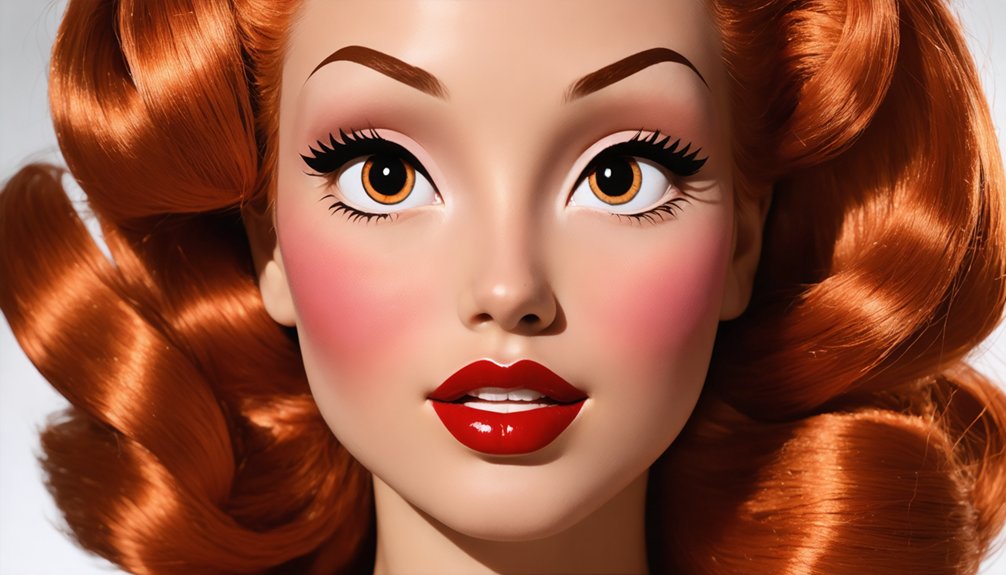
Contouring and color selection work together as your primary tools for translating an animated character’s exaggerated facial geometry onto a real face. Precise contour techniques reshape your natural structure to mirror simplified, Pixar-style proportions.
Color blending then reinforces personality traits directly onto your features.
Apply these methods strategically:
- Shadow placement hollows or sharpens areas to match a character’s defining bone structure
- Highlight positioning pushes forward rounded, soft features like Merida’s full cheeks
- Signature color blending on lids and lips anchors the character’s recognizable palette
- Blush mapping communicates personality, whether sweet, fierce, or mischievous
- Line work precision redefines eye shape and brow angle to match animated proportions
Each technique compounds the other, building a cohesive, character-accurate transformation efficiently.
Why Curls, Volume, and Silhouette Matter So Much in Disney Makeup
Once your facial features mirror the character’s proportions, hair silhouette becomes the next major identifier—often the first thing an audience registers before makeup details even register.
Merida’s explosive curl formation, for example, communicates wildness instantly through volume alone. You’re not just styling hair—you’re engineering a recognizable outline that frames your entire transformation.
Merida’s wild curl formation isn’t just hair—it’s a silhouette engineered to communicate character before anything else registers.
Curls introduce texture contrast against smooth skin and structured makeup, creating visual separation that sharpens character readability. Volume amplifies that effect by pushing the silhouette beyond natural proportions, which is precisely how animated characters command attention on screen.
Facial symmetry becomes your baseline here. A well-balanced silhouette reinforces symmetry by distributing volume evenly, preventing one side from visually dominating.
When curl pattern, mass, and outline align with the character’s design, identification becomes immediate and unmistakable.
Wigs, Shaping Tools, and Products That Recreate Animated Hair
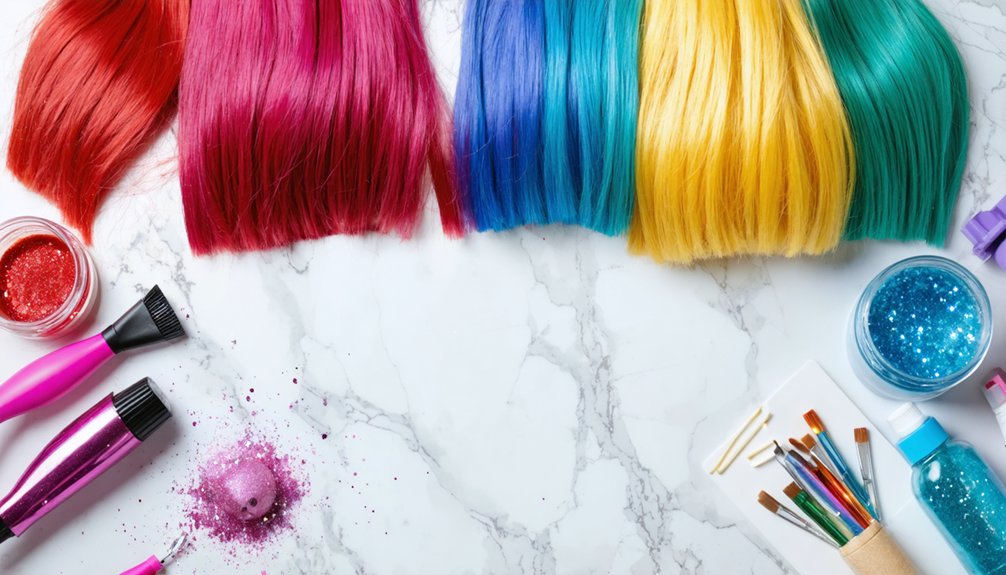
Achieving an animated hair silhouette on a human head demands the right materials working together—wigs, heat-shaping tools, and hold products each handle a different layer of the problem. Pre-styled synthetic wigs give you structural control over hair texture that natural hair rarely achieves.
From there, targeted tools and products lock the shape:
- Flexi rods and foam rollers build defined curl patterns without heat damage
- Hair spray with maximum hold freezes volume into place
- Backcombing lifts roots to exaggerate animated fullness
- Wig caps and pinning grids anchor the base for seamless makeup blending at the hairline
- Heat-resistant fibers allow direct styling with curling irons for precision shaping
Each tool addresses a specific structural challenge, keeping your final silhouette sharp, intentional, and character-accurate.
How Disney and Pixar Looks Work for Cosplay and Content Creation
When you nail a Disney or Pixar character’s defining features—eye shape, hair silhouette, and color palette—you create instant recognition that works across cosplay floors, stage performances, and camera setups without requiring viewers to read a name tag.
In performance spaces, you’ll want to intensify your makeup beyond what looks natural up close, since distance and stage lighting flatten detail and reduce contrast.
For content creation, that same intensity translates directly into shareable visuals, because high-contrast character styling reads clearly in thumbnails, short-form video, and social media stills where a viewer makes a split-second judgment about what they’re seeing.
Instant Character Recognition Benefits
Disney and Pixar makeup and hair transformations work so effectively in cosplay and content creation because they trigger instant character recognition by targeting a few high-priority visual cues. Color psychology drives immediate identification before costume details even register. Cultural influences embedded in iconic characters like Merida or Minnie Mouse create recognition shortcuts your audience processes instinctively.
Prioritize these high-impact elements:
- Hair silhouette — shape communicates character faster than any other detail
- Eye emphasis — exaggerated liner or shadow mirrors animated expressiveness
- Signature color palette — match character-specific hues precisely
- Eyebrow styling — arch and thickness encode personality instantly
- Blush placement — reinforces animated facial structure on human geometry
Each element compounds recognition speed, making your transformation immediately readable across cosplay events, thumbnails, and social media content.
Styling For Performance Spaces
Performance spaces demand a different calibration than close-up photography, so you’ll need to amplify every element of your Disney or Pixar look to compensate for distance, stage lighting, and ambient visual noise.
Apply color theory deliberately — saturated pigments read clearly under harsh stage wash, while muted tones dissolve into the background.
Strengthen facial symmetry through heavier contour and brow definition, since slight asymmetries become invisible at distance but weak structure collapses entirely.
Scale up eye work, lip intensity, and blush placement beyond what feels comfortable up close.
Hair silhouette must hold its shape against movement and heat, so use firm-hold products and structural support.
Every detail you’d apply subtly for a camera needs deliberate exaggeration to register authentically across a performance space.
Creating Shareable Themed Content
Shareable cosplay and content creation reward a different visual logic than stage performance — instead of projecting across distance, you’re engineering a look that reads through a camera lens, compresses into a thumbnail, and holds identity across varying screen sizes.
Prioritize these technical decisions:
- Color psychology drives immediate character recognition — saturated, character-specific hues photograph with stronger clarity.
- Simplified line work at the eyes and brows communicates identity faster than blended complexity.
- Cultural symbolism embedded in accessories reinforces narrative without additional context.
- Hair silhouette must remain distinct against varied digital backgrounds.
- Contrast ratios between skin, hair, and costume determine thumbnail legibility.
Each element should serve compression. What reads beautifully in person often disappears digitally — so every choice requires camera-first thinking to maintain authentic character portrayal across platforms.
Why Disney and Pixar Makeup Keeps Growing Across Every Platform
Because they sit at the intersection of fan culture, visual artistry, and platform-friendly content, Disney and Pixar makeup transformations have expanded steadily across YouTube, TikTok, and Instagram. Each platform rewards a different execution—tutorials perform on YouTube, rapid reveals dominate TikTok, and editorial-quality stills drive Instagram engagement.
You’ll find that cultural symbolism embedded in characters like Merida or Dory gives creators meaningful narrative hooks that resonate beyond aesthetics. That artistic influence extends into technique, pushing artists to master contouring, wig shaping, and color theory simultaneously.
Audiences respond because the content delivers both emotional familiarity and technical ambition. Algorithms favor high-retention transformation videos, accelerating discoverability.
As digital communities grow more visually sophisticated, Disney and Pixar-inspired looks continue meeting that demand with precision, creativity, and recognizable cultural weight.
Frequently Asked Questions
Can Disney Character Makeup Work for Mature or Older Skin Types?
Absolutely, aging effects don’t limit Disney character makeup! You’ll adapt skin care routines, prioritizing hydrating primers and lightweight pigments that minimize texture, ensuring expressive contouring and vibrant color techniques flatter mature skin beautifully while achieving stunning character transformations.
Are There Budget-Friendly Product Alternatives for Disney Character Transformations?
You’ll find cost-effective options by using drugstore dupes for bold pigments and contouring shades. DIY tips like repurposing craft supplies for accessories and layering affordable products help you achieve striking Disney character transformations efficiently.
How Long Does a Full Disney or Pixar Character Makeup Look Take?
You’ll typically spend 1–3 hours completing a full Disney or Pixar character look. Factor in time for layering techniques, ensuring makeup durability, and coordinating costume accessories that reinforce character accuracy and hold up throughout your entire performance or event.
Can Disney-Inspired Looks Be Adapted for Different Skin Tones and Features?
You can absolutely adapt Disney-inspired looks using skin tone diversity and feature adaptation techniques. Adjust contour depth, blush placement, and color saturation to complement your unique complexion and facial structure while preserving each character’s core visual identity.
Is Special Makeup Training Required to Achieve Accurate Character Looks?
Like a painter mastering their craft, you don’t need formal training—but you’ll sharpen your results by studying face painting techniques and practicing color matching to nail each character’s defining features accurately.
References
- https://www.youtube.com/watch?v=yNkufsEgLrA
- https://www.youtube.com/watch?v=9Trb7J-rGVo
- https://disneyanimation.com/process/look-development/
- https://www.lemon8-app.com/@reallyfe_banksy/7413035901237854725?region=us
- https://starstruckpanda.com/disney-and-pixar-character-makeup-and-hair-tutorials/
- https://www.youtube.com/watch?v=1uYI8T5dvf0