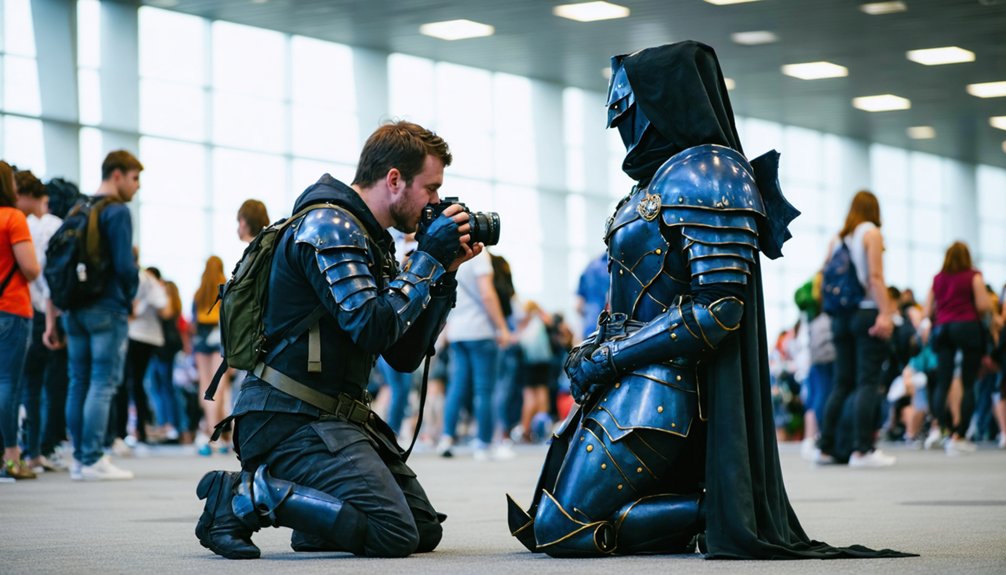
Constructive feedback is essential in cosplay because it helps you grow your skills, build confidence, and feel like you truly belong in the community. When feedback targets specific elements like seamwork, prop construction, or weathering, it gives you a clear path to improve. Without it, harsh or unsolicited criticism can push you away from the hobby entirely. Keep exploring to discover how the right feedback transforms your cosplay journey.
Key Takeaways
- Constructive feedback drives skill development by targeting specific elements like seamwork, prop construction, and weathering rather than offering vague general impressions.
- Respectful, well-phrased critique fosters psychological safety, encouraging cosplayers to share work and experiment without fear of harsh judgment.
- Actionable feedback provides a clear roadmap for improvement, turning mistakes into transferable skills that accelerate growth beyond trial and error.
- Unsolicited criticism and gatekeeping deter beginners, reduce community diversity, and erode the emotional safety needed for creative participation.
- Normalizing permission-based, specific feedback during competitions and online interactions strengthens community bonds and promotes a culture of mentorship.
What Makes Feedback Constructive in Cosplay
Constructive feedback in cosplay isn’t just about pointing out what’s wrong — it’s about giving someone a clear path forward. When you offer feedback, focus on specific elements rather than general impressions. Instead of saying “this looks off,” identify whether the issue involves seamwork, prop construction, or armor shaping.
Effective feedback balances artistic expression with technical proficiency. You’re acknowledging someone’s creative vision while helping them sharpen the skills that bring it to life. Lead with what’s working, then offer targeted, actionable suggestions for improvement.
Frame critique as possibility rather than failure. Say “you could reinforce this edge with Worbla” instead of “this looks weak.” That shift transforms your feedback into a learning opportunity, keeping the maker motivated and the conversation productive.
Why Unsolicited Criticism Drives Cosplayers Away
When you offer criticism without being asked, you risk breaking the trust that holds the cosplay community together.
Harsh or dismissive words don’t just sting in the moment—they push cosplayers, especially beginners, away from sharing their work or returning to the hobby at all.
Gatekeeping, whether through elitist comments or unrealistic standards, sends a clear message that some people don’t belong, which weakens the community you’re part of.
Unsolicited Criticism Damages Trust
Even well-intentioned feedback can push cosplayers away if it arrives uninvited. When you offer criticism without permission, you’re crossing personal boundaries that the creator never agreed to lower. That breach erodes trust quickly, making cosplayers feel exposed rather than supported.
Emotional safety matters enormously in creative spaces. If someone doesn’t feel safe sharing their work, they’ll stop sharing altogether. Unsolicited critique signals that your opinion outweighs their autonomy, which damages the relationship before it can grow.
You can protect community trust by simply asking first. A quick “Would you like feedback?” respects the creator’s space and opens the door for genuine exchange.
That small shift transforms potential resentment into willing collaboration, keeping cosplayers engaged, confident, and motivated to keep building.
Harsh Words Discourage Participation
Harsh words don’t just sting in the moment—they leave lasting impressions that can push cosplayers out of the hobby entirely. When someone dismisses your work without acknowledging your effort, it doesn’t motivate improvement—it kills momentum. You start questioning whether you belong, and that doubt often wins.
Discouraging comments shut down the creative collaboration that makes cosplay thrive. Instead of building a community where makers inspire each other, harsh criticism creates walls that isolate beginners and silence experimentation.
Skill recognition matters here. When you acknowledge what someone’s doing right before suggesting improvements, you’re reinforcing their growth, not undermining it. That balance keeps cosplayers engaged, willing to try harder techniques, and open to feedback.
Replacing harsh words with intentional, respectful critique transforms the community into a space where everyone wants to stay.
Gatekeeping Excludes New Cosplayers
Unsolicited criticism is one of the fastest ways to make a newcomer feel like they don’t belong. When gatekeeping replaces mentorship, you’re actively shrinking the community’s creative potential. Celebrating diversity in skill levels, body types, and interpretations strengthens everyone’s experience.
Watch for these damaging patterns that exclude new cosplayers:
- A beginner shares their first foam build, and veterans mock the uneven cuts
- Someone’s budget cosplay gets dismissed as “not screen-accurate enough”
- New members avoid posting because they fear judgment before praise
- Diverse body types face unsolicited “corrections” about character accuracy
The role of mentorship means stepping in with encouragement before criticism. You help someone grow by acknowledging their effort first, then offering targeted, actionable suggestions that inspire their next build rather than discourage it.
How Constructive Feedback Helps Cosplayers Build Real Skills
When feedback is specific and actionable, it becomes one of the most powerful tools for real skill growth in cosplay. Instead of hearing “it looks great,” you gain far more from targeted critique that addresses seamwork, prop construction, armor shaping, or weathering techniques. That kind of input drives genuine skill enhancement by showing you exactly where your work can evolve.
Technique refinement happens when someone points out *how* to improve, not just *that* improvement is needed. Whether you’re adjusting foam beveling or perfecting fabric draping, precise suggestions turn each build into a learning opportunity. You’re not just fixing mistakes; you’re developing transferable skills that strengthen every future project.
Constructive feedback transforms critique into a practical roadmap, accelerating your growth far beyond what trial and error alone can achieve.
How the Way You Phrase Critique Changes Everything

The way you phrase critique shapes how it’s received just as much as the content itself. Tone sensitivity and feedback timing aren’t just soft skills — they’re technical tools that directly affect whether your words help or hurt someone’s growth.
Picture how different these feel:
Picture how different these feel — the same truth, two deliveries, worlds apart in how they land.
- “The seams are uneven” vs. “Tightening your seam allowances here would really sharpen the finish”
- “This armor looks cheap” vs. “Experimenting with layered weathering could give this piece more depth”
- “The proportions are off” vs. “Scaling the pauldrons slightly larger would balance the silhouette beautifully”
- “You rushed this” vs. “A second round of smoothing would elevate this considerably”
You’re not softening the truth — you’re delivering it in a way that actually lands. That’s what drives real improvement.
How Constructive Feedback Stops Gatekeeping and Toxic Behavior
Gatekeeping thrives where feedback culture is harsh, vague, or exclusionary — but you can disrupt that cycle simply by how you engage with other cosplayers. When you lead with positive reinforcement, you signal that the space is safe for beginners, diverse body types, and unconventional interpretations. That signal matters more than you might think.
Toxic behavior often fills the vacuum left by poor communication. When you replace vague judgment with specific, respectful input, you remove the conditions that allow gatekeeping to grow.
Community empowerment happens when members feel capable of improving rather than ashamed of where they’re starting.
You don’t need to lower your standards to be inclusive — you need to raise your communication. Constructive feedback protects participation, builds trust, and keeps creativity accessible to everyone willing to grow.
Why Respectful Critique Builds a Stronger Cosplay Community

When you offer respectful critique, you’re not just helping one person improve—you’re strengthening the bonds that hold the entire cosplay community together.
Mutual respect creates an environment where makers feel safe to share work, ask questions, and grow without fear of judgment.
Critique Strengthens Community Bonds
Respectful critique does more than help individual cosplayers improve — it actively shapes the culture of the community around them. When you offer thoughtful feedback, you’re building community trust and fueling skill encouragement across every skill level.
Here’s what that looks like in practice:
- A beginner shares their first foam build and receives specific, kind suggestions instead of silence or mockery.
- An experienced maker offers weathering tips that spark a collaborative technique thread.
- A competition entrant walks away with actionable notes rather than just a score.
- A newcomer feels safe enough to post again because the response was respectful.
Each interaction either strengthens or weakens the community’s foundation. When you choose constructive communication, you’re actively creating an environment where creativity thrives and makers keep coming back.
Respect Encourages Creative Growth
Respect doesn’t just protect feelings — it actively unshackle creative potential. When you receive critique rooted in genuine respect, you’re more willing to experiment, take risks, and push your craft further. That openness is where real creative expression thrives.
Harsh or dismissive feedback shuts down innovation. It makes you second-guess bold choices and play it safe. Respectful critique does the opposite — it signals that your effort matters and your growth is worth investing in.
Whether you’re refining armor construction or chasing skill mastery in prop-making, you learn faster when feedback feels like guidance rather than judgment. Respect creates psychological safety, and psychological safety fuels creative ambition.
When your community treats critique as a tool for elevation, everyone builds better — and reaches further.
How Constructive Feedback Turns Competition Into Collaboration
Although competition can feel isolating, constructive feedback transforms it into something more powerful: collaboration. When you shift your mindset from competing to contributing, you’ll access opportunities for real creative collaboration and skill sharing within the community.
Imagine what becomes possible when feedback flows freely:
- A seasoned armor-maker refines your foam-shaping technique in minutes
- A beginner’s fresh perspective challenges your approach to weathering effects
- Shared pattern solutions eliminate hours of trial-and-error frustration
- Peer critique during a build reveals overlooked construction details
You’re not just improving your own craft—you’re strengthening everyone around you. Constructive feedback replaces rivalry with genuine exchange, turning individual projects into collective progress.
When you give and receive critique openly, competition becomes the foundation for a more innovative, connected cosplay community.
What Cosplay Competitions Get Right About Giving Feedback

Cosplay competitions have quietly mastered something the broader community is still learning: structured, purposeful feedback. When judges evaluate your work, they don’t just rank you — they pinpoint what’s working and what isn’t, from seamwork precision to prop construction choices.
That specificity transforms a competitive moment into genuine cosplay mentorship.
You’ll notice that skilled judges frame critique as opportunity rather than judgment. They acknowledge your effort, identify technical strengths, and offer actionable refinements.
That approach models exactly how skill sharing should function across the broader community.
What competitions get right is intentionality. Feedback isn’t random — it’s targeted, respectful, and growth-focused.
When you bring that same structured mindset into everyday community interactions, you help shift the culture from performance-based comparison to collaborative, innovation-driven improvement.
How to Normalize Constructive Feedback in Cosplay Spaces
Taking those structured habits from competition judging and applying them to everyday cosplay spaces is where real cultural change happens. You can shift community norms by modeling feedback etiquette consistently, not just during events.
Start by practicing these habits in group chats, forums, and social posts:
- Lead with specific praise — “Your foam shaping on the pauldrons looks clean and intentional”
- Frame critique as curiosity — “Have you tried heat-sealing those edges for a sharper finish?”
- Ask before advising — “Would you like feedback on the weathering technique?”
- Celebrate progress publicly — share before-and-after comparisons to normalize growth over perfection
When you treat feedback as a creative tool rather than a verdict, you help build spaces where everyone’s willing to experiment, improve, and stay.
Frequently Asked Questions
How Does Constructive Feedback Differ Across Online Versus In-Person Cosplay Spaces?
“Choose your words wisely”—online etiquette demands you’re more mindful of tone since text lacks warmth. In-person, you’ll read body language naturally. Always practice cultural sensitivity in both spaces to foster genuine, innovative creative growth.
Can Constructive Feedback Improve Mental Health Outcomes for Cosplayers?
Yes, constructive feedback can boost your mental health benefits by building emotional resilience. When you receive respectful, specific critique, you’ll feel valued, motivated, and confident—transforming challenges into growth opportunities that strengthen your creative well-being.
How Should Beginners Ask for Feedback Without Feeling Overwhelmed or Judged?
Over 70% of beginners thrive when they ask specific questions. You’ll build feedback confidence faster by requesting constructive communication on one detail at a time—like your seamwork—so you don’t feel overwhelmed or judged.
Does Receiving Feedback Regularly Make Cosplayers More Likely to Mentor Others?
When you regularly receive feedback, you’re more likely to mentor others. It builds your confidence, deepens your skill development, and inspires peer encouragement—you’ll naturally want to share what you’ve learned with fellow cosplayers.
How Do Cultural Differences Affect Feedback Styles Within the Global Cosplay Community?
Ironically, silence can speak volumes — cultural sensitivity shapes how you give and receive critique globally. You’ll find that mastering feedback etiquette across cultures doesn’t limit your creativity; it actually open up richer, more innovative cosplay connections worldwide.
References
- https://starstruckpanda.com/impact-of-positivity-in-cosplay-circles/
- https://starstruckpanda.com/how-to-support-fellow-cosplayers-without-being-competitive/
- https://www.reddit.com/r/CosplayHelp/comments/1s1ot9q/judging_and_feedback_expectations/
- https://starstruckpanda.com/why-is-cosplay-etiquette-important-in-online-forums/
- https://www.reddit.com/r/CosplayHelp/comments/1mbryra/cosplay_competition_question_asking_for_feedback/
- https://www.patreon.com/posts/how-to-give-good-25811828
- https://noizu.asia/news/ways-cosplayers-thrive-despite-toxic-online-harassment/
- https://www.lemon8-app.com/@miles.coser/7463223239754465834?region=us
- https://www.lemon8-app.com/@nikkiamore18/7486165207526408747?region=us
- https://starstruckpanda.com/fostering-positive-connections-through-cosplay-collaboration-gratitude/