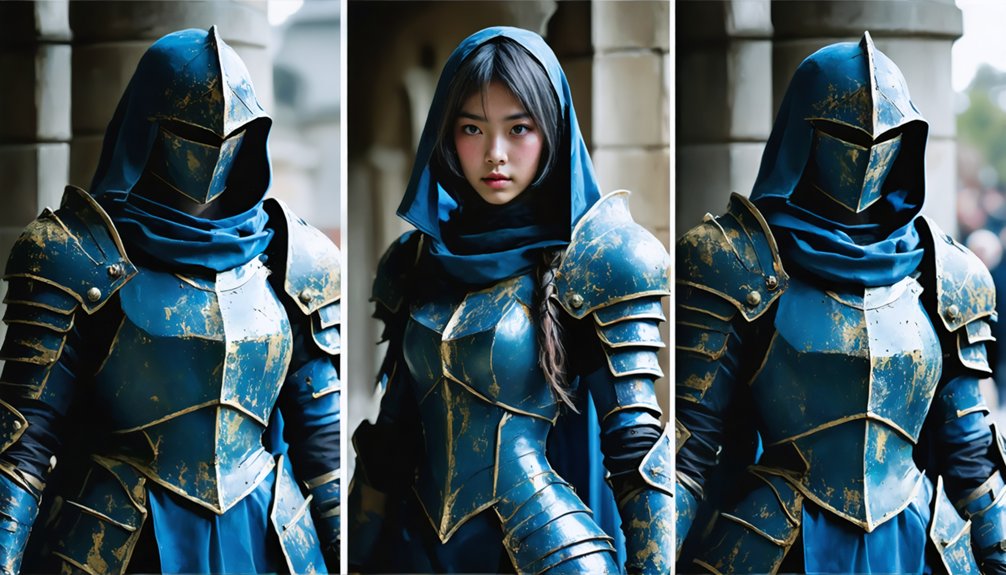
When you cosplay, you’re doing more than wearing a costume—you’re triggering real psychological shifts that transform your performance. By studying your character’s motivations, internalizing their emotional struggles, and aligning with their core traits, you move beyond surface imitation into authentic expression. Your confidence genuinely activates, social anxiety loosens its grip, and hidden aspects of yourself become accessible. Understanding the psychology behind this process reveals something far deeper than most cosplayers ever discover.
Key Takeaways
- Deeply studying a character’s psychology transforms cosplay portrayal from surface imitation into genuine, emotionally resonant expression.
- Internalizing a character’s motivations and traits creates authentic audience connections beyond technical costume accuracy.
- Psychological immersion in a character replaces self-doubt with purposeful, confident presence during portrayal.
- Personal reflection and self-discovery meaningfully inform character choices, motivations, and emotional authenticity.
- Anxiety and real-life resilience can be channeled directly into strengthening a character’s portrayal.
The Real Psychological Shifts That Happen When You Cosplay
When you slip into a costume, something shifts beneath the surface — and it’s more than just wearing a different outfit. Character immersion triggers genuine psychological transformation, aligning your internal states with your character’s core traits.
Through identity exploration, you’re not escaping yourself — you’re expanding who you are. Cosplay becomes a vehicle for personal empowerment, releasing confidence that everyday life often suppresses. You process difficult emotions through psychological release, building emotional resilience by embodying characters who’ve overcome similar struggles.
Cosplay isn’t an escape — it’s an expansion, unlocking confidence and resilience you never knew you carried.
Transformative experiences emerge when narrative engagement deepens your connection to a character’s story. Creative expression and self-acceptance intertwine, letting you explore dimensions of yourself safely.
Social connection within cosplay communities validates these shifts, reinforcing that your evolving identity deserves recognition — both in costume and beyond.
How Character Identification Shapes Your Portrayal
Identify what connects you psychologically to your character, and your portrayal stops being imitation — it becomes honest, innovative expression.
The Psychology Behind Why Costumes Unlock Real Confidence
When you slip into a costume, something shifts beneath the surface — the character’s confidence becomes a psychological permission slip, allowing you to express boldness or courage you’d otherwise suppress.
You’re not abandoning yourself; you’re accessing hidden self-aspects that everyday social roles quietly discourage.
The cosplay community then reinforces this transformation, validating your empowered state through shared recognition and affirming the version of you that the costume helped reveal.
Costumes Summon Hidden Confidence
Confidence, for many cosplayers, isn’t something they build gradually — it arrives the moment they put on the costume. That instant costume transformation isn’t accidental — it’s psychological.
When you embody a character, you activate a version of yourself that feels permission to act differently. The confidence boost you experience comes from character immersion, where identity exploration replaces self-doubt with purposeful presence.
You’re not performing anxiety; you’re channeling courage. This process triggers emotional release, letting you express boldness that everyday life suppresses.
Through creative expression, your social interaction expands naturally — shyness retreats because the character carries the weight. Each portrayal becomes an act of self empowerment, and through consistent engagement, performance enhancement follows.
You grow into the character, and somewhere in that process, personal growth becomes undeniable.
Permission To Be Different
Cosplay grants you something everyday life rarely does — permission to be someone else entirely. That permission isn’t escapism; it’s a doorway into identity exploration that your routine self rarely enters.
When you wear a costume, social expectations loosen. You’re not abandoning who you’re — you’re temporarily expanding it.
This psychological shift matters deeply. The character becomes a vehicle, letting you test boldness, vulnerability, or strength without permanent stakes. It’s a structured self-acceptance journey disguised as play.
Research confirms that embodying a character creates real internal alignment with their traits, meaning the confidence you feel isn’t performed — it’s activated.
Cosplay fundamentally gives you structured permission to diverge from your default identity, and in that divergence, you often discover which parts of the character were yours all along.
Community Validates Empowered States
Stepping into a costume reveals something real — but the community around you is what makes it last.
Community support transforms isolated empowerment journeys into sustained identity exploration. When others recognize your character portrayal, those shared experiences create emotional connections that reinforce who you’re becoming — not just who you’re pretending to be.
Validation networks within cosplay acceptance spaces signal that your boldness belongs. You’re not performing for strangers; you’re engaging in collaborative creativity with people traversing similar self-discoveries.
That social bonding accelerates collective growth by normalizing vulnerability through costume.
Neurodivergent cosplayers especially report finding family within these communities — spaces where their intensity becomes an asset.
Your empowered state doesn’t fade after the convention because the people around you keep reflecting it back.
How Cosplayers Use Character Psychology to Deepen Their Performance

When a cosplayer moves beyond the costume and into the character’s mind, their performance transforms from imitation into genuine psychological inhabitation. You’re not just wearing a character—you’re assuming their emotional architecture.
By studying character traits deeply, you achieve psychological alignment that fuels authentic expression and emotional release. This identity exploration becomes a vehicle for self-discovery, revealing personal parallels between your inner world and your character’s motivations.
When character resonance clicks, your movements, speech, and reactions emerge organically rather than feeling rehearsed. Role assumption at this level elevates performance enhancement beyond surface-level mimicry.
You internalize how trauma, ambition, or fear shapes your character’s choices, then channel those psychological drivers through your portrayal—creating performances that genuinely move audiences and deepen your own understanding of self.
Why Your Cosplay Community Makes You a Better Performer
The community surrounding your cosplay practice isn’t just a fan gathering—it’s a psychological infrastructure that actively sharpens your performance. Through community support, you receive validation that reinforces identity expression and deepens character commitment.
Shared experiences with fellow cosplayers accelerate performance growth by exposing you to diverse interpretations of familiar roles. Collaborative creativity challenges your assumptions about a character, pushing role exploration beyond your comfort zone.
Cosplaying alongside others dismantles your assumptions, exposing you to bold interpretations that push your own performance into unexplored territory.
When others respond emotionally to your portrayal, those emotional connections reveal which performance choices resonate authentically. You’re fundamentally receiving real-time psychological feedback.
Confidence building happens organically here—neurodivergent members find affirmation, shy performers discover boldness, and isolated individuals build purposeful belonging.
Your community doesn’t just celebrate your cosplay; it psychologically equips you to inhabit your characters more truthfully.
Channel Real Emotions Into Authentic Character Expression

Cosplay’s most transformative potential emerges when you stop performing emotions and start channeling real ones. Emotional authenticity transforms surface-level portrayal into genuine character empathy, creating personal resonance audiences immediately recognize.
You’re not mimicking a character—you’re discovering where their emotional landscape intersects with yours.
This psychological release happens through deliberate identity exploration. Select characters whose traumas, victories, or vulnerabilities mirror your own experiences. That emotional connection becomes your performance foundation, enabling deeper role immersion than technical accuracy alone ever achieves.
Imaginative engagement intensifies when you allow self-discovery to inform character choices. Your anxiety becomes a hero’s fear. Your resilience becomes their breakthrough moment.
This transformative expression doesn’t compromise character integrity—it strengthens it, producing portrayals that resonate authentically because they’re psychologically true, not just visually accurate.
How Embodying a Character’s Strengths Transfers Into Real Life
Something remarkable happens when you step out of costume and discover the character’s confidence followed you home. Embodying character strengths accelerates identity exploration beyond convention floors, creating measurable empowerment transfer into daily interactions.
Real life application emerges through deliberate role adaptation:
- Confidence boost persists post-cosplay, dismantling social anxiety barriers.
- Emotional resilience deepens as you process challenges through your character’s coping framework.
- Social connections strengthen when shared creative expression builds authentic community bonds.
- Personal growth accelerates by continuously integrating character virtues into self-concept.
You’re fundamentally running psychological rehearsals. Each portrayal rewires how you respond under pressure, communicate boundaries, and embrace vulnerability.
The character becomes a blueprint, and you’re the architect translating fictional strength into tangible, lived transformation that compounds over time.
Frequently Asked Questions
Can Cosplaying a Villain Negatively Affect Your Long-Term Mental Health?
Cosplaying a villain won’t inherently harm you, but prolonged role immersion can risk emotional detachment from your authentic self. You’re steering your psychological boundaries, so consciously stepping out of character protects your long-term mental well-being.
How Does Cosplay Psychology Differ for Neurodivergent Individuals Specifically?
Like a key finding its lock, cosplay uniquely fits neurodivergent minds. You’ll discover character connection offers structured social scripts, while sensory experiences ground your identity exploration, transforming community belonging into genuine family affirmation and reducing anxiety’s barriers.
Does Character Age Influence the Psychological Transformation a Cosplayer Experiences?
Yes, character maturity shapes your psychological transformation profoundly. When you embody characters whose age perception differs from yours, you’ll access distinct emotional states, revealing unexplored self-aspects that deepen your portrayal and expand your psychological identity meaningfully.
Can Repeatedly Cosplaying the Same Character Cause Identity Confusion Over Time?
Repeatedly cosplaying the same character can blur identity fluidity, but it doesn’t have to. Deep character immersion enriches your self-understanding when you consciously separate your authentic self from the role you’re embodying.
How Do Parasocial Relationships Influence Which Characters Cosplayers Choose to Portray?
Like a compass drawn to magnetic north, your parasocial bonds steer your cosplay choices. Deep character attachment shapes who you embody, while audience perception reinforces those connections, making you naturally gravitate toward characters you’ve emotionally lived alongside.
References
- https://www.mqmentalhealth.org/costume-cosplay-and-dressing-up-fashion-and-mental-health/
- https://www.psychologytoday.com/us/blog/talking-about-trauma/202112/becoming-another-person-through-cosplay
- https://shareok.org/bitstreams/fb59b96c-d64c-4be7-bce9-bf67b2c290a5/download
- https://www.livescience.com/56641-why-people-cosplay.html
- https://www.itstartswithadam.com/blog/is-there-a-psychology-of-cosplay
- https://www.youtube.com/watch?v=TcrcvrDdsH0
- https://openresearch.surrey.ac.uk/esploro/outputs/doctoral/Cosplay-and-Mental-Health-A-thematic/99693661202346