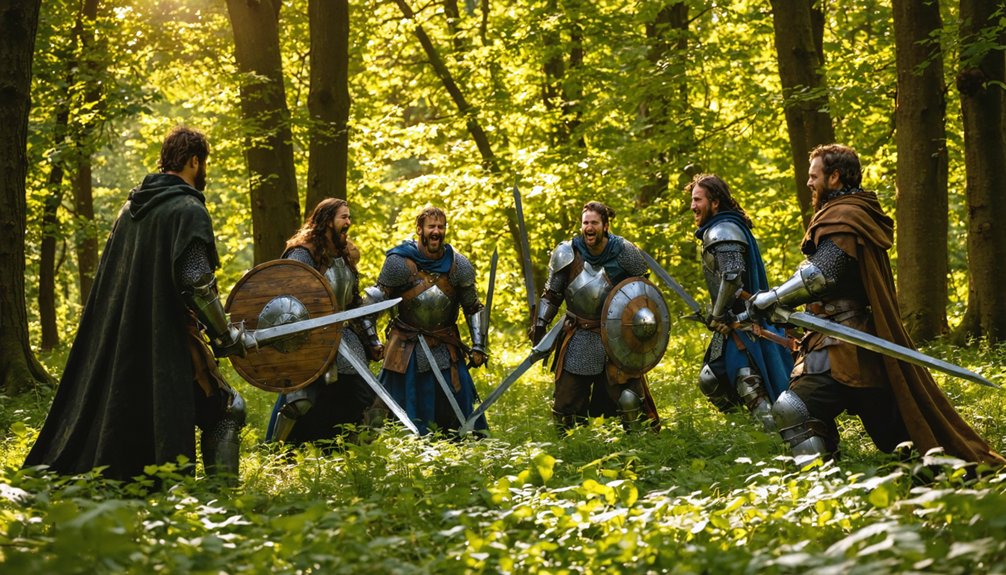
LARPing transforms team-building by immersing your group in collaborative storytelling that builds trust, communication, and creative problem-solving. You’ll start by choosing the right format and creating characters that reflect real team dynamics. Use ice-breakers to build psychological safety, establish clear safety protocols, and assign adventurers and extras to maximize engagement. After gameplay, debrief immediately to capture lasting insights. Keep exploring to discover exactly how each step reveals your team’s full potential.
Key Takeaways
- LARPing fosters team synergy by encouraging role immersion, improvisational skills, and real-time problem-solving in a psychologically safe environment.
- Choose a LARP format aligned with team experience, using pre-established characters for shorter sessions and guided creation sheets for longer events.
- Use icebreakers and establish clear safety protocols, including designated safety personnel and defined physical contact rules, before gameplay begins.
- Embrace unexpected story changes using improv techniques like “yes, and” to keep narratives cohesive and team engagement high.
- Conduct immediate post-event debriefs using targeted questions and inclusive discussions to translate LARP experiences into actionable workplace strategies.
Why LARPing Works for Team Building

LARPing works for team building because it transforms ordinary workplace dynamics into an immersive, cooperative adventure where everyone has a role to play.
Through role immersion and character interactions, you’ll discover how LARP dynamics naturally foster team synergy and emotional intelligence. Participants aren’t just observers—they’re active contributors driving creative collaboration forward.
LARP dynamics don’t just build teams—they forge them through immersive collaboration where every participant drives the story forward.
You’ll develop improvisational skills while maneuvering through unpredictable scenarios that demand real-time problem solving.
Leadership development emerges organically as individuals step into characters that challenge their comfort zones. Participant engagement stays high because everyone contributes meaningfully, whether commanding armies or supporting storylines.
Unlike traditional team-building exercises, LARPing creates psychological safety by channeling pressure through fictional roles, letting you practice cooperation and negotiation in a controlled, energizing environment where innovation thrives naturally.
Choose the Right LARP Format for Your Group
Once you’ve grasped why LARPing supercharges team building, your next step is picking the format that fits your group best. Different LARP formats suit different group dynamics, so consider your team’s experience, skill sets, and player preferences before committing.
For shorter sessions, use pre-established character roles with distinct personalities, letting players jump in immediately. Longer events benefit from character creation sheets that deepen engagement levels and personal investment.
Theme variations—fantasy, sci-fi, or historical—should align with your team’s interests to maximize enthusiasm.
Session length matters too. Shorter LARPs work brilliantly for new groups, while extended formats allow richer storytelling and deeper cooperation.
Matching format complexity to your team’s readiness guarantees everyone participates confidently, transforming diverse skill sets into collaborative strengths rather than sources of anxiety.
Run LARP Ice-Breakers That Loosen Everyone Up Fast
Before the adventure begins, you’ll want to break the ice so everyone feels comfortable enough to play together. Start by having participants share their names and how they arrived at the event, which instantly builds connection and sets a collaborative tone.
From there, short physical warm-ups ease the group into the silliness that LARPing demands, making trust-building feel natural rather than forced.
Building Trust Through Icebreakers
Getting everyone comfortable before the game starts makes all the difference, especially when you’ve got a group of strangers about to swing foam swords at each other.
Icebreaker games aren’t just fun—they’re essential trust building activities that prime your group for collaboration.
Try these proven approaches:
- Have participants share their names and explain what brought them to the event.
- Run short physical exercises that normalize acting silly together.
- Play the “Switch” game using papers labeled Ninjas, Cowboys, Robots, and Zombies.
- Have like-role players find each other after revealing their labels.
- Prioritize icebreakers for groups of twelve or fewer.
These activities dissolve self-consciousness fast, helping your team embrace vulnerability before the real adventure begins.
Engaging Physical Warm-Ups
Keep warm-ups short and purposeful — five to ten minutes maximum.
Every activity should connect directly to the LARP’s themes.
When players feel physically comfortable and creatively unleashed, they’ll immerse themselves in roleplay fearlessly and collaborate far more effectively.
Build LARP Characters That Reveal Real Personalities
Once your group’s warmed up, it’s time to build the characters who’ll carry your story forward.
For shorter LARPs, you can hand out pre-established characters with distinct personalities and abilities, while longer events benefit from guided character creation sheets that let players shape their own roles.
Then, use the “hot seat” technique—where small groups question a single character about everything from their favorite color to their deepest motivations—to push players beyond surface-level personas and into genuinely revealing territory.
Structured Character Creation Techniques
Whether you’re running a two-hour corporate retreat or a full-day adventure, structured character creation is your most powerful tool for revealing genuine personality and teamwork.
Character archetypes and role dynamics naturally surface real communication styles and leadership tendencies.
For shorter LARPs, use pre-established characters with distinct personalities and abilities.
For longer events, deploy character creation sheets that let participants shape their own identity.
Maximize depth with these techniques:
- Read game material twice: first for overview, then for targeted notes
- Use the “hot seat” method: small groups question one character at a time
- Ask questions ranging from simple (favorite color) to complex (moral dilemmas)
- Match character archetypes to team role dynamics intentionally
- Encourage players to connect with characters through pre-game forums
Personality Through Hot Seat
Of all the structured character creation techniques at your disposal, the hot seat method stands out for its ability to pull genuine personality to the surface.
Here’s how it works: one player sits as their character while a small group fires questions at them. Hot seat dynamics create character depth fast, pushing players beyond scripted bios into authentic, spontaneous responses.
Start simple—ask about favorite colors or childhood memories. Then escalate toward moral dilemmas and high-pressure scenarios. You’ll watch personalities emerge organically, strengthening both the character and the player behind them.
This technique doesn’t just build fictional personas; it builds real trust. When teammates see each other think creatively under mild pressure, collaboration deepens.
Embrace the hot seat—it’s where your LARP truly comes alive.
Safety Rules Every Team LARP Needs Before Play Starts
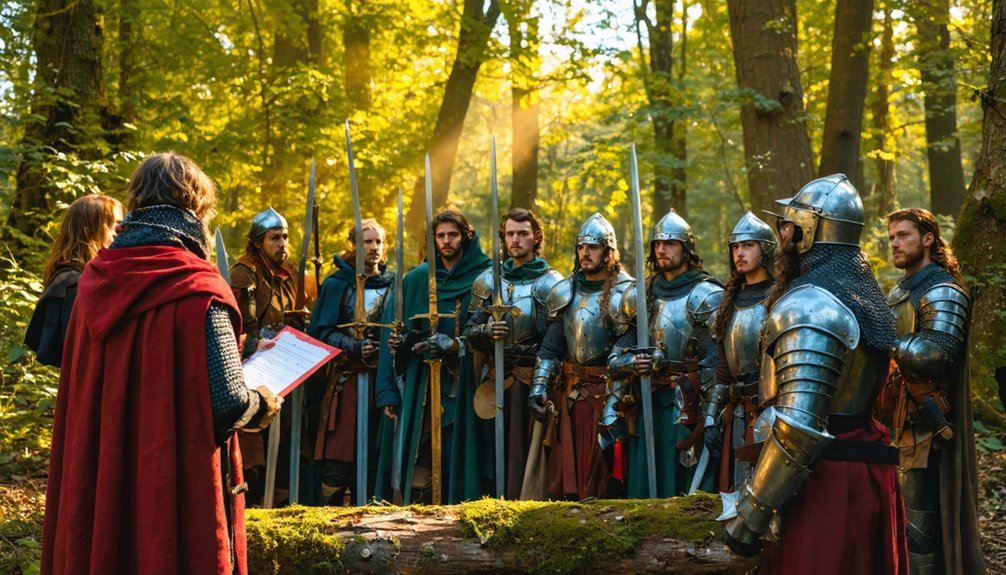
Before the first foam sword swings, you need clear safety protocols in place to keep everyone confident and protected. Cover foam weapons handling, physical contact boundaries, and role interaction rules before play begins. Run thorough safety briefings so every participant understands expectations.
Before the first foam sword swings, safety protocols must be in place to keep every participant confident and protected.
Strengthen your LARP with these essentials:
- Designate a safety person to monitor the event and address concerns immediately.
- Establish emergency procedures so everyone knows exit routes and response steps.
- Set physical contact rules clearly, respecting personal boundaries during gameplay.
- Implement accessibility adjustments to include participants with disabilities or mobility needs.
- Train staff and players together on all protocols before gameplay starts.
These steps build psychological safety, letting your team take creative risks and fully engage without hesitation.
Plan Your LARP Event Without Losing Your Mind
Start your planning by building a detailed packing list and sharing it across your team’s communication channels so nothing gets left behind.
Once you’re on-site, expect the unexpected — no story survives first contact with players, so sharpen your improv skills to flex the narrative as actions unfold.
Preparation and adaptability aren’t opposites; they’re the twin engines that’ll keep your LARP event running smoothly from start to finish.
Pre-Event Packing Essentials
Packing for a LARP event doesn’t have to feel like solving a puzzle blindfolded — it just takes a solid list and a shared plan.
Build your packing checklist early and distribute it through your team’s communication channels so everyone arrives prepared.
Here’s your essential gear breakdown:
- Costume Considerations: Dress for mobility and character authenticity
- Weapon Safety: Inspect foam weapons before packing; damaged props stay home
- Personal Items & Emergency Contacts: Carry ID and key contacts separately
- Weather Preparedness & Hydration Needs: Layer clothing and pack a refillable water bottle
- Snack Options & Backup Supplies: High-energy snacks and spare costume pieces prevent unnecessary disruptions
Share your list digitally, assign accountability, and you’ll walk into game day confident and ready.
Managing Unexpected Story Changes
Even the most carefully crafted LARP story won’t survive first contact with players — and that’s perfectly okay. Embrace story adaptability techniques by treating unexpected turns as opportunities rather than obstacles.
When players zig where you expected them to zag, lean into it. Your strongest tool is improv — say “yes, and” to player choices, then redirect the narrative creatively.
Player improvisation strategies thrive when you’ve internalized your game material deeply enough to flex without breaking the core storyline. Designate a game manager who monitors story flow in real time and adjusts plot threads dynamically.
Brief your staff beforehand so everyone adapts together. Remember, the best LARP moments often emerge from unscripted surprises — so stay nimble, trust your preparation, and enjoy the unexpected ride.
Split Your Team Into Adventurers and Extras

When it comes to splitting your team, there are two key roles to assign: adventurers and extras. Adventurer roles involve sustained characters who drive the story forward, while extra dynamics bring flexibility through multiple masked roles.
Here’s how to make both roles shine:
- Adventurers maintain consistent characters throughout the entire event.
- Extras rotate through various roles, keeping energy fresh and dynamic.
- Physical challenges engage both groups through movement and creativity.
- Puzzles test problem-solving skills across all participants.
- Creative scenarios push everyone to think innovatively under pressure.
Both roles are equally valuable—adventurers build narrative depth while extras amplify excitement.
Both roles carry equal weight—adventurers deepen the story while extras electrify every moment.
Encourage your team to embrace whichever role they’re assigned with full commitment. This structure maximizes participation and guarantees everyone contributes meaningfully to the experience.
Keep the LARP Story Alive When Players Go Off-Script
No story survives first contact with players—and that’s exactly what makes LARPing so thrilling! When your team goes off-script, embrace it rather than fighting it. Story adaptation is your most powerful tool as a game manager, turning unexpected detours into memorable breakthroughs.
Here’s how you keep the momentum going:
- Follow player creativity by weaving their spontaneous choices into the existing narrative.
- Adjust plot points in real time, ensuring consequences feel meaningful and intentional.
- Lean on improv principles—say “yes, and” to keep energy flowing forward.
- Stay flexible without losing sight of core objectives.
Your team’s unexpected decisions reveal their true problem-solving instincts. By adapting dynamically, you’re not losing control—you’re creating richer, more authentic team-building experiences that no rigid script could ever deliver.
LARP Skills That Transfer Directly to the Workplace

The skills you build through LARPing don’t stay on the battlefield—they follow you straight into the boardroom. Every session sharpens abilities your team desperately needs daily.
Here’s what LARP skills deliver directly to workplace collaboration:
- Creativity enhancement: Roleplay pushes innovative thinking beyond conventional boundaries.
- Problem-solving techniques: Puzzles and unexpected scenarios train adaptive decision-making.
- Trust building: Looking silly together creates authentic psychological safety.
- Role adaptation: Switching characters develops flexibility across professional responsibilities.
- Communication skills and improvisational readiness: Responding in-character sharpens real-time, clear messaging.
You’re not just playing games—you’re practicing leadership under controlled stress.
These transferable competencies strengthen negotiation, cooperation, and resilience, making your entire team more dynamic, responsive, and genuinely innovative when workplace challenges arise.
Debrief Your LARP Before the Lessons Disappear
All those transferable skills mean nothing if your team walks away without reflecting on them. Debrief techniques lock in lesson retention before the excitement fades. Gather everyone immediately after the LARP ends — don’t wait.
Use group discussions or written evaluations to spark experience sharing and role reflection. Ask direct questions: What surprised you? Where did group dynamics shift? When did your team truly click? These aren’t soft questions — they’re powerful feedback tools driving real insight.
Feedback importance can’t be overstated. Patterns you identify now become actionable workplace strategies tomorrow. Encourage every voice, not just the loudest players. The quieter participants often carry the sharpest observations.
Structure your debrief intentionally, keep it energized, and watch your team transform raw adventure into lasting professional growth.
Frequently Asked Questions
What Is the Ideal Group Size for a Team-Building LARP Event?
You’ll want twelve or fewer participants for the best group dynamics! This size lets everyone connect, embrace unique character roles, and build trust together—it’s the sweet spot for innovative, inclusive team-building LARP experiences!
How Long Should a Typical Team-Building LARP Session Last?
Time flies when you’re slaying dragons! You’ll want your session duration to span two to four hours, keeping participant engagement sky-high through icebreakers, roleplay, puzzles, and a meaningful debrief that’ll leave everyone buzzing!
Can Introverted Team Members Fully Participate in LARP Activities?
Introverted team members can thrive through character creation, which eases shy participation. You’ll find role adaptation lets you express yourself comfortably, while introvert engagement flourishes naturally as structured interactions build confidence without overwhelming social pressure!
What Budget Is Typically Required to Organize a Team LARP?
Your budget varies widely! You’ll want to factor in a cost breakdown covering venue, costume materials, and equipment rental for foam weapons. Start small, stay creative, and you’ll find LARPing’s incredibly affordable for innovative team-building!
How Often Should Teams Repeat LARP Events for Lasting Benefits?
You’ll maximize frequency benefits by hosting LARP events quarterly! Regular sessions build long-term engagement, deepening trust, creativity, and collaboration. Each event strengthens your team’s problem-solving and improvisation skills, making every repeat experience more impactful and transformative!
References
- https://leavingmundania.com/2013/11/21/plan-basic-pre-larp-workshop/
- https://intothemirror.nl/en/workshops/larpen/
- https://guardup.com/how-to-run-a-larp-in-6-steps/
- https://angrystaffofficer.com/2017/05/21/guest-post-larping-for-leader-development/
- https://thespacebetweenstories.com/2018/07/03/a-beginners-guide-to-larp/
- https://www.youtube.com/watch?v=kGdJlP09Z1I
- https://veilofashes.com/a-new-players-guide-to-larping-14-essential-tips-for-an-amazing-experience/