To choose the right cosplay competition category, you’ll need to assess your skill level, age requirements, costume construction, preferred format, and whether you’re entering solo or with a group. Don’t enter below your actual experience tier — coordinators watch for that. Your costume must also meet handmade thresholds if you’re pursuing craftsmanship awards. Each decision shapes your eligibility and your chances of winning, and there’s more to contemplate before you register.
Key Takeaways
- Match your skill level honestly—Novice, Journeyman, or Master—based on prior awards and experience to ensure fair, meaningful competition.
- Select the correct age division, as participants aged 0–6 and 7–10 have dedicated categories with mandatory guardian requirements.
- Ensure your costume is 70–75% handmade if pursuing craftsmanship awards, since store-bought or commissioned pieces will disqualify your entry.
- Choose an entry format—Walk-On, Performance Only, or Craftsmanship and Performance—that best aligns with your costume’s strengths and preparation level.
- Decide between Solo and Group entry based on team reliability, as groups gain additional award potential but require a coherent, unified theme.
Which Cosplay Division Matches Your Skill and Experience Level?
Knowing which skill division fits you can mean the difference between a fair shot at an award and a frustrating mismatch.
Start your skill assessment honestly. If you’ve never won or you’re still learning core construction techniques, Novice is your entry point.
Once you’ve earned two to three awards or minor wins, experience evaluation places you firmly in Journeyman territory.
Four or more awards, professional industry work, or major competition wins push you into the Master division.
Don’t try to game the system by entering below your actual level. Coordinators actively monitor placements and can move you up regardless of your preference.
Competing at the right tier sharpens your craft, earns you credible recognition, and keeps the playing field innovative and fair for everyone.
Do Age or Guardian Rules Affect How You Can Enter?
Age shapes your entry options more than most competitors realize. If you’re between 0 and 6, you’ll fall under categories like Best Wee Cosplayer or Best Tiny Tot, both requiring mandatory guardian presence at all times.
Ages 7 through 10 compete under Best Junior Cosplay, where adult supervision remains non-negotiable.
Age restrictions don’t just determine your category — they also limit access to adult divisions entirely. Most adult categories exclude minors without proper guardian accompaniment, so you can’t simply self-select a higher tier based on skill alone.
Age restrictions do more than sort competitors — they block minors from adult divisions entirely, regardless of skill level.
If you’re entering on behalf of a young cosplayer, confirm guardian presence requirements before submitting your registration. Missing this detail disqualifies the entry immediately.
Always review the event’s specific age brackets, since organizers occasionally adjust these thresholds between competitions.
Does Your Cosplay Meet the Craftsmanship Threshold?
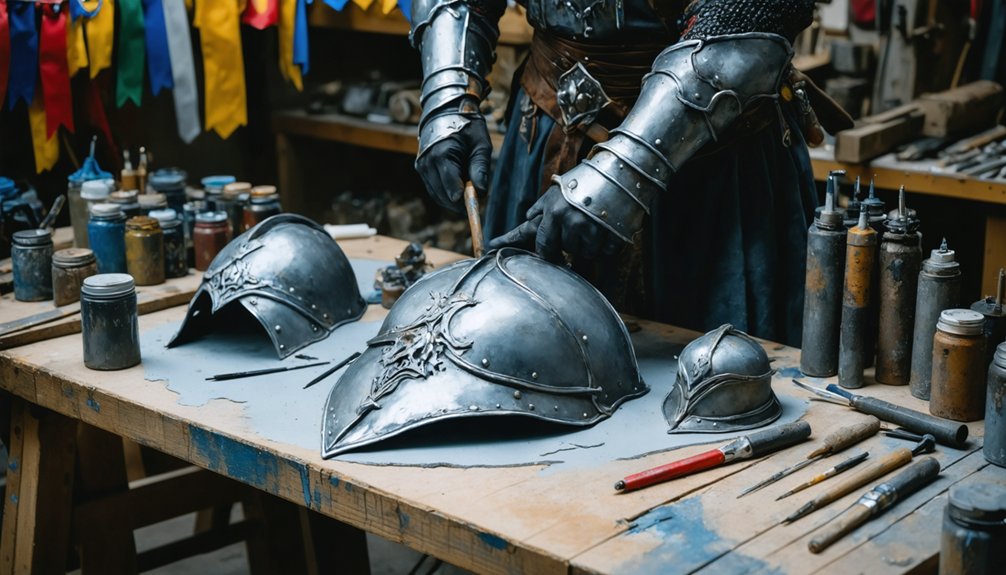
Craftsmanship categories hold a strict standard: your costume must be at least 70-75% handmade by you to qualify. If store-bought pieces or commissioned work dominate your build, you’re ineligible for craftsmanship awards regardless of quality.
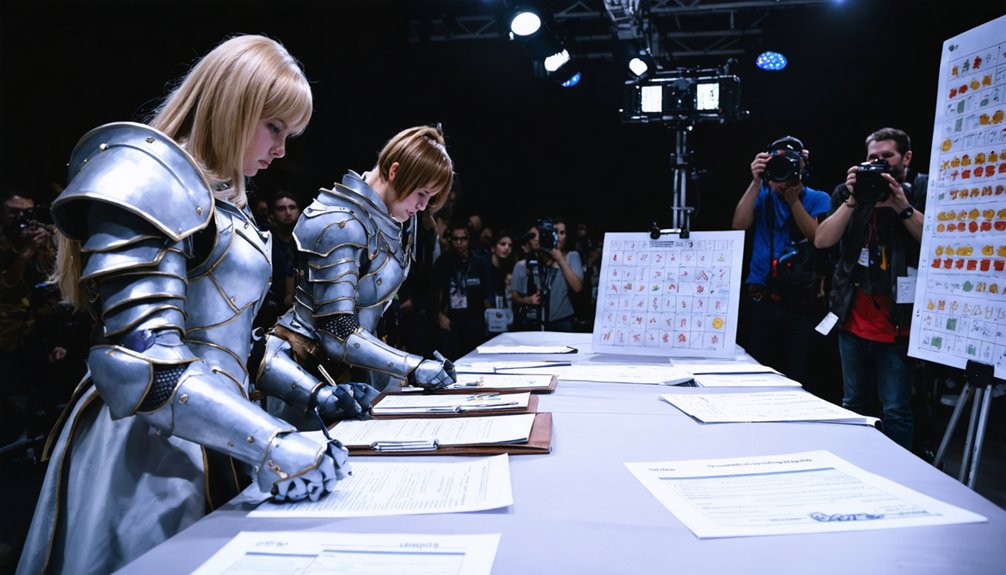
Judges will evaluate your craftsmanship materials and construction techniques during mandatory prejudging, focusing strictly on what you built yourself.
Costume modifications matter here. Partial alterations to commercial garments typically don’t satisfy the handmade threshold unless your original work considerably outweighs purchased components.
Judges actively exclude non-entrant-made parts during review, so transparency is essential.
If your costume doesn’t meet the threshold, you’re not without options. Showcase entries and theme-based awards remain accessible, letting you compete without craftsmanship eligibility.
Know your build percentage before submitting your entry form.
Walk-On, Performance, or Both: Which Format Are You Eligible For?
Once you’ve confirmed your costume’s build percentage, your next decision is which entry format suits your cosplay. Each format demands different preparation, so choose strategically.
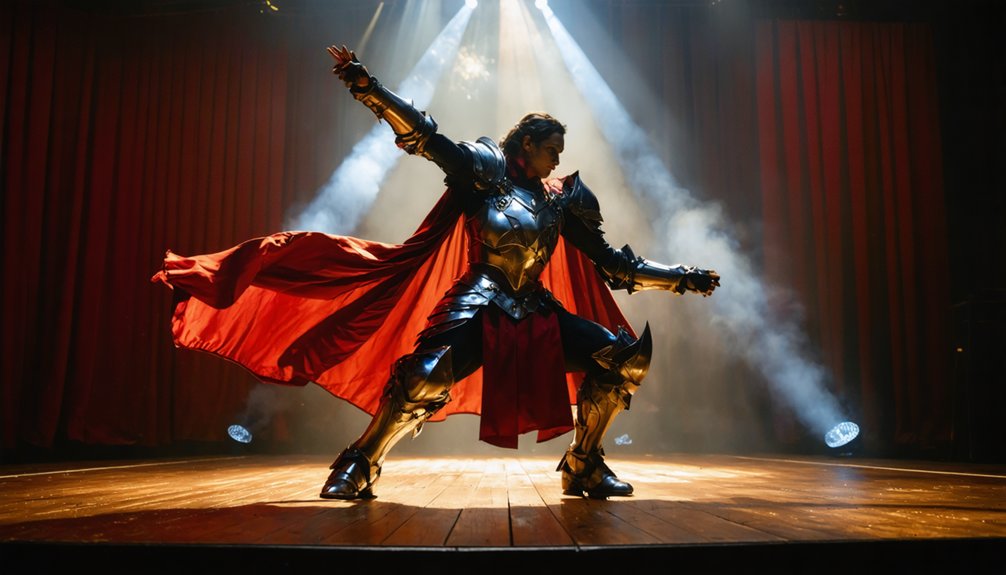
Walk-On: You’ll have one minute for posing and photos—no skit required. Apply walk-on tips like strong character posing and deliberate stage presence to maximize your impression within that window.
Performance Only: Any costume qualifies here. You’ll execute a skit up to two minutes and thirty seconds. Develop performance strategies around tight scripting, clear audio submission, and audience engagement.
Craftsmanship & Performance: This combines a 75%+ handmade build with a full skit—the most demanding format but offering the broadest award eligibility.
Solo or Group: Which Entry Type Gives You the Best Shot?
Whether you compete solo or as part of a group can significantly shape your award opportunities, so weigh both options carefully before submitting your entry form.
Solo advantages include complete creative control, undivided judging attention, and no scheduling conflicts with teammates. You own every decision, from construction to performance execution.
Competing solo means every creative choice, every construction detail, and every performance moment belongs entirely to you.
Group dynamics, however, reveal a different competitive tier entirely. Two or more contestants presenting a coherent theme become eligible for Best Group recognition, expanding your award potential beyond individual categories.
Groups can also enter craftsmanship and performance divisions, keeping Best in Show within reach.
Consider your costume’s narrative strength. A standalone character hits harder solo, while ensemble pieces gain visual impact through grouping.
Evaluate your team’s reliability, rehearsal commitment, and shared skill levels before choosing, since judges assess the total package.
Frequently Asked Questions
Can Store-Bought Costumes Still Qualify for Any Competition Awards?
Yes, you can still win awards with store-bought quality costumes! They’re eligible for People’s Choice, theme, and showcase awards. Focus your costume modifications on presentation to maximize your competitive edge in non-craftsmanship categories.
How Does People’s Choice Voting Differ From Standard Judging Criteria?
Passionate participants pick People’s Choice through audience engagement and voting transparency—you’re judged by crowd reaction, not craftsmanship criteria. Standard judging evaluates construction, performance, and execution, while voters simply choose their favorite costume overall.
What Happens if Coordinators Reassign You to a Higher Skill Division?
If coordinators reassign you through their coordinator discretion, you’ll compete in a higher division regardless of preference. Accept the skill level assessment—it’s final. You must adapt your entry strategy and presentation to meet the elevated competition standards.
Can a Group Entry Compete for Best in Show Alongside Solo Entrants?
Like rivers merging into one ocean, your group’s collective brilliance can absolutely compete for Best in Show alongside solo entrants. You’ll leverage group dynamics and sharpen competition strategies, as Best in Show’s doors remain open to everyone.
Is Prior Audio Submission Always Required for Skit-Based Performances?
Yes, you’ll need to submit your audio in advance for any skit-based entry. Audio submission requirements are a core part of skit performance guidelines, so don’t overlook this step when planning your competitive cosplay presentation.
References
- https://fandakcon.wordpress.com/cosplay-contest/cosplay-award-categories/
- https://www.animefargo.org/cosplay-contest-categories/
- https://www.youtube.com/watch?v=Guc7LzRPeyA
- https://baltimorecomiccon.com/adult-cosplay-competition-rules/
- https://leftfieldmedia.com/cosplay-competitor-faq/
- https://www.youtube.com/watch?v=lRD6F7VjSpY