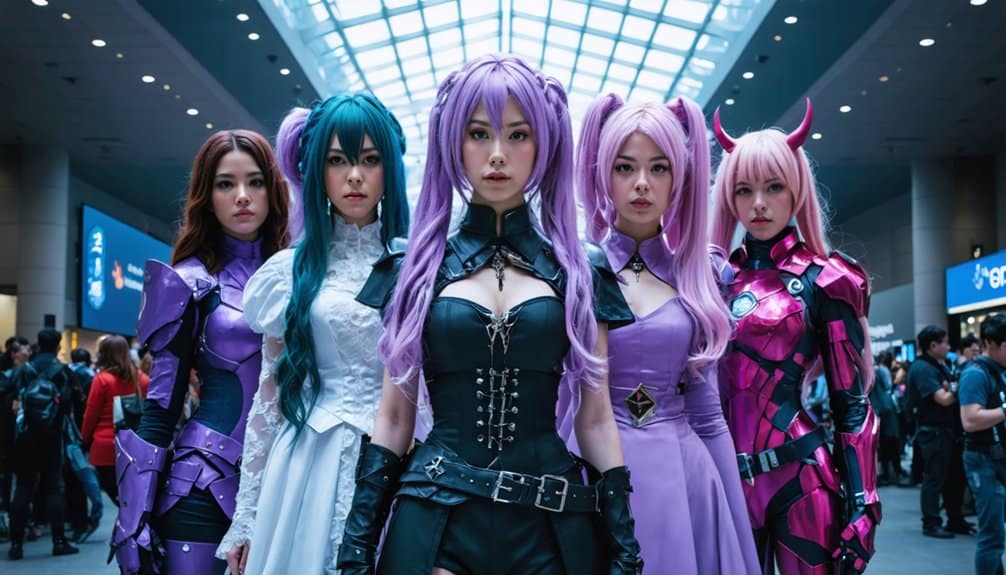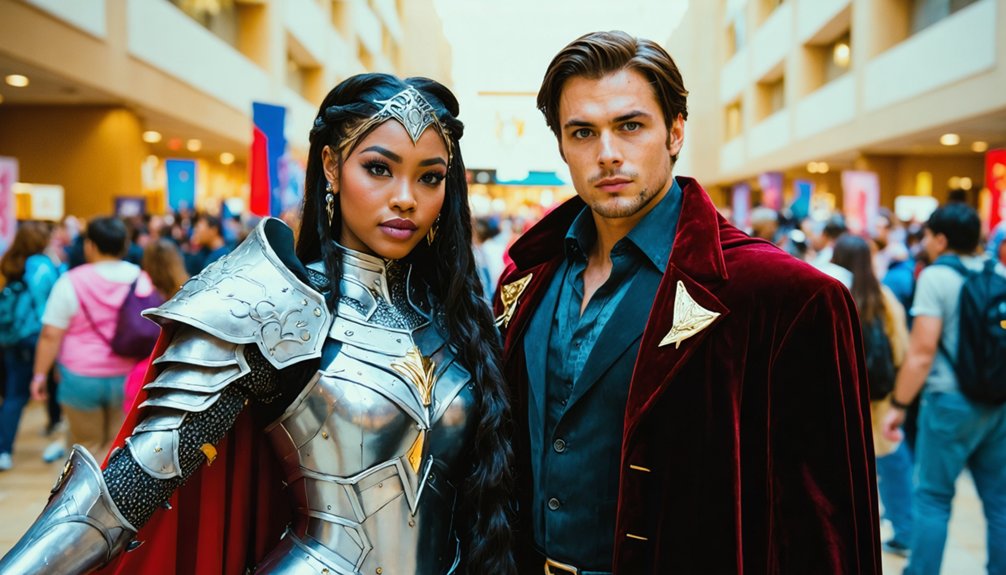
When you genderbend a character, you’re not just swapping aesthetics—you’re entering a creative negotiation between identity, societal expectation, and character integrity. Gender norms often reshape how characters speak, behave, and express emotion, sometimes flattening complex personalities into familiar stereotypes. The most effective genderbends preserve core traits—motivations, speech patterns, behavioral tendencies—while letting gender influence naturally rather than override. Balancing visual signals with authentic personality keeps your interpretation coherent and immediately recognizable. There’s considerably more to unpack here.
Key Takeaways
- Genderbent cosplay shifts personality traits to align with traditional gender expectations while preserving the original character’s core identity and recognizable visual markers.
- Successful genderbending balances innovation with familiarity, keeping signature accessories and color schemes intact while reinterpreting mannerisms and behavioral tendencies.
- Reducing a character’s personality to gender stereotypes erases complexity, replacing depth with superficial signals that undermine the original character’s integrity.
- Core traits like motivations, speech patterns, and behavioral tendencies should remain consistent, with gender influencing only traits that naturally and authentically shift.
- Layered signals—costume, mannerisms, and visual cues—drive expressive shifts, and intentional, coherent portrayals ensure immediate audience recognition and engagement.
What Is Genderbent Character Personality in Cosplay?
When a character undergoes a genderbend in cosplay, their personality often shifts to align with traditional gender expectations rather than staying true to the original canon.
You’ll notice that male characters reimagined as female frequently adopt softer speech patterns or heightened emotional expressiveness, reflecting deeply embedded cultural influences surrounding femininity.
Conversely, female characters reimagined as male may present as more assertive or reserved.
These personality adaptations aren’t arbitrary — they function as deliberate artistic expression, emphasizing contrast between the original and reimagined identity.
As a cosplayer, you’re actively engaging with and critiquing gender norms through character interpretation.
Genderbending, thus, isn’t simply costume modification; it’s a nuanced analytical practice that challenges canonical identity while simultaneously revealing how gender stereotypes shape character perception and audience expectation.
How Assigned Gender Norms Rewrite a Character’s Personality
Assigned gender norms don’t just influence costume choices — they actively rewrite how a character thinks, speaks, and behaves in genderbent interpretations.
Gender norms don’t just change costumes — they rewrite how genderbent characters think, speak, and exist entirely.
When you reimagine a stoic male character as female, cultural influences often push you toward softening their tone or amplifying emotional expressiveness.
Similarly, a assertive female character reimagined as male might adopt more reserved or dominant behavioral patterns.
These shifts reflect deeply embedded societal expectations rather than intentional artistic expression.
As a creator, you’re fundamentally navigating a negotiation between the character’s original identity and the gender norms your audience recognizes.
Recognizing this tension is critical — it allows you to make deliberate design choices that either challenge stereotypes or consciously work within them, producing interpretations that feel both authentic and analytically informed.
Stereotype Traps That Flatten Genderbent Characters
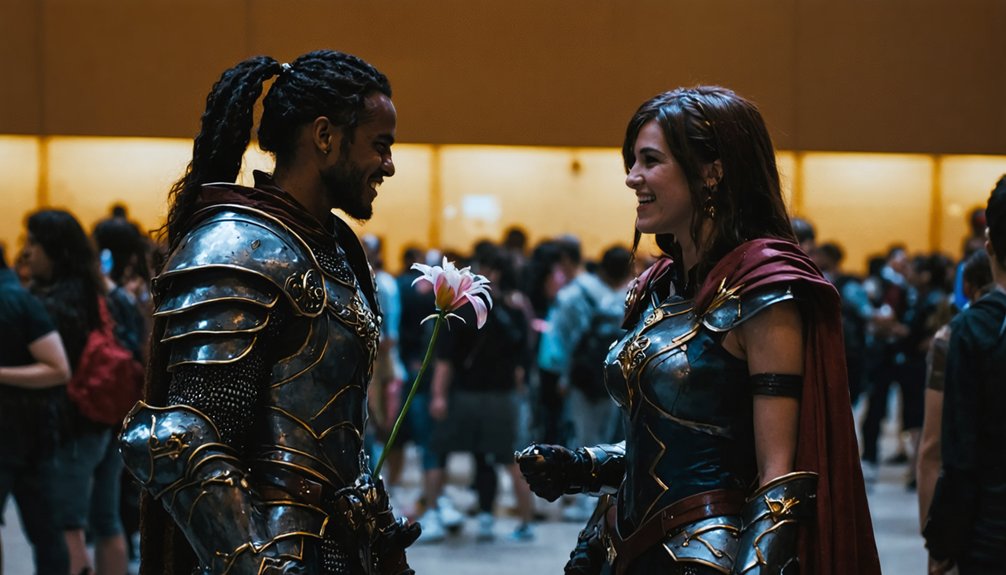
When you reduce a genderbent character’s personality to traits like emotional softness or stoic toughness, you’re not reimagining the character — you’re replacing them with a gender stereotype.
These shortcuts flatten the character’s complexity, leaving you with a design that communicates gender rather than identity. Recognizing this trap lets you make deliberate creative choices that honor the original character while challenging the norms that genderbending has the potential to critique.
Personality Reduced To Stereotypes
One of the most common pitfalls in genderbent cosplay is reducing a character’s personality to stereotypes that align with their newly assigned gender. When you reimagine a canonically stoic male character as female, you risk defaulting to softened speech patterns or heightened emotionality simply because of the gender shift. This flattening erases what makes the character compelling in the first place.
Your design choices extend beyond color palette and costume accessories — they signal interpretation. When personality follows stereotype rather than canon, you’re fundamentally creating a different character wearing a familiar aesthetic.
Instead, challenge yourself to preserve the character’s core traits regardless of gender reassignment. Analytical cosplay practice demands that you interrogate *why* you’re making personality adjustments, ensuring those choices reflect intentional creative decisions rather than unconscious gender assumptions.
Gender Norms Limiting Creativity
Stereotype traps don’t stop at personality — they extend into the structural logic of how you build a genderbent character from the ground up. When you default to softening features for female versions or hardening them for male ones, you’re letting cultural influences dictate your design rather than the character’s identity.
These inherited gender norms quietly compress your artistic freedom, pushing you toward predictable silhouettes, conventional hairstyles, and gendered accessories that prioritize legibility over innovation. You end up reinforcing the same binary frameworks the practice could otherwise interrogate.
Recognizing this pattern is the first step toward breaking it. Intentional design means questioning every default choice — asking whether each element serves the character’s essence or simply satisfies an unexamined gender expectation you’ve absorbed without critique.
How Genderbent Characters Express Themselves Differently
This phenomenon connects directly to fashion evolution, as costume modifications simultaneously drive behavioral reinterpretation. You’re fundamentally communicating a new identity through layered signals — adjusted attire, altered mannerisms, and recalibrated social cues working together.
Genderless characters receiving gendered characteristics adopt entirely new behavioral frameworks, making the transformation more pronounced. Recognizing these expressive shifts helps you critically evaluate how gender norms shape character interpretation beyond mere aesthetics.
Keeping the Original Character Intact While Changing Their Gender
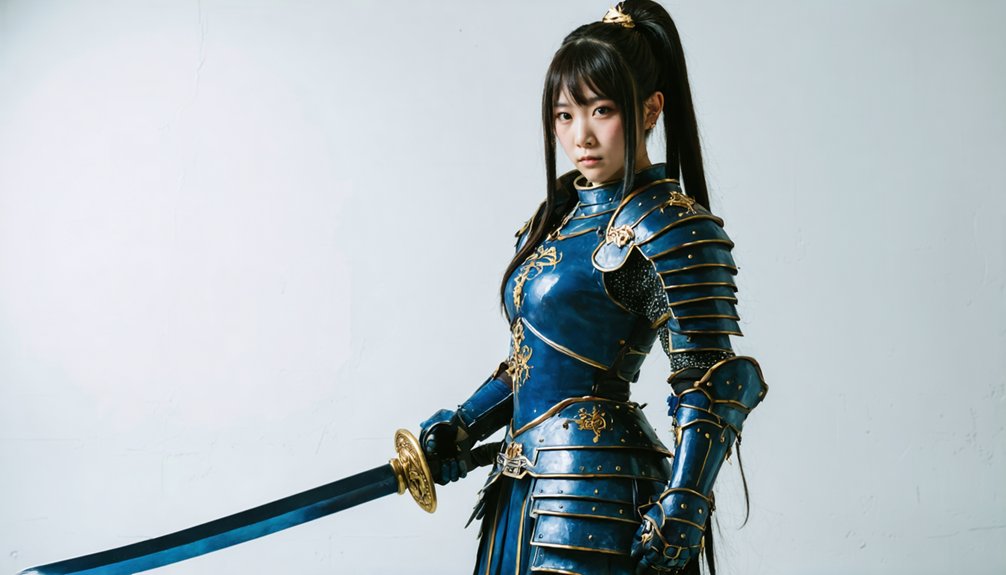
While reimagining a character’s gender, you must anchor the design in recognizable visual markers to preserve their core identity. Retain the original color scheme, signature accessories, and defining silhouettes, as these elements communicate character authenticity across artistic interpretations.
Cultural influences shape how audiences read gender cues, so you’ll need to balance innovation with familiarity. Swapping a skirt for tailored pants or adjusting necklines maintains the character’s essence without erasing their identity. You’re not replacing the character; you’re recontextualizing them.
Prioritize consistent personality traits over stereotypical gender behaviors. If the canon character is stoic, keep that stoicism intact.
Genderbending succeeds when the transformation feels intentional and coherent, allowing audiences to immediately recognize who the character is despite the reimagined presentation.
Why Cosplayers Disagree on How Much Personality Should Change
Personality shifts in genderbent cosplay spark genuine disagreement within the community because cosplayers hold fundamentally different views on what a gender transformation actually requires.
Some argue that fan interpretation should drive personality evolution, aligning traits with traditional gender norms to emphasize contrast.
Fan interpretation fuels personality evolution, reshaping traits through a traditional gender lens to heighten contrast and creative impact.
Others prioritize crossplay authenticity, insisting that the character’s core personality must remain unchanged regardless of gender reimagining.
Consider these competing perspectives shaping the debate:
- Purists maintain that personality changes betray the original character’s identity.
- Transformationists believe gender norms naturally necessitate behavioral adaptation for believability.
- Hybridists selectively adjust personality traits while preserving defining characteristics.
You’ll find your own position within this spectrum by examining what you value most—character fidelity or creative reinterpretation—when constructing your genderbent portrayal.
How to Build a Genderbent Personality That Feels Authentic
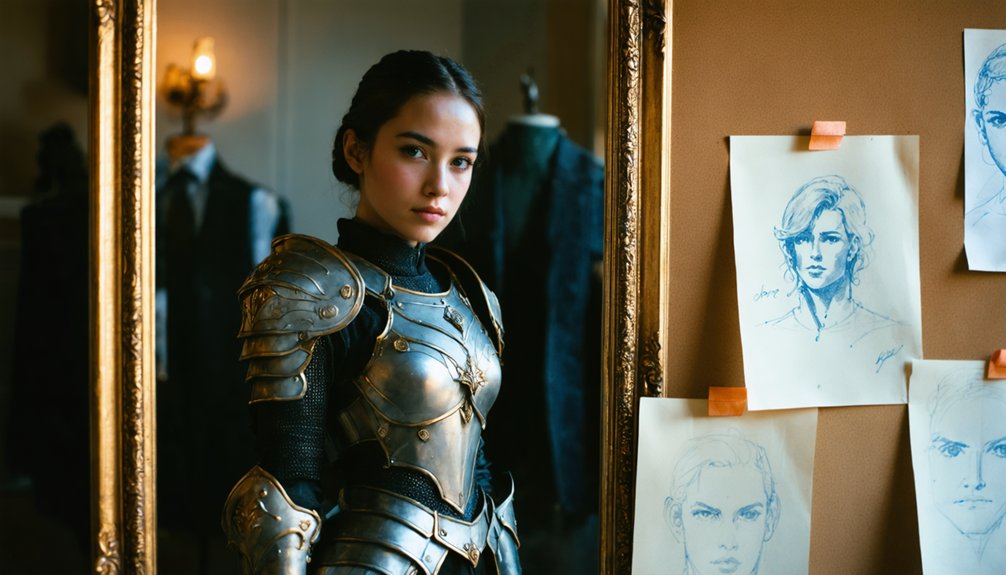
Building an authentic genderbent personality requires you to anchor your interpretation in the character’s core traits before introducing any gendered adaptations. Identify what fundamentally defines the character — their motivations, speech patterns, and behavioral tendencies — then carry those elements forward unchanged.
When you introduce gendered adaptations, let them emerge organically rather rather than default to stereotypes. Your costume accessories and color palette already signal the character’s identity visually, so your personality portrayal shouldn’t compensate by overperforming gender norms.
Instead, treat gender as one variable within a broader characterization framework. Ask yourself which traits genuinely shift under a new gender lens and which remain constant. This analytical approach produces interpretations that feel innovative rather than reductive, earning recognition from audiences who value nuanced, well-reasoned creative decisions.
Frequently Asked Questions
Can Genderbending a Character Ever Unintentionally Erase Their Cultural Background?
Yes, you’re obliterating cultural authenticity when genderbending carelessly! You can unintentionally erase a character’s heritage through stereotype reinforcement, swapping culturally significant traits for generic gendered aesthetics that completely strip away meaningful, identity-defining cultural nuances.
Do Genderbent Characters Perform Differently in Competitive Cosplay Judging?
You’ll find genderbent characters can perform competitively when you prioritize costume accuracy and performance authenticity. Judges typically evaluate recognizability, craftsmanship, and characterization—so you’re measured on how effectively you’ve reimagined, not replicated, the original design.
How Do Voice and Speech Choices Factor Into Genderbent Personality Portrayal?
Hit the ground running: you’ll shape genderbent personality through deliberate voice modulation and adjusted speech patterns, softening or deepening tone to mirror gendered expectations, actively reinforcing the reimagined character’s identity beyond costume alone.
Are Genderbent Personalities Received Differently Across Various Fandoms or Franchises?
Yes, you’ll find genderbent personalities are received differently across fandoms. Fandom stereotypes shape community expectations, while creative reinterpretations challenge them. Each franchise’s cultural norms influence how audiences accept or critique personality shifts in genderbent portrayals.
Can a Genderbent Character’s Personality Conflict With the Cosplayer’s Own Identity?
Yes, a genderbent character’s personality can conflict with your own identity when balancing gender authenticity and character consistency. You’re steering tension between embodying reimagined traits and honoring your personal values, demanding innovative self-awareness throughout your creative process.
References
- https://nerdfestblog.wordpress.com/2019/05/08/all-about-genderbending/
- https://mediacommons.org/imr/content/crossplay-vs-genderbend-how-cosplayers-play-gender
- https://www.youtube.com/watch?v=tCOHITUPZ_c
- https://www.youtube.com/watch?v=DsE60rBqSBU