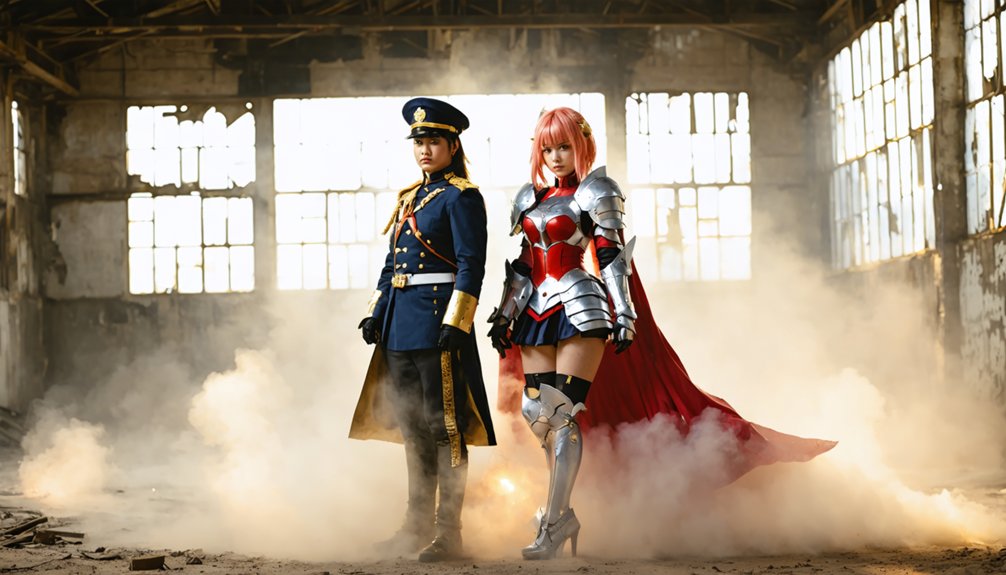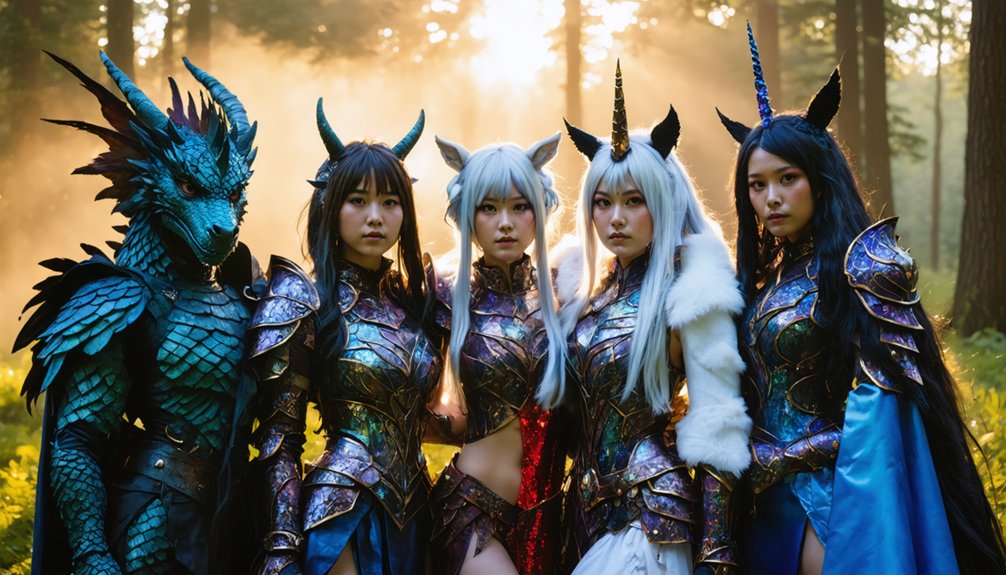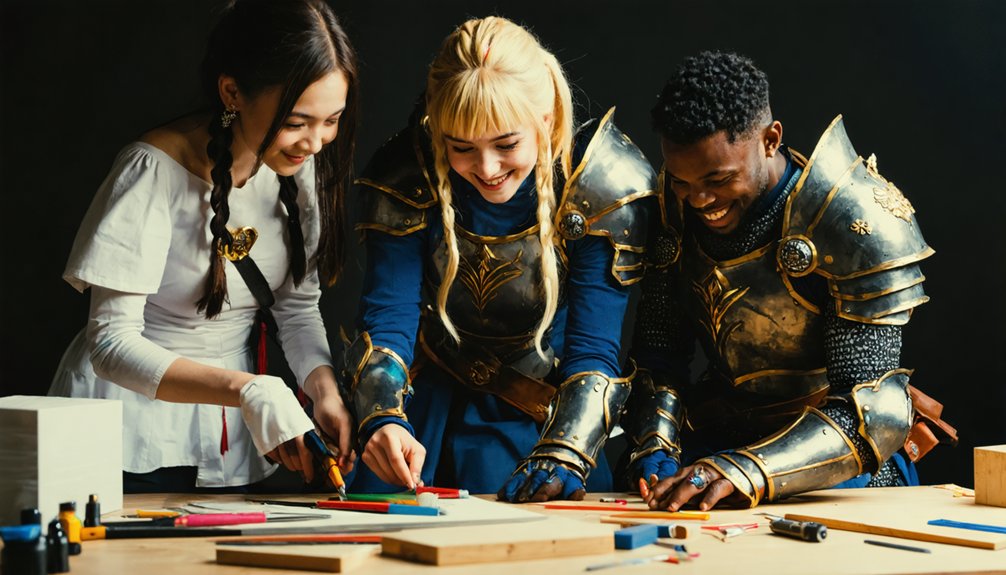
You can handle different skill levels in group cosplay by evaluating everyone’s abilities before choosing costumes and matching characters to each maker’s strengths. Delegate tasks based on actual skills, not experience, and keep the group visually cohesive through consistent color palettes and accessories. Schedule regular check-ins, and encourage experienced members to guide beginners without taking over. There’s plenty more to uncover about making your group cosplay a seamless, confidence-boosting success for everyone involved.
Key Takeaways
- Assess each member’s sewing, prop-building, and crafting skills honestly before selecting costumes to match complexity with actual abilities.
- Assign characters strategically, routing prop-heavy roles to experienced builders and simpler costumes to beginners.
- Delegate tasks based on actual skills, organizing responsibilities into construction, styling, and coordination roles for balanced workloads.
- Encourage experienced members to teach and guide beginners without taking over, fostering a collaborative and supportive atmosphere.
- Reframe mistakes as creative problem-solving opportunities, celebrating small wins to keep all members engaged and motivated.
Why Skill Gaps Can Make or Break Group Cosplay
Skill gaps in group cosplay can be the difference between a polished, unified presentation and a frustrating experience that strains friendships. When you’re managing a group project, mismatched skill expectations create uneven workloads and resentment.
Effective project management means addressing these differences early through honest communication strategies and role flexibility. Rather than letting gaps become liabilities, treat them as opportunities for collaborative learning. Assign tasks based on strengths, and use creative problem solving to adapt costume complexity accordingly.
Timeline planning keeps everyone moving at a manageable pace, while motivation techniques like group craft nights maintain momentum and accountability. You don’t need identical skill levels to succeed—you need coordination, transparency, and a shared commitment to the concept.
That alignment transforms diverse abilities into a cohesive group presentation.
Set a Group Cosplay Skill Baseline Before Choosing Costumes
Before you pick characters or start sourcing materials, you need to know what everyone in your group can actually make. A thorough skill assessment shapes smarter costume selection and strengthens group dynamics from the start.
Collaborative planning works best when you gather honest input early. Ask each member to share:
- Their experience with sewing, prop-building, or armor construction
- The tools and materials they currently have access to
- How much time they can realistically commit before the event
Once you have this information, you can match costume complexity to each person’s actual abilities rather than their enthusiasm alone.
Choosing a theme that accommodates varying skill levels keeps everyone contributing meaningfully. It also prevents one person’s limitations from derailing the entire group’s presentation.
Match Each Character to the Right Maker
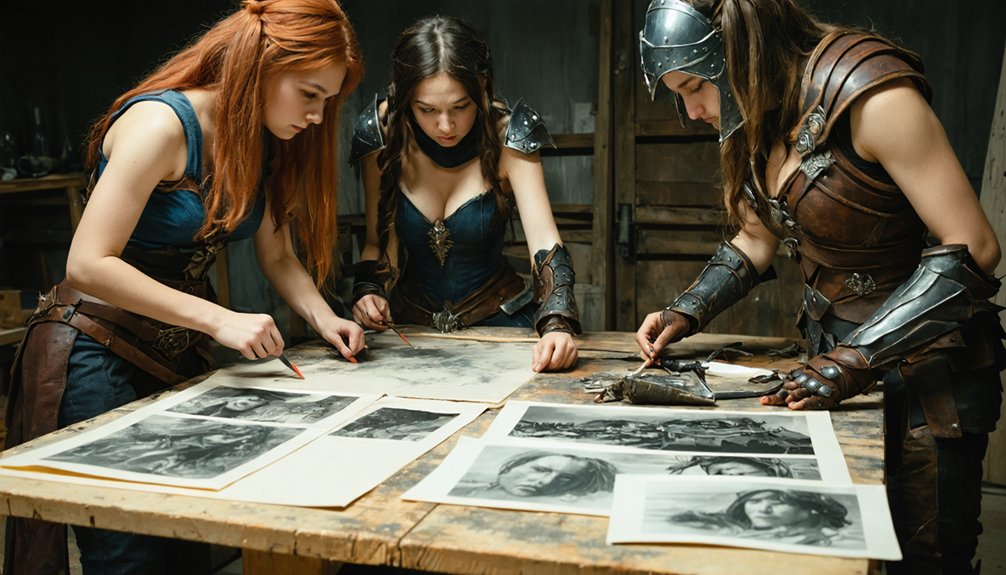
Once you know what everyone can do, character assignment becomes a deliberate matching process rather than a first-come, first-served choice. Use your skill assessment to align each person with a character whose costume complexity matches their abilities. That’s character alignment working in the group’s favor.
Consider crafting strengths, body type, and personal preference together rather than separately. If one member excels at prop-building, route the prop-heavy character their way. If someone’s newer to sewing, choose a character with cleaner, simpler construction.
Balancing elaborate builds against straightforward ones keeps effort distributed fairly and prevents resentment from forming. Agreeing on roles before anyone starts cuts down on mid-project redesigns.
When every person fits their character well, the whole group performs stronger.
Keep Your Group Cosplay Visually Cohesive Across Skill Levels
Even when skill levels vary across your group, unified color choices and shared accessories can make every costume look like part of the same set.
You don’t need identical construction quality to pull off a cohesive look—you just need consistent design decisions that tie everyone together visually.
Coordinating details like fabric tones, color-matched props, and consistent styling choices closes the gap between beginner and advanced builds without requiring anyone to work beyond their abilities.
Unify Colors And Accessories
When skill levels vary across a group, unified colors and accessories become one of your most powerful tools for creating a polished, cohesive look. Consistent color palettes, thoughtful accessory choices, and intentional fabric selection can tie together builds of different quality levels seamlessly.
Apply these cohesion strategies early:
- Align visual themes across all costumes by agreeing on a shared color palette before anyone starts building.
- Standardize accessory choices like belts, gloves, or jewelry to reinforce design consistency without requiring advanced skills.
- Coordinate styling techniques such as hair color, makeup tones, and finishing details to strengthen detail coordination group-wide.
These steps guarantee that even when construction quality varies, your group’s overall presentation reflects deliberate, unified creative vision.
Coordinate Styling For Cohesion
Unified colors and accessories lay the visual groundwork, but styling choices—hair, makeup, and finishing details—are what pull everything together into a single, recognizable presentation.
When your group coordinates styling techniques around shared visual themes and character aesthetics, skill-level differences become far less visible. You don’t need identical execution—you need intentional alignment.
Agree on color palettes early, then carry those tones into makeup, wigs, and finishing touches. Keep accessory choices consistent where possible, and let design consistency guide decisions about fabric selection and texture.
Even small, deliberate choices strengthen group dynamics and signal a unified concept to your audience. When every member reflects the same aesthetic language, your group reads as cohesive, polished, and purposefully crafted—regardless of individual construction experience.
Split Group Cosplay Tasks by Skill, Not Experience Level
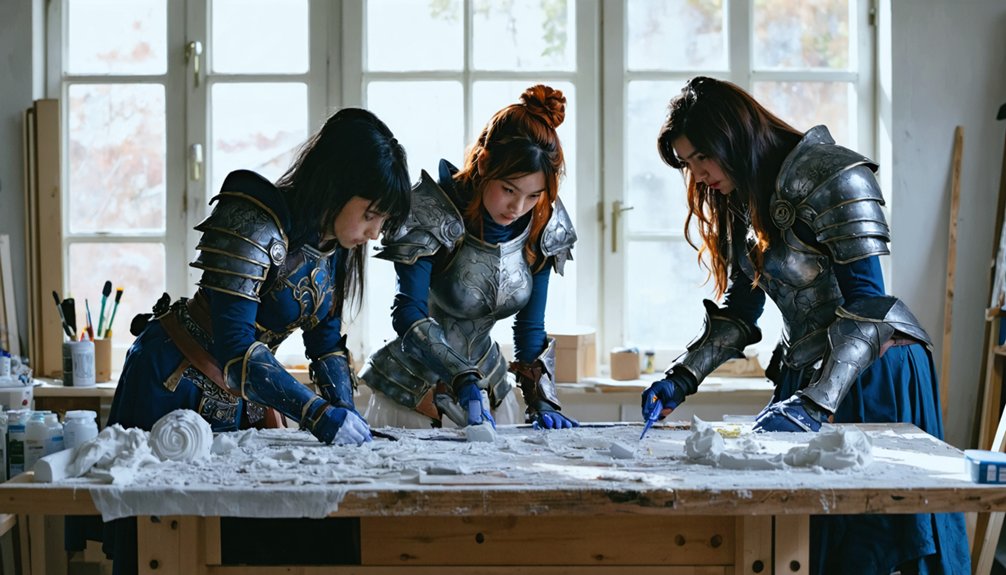
Splitting tasks by what each person can actually do—rather than how long they’ve been cosplaying—keeps the workload fair and the group moving forward together.
Skill assessment early in the process drives better workflow optimization and role clarity for everyone involved. Task delegation works best when it matches actual strengths, not assumptions based on tenure.
Consider organizing responsibilities using these categories:
- Construction roles – sewing, prop-building, and fabrication for those with hands-on skills
- Styling roles – wigs, makeup, and accessories for detail-oriented members
- Coordination roles – sourcing materials, scheduling, and communication for strong organizers
This structure supports creative collaboration, builds an inclusive environment, and gives every member space for confidence building.
Constructive feedback flows more naturally when everyone understands their role and feels genuinely valued.
Schedule Regular Check-Ins So No One Falls Behind
Regular check-ins keep your group aligned and prevent small problems from becoming last-minute disasters. Set a check-in frequency that matches your timeline—weekly works well for most builds, but bi-weekly may suit shorter projects.
Don’t wait for someone to ask for help; proactive progress tracking surfaces issues early, when they’re still fixable.
Catch problems before they spiral—proactive check-ins surface small setbacks while there’s still time to fix them.
Use a shared document, group chat, or project board to log each member’s milestones. This gives everyone visibility without placing extra pressure on any one person.
If someone’s falling behind, address it collaboratively rather than critically—offer resources, adjust deadlines, or redistribute tasks where possible.
Scheduled craft nights double as both accountability sessions and morale boosters. Keeping momentum steady across all skill levels guarantees your group arrives at the event ready, confident, and cohesive.
How Experienced Cosplayers Can Support Beginners Without Taking Over
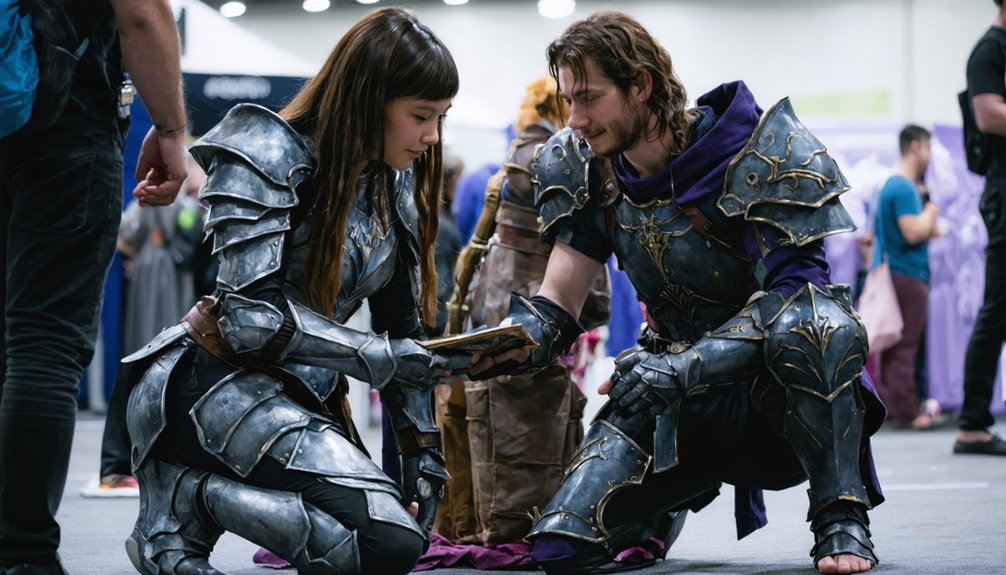
When you’re the most experienced person in the group, your role isn’t to do everything—it’s to help others grow.
Share your knowledge openly, but hold back judgment when a beginner’s work doesn’t match your standard, because encouragement builds more skill than criticism ever will.
Guide your teammates through hands-on practice so they develop real confidence, and let them own the results.
Teach Without Doing Everything
Resist the urge to take over when a beginner in your group is struggling with a seam or a prop attachment. Collaborative learning thrives when you guide instead of replace. A supportive environment grows through mentorship opportunities, not shortcuts.
Try these skill sharing strategies to keep group dynamics healthy:
- Demonstrate, then step back — Show the technique once, then let them try. Constructive feedback after the attempt builds more confidence than doing it for them.
- Share resources without assuming — Recommend tutorials or tools through resource sharing rather than taking over their workstation.
- Celebrate small wins — Confidence building happens incrementally, so acknowledge their progress openly.
Your patience keeps the group collaborative, innovative, and genuinely fun for everyone involved.
Share Knowledge, Not Judgment
Experienced cosplayers carry knowledge that beginners genuinely need, but how you share it matters just as much as what you share.
Approach skill sharing sessions as collaborative learning opportunities rather than corrections. When you offer constructive feedback, frame it around solutions, not shortcomings.
Build mentorship opportunities naturally by organizing creative brainstorming and resource sharing before builds begin. These conversations surface problem solving strategies that newer members can actually apply independently.
Supportive environments grow when experienced cosplayers ask questions first—”What were you going for here?”—before suggesting alternatives.
Judgment shuts people down. Curiosity opens them up.
Your goal isn’t a flawless group costume built on one person’s effort. It’s a group that leaves the convention more capable, more connected, and genuinely excited to build together again.
Empower Through Guided Practice
Guiding a beginner through a build teaches far more than doing it for them. Hands-on learning during guided workshops and practice sessions builds real competency.
Use mentorship opportunities within your group to make skill-building activities feel collaborative rather than corrective. Collaborative projects thrive when everyone contributes meaningfully.
Structure your support using these confidence-boosting approaches:
- Demonstrate, then step back — Show the technique once, then let them attempt it independently.
- Frame mistakes as creative problem solving — Reposition errors as design decisions worth exploring.
- Assign stretch tasks — Give beginners slightly challenging roles within collaborative projects to accelerate growth.
Consistent practice sessions normalize learning curves and keep your group moving forward without leaving anyone behind.
Frequently Asked Questions
Can a Group Cosplay Successfully if No One Has Advanced Sewing Skills?
Yes, you can! Choose beginner-friendly costume materials, delegate tasks by individual strengths, and attend skill sharing workshops together. You’ll build confidence, stay cohesive, and create an innovative group cosplay that doesn’t require advanced sewing expertise.
How Many People Is Ideal for a Beginner-Friendly Group Cosplay Project?
Three to five people is your sweet spot. Imagine four friends tackling a Studio Ghibli theme—you’ll find beginner roles stay manageable, group dynamics remain tight, and coordination doesn’t overwhelm anyone’s enthusiasm or skill level.
Should Group Cosplay Members Share Costume Costs or Pay Individually?
You’ll benefit most from blending both approaches. Cost sharing benefits work well for shared materials, while individual budgeting strategies handle personal pieces. Align your group’s financial plan early to keep everyone included and stress-free.
What Happens When a Group Member Quits Close to the Event Date?
Can your group adapt quickly? When a member quits, you’ll face real group morale impact, but exploring costume replacement options—like simplifying the lineup or redistributing roles—keeps your team coordinated, inclusive, and moving confidently toward event day.
Is It Acceptable to Mix Handmade and Store-Bought Costumes in One Group?
Yes, you can absolutely mix handmade and store-bought costumes! It’s all about creative collaboration and cohesion, not costume quality competition. Focus on matching colors, accessories, and styling so your group looks intentionally unified and visually polished together.
References
- https://eyecandys.com/blogs/news/what-to-pack-cosplay-event
- https://www.creativecosplays.com/post/the-ultimate-guide-to-group-cosplay-coordination
- https://vesnakurilic.com/2017/10/15/11-tips-for-group-cosplay/
- https://www.youtube.com/watch?v=mH6PTYDFDcg
- https://www.nerdcaliber.com/how-to-be-your-very-best-at-a-masquerade-with-level-up-cosplay/
- http://jaroukaparade.blogspot.com/2014/09/group-cosplays.html
- https://www.reddit.com/r/CosplayHelp/comments/1luxmmf/organizing_group_cosplays_and_alternatives_to/
- https://www.havecamerawillcosplay.com/blog/navigating-the-dramatic-seas-of-cosplay/
- https://www.facebook.com/groups/1058113398594001/posts/1333493901055948/
- https://www.youtube.com/watch?v=f8Z4ma2RUYA