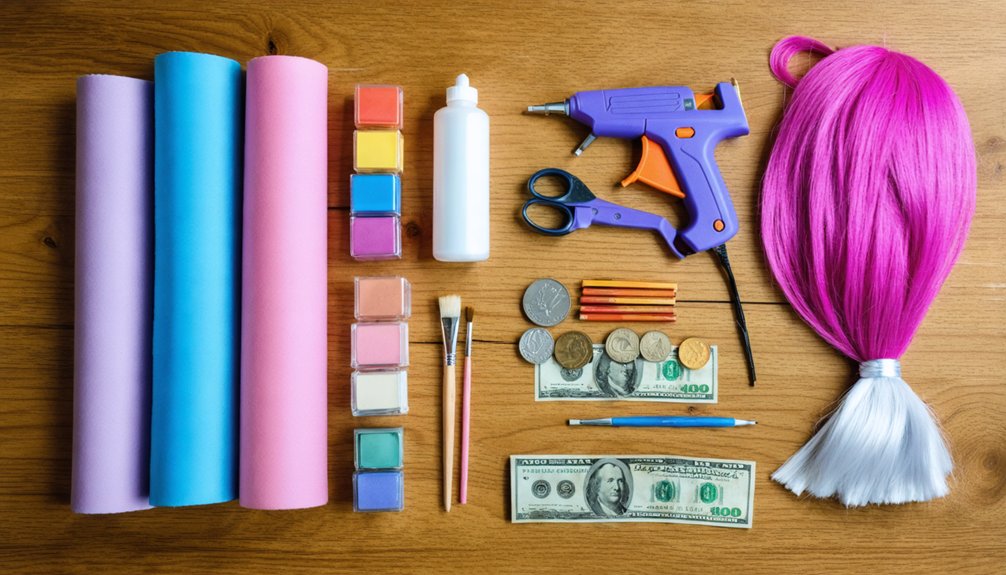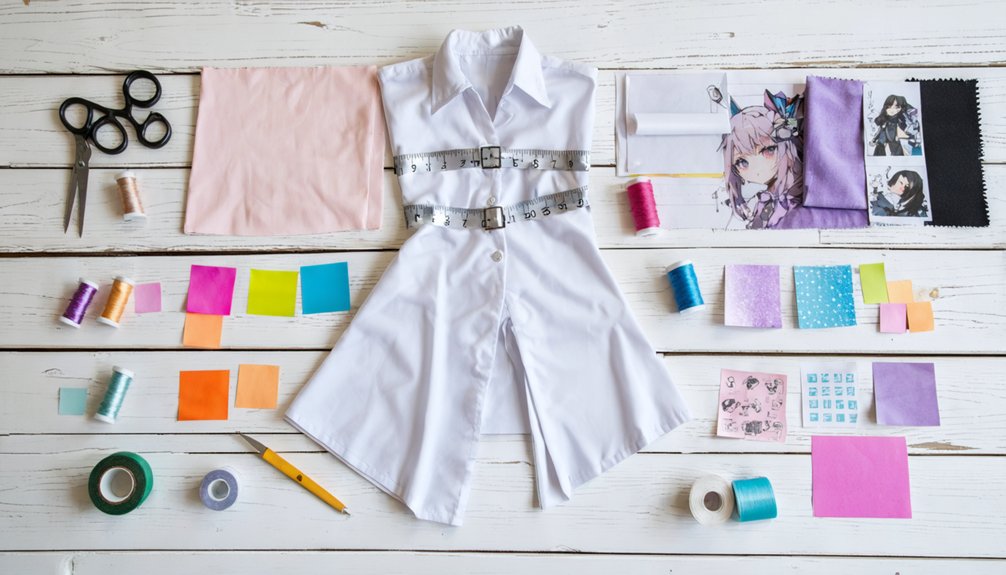
Planning your first cosplay starts with picking a character that matches your current skill level — think simple silhouettes over complex armor. You’ll want to gather reference images from every angle, sketch out your pieces, and sort each item into make, buy, or alter categories. Set a realistic budget, track every expense, and build a week-by-week schedule with buffer time built in. Stick around, because there’s a lot more detail ahead that’ll save you serious time and money.
Key Takeaways
- Choose a beginner-friendly character with simple silhouettes, minimal armor, and designs that genuinely inspire your passion for completing the project.
- Gather and organize reference images into labeled folders by costume component to create a reliable single source of truth.
- Categorize every costume item as make, buy, or alter based on an honest assessment of your current crafting skills.
- Set a realistic budget, track all expenses in a spreadsheet, and factor in hidden costs like shipping and replacement materials.
- Build a week-by-week schedule assigning each costume piece a dedicated timeframe, including buffer weeks for unexpected delays.
Pick a Character That Matches Your Cosplay Skill Level
When you’re just starting out in cosplay, choosing the right character can make or break your entire experience. Smart character selection begins with an honest skill assessment of your current abilities in sewing, crafting, and prop building.
Choosing the right character starts with one simple step: an honest assessment of where your skills actually stand.
Don’t romanticize overly complex designs before you’ve built foundational skills. Start by identifying characters with simpler silhouettes, minimal armor, and straightforward color schemes. School uniforms, casual outfits, and basic fantasy wear offer excellent entry points without overwhelming you technically.
As you complete each project, your capabilities naturally expand. Consider characters you genuinely love — passion drives persistence through difficult construction phases.
Research the costume thoroughly before committing. If a design requires advanced techniques you haven’t mastered yet, save it for your second or third build when your confidence and skills have grown considerably.
Gather Cosplay Reference Images From Every Angle
Once you’ve chosen your character, you’ll need to hunt down official art, wiki pages, and screenshots that capture every angle of the costume.
Pause game rotation menus, rewatch anime scenes, and collect front, back, and side views so no hidden detail escapes your attention.
Organize everything into clearly labeled folders so you can instantly access the exact reference you need at every stage of the build.
Find Official Character Art
Finding official character art is the foundation of any successful cosplay project, and you’ll want to cast a wide net across multiple sources. Immerse yourself in official artwork from game databases, anime studios, and publisher websites to capture authentic character design details.
Seek out concept sketches and style guides, as these reveal construction nuances that finished promotional art often obscures. Art books deliver incredible visual references, exposing layered character dynamics and material textures invisible in standard screenshots.
Official merchandise packaging frequently features unique angles that illuminate design inspiration you won’t find elsewhere. Download high-resolution images whenever possible, since pixelated references create costly mistakes during construction.
Cross-reference multiple official sources because art style variations between artists can affect small but critical details like button placement, collar structure, and trim work.
Screenshot Every Character Angle
Capturing screenshots from every possible character angle transforms vague reference material into a precise construction roadmap you’ll rely on throughout your entire build.
Games with character rotation menus are goldmines for screenshot techniques — spin your character completely and capture stills every 15 degrees. You’ll discover hidden back panel seams, layered fabric edges, and accessory placements that front-facing art completely obscures.
For anime sources, pause during action sequences where clothing moves dynamically, revealing construction details invisible in static poses.
Apply these character angles systematically: front, back, both sides, three-quarter views, and close-ups of accessories.
Organize screenshots into labeled folders by costume component. These detailed captures eliminate guesswork during pattern making, ensuring every seam placement and trim detail matches the original design with professional accuracy.
Organize Your Reference Folder
After you’ve captured screenshots from every angle, organizing your reference folder transforms scattered images into a powerful construction system that saves hours of frustrating searching mid-build.
Your reference organization strategy directly impacts build efficiency, so structure your digital folder intentionally.
Create subfolders labeled by costume component: bodice, armor, accessories, props, and shoes. Name every file descriptively, like “front-breastplate-detail” or “left-shoulder-pauldron-texture.” This precision eliminates guesswork when you’re mid-construction and need immediate visual confirmation.
Add a master reference sheet combining your best front, back, and side images into one document for instant comparison. Pin it digitally to your workspace.
A well-structured digital folder becomes your single source of truth throughout the entire build, keeping your creative momentum sharp and your construction decisions confident and accurate.
Write a Complete Cosplay Costume List Before You Buy Anything
Separate everything into three columns: make, buy, or alter. Note fabric selection choices, accessory details like jewelry and hairpieces, and prop creation requirements alongside each entry.
Color matching matters enormously, so flag specific shades immediately. Identify layering techniques the costume demands, then list tool essentials and sewing basics you’ll need. If complex pieces require pattern drafting, note that too.
Cross-reference every line item against your reference images. This master list drives smarter budgeting tips later, preventing impulse purchases that drain your funds before construction even begins.
Sketch Your Cosplay Pieces Even If You Can’t Draw
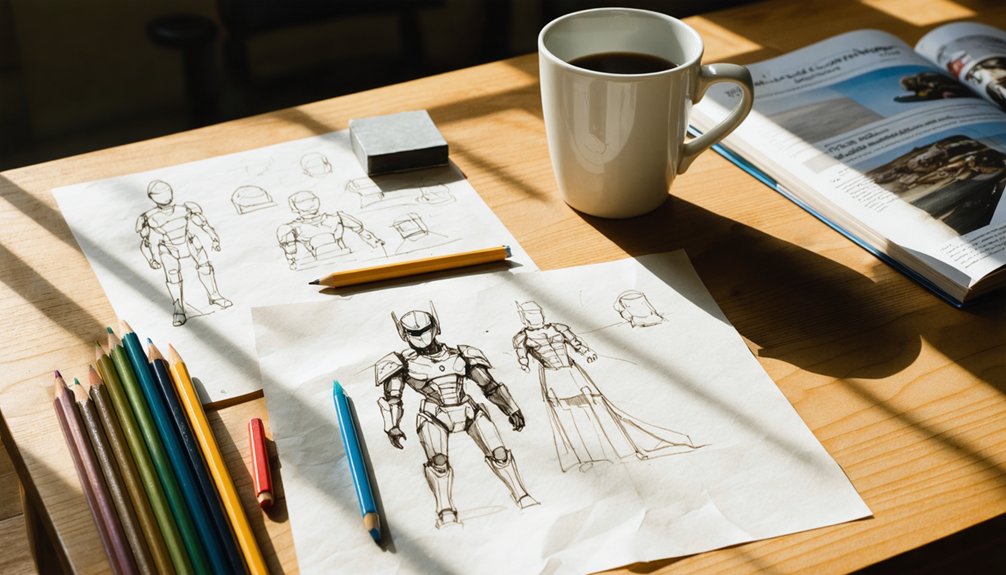
Sketching your cosplay pieces doesn’t require artistic talent — it requires accuracy. Grab basic art tools — pencil, ruler, graph paper — and draw front, back, and side views of every component. Focus on character proportions rather than aesthetics. Your sketches serve as construction blueprints, not gallery pieces.
Use visual references pinned beside your workspace to guide concept development. Digital sketching apps like Procreate or even free browser tools let you layer elements, adjust scale, and experiment with design inspiration before committing to materials. Annotate every sketch with fabric types, seam placements, and assembly sequences.
Pull from drawing resources like character model sheets and official art for precision. Accurate sketches eliminate guesswork, reduce costly mistakes, and transform complex costume elements into clear, actionable building instructions you’ll actually use.
Set a Realistic Budget for Your First Cosplay Project
Setting a realistic budget starts with calculating every cost upfront — fabric, notions like zippers and thread, foam, paint, and any items you plan to purchase ready-made.
Once you’ve got your total, hunt aggressively for discounts through coupons, sales, and price comparisons across multiple retailers to stretch every dollar.
Track every purchase in a notebook or spreadsheet so you stay in control of your spending and avoid the budget creep that derails so many first-time cosplay projects.
Calculating Total Costume Costs
Before you buy a single yard of fabric, you’ll want to calculate every cost involved in bringing your costume to life. Start with a thorough cost breakdown covering material costs like fabric, foam, and paint. Then add notions such as thread, zippers, and adhesives.
Hidden expenses catch first-timers off guard, so factor in shipping fees, convention entry, and last-minute replacements.
Smart fabric sourcing through discount retailers, online marketplaces, and local thrift stores reveals powerful cost-saving tips that stretch every dollar. Apply pricing strategies by comparing multiple vendors before committing.
Build in buffer room for budget adjustments when unexpected needs arise. Consistent expense tracking through a simple notebook or app keeps your spending transparent, controlled, and aligned with your overall cosplay goals.
Finding Discounts And Sales
Once you’ve mapped out your total costs, finding discounts and sales becomes your next power move for keeping that budget intact.
Hit discount websites like AliExpress or Amazon for base materials, and time your purchases around seasonal sales to score premium fabrics at fraction costs.
Thrift stores are goldmines for raw materials you can repurpose brilliantly.
Stack online coupons before checkout—they add up fast.
Fabric outlets and clearance racks consistently offer high-quality textiles at dramatically reduced prices, so visit them regularly.
Don’t overlook local markets for unique trims and notions at negotiable rates.
Finally, cosplay conventions often feature vendor halls where sellers offload discounted supplies.
Smart sourcing isn’t about cutting corners; it’s about maximizing every dollar you’ve strategically allocated.
Tracking Your Spending
Tracking your spending throughout a cosplay project keeps your budget from quietly spiraling into chaos. Use a dedicated notebook or spreadsheet for real-time expense tracking, logging every purchase immediately after buying.
Break costs into a clear cost breakdown: fabric, notions, props, and purchased items. This financial planning approach reveals where your money actually goes versus where you planned to spend it.
Set a firm spending limit before purchasing anything, then monitor it ruthlessly. Always factor in unexpected expenses like shipping fees, replacement materials, or tools you didn’t anticipate needing.
Smart budgeting tips include running price comparison checks before committing to any vendor and reviewing your total material costs weekly. Catching overspending early gives you room to adjust priorities before the project becomes financially overwhelming.
Sort Every Costume Item Into Make, Buy, or Alter
Sorting every costume item into one of three categories — make, buy, or alter — is one of the smartest moves you can make early in your planning process.
These costume categories sharpen your item prioritization immediately. Assess your skills honestly — DIY techniques like sewing or foam crafting suit some pieces, while others are better sourced through smart shopping strategies.
Budgeting tips become actionable once you know what’s store-bought versus handmade. Alteration methods — modifying thrifted jackets, dyeing plain shoes, or reshaping existing garments — stretch your budget creatively.
Material selection only matters once you’ve confirmed what you’re actually building. Cross-reference every item against your reference images, then assign each one decisively.
This structured approach eliminates guesswork and keeps your entire cosplay project moving forward with confidence and precision.
Choose the Right Fabrics, Foam, and Tools for Your Build
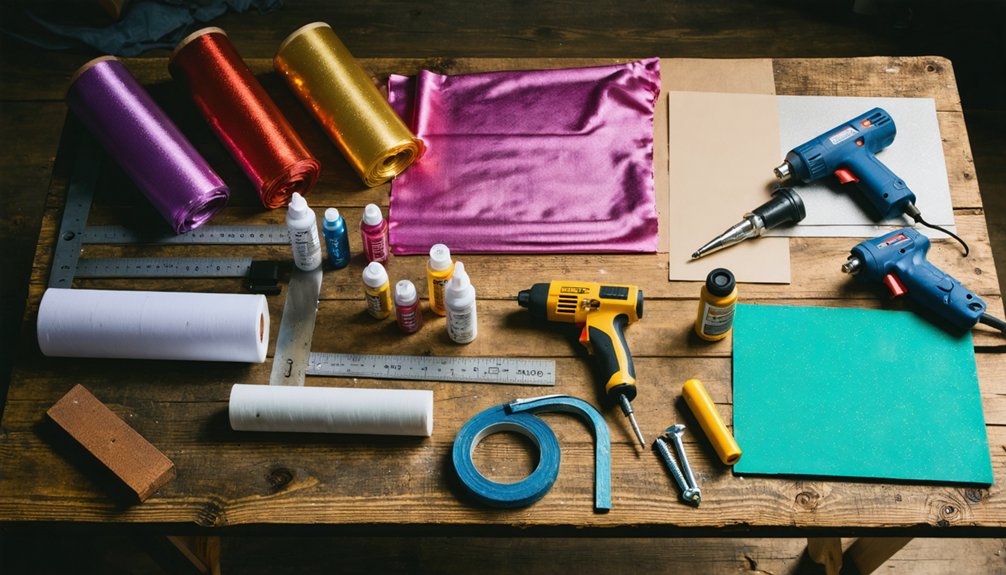
Material selection is where your cosplay truly comes to life, and choosing the right fabrics, foam, and tools can mean the difference between a costume that looks polished and one that falls apart at the convention.
Match fabric types to your character’s aesthetic — worbla suits armor, while stretch velvet flatters bodysuit designs. Understand foam density before cutting; high-density foam holds sharp edges, while low-density foam works better for curved, organic shapes.
Invest in essential tools like rotary cutters, heat guns, and sharp scissors to master precise cutting techniques. Explore sewing methods appropriate for your chosen materials, and research adhesive options like contact cement versus hot glue for structural integrity.
Apply layering techniques strategically, and use sealing primers and paints as finishing touches that elevate your entire build.
Plan Your Cosplay Build Schedule Week by Week
Once you’ve selected your materials and mapped out every costume component, building a week-by-week schedule transforms an overwhelming project into a series of achievable milestones. A structured cosplay timeline keeps momentum strong and eliminates last-minute panic.
Follow these three essential scheduling principles:
- Assign each costume piece its own dedicated week, breaking tasks into daily steps like cutting, gluing, priming, and painting.
- Set firm project milestones for major components—complete your base garment before tackling armor or accessories.
- Build buffer weeks into your cosplay timeline to absorb unexpected delays without derailing your entire build.
Review your schedule every Sunday, adjusting task durations based on actual progress. Treat each completed milestone as a win—it reinforces momentum and sharpens your focus heading into the next build phase.
Common First Cosplay Mistakes That Waste Time and Money
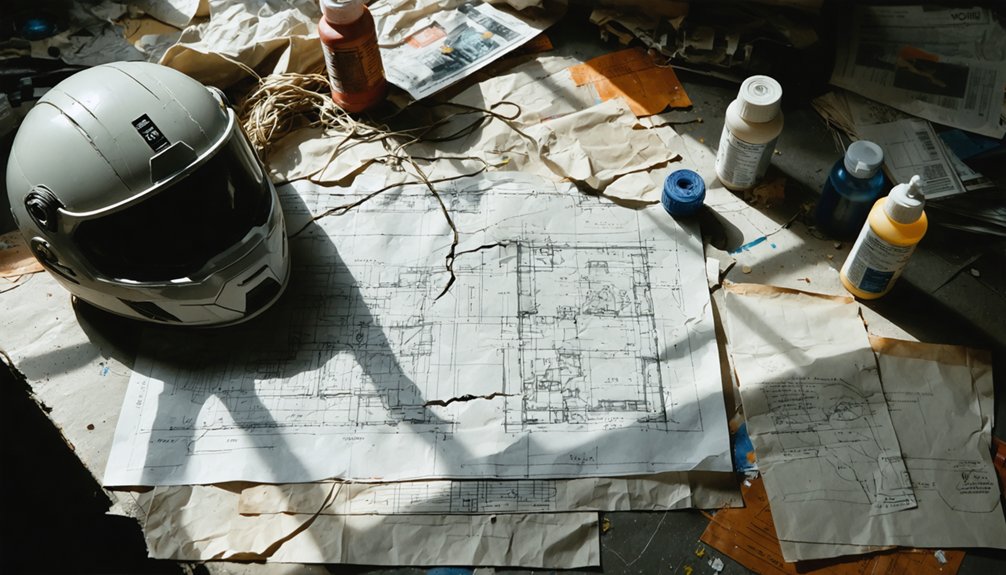
Even the most enthusiastic first-time cosplayers sabotage their builds by rushing into purchases before fully planning their costume—buying the wrong fabric yardage, duplicate notions, or materials that don’t suit the construction method.
Poor costume planning and weak budget estimation drain finances fast. Skipping skill assessment before character choice means you’ll tackle sewing techniques you haven’t mastered yet, destroying both materials and confidence.
Neglecting detail orientation causes missed accessories discovered too late. Weak time management compresses your project timeline, forcing rushed, low-quality work.
Scattered resource gathering wastes hours. Fix these mistakes by auditing your abilities honestly, researching material selection thoroughly, and mapping every build phase before spending a single dollar.
Disciplined preparation transforms overwhelming complexity into a clear, executable plan you’ll actually finish.
Frequently Asked Questions
How Do I Safely Store a Finished Cosplay Between Convention Events?
Like a trophy on display, you’ll protect your cosplay maintenance investment with smart storage solutions — hang garments on padded hangers, seal props in breathable bags, and store everything in a cool, dry, dust-free space!
Can I Wear My Cosplay on Public Transportation to Reach the Venue?
You can absolutely wear your cosplay on public transportation! Follow cosplay etiquette by keeping bulky props manageable and staying considerate of other passengers. These public transport tips guarantee you’ll arrive at your venue confidently and convention-ready!
What Should I Eat or Avoid Wearing Under a Full Cosplay Suit?
Wear moisture-wicking underclothing materials to boost comfort factors inside your full cosplay suit! You’ll want to avoid heavy cotton that traps heat. Eat light, hydrating foods beforehand—skip bloating triggers like carbonated drinks and salty snacks!
How Do I Handle Cosplay Repairs if Something Breaks Mid-Convention?
Your emergency kit is your lifeline! Pack adhesives, safety pins, and thread so you’re always ready. Master quick repair techniques like hot glue patches and tape fixes—you’ll conquer any costume crisis confidently mid-convention!
Should I Register My Cosplay With Convention Staff Before Competing?
Yes, you’ll want to register early! Review the convention’s competition guidelines thoroughly, complete the registration process before deadlines, and confirm all entry requirements with staff to maximize your chances of showcasing your innovative cosplay successfully!
References
- https://www.youtube.com/watch?v=30QOOcawuiU
- https://www.instructables.com/How-to-Make-a-Cosplay-Costume/
- https://www.youtube.com/watch?v=N0mgjI1hGWM
- https://www.kmoonmedia.com/cos-plan-tutorial
- https://www.youtube.com/watch?v=G-IZhhhahdM
- https://cosplayadvice.com/cosplay-for-beginners/
- https://www.kamuicosplay.com/startingwithcosplay/
- https://www.youtube.com/watch?v=YAfC89TbAeA
- http://www.seamsgeeky.com/?p=325
- https://cosplayerjourney.com/posts/how-to-plan-a-cosplay