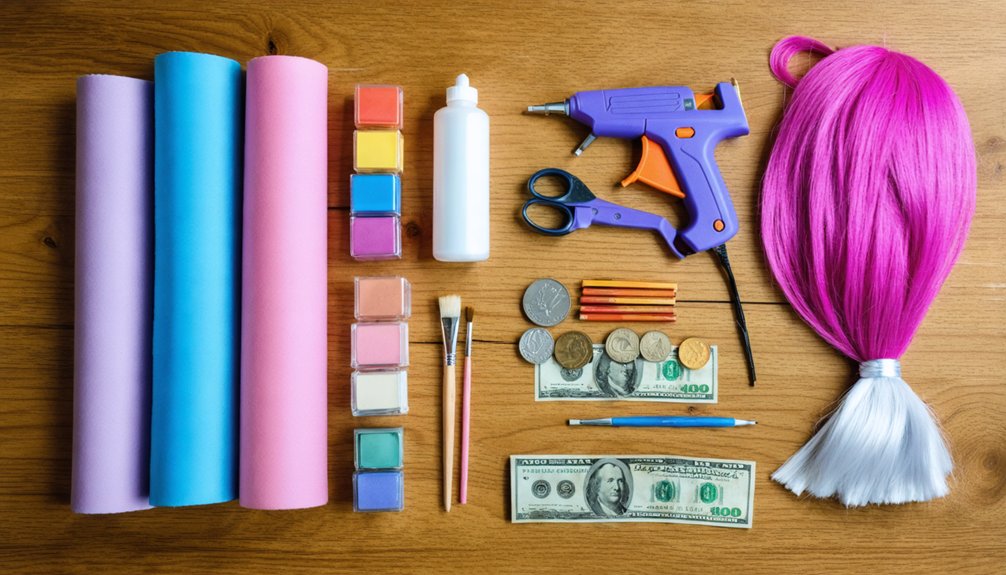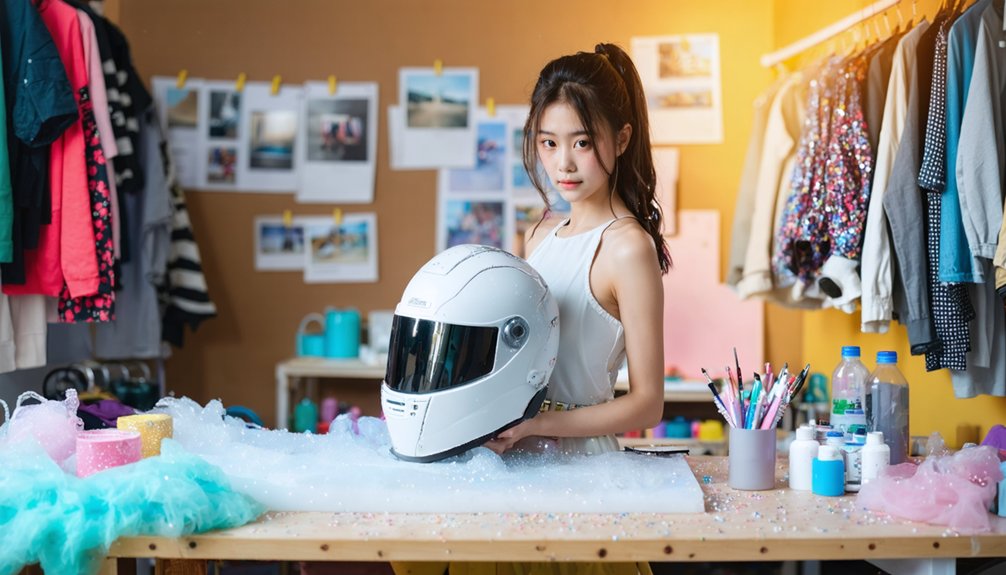
Starting cosplay begins with picking a character you genuinely love, then figuring out what components you’ll need — wig, makeup, clothing, shoes, and props. You don’t have to make everything yourself; you can sew, craft, or buy pieces depending on your budget and skill level. Plan ahead by gathering references, setting a realistic budget, and building a timeline. The tips ahead will walk you through every step of the process.
Key Takeaways
- Choose a character you genuinely connect with, considering outfit complexity that matches your current skill level and crafting abilities.
- A complete cosplay includes a wig, makeup, clothing, base layers, shoes, and props to fully capture the character.
- Decide whether to sew, craft, or buy components based on your budget, time constraints, and available skills.
- Gather multi-angle references, analyze construction details, set a realistic budget, and build a timeline with clear milestones.
- Join cosplay communities, watch tutorials, attend local events, and connect with experienced builders for mentorship and skill development.
Pick a Character You Actually Want to Cosplay
When it comes to cosplaying, your first and most important decision is choosing a character you genuinely love. Your personal connection drives motivation and authenticity throughout the entire creative process.
Start your character selection by exploring video games, anime, movies, or comics for design inspiration.
Begin your cosplay journey by drawing character inspiration from video games, anime, movies, or comic books.
Don’t overlook accessibility considerations — iconic features of some popular choices naturally align with your existing wardrobe, making entry easier.
Prioritize skill matching by selecting costumes that complement your current abilities.
A character whose outfit resembles everyday clothing allows wardrobe utilization without overwhelming technical demands.
Know What a Complete Cosplay Actually Includes
A complete cosplay is more than just a costume — it’s an ensemble of carefully selected components that work together to bring your character to life. Understanding your cosplay essentials upfront saves time, money, and frustration later.
Most complete builds include these core costume components:
- Wig – matches your character’s hair color and style
- Makeup – defines facial features and skin tone
- Clothing or armor – the foundational visual element
- Underwear/base layers – guarantees comfort and proper fit
- Shoes – often overlooked but critically visible
- Props – weapons, shields, or accessories that complete the look
You don’t need everything perfect immediately.
Prioritize the most recognizable elements first, then refine each component progressively.
Thinking in layers helps you build smarter, not harder.
Choose Your Path: Sewing, Crafting, or Buying
Every cosplayer eventually faces the same pivotal decision: sew, craft, or buy. Your character selection and cosplay styles heavily influence which path suits you best.
Sewing techniques reveal precise, custom-fitted garments tailored exactly to your design choices. If you’re comfortable with machines, start there.
Crafting materials like EVA foam, Worbla, and thermoplastics provide access to armor, props, and sculptural elements that fabric simply can’t achieve.
Buying options work brilliantly for beginners managing tight budget management or limited time. Commission pieces, purchase base garments, then modify them creatively.
Most experienced cosplayers combine all three approaches. Match your skill levels honestly to your ambitions.
A bought wig paired with handcrafted armor and sewn clothing creates stunning results without demanding mastery of every discipline simultaneously. Flexibility wins.
Research Your Character Before You Buy Anything
Before spending a single dollar, dive deep into your character’s visual identity. Character backstory exploration shapes every costume decision, from fabric texture to color accuracy. Visual reference collection prevents costly mistakes and last-minute compromises.
Build your research foundation using these three steps:
- Gather multi-angle references — screenshots, official artwork, and fan illustrations reveal details photos alone miss.
- Study character history — different story arcs introduce alternate costumes worth considering for your build.
- Analyze construction details — identify seams, materials, and hardware before purchasing anything.
Once you’ve compiled thorough references, you’ll shop smarter, craft with intention, and avoid expensive do-overs.
Strong research transforms guesswork into a clear, executable roadmap that keeps your budget and timeline firmly on track.
Set a Realistic Cosplay Budget and Timeline
With your reference folder packed and your construction details mapped out, it’s time to get honest about money and time. Use cost estimation strategies by pricing every component—wig, fabric, foam, paint, accessories—before purchasing anything.
Seek budget-friendly materials through wholesale suppliers, thrift stores, and community swaps.
Build unexpected expenses planning into your total by reserving 15–20% as a buffer. Prioritize essential components first, then apply adjusting budget allocations toward decorative details once core pieces are funded.
For timeline management tips, reverse-engineer your deadline, assigning weekly milestones on a calendar. Incorporate timeline flexibility strategies by padding complex construction phases with extra days.
Use tracking progress efficiently through a simple checklist or project app, keeping every task visible and accountable so nothing derails your debut costume.
Build Your First Cosplay Step by Step
Building your first cosplay doesn’t have to feel overwhelming if you break it into deliberate, manageable steps. Start with strong character selection—choose someone whose design genuinely excites you and matches your current skill level.
- Gather design inspiration from multiple reference angles—screenshots, fan art, and official artwork—to understand every detail before purchasing or crafting anything.
- Build from your existing wardrobe first, identifying pieces that already resemble your character’s look, then target only the missing components.
- Conduct a full dress rehearsal before your event, testing comfort, mobility, and makeup reactions on your skin.
Each step compounds the previous one, creating momentum rather than chaos. Treat every construction decision as a creative problem worth solving precisely and intentionally.
Test Your Cosplay and Fix Problems Before the Event
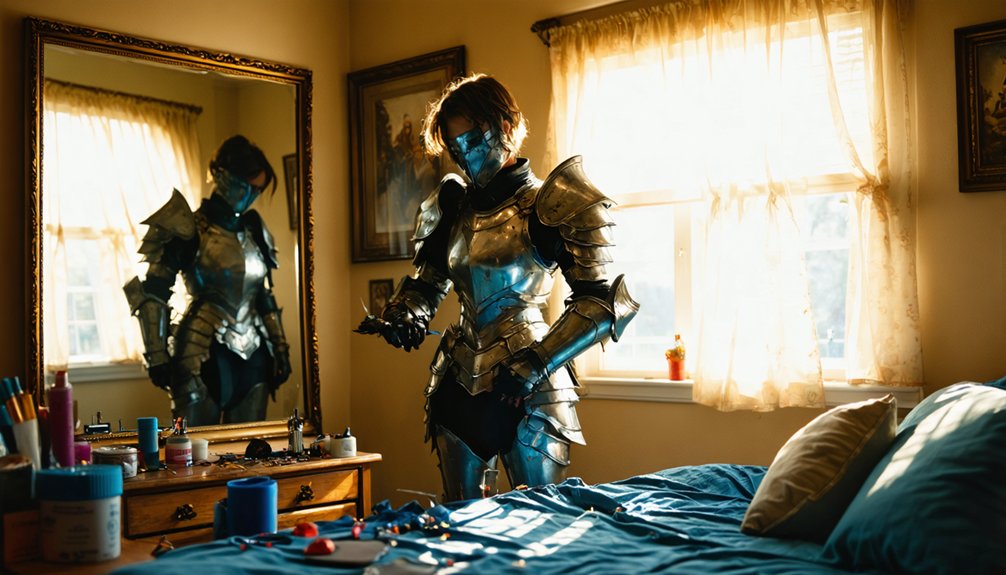
A full dress rehearsal separates a polished cosplay from one that falls apart at the event. Put on every piece of your costume fitting together — wig, shoes, armor, props — and move around deliberately.
Sit, walk, pose, and test your range of motion. You’ll quickly discover what needs adjusting before it becomes a public problem.
For makeup testing, apply your full look at least one week ahead. Check for allergic reactions, color accuracy under different lighting, and wear time.
Time how long application takes so you’re not rushing on event day.
Document problems immediately and fix them systematically. Reinforce weak seams, secure loose accessories with stronger adhesives, and pad uncomfortable areas.
A thorough rehearsal transforms uncertainty into confidence, letting you embody your character completely when it matters most.
Find Your Cosplay Community Online and In Person
Once you’ve tested your cosplay and feel confident, it’s time to connect with others who share your passion — both online and in your local area.
Join Facebook groups, Reddit communities, and Discord servers dedicated to cosplay where you can share progress photos, ask for advice, and find inspiration from experienced cosplayers.
Locally, attend conventions, club meetups, and charity events to build real-world friendships, find collaboration opportunities, and fully immerse yourself in the cosplay culture.
Online Cosplay Communities
Where you find your cosplay community can be just as transformative as the costume you build. Social media platforms and cosplay forums connect you with creators worldwide who share character inspiration, swap techniques, and push creative boundaries together.
Three essential ways to engage online:
- Join active cosplay forums and social media groups — participate in cosplay challenges, costume swaps, and skill sharing threads that accelerate your learning.
- Study online tutorials from experienced cosplayers — platforms like YouTube and TikTok offer detailed breakdowns covering EVA foam, sewing, and prop construction.
- Attend virtual meetups — these structured events let you network, showcase works-in-progress, and receive direct feedback from seasoned builders.
Consistent engagement transforms casual browsing into genuine mentorship, keeping your creativity sharp and your projects moving forward.
Local Cosplay Events
Don’t overlook local events specifically organized for photo opportunities — professional photographers frequently attend, giving your costume the dramatic showcase it deserves.
Search Facebook, Meetup, and local convention websites to discover events happening near you right now.
Use These Resources To Keep Getting Better

As you refine your cosplay skills, tapping into the wealth of community resources available will accelerate your progress considerably. Consistent skill development requires intentional learning through proven improvement strategies.
Refining your cosplay craft demands intentional learning and tapping into proven community-driven strategies that accelerate meaningful skill development.
- YouTube & TikTok Tutorials – Watch step-by-step videos covering EVA foam work, armor construction, and advanced sewing techniques from experienced cosplayers.
- Cosplay Crafting Books – Reference specialized guides focusing on sewing, prop-making, armor building, and professional-grade painting techniques.
- Facebook Groups & Clubs – Join active communities where members share work-in-progress projects, honest feedback, and innovative construction methods.
Beyond digital resources, attend conventions, photoshoots, and competitions to benchmark your progress against skilled creators.
These environments inspire creative breakthroughs while connecting you with mentors who’ll push your craft forward.
Frequently Asked Questions
Can Beginners Compete in Cosplay Competitions at Their First Convention?
Yes, you can absolutely compete at your first convention! Don’t hesitate—embrace these competition tips: practice your poses, refine your costume, and showcase your creativity. Judges appreciate passion and innovation, so you’ve got nothing to lose!
How Do You Handle Negative Comments About Your Cosplay in Public?
Maintain a positive mindset by embracing constructive criticism and ignoring negativity. You’ve crafted something unique, so don’t let others dim your creativity. Focus on your passion, connect with supportive communities, and keep innovating your cosplay journey confidently.
Is It Disrespectful to Cosplay Characters From Cultures Different Than Yours?
It’s not disrespectful when you approach it as cultural appreciation rather than mockery. You can achieve respectful representation by researching the culture deeply, honoring its significance, and celebrating the character’s authentic essence thoughtfully.
What Should You Do if Someone Copies Your Original Cosplay Design?
Your creativity fuels a thousand imaginations! If someone copies your original cosplay, you should document your design protection timeline, share your process publicly, celebrate being a cosplay inspiration, and embrace imitation as the sincerest form of flattery.
How Do You Safely Store and Transport Finished Cosplay Costumes?
Store your finished pieces using breathable garment bags and labeled bins for solid costume care. Follow smart transport tips by padding props, disassembling armor, and rolling soft fabrics to prevent wrinkles—you’ll arrive convention-ready every time!
References
- https://www.arrowsewing.com/blog/cosplay-101
- https://www.kamuicosplay.com/startingwithcosplay/
- https://www.backstage.com/magazine/article/how-to-cosplay-76975/
- https://www.youtube.com/watch?v=hsbF0Pt_Ahc
- https://blahmage.com/guide-to-cosplay-for-beginners/
- https://www.saberforum.com/index.php?topic=27637.0