To predict the next trending cosplay character, you’ll want to track upcoming release calendars, monitor social platforms like TikTok and Reddit for early fan art and discussion spikes, and watch franchise revivals generating nostalgic buzz. Characters with strong visual identities, cultural resonance, and evolving storylines consistently dominate convention floors. Cross-reference these signals monthly using tools like the Cosplanner app to catch momentum before it peaks. Stick around and you’ll uncover exactly how to build a system that stays ahead of every trend.
Key Takeaways
- Track anime premiere schedules and major film release dates, as late releases signal strong cosplay momentum for the following year.
- Monitor TikTok, Instagram, and Reddit for rising fan art, discussion threads, and character speculation within active communities.
- Use the Cosplanner app to identify which characters fans are actively planning before major conventions.
- Prioritize characters with strong cultural relevance, distinctive visual identities, and evolving narratives that inspire creative investment.
- Cross-reference social metrics, release calendars, and community planning data monthly to identify high-probability trending characters.
Why Some Cosplay Characters Trend While Others Fade
When a major franchise drops a new release, it can instantly catapult certain characters into cosplay stardom—while others quietly fade into obscurity.
You’ll notice that character evolution plays a decisive role—characters who grow, transform, or surprise audiences generate sustained cosplay momentum. Think of how Squid Game season 2 revived heroine-driven costumes or how Moana 2 reignited interest in bold, expressive looks.
Cultural influences matter equally. Characters rooted in resonant storytelling, distinctive aesthetics, or social conversation naturally dominate convention floors.
Meanwhile, flat or forgettable characters struggle to inspire creative investment.
You can predict staying power by asking: Does this character reflect current cultural conversations? Do they offer visual versatility?
If the answer’s yes, they’re likely trending—not just today, but well into the next convention season.
Which Release Calendars Best Predict Cosplay Trends
Tracking the right release calendars transforms cosplay trend prediction from guesswork into strategy. You’ll want to monitor anime premiere schedules, major studio film release dates, and video game launch windows simultaneously.
Late 2024 releases like Squid Game Season 2 and Moana 2 already signal strong 2025 cosplay momentum, proving that cross-referencing entertainment calendars reveals patterns before conventions arrive.
Prioritize franchise revivals alongside new properties. The How to Train Your Dragon live-action remake taps nostalgic audiences while introducing younger cosplayers to Viking aesthetics.
You’re fundamentally reading cultural appetite through scheduled content drops.
Use tools like the Cosplanner app to cross-reference these release calendars against community planning behavior. When multiple high-profile releases cluster within months, expect accelerated trend prediction cycles and heightened competition for standout character interpretations.
How Upcoming Movies Drive Cosplay Surges
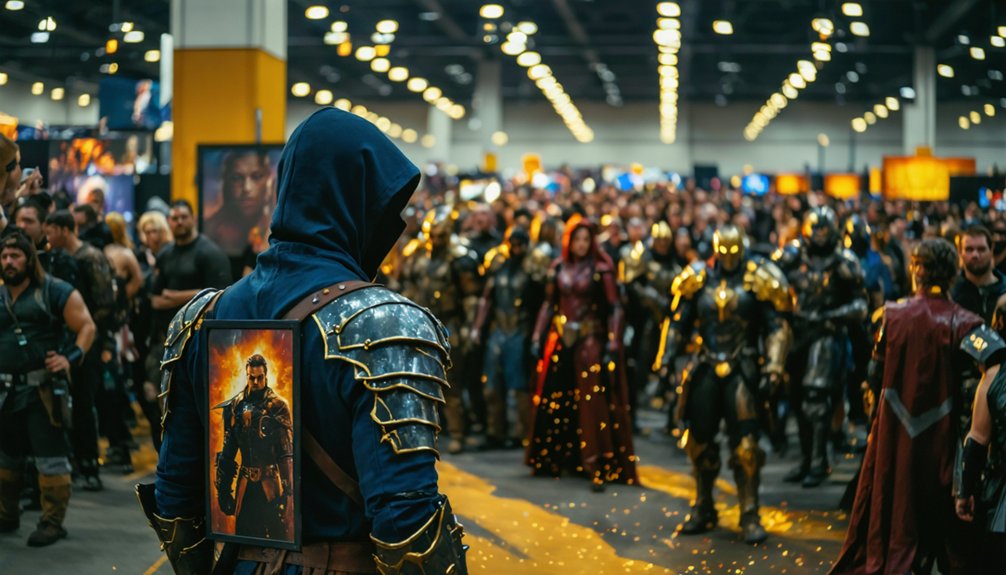
When you track major film release calendars, you’ll spot cosplay surges before they happen. Franchise revivals like the *How to Train Your Dragon* live-action remake are already generating Viking-inspired costume momentum, pulling energy from the property’s 2010s fanbase into a new generation of builders.
You can apply the same logic to anticipated sequels and reboots—the bigger the franchise footprint, the stronger the cosplay wave that follows its announcement.
Anticipating Major Film Releases
Major film releases are one of the strongest predictors of cosplay surges, so you’ll want to track upcoming titles well before they hit theaters. Film anticipation builds months ahead of release, giving you time to identify breakout characters and prepare accordingly.
Character speculation starts early in fan communities, particularly around franchises with established cosplay histories. Monitor announcements for live-action revivals like *How to Train Your Dragon*, which carry built-in nostalgia and introduce characters to newer generations.
Late 2024 releases like *Moana 2* and *Squid Game* Season 2 are already shaping 2025 cosplay projections. By analyzing pre-release buzz, cast reveals, and trailer reactions, you can accurately forecast which characters will dominate convention floors before the general cosplay community catches on.
Franchise Revivals Boost Cosplay
Watch for these revival indicators:
- Legacy franchises returning after decade-long gaps
- Animation-to-live-action adaptations reshaping character aesthetics
- Viking-inspired costumes crossing into renaissance faire culture
- Multi-generational fandoms reigniting through updated storylines
These signals compound your trend predictions considerably.
When a revived franchise generates cross-cultural momentum—spilling beyond conventions into broader themed events—you’re witnessing a cosplay surge worth tracking early and strategically.
Why Late Releases Like Squid Game Season 2 Still Drive Trends
Late releases carry surprising weight in the cosplay world because they compress hype and creative energy into the months that matter most—right before convention season ramps up.
When Squid Game Season 2 dropped late in 2024, it didn’t lose momentum—it redirected it. You’re watching character dynamics play out in real time across social platforms, fan forums, and cosplay planning apps, all feeding into 2025’s most-anticipated builds.
Late entries also benefit from trend longevity that earlier releases can’t always sustain. The cultural conversation stays fresh, meaning you’ve got more time to refine your costume before it peaks.
If you’re tracking what’ll dominate convention floors, pay close attention to what dropped in Q4—those releases often carry the strongest cosplay energy into the following year.
Why Anime and Superhero Franchises Dominate Cosplay Trends
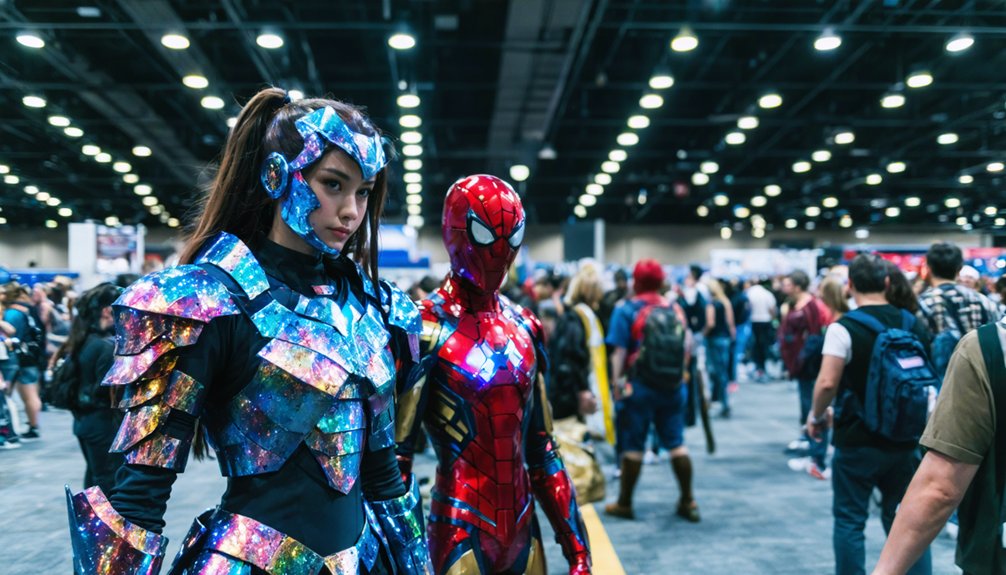
When predicting cosplay trends, you’ll notice that anime and superhero franchises consistently dominate because they’ve built decades of deeply loyal fanbases that treat cosplay as a cultural ritual, not just a hobby.
Franchises like Naruto, My Hero Academia, and the Marvel and DC universes churn out iconic characters with distinct visual identities, making them natural choices for cosplayers who want immediate recognition on the convention floor.
Understanding whether anime or superhero properties lead in any given year comes down to tracking media release cycles, since a blockbuster superhero film or a hit anime season can instantly shift the balance.
Franchise Loyalty Drives Trends
Franchise loyalty is one of the strongest predictors of cosplay trends, and anime and superhero universes prove this year after year. When you track character evolution across long-running properties, patterns emerge that reveal which costumes will dominate convention floors.
Franchises sustaining cosplay momentum share key traits:
- Narrative depth that rewards longtime fans with layered, evolving characters
- Visual reinvention through new arcs, alternate costumes, or reboots
- Community investment in properties like Naruto, My Hero Academia, and Spider-Man
- Cross-generational appeal that recruits new cosplayers while retaining veterans
You’ll notice these franchises don’t just maintain relevance — they actively expand it.
Sailor Moon, Dragon Ball, and Marvel consistently generate cosplay surges because franchise loyalty transforms casual viewers into dedicated costume creators every time new content drops.
Iconic Characters Inspire Cosplayers
Beyond franchise loyalty itself, it’s the iconic characters living inside those franchises that convert interest into action. When you study cosplay trends, you’ll notice that iconic inspirations consistently emerge from characters with layered identities — Sailor Moon’s distinct personalities, My Hero Academia’s hero-villain duality, or Steven Universe’s vibrant creativity.
Character evolution matters enormously here. Characters that grow, transform, or morally complicate themselves attract cosplayers who want expressive range, not static representation.
Think Goku’s decades-long power progression or Harley Quinn’s shift from villain to antihero — both reward cosplayers with multiple interpretive options.
You’re not just tracking popularity when predicting trends; you’re identifying which characters carry enough cultural depth to inspire personal investment.
That depth separates momentary fascination from sustained cosplay momentum worth forecasting.
Anime Versus Superhero Dominance
Anime and superhero franchises don’t just dominate cosplay trends by accident — they’ve built self-reinforcing ecosystems that continuously generate new characters, story arcs, and media touchpoints.
When you track what drives their staying power, patterns emerge:
- Anime aesthetics offer visually distinct designs that translate powerfully into wearable costumes.
- Superhero powers inspire elaborate builds, prop-making, and technical craftsmanship.
- Franchises like My Hero Academia and *Naruto* release content across manga, anime, and games simultaneously.
- Marvel and DC sustain visibility through interconnected film and streaming cycles.
You’ll notice these franchises rarely experience true downtime.
New seasons, crossover events, and reboots constantly refresh audience engagement.
That perpetual momentum makes both categories reliable predictors when you’re forecasting which characters will surge at upcoming conventions.
Track Social Data Before a Cosplay Character Peaks

Tracking social data before a cosplay character peaks gives you a competitive edge in spotting trends early. Monitor platforms like TikTok, Instagram, and Reddit for spikes in fan art, discussion threads, and costume builds.
Social media influence accelerates character evolution, transforming obscure picks into convention staples practically overnight.
Tools like the Cosplanner app let you track which characters gain planning traction before major events hit. Watch for momentum surrounding late 2024 releases like Squid Game Season 2, since sustained online buzz reliably predicts 2025 cosplay surges.
Upcoming revivals, such as the live-action How to Train Your Dragon, generate measurable pre-release engagement worth monitoring.
Act on data signals early, and you’ll build standout costumes while others are still catching up.
Villain Costumes vs. Heroes: What Trends Faster?
When it comes to cosplay trends, villain costumes frequently outpace hero counterparts in viral momentum. Villain appeal drives stronger engagement because darker aesthetics create visual contrast that stands out in convention halls and social feeds.
Meanwhile, hero aesthetics often feel familiar, reducing their surprise factor.
You’ll notice these patterns accelerating villain trends:
- Moral complexity makes characters like Harley Quinn and Joker endlessly reinterpretable
- Bold color palettes and dramatic silhouettes photograph more dynamically
- Anime franchises like Naruto and My Hero Academia offer compelling villain designs rivaling heroes
- Hero-villain duality lets cosplayers subvert expectations creatively
Tracking which villains dominate quiz results and convention floors helps you anticipate surges before they peak.
Villain momentum builds faster, but understanding both sides sharpens your trend predictions considerably.
How Personality and Character Traits Determine Cosplay Longevity

Characters with layered personalities outlast trend cycles because cosplayers return to them repeatedly for creative reinterpretation. When you’re evaluating cosplay evolution, prioritize characters whose motivations contain contradictions — heroes with moral ambiguity or villains with genuine vulnerability. These character dynamics create interpretive space that flat archetypes simply can’t offer.
Consider how Sailor Moon’s distinct sailor guardians each carry unique emotional registers, giving you multiple entry points across years.
Similarly, My Hero Academia’s characters balance idealism against personal trauma, fueling sustained creative engagement.
You should also track how personality quizzes and franchise communities actively resurface characters through shared identification. When audiences see themselves in a character’s complexity, cosplay interest compounds rather than fades.
Longevity isn’t accidental — it’s structurally embedded in how richly a character is written.
Build a Cosplay Trend Prediction System That Actually Works
Understanding which characters carry long-term creative weight gives you the foundation, but turning that insight into consistent predictions requires a structured system.
Combine release calendars, social metrics, and cosplay psychology to anticipate surges before they peak.
Build your framework around these four tracking pillars:
- Monitor upcoming releases across anime, film, and gaming simultaneously
- Track character adaptation potential — costumes with distinct silhouettes trend harder
- Analyze Cosplanner app data for early community interest signals
- Watch franchise revivals like How to Train Your Dragon for nostalgia-driven spikes
Cross-reference each pillar monthly.
When multiple signals align — a major release plus strong character adaptation possibilities plus rising social mentions — you’ve identified a high-probability trend.
Consistency in applying this system separates reactive cosplayers from those who set the cultural curve.
Frequently Asked Questions
Which Cosplay Apps Best Standardize Character Selection Beyond Mental Simulation Processes?
You’ll find Cosplanner standardizes character selection beyond mental simulation by tracking character popularity through real data inputs. Its app functionality lets you visualize costumes like Spider-Gwen, replacing guesswork with analytical, trend-driven, culturally-informed decision-making for innovative cosplay planning.
How Do Renaissance Faire Trends Differ From Traditional Convention Cosplay Character Choices?
At renaissance faires, you’ll embrace historical and fantasy-inspired Renaissance aesthetics over pop culture icons. Unlike convention cosplay, the Cosplay community there favors Viking, medieval, and mythological figures—trends currently surging thanks to How To Train Your Dragon’s live-action revival.
Can Personality Quizzes Accurately Predict Which Cosplay Character Suits You Best?
Quizzes gauge your personality, match your vibe, and reveal your character alignment—but quiz accuracy isn’t perfect. They’ll point you toward iconic choices like Naruto or Pokémon characters, helping you discover cosplay fits you’d never have considered.
How Does the Cosplanner App Visualize Characters Like Spider-Gwen for Users?
The Cosplanner app lets you input characters like Spider-Gwen for character visualization, simulating mental feasibility through user engagement. You’ll actively evaluate costume concepts, standardizing your selection process and transforming abstract cosplay ideas into structured, trend-driven planning decisions.
Do 2010S Revival Properties Attract New Generations or Only Nostalgic Original Fans?
Like a torch passed between generations, 2010s revivals carry generational appeal beyond nostalgia impact. You’ll find both audiences engage actively — original fans relive memories while new generations discover fresh entry points through live-action reimaginings like *How to Train Your Dragon*.
References
- https://carboncostume.com/cosplay-predictions-for-2025/
- https://mjtrends.com/blog/2023/02/choosing-a-cosplay-character/
- https://www.youtube.com/watch?v=qLFOulYGh_A
- https://www.lemon8-app.com/@ahotkuroneko/7460191720546812462?region=us
- https://play.howstuffworks.com/quiz/which-anime-character-should-you-cosplay