Staying comfortable in cosplay all day starts with a costume that fits well and moves freely. Distribute armor weight across harnesses and hip belts, not just your shoulders. Choose breathable fabrics like cotton or linen, and break in your footwear before the event. Apply anti-chafe products early, set hydration reminders every 30–45 minutes, and pack cooling tools for peak heat hours. Every section below goes deeper on exactly how to pull it off.
Key Takeaways
- Ensure your costume fits well and distributes weight evenly using straps, harnesses, and padded belts to prevent strain and fatigue.
- Choose natural fabrics like cotton or linen and add mesh panels in hidden areas to improve breathability and airflow.
- Break in cosplay shoes before the event and add gel inserts to prevent blisters and foot fatigue.
- Apply anti-chafe products to friction-prone areas, use cooling vests or pads, and set hydration reminders every 30–45 minutes.
- Pack a small bag with essentials like cooling strips, repair kits, anti-chafe products, and backup base layers for quick relief.
Choose a Cosplay That Actually Fits and Moves
Before anything else, your costume needs to fit your body and allow you to move freely. A design that locks you into one position will drain your energy within hours, especially when you’re navigating crowded convention floors, managing cosplay accessories, or stopping for photos.
Prioritize shoulder, chest, waist, and hip mobility when selecting or adjusting your build. If a piece restricts your arm or leg range of motion, redesign it before the event.
Distribute armor weight across straps and padding rather than letting your shoulders carry everything alone.
Cut unnecessary bulk and layers wherever possible. You’ll also thank yourself later when makeup application doesn’t get complicated by a costume that’s too tight around your face or neck to wear comfortably for hours.
Distribute Armor Weight So Your Shoulders Don’t Pay for It
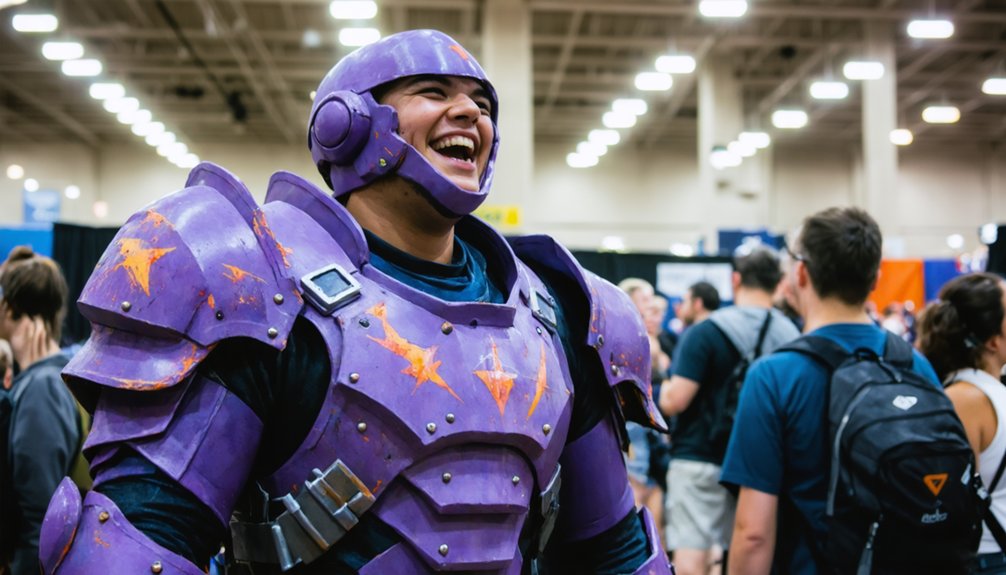
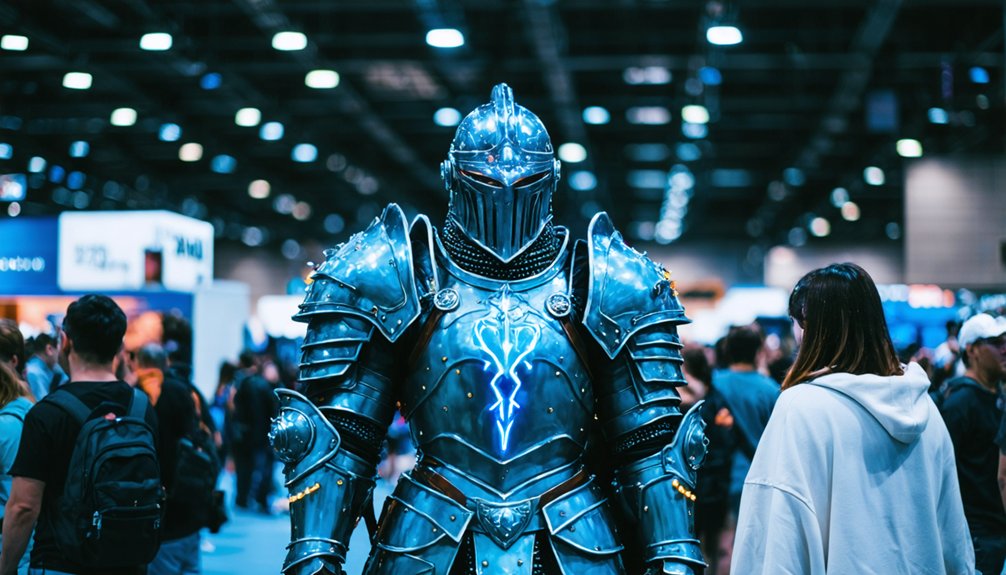
Heavy armor pieces that sit entirely on your shoulders will grind you down fast, so spread the load across your whole upper body using straps, harnesses, and padded supports instead. Chest rigs and cross-body harnesses redistribute weight evenly, preventing the concentrated pressure that builds into real pain after a few hours.
When designing or selecting cosplay accessories like pauldrons, backplates, or chest pieces, anchor them to multiple points rather than one. Padded waistbands and hip belts carry significant weight independently, pulling load away from your upper body entirely.
Even costume color choices affect weight decisions — darker, heavier fabrications absorb more heat and often require denser construction, so factor material density into your structural planning.
Smart distribution keeps you moving confidently throughout the entire event.
Pick Breathable Fabrics That Won’t Cook You in a Crowd
Your fabric choices directly affect how hot you run over a long convention day, so reach for natural materials like cotton, linen, or mesh that allow sweat to evaporate instead of trapping it against your skin.
Avoid fully synthetic, sealed, or layered constructions that lock in heat, especially under armor or heavy outer pieces.
When layers are necessary, keep each one lightweight and loose enough to create small air gaps that help circulate airflow rather than block it.
Natural Fabrics Breathe Best
When you’re packed into a crowded convention hall, the fabric against your skin determines whether you stay cool or overheat within the first hour. Natural fibers regulate temperature far better than synthetics, making them the smartest foundation for any build.
Choose these materials to protect your comfort and your cosplay makeup:
- Cotton pulls moisture away from skin, preventing the sweat buildup that ruins costume accessories and causes chafing during peak crowd hours.
- Linen stays remarkably cool under layered pieces, reducing heat retention when ventilation isn’t possible.
- Silk offers lightweight insulation that adapts to shifting venue temperatures without adding bulk.
Swapping synthetic base layers for natural alternatives costs little but delivers immediate, measurable relief that lasts the entire convention day.
Avoid Heat-Trapping Materials
Knowing which fabrics work in your favor is only half the equation—you also need to know which ones work against you. Synthetic materials like polyester, nylon, and faux leather act as costume insulation, trapping body heat instead of releasing it. That effect compounds over hours, turning a manageable costume into an exhausting one.
Avoid fully sealed designs that block airflow entirely. Even heat resistant fabrics struggle when a costume has no ventilation gaps or openings. Foam armor, rubber suits, and thick layered builds are the biggest offenders—they hold heat close to your skin with no exit point.
Whenever your character design allows it, swap heat-retaining materials for lighter alternatives. Small construction changes markedly reduce thermal buildup without compromising your overall look.
Layer Light for Airflow
Once you’ve cut the heat-trapping materials, the next step is choosing fabrics that actively work with your body. Smart layering keeps airflow moving while supporting your costume color coordination and fitting naturally into your event scheduling.
Use these three fabric strategies to stay cool without sacrificing your look:
- Choose cotton or linen base layers — they wick moisture and breathe freely under armor or heavier pieces.
- Add mesh panels in hidden zones — underarms, side seams, and back panels allow heat to escape without disrupting your design.
- Use silk for visible top layers — it’s lightweight, temperature-regulating, and elevates your aesthetic.
Lighter layering means longer endurance, sharper focus, and more energy for everything the event demands.
Break In Your Cosplay Footwear Before the Event
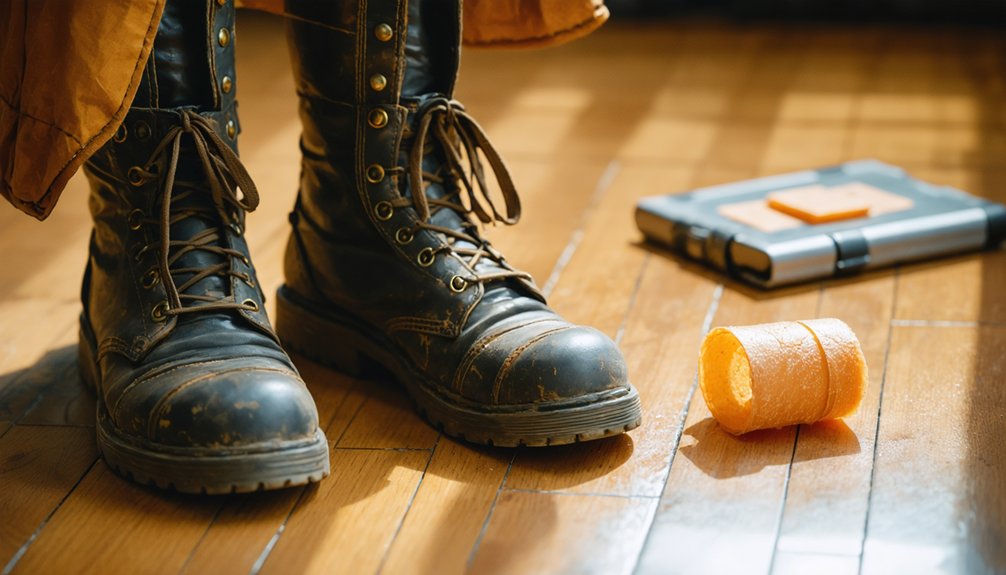
Breaking in your cosplay footwear before the event is one of the simplest ways to prevent blisters, hotspots, and foot pain that can derail an otherwise great convention day. Wear your costume shoes during short errands, practice walks, or photo sessions at home to soften stiff materials and identify pressure points early.
Footwear ergonomics matter more than aesthetics when you’re covering miles of convention floor, so prioritize cushioning and arch support when making shoe styling considerations. Add gel inserts to boots, heels, or structured footwear to extend comfort without altering the visual design.
If the shoes still feel problematic after breaking them in, pack a backup pair for downtime. Your feet carry the entire experience, so don’t leave their comfort to chance.
Cool Down Fast With Portable Heat Management Tools
Heat builds fast inside armor, wigs, and layered costumes, so having the right cooling tools on hand keeps you functional throughout a full convention day. Smart thermal regulation means pairing the right cooling accessories with your specific costume demands before overheating forces you off the floor.
- Clip a small portable fan inside helmets or mascot heads to actively push hot air out and pull cooler air in.
- Wear a phase-change cooling vest under heavy armor so your core temperature drops fast during intense heat spikes.
- Apply adhesive cooling pads to your neck, wrists, and lower back for targeted relief that instantly cuts through rising body heat.
Carry water alongside these tools so your thermal regulation strategy works completely.
Stop Cosplay Chafing Before It Starts

Chafing starts at predictable spots—your inner thighs, underarms, and anywhere costume seams press repeatedly against skin.
Before you leave for the event, apply an anti-chafe balm, stick, or powder to each of these friction points.
Getting ahead of the irritation means you won’t spend the afternoon distracted by burning skin instead of enjoying the event.
Identify Common Friction Points
After a few hours on the convention floor, friction points that seemed minor at the start of the day can turn into serious discomfort. Your body moves constantly, and certain zones take the brunt of that repetitive motion.
Target these high-risk areas before you leave home:
- Inner thighs — fabric and costume accessories like belts or straps create relentless rubbing with every step you take.
- Underarms — seams, armor edges, and costume color choices that require darker, thicker fabric trap heat and accelerate irritation.
- Heel and toe edges — costume footwear prioritizes appearance over function, making blisters almost inevitable without intervention.
Identifying these zones early lets you apply anti-chafe products, padding, or liners strategically, stopping pain before it sidelines your entire day.
Apply Anti-Chafe Products
Once you’ve mapped out your friction points, protecting them comes down to one straightforward step: apply an anti-chafe product before you put your costume on. Body Glide, anti-chafe balms, or silicone-based creams create a protective barrier that reduces rubbing before irritation starts.
Target your thighs, underarms, waistline, and any spot where costume seams or armor edges press against skin. Adjusting costume fit can minimize some friction, but product application handles what construction can’t fully solve. Reapply mid-day if you’re sweating heavily or wearing multiple layers.
When choosing breathable accessories like mesh panels or lightweight liners, pair them with anti-chafe coverage for maximum protection. Together, they address both airflow and friction simultaneously, keeping you comfortable through long wear without requiring constant adjustments throughout the event.
Drink on a Schedule, Not When You’re Already Thirsty
Thirst is already a sign that your body is behind on fluids, so don’t wait for it to kick in before you drink.
Convention floors are hot, crowded, and physically demanding—your cosplay makeup and costume accessories won’t matter if you’re lightheaded by noon.
Build hydration into your schedule proactively:
- Set a timer every 30–45 minutes as a drink reminder, regardless of how you feel.
- Front-load your intake before putting on your costume—starting hydrated keeps you ahead all day.
- Keep water accessible, not buried under costume accessories or in a bag you can’t reach easily.
Skip caffeine and alcohol during event hours. Water is your smartest performance tool, and consistency beats catching up every time.
Pack These Comfort Essentials Before You Leave for the Convention
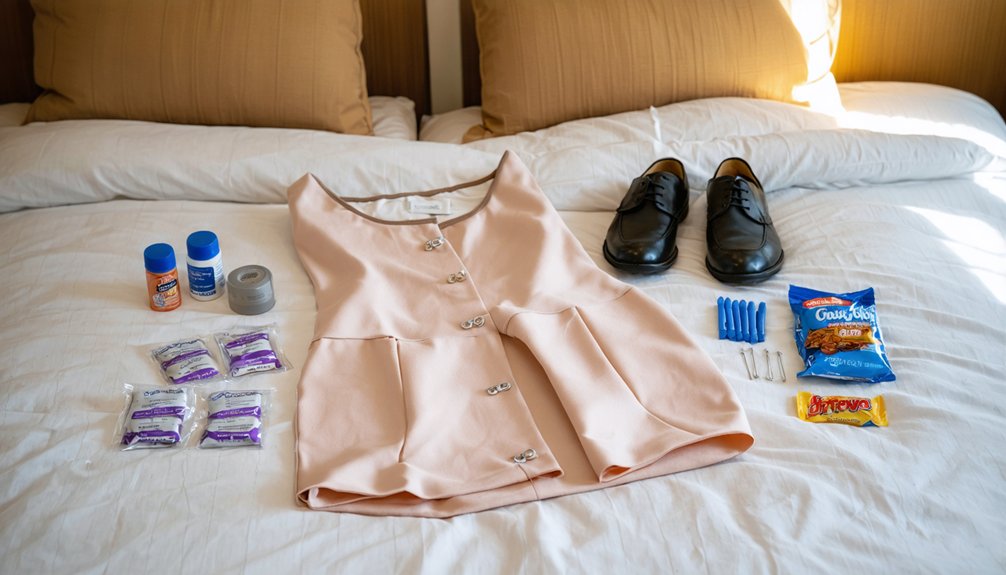
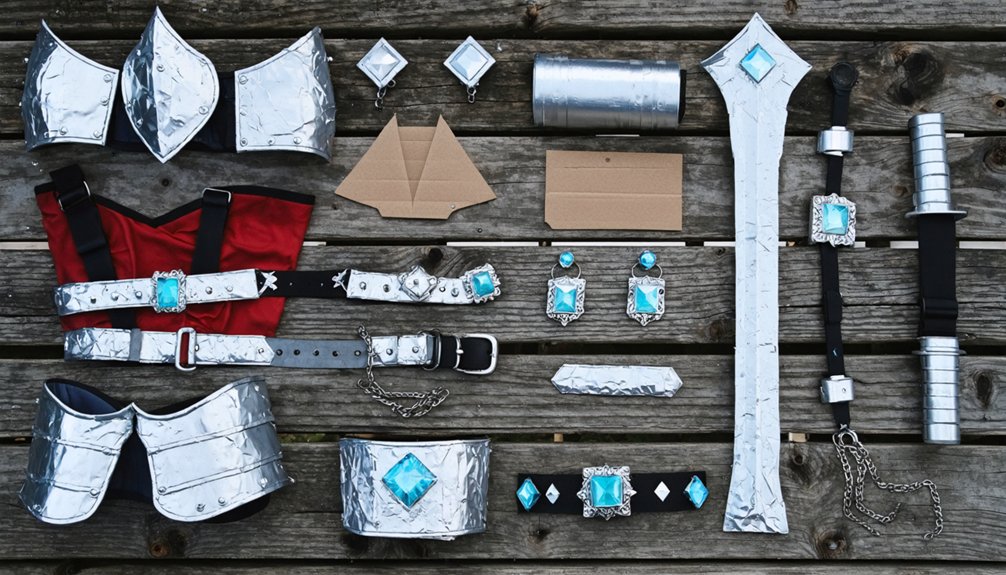
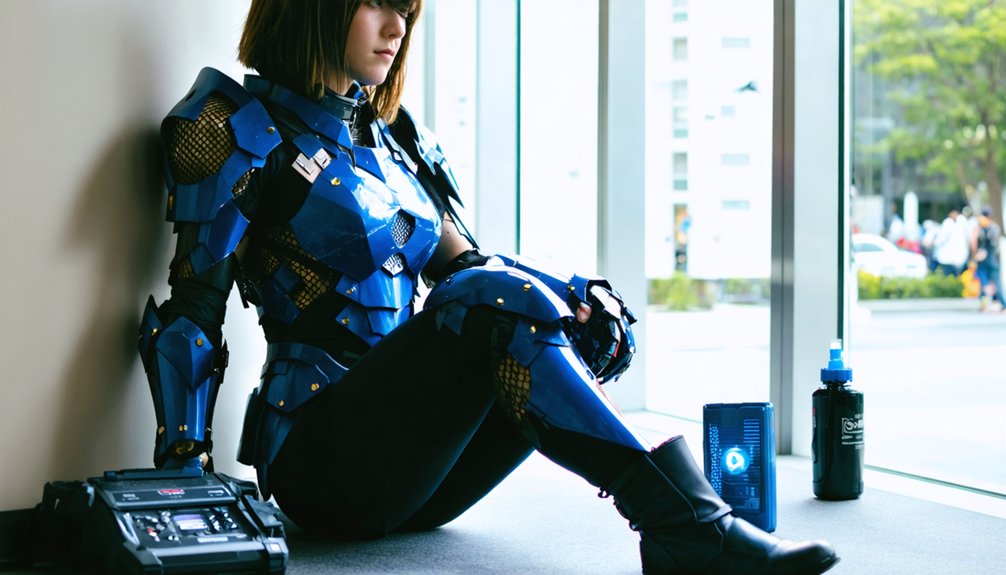
Everything you need to stay comfortable at a convention fits in a small bag if you pack with intention. Bring anti-chafe products, gel insoles, cooling pads, safety pins, and a small repair kit to protect both your body and costume durability throughout the day. Tuck adhesive cooling strips into a pouch for quick access during peak heat hours.
Accessory placement matters more than most cosplayers realize. Position your essentials strategically — cooling packs near your neck, repair supplies in a hip pouch, and water within arm’s reach. Don’t leave backup base layers behind; they’re your reset option when the first layer wears out.
A well-packed bag isn’t extra weight — it’s the system that keeps you on the convention floor longer.
Frequently Asked Questions
Can I Wear My Cosplay on Public Transportation to the Event?
You can wear your cosplay on public transportation! Pack compact cosplay accessories separately to avoid damage, and keep makeup adjustments simple until you arrive, ensuring you’re fresh and comfortable before your event begins.
How Do I Stay Comfortable During Outdoor Convention Areas or Parking Lots?
You’ll melt into a puddle without smart cooling solutions! Pack ice packs, wear breathable layers, and take shaded breaks. Your footwear choices matter too—cushioned, broken-in shoes’ll save you from agonizing miles across scorching pavement.
Should I Sleep in My Cosplay the Night Before for Convenience?
Don’t sleep in your cosplay for costume convenience—it’ll wreck your comfort before the event starts. Cosplay sleep ruins fabric, causes wrinkles, and creates pressure points. Change into it fresh the morning of instead.
How Do I Handle Cosplay Comfort When Sharing a Hotel Room?
Coordinate your cosplay wardrobe and costume adjustments with roommates by designating specific spaces for gear. You’ll reduce chaos by scheduling prep times, storing cooling tools accessibly, and keeping repair supplies organized so everyone stays comfortable and convention-ready.
Can I Modify a Rented or Borrowed Cosplay for Better Comfort?
Over 60% of cosplayers report discomfort from borrowed pieces. You can improve fit using reversible costume layering techniques and breathable cosplay fabric choices like cotton liners—without permanently altering the rental. Always get permission first.
References
- https://www.reddit.com/r/CosplayHelp/comments/1j2mrf4/feeling_very_overstimulated_inby_my_cosplay/
- https://www.thehorrordome.com/blogs/news/how-to-make-a-cosplay-costume-comfortable-for-all-day-wear
- https://www.geeknative.com/173990/comfy-cosplay-how-to-look-good-and-be-comfortable-at-a-con/
- https://www.youtube.com/watch?v=jOmO3AANvgw
- https://www.youtube.com/watch?v=3rVsoihjF5A
- https://www.reddit.com/r/cosplay/comments/28r6z4/help_tips_and_tricks_to_staying_cool_in_your/
- https://www.reddit.com/r/CosplayHelp/comments/1hc1936/how_to_stay_cool_in_heavy_cosplay/
- https://www.youtube.com/watch?v=1CjqiPE2k4g