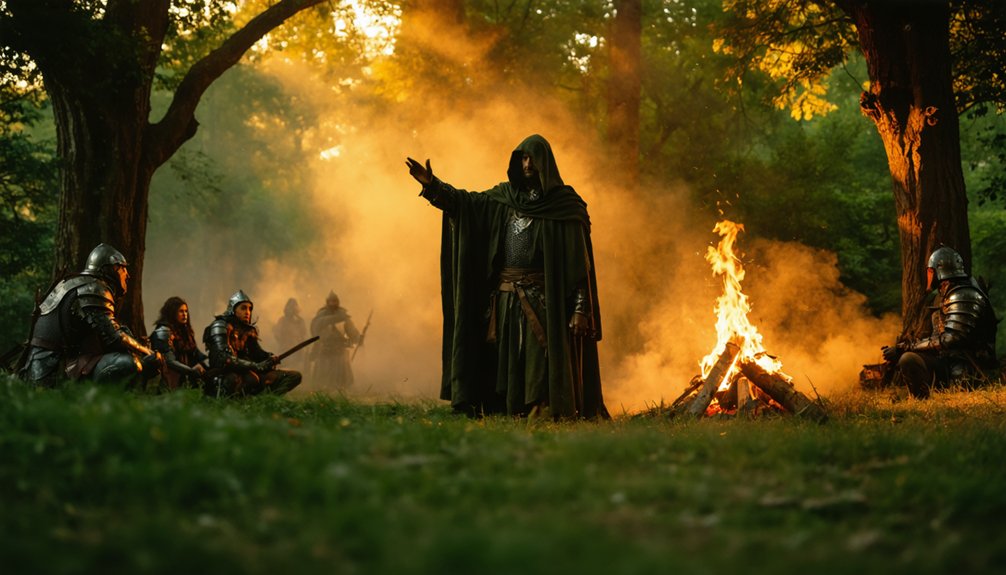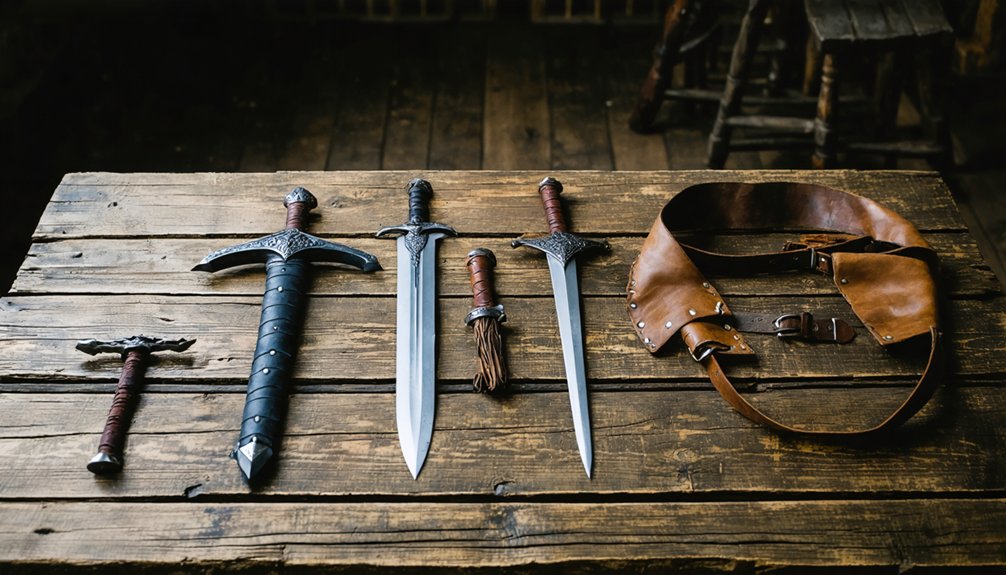
Upgrading your LARP kit isn’t a single purchase—it’s an ongoing process built through deliberate choices after every event. Start by locking in your core three: tunic, pants, and boots. Then layer accessories, improve materials, and replace what’s failing before it costs you more later. Prioritize quality over quantity, maintain what you own, and let each event reveal your next upgrade. Stick around to discover exactly where to focus your time, money, and effort.
Key Takeaways
- Start with core pieces—tunic, pants, and boots—prioritizing coverage and comfort before adding decorative accessories or upgrades.
- Invest in quality boots early, as footwear provides the most visual authority and defines your overall silhouette.
- Source base garments from thrift stores and borrow gear from other players to manage costs strategically.
- Add accessories like belts, pouches, cloaks, and embroidery gradually to build character-specific detail and cohesion.
- Inspect and maintain your kit after every event, oiling leather, polishing metal, and re-dyeing faded fabric regularly.
What Goes Into a Functional Starter LARP Kit
A functional starter LARP kit needs just three core pieces: a tunic, pants, and boots. These establish your foundation before you layer in medieval influences or fantasy elements. You don’t need to buy everything new — mix pre-owned pieces, purchased garments, and handmade items to control costs without sacrificing cohesion.
Prioritize coverage, comfort, and event suitability above decoration. A well-fitted base outfit outperforms an elaborate one that restricts movement or breaks setting immersion. Build a focused shopping list before purchasing anything, targeting only what’s missing from your core setup.
Once your three essentials are solid, layering becomes your primary upgrade tool. Every addition after that should serve a clear purpose — extending wearability, reinforcing character identity, or improving how your kit reads at distance.
How Do You Build a LARP Kit on a Tight Budget?
Building a LARP kit on a tight budget starts with one principle: buy less, choose better. Prioritize a tunic, pants, and boots before anything else. These three items carry the most visual weight and establish your foundation for medieval craftsmanship-inspired authenticity.
Source your base layer from thrift stores, then layer purchased or handmade accessories over it. Ribbons, a belt, and a simple pouch dramatically shift your silhouette without straining your wallet. Fantasy aesthetics don’t require expensive materials — they require intentional choices.
Avoid impulse purchases by building a focused shopping list before every event. Borrow weapons, swap gear with other players, and buy used equipment whenever possible.
Every coin you save now funds a higher-quality replacement later, keeping your kit’s progression deliberate and sustainable.
Which Pieces of Your LARP Kit Are Worth Spending Real Money On?
Not every piece of your kit deserves equal investment, so spend strategically on items that carry the most visual weight and physical wear. Boots top that list — they endure terrain, weather, and constant movement, so quality leather construction pays off over dozens of events.
A well-made belt follows closely, anchoring your silhouette and supporting pouches, weapons, and accessories daily.
For cost-effective upgrades, prioritize garments worn in the outermost layer since they define your character’s first impression. Invest in a sturdy cloak and a fitted tunic before chasing decorative pieces.
Accessory customization shines once your foundation holds up. Embossed bracers, hand-stitched pouches, and dyed leather accents elevate your kit’s specificity without replacing core garments.
Spend big on what breaks or defines — not on what hides underneath.
How Do Boots Change the Look of Your Whole LARP Kit?
Boots carry more visual authority than almost any other piece in your kit, and that’s why they earned their spot at the top of the spending list. Modern sneakers or athletic shoes immediately break immersion, no matter how detailed the rest of your costume footwear is. Authentic medieval footwear grounds your entire silhouette, pulling the eye downward and confirming the period from head to toe.
When your boots are right, everything above them reads more convincingly. A basic tunic looks intentional rather than incomplete. Layered accessories appear earned rather than decorative.
Sturdy, well-fitted boots also hide modern underlayers and protect your feet across uneven terrain. Invest in quality here early, because upgrading footwear later means rebuilding the visual foundation you should’ve established from the start.
Layer Accessories Into Your LARP Kit Before Buying Anything New
Before you spend money on new garments, accessories will do more work for your kit than almost any other upgrade you can make. Ribbons, belts, pouches, bracelets, and necklaces shift your silhouette immediately and add the kind of lived-in depth that raw fabric texture alone can’t achieve.
Layer these pieces deliberately rather than randomly. A belt worn at the correct height anchors your whole look. A cloak or cowl adds both weather protection and visual mass.
Once your accessories are working cohesively, introduce decorative embroidery on cuffs or hems to build character-specific detail without replacing core garments. Keep your color palette consistent so each added layer reinforces rather than disrupts the overall composition.
Accessories compound in effect, so stack them strategically before committing to any larger purchase.
Which Small Details Make Your LARP Character Feel Real?
Small details are what separate a costume from a character. Once your layers are in place, focus on specificity. Add medieval embroidery to a collar, cuff, or hem to signal craftsmanship and cultural identity. Stamp fantasy insignia onto your belt, pouch, or bracers to anchor your character within the world’s lore. These aren’t decorative afterthoughts—they’re narrative markers that communicate who your character is before you speak a word.
Belt placement, worn leather edges, faded dye, and small charms all suggest lived experience. Paint or embroider a symbol that ties to your character’s faction, trade, or history. Each deliberate detail reinforces consistency. You’re not decorating an outfit; you’re building a person.
Precision in these choices is what makes other players and storytellers take your character seriously.
When Should You Add Weapons or Armor to Your LARP Kit?
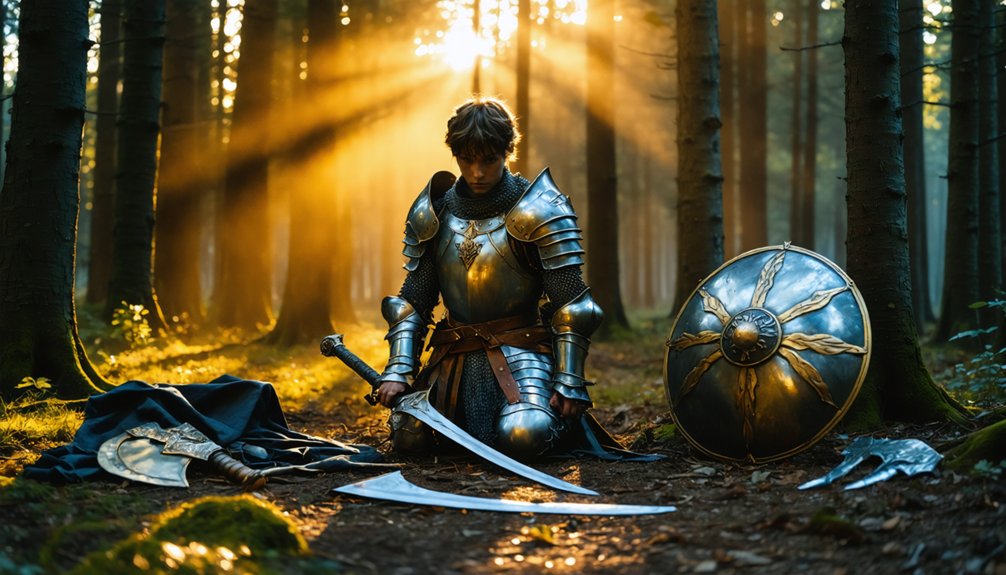
Once your clothing foundation is solid, weapons are the logical next step for a combat-oriented character—they’re more affordable than armor and immediately reinforce your role.
Don’t rush into armor purchases before you’ve established who your character is, since heavy investment in the wrong pieces wastes money and clutters your kit.
Match every piece of specialized gear to your character’s role, your event’s ruleset, and the setting before you commit to buying.
Weapons Before Armor
When your base outfit is solid and your accessories are locked in, specialized gear like weapons and armor becomes the logical next step. Prioritize weapons first. They’re lighter, more affordable, and immediately reinforce your character’s role without demanding significant infrastructure changes.
Armor comes later for good reason. It’s expensive, requires underlayers for comfort and historical accuracy, and demands careful fabric selection for those base layers—linen or wool work best against metal or leather. Rushing into armor before your foundation is ready creates fitting problems and wasted spending.
Assess your character’s combat role and event ruleset before purchasing either. A well-chosen weapon paired with a strong base kit reads far more effectively than mismatched armor thrown over an underdeveloped outfit. Build deliberately, and your gear will integrate seamlessly.
Matching Gear To Role
Matching gear to your character’s role keeps your kit coherent and your spending purposeful. A wandering scholar doesn’t need bracers; a front-line fighter doesn’t need an elaborate scroll case. Let your role drive every purchase.
Use these role-specific filters before buying any medieval fashion piece or fantasy accessories:
- Scouts prioritize muted tones, light layers, and a reliable hood
- Scholars invest in pouches, scroll cases, and ink-stained linen robes
- Warriors build toward bracers, tassets, and a padded underlayer before full armor
- Healers use distinct color signals—white, green—and accessible pouch placement
- Nobles focus on embroidered surcoats, fine belts, and polished accessories
Each addition should answer one question: *does this piece make my character more readable on the field?*
Keep Your LARP Kit Event-Ready With Regular Maintenance
After each event, inspect every piece of your kit before storing it. Check seams, buckles, straps, and closures for stress damage. Catch small failures now before they become expensive replacements later.
Inspect your kit after every event. Small failures caught now prevent costly replacements later.
Dry everything thoroughly before packing it away. Moisture destroys fabric durability fast, warping leather, corroding metal, and weakening natural fibers like linen and wool. Don’t rush this step.
Maintain leather with regular oiling, polish metal fittings, and re-dye faded fabric to preserve historical accuracy across your entire kit. Waterproof outer layers before wet-weather events.
Treat maintenance as an upgrade cycle, not a chore. Each inspection is an opportunity to identify which pieces need replacing with higher-quality versions.
A well-maintained kit performs better, lasts longer, and signals serious commitment to your craft.
Frequently Asked Questions
Can You Mix Different Historical Periods Within a Single LARP Kit?
You can mix periods, but you’ll want intentional costume flexibility. Prioritize cohesive silhouette and color palette over strict historical accuracy. Layering contrasting elements strategically lets you innovate while keeping your kit visually unified and character-authentic.
How Do You Store a LARP Kit Safely Between Events?
Store your kit in breathable bags, never plastic. You’ll extend longevity through consistent armor maintenance—oil leather, polish metal, dry fabrics fully. Explore innovative storage solutions like modular bins to organize garments, weapons, and accessories efficiently between events.
Are There Larp-Specific Online Communities Where Members Trade or Sell Gear?
Hidden treasures await you—yes, LARP-specific online marketplaces exist where gear trading thrives. You’ll find Facebook groups, Reddit’s r/LARP, and dedicated forums where members actively buy, sell, and swap equipment, accelerating your kit’s evolution.
How Do Climate and Weather Conditions Affect Which Materials You Should Choose?
You’ll want weather resistant fabrics like wool or waxed cotton for wet climates, while climate appropriate insulation layers keep you functional in cold. Match your materials directly to your event’s environment for peak performance.
Can a Single LARP Kit Work Across Multiple Different Game Systems?
Cutting corners won’t serve you here. You can adapt a single kit across systems through smart costume customization—swapping accessories, layers, and insignia—while keeping safety considerations like weapon rules and armor standards specific to each game’s requirements.
References
- https://www.youtube.com/watch?v=nfcj_0BarDc
- https://www.youtube.com/watch?v=G8BQfqefwQE
- https://www.youtube.com/watch?v=-rYDkQRHucs
- https://www.reddit.com/r/LARP/comments/1f7x92l/just_upgraded_my_kit_any_thoughts_on_what_i/
- https://www.reddit.com/r/LARP/comments/1r8rhhb/how_can_i_improve_my_kit/
- https://www.battlemerchant.com/en/blog/your-larp-equipment-from-beginner-to-professional
- https://www.reddit.com/r/LARP/comments/1mm9rp4/larp_kit_upgrades/
- https://www.youtube.com/watch?v=ZHS3XiUgxw4