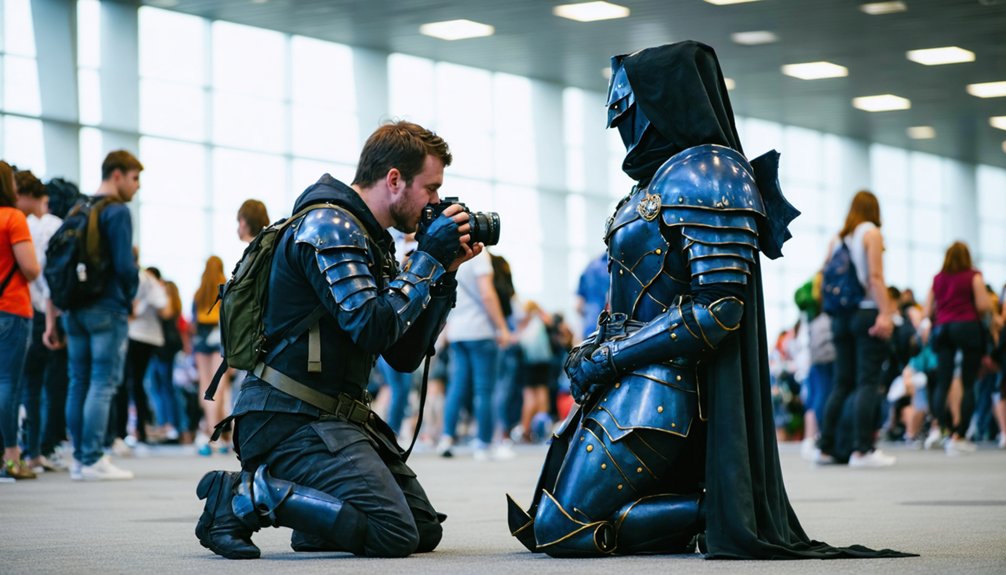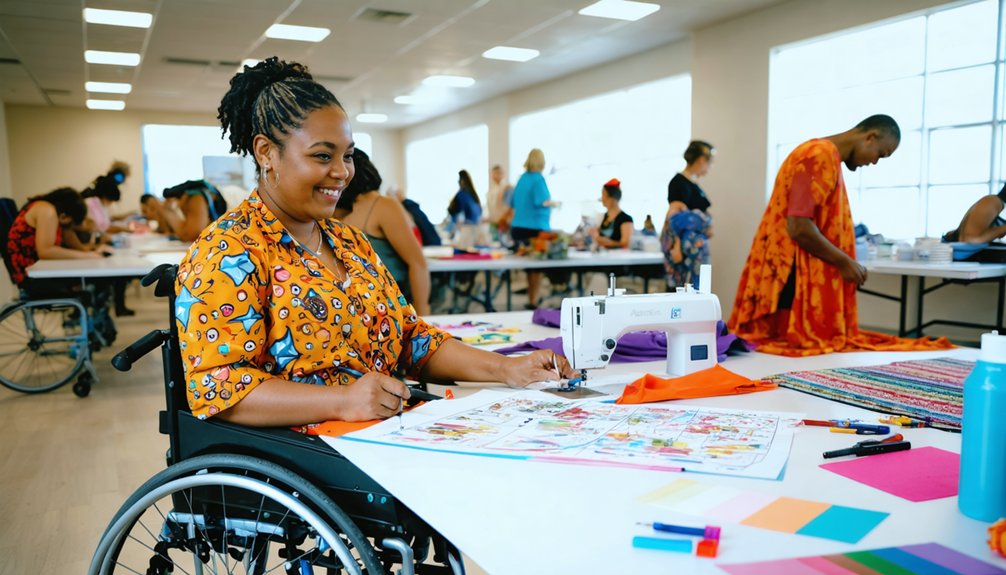
To make your cosplay workshop more inclusive, invite marginalized cosplayers into the planning process first. Collect access needs during registration so you’re ready before anyone walks through the door. Set community norms early, use gender-neutral language, and build consent culture around photography. Encourage costume designs that celebrate character essence over physical replication. Structure sessions with varied pacing and multiple feedback methods. There’s much more you can put into practice.
Key Takeaways
- Invite marginalized cosplayers to co-create workshop structures and community norms, compensating them fairly for their time and contributions.
- Collect access needs during registration to proactively arrange accommodations like interpreters, accessible seating, and step-free venue entry.
- Encourage cosplayers to capture a character’s essence rather than physically replicating them, celebrating diverse and adaptive interpretations.
- Use short session segments, varied engagement strategies, captions, and advance handouts to support diverse communication and accessibility needs.
- Regularly review participant feedback, act on realistic suggestions, and communicate changes made to build ongoing community trust.
Bring Marginalized Cosplayers Into Cosplay Workshop Planning First
When building an inclusive cosplay workshop, invite marginalized cosplayers into the planning process before you finalize any decisions. Their lived experience shapes better outcomes than consultation after the fact.
Planning collaboration means more than asking for feedback on a finished agenda. It means co-creating the structure, selecting characters, and setting community norms together.
Bring in disabled cosplayers, cosplayers of color, plus-size makers, and LGBTQ+ creators as genuine partners, not token voices. Marginalized representation behind the scenes directly improves what participants see and experience in the room.
When people recognize themselves in the planning team, they trust the space more and engage more fully. Start early, compensate collaborators for their time, and let their input shape decisions that actually stick.
Collect Access Needs Before Your Cosplay Workshop Begins
When you wait for participants to ask for accommodations on the day of your workshop, you put the burden on them and risk being unprepared.
Instead, build an access needs question into your registration form so you can arrange captioning, seating, or material formats before anyone arrives.
Ask registrants about mobility needs, sensory sensitivities, communication preferences, and anything else that would help them participate fully.
Why Early Collection Matters
Collecting access needs before your cosplay workshop begins can make the difference between a session that works for everyone and one that leaves key participants behind.
Early engagement gives you time to arrange interpreters, adjust your layout, prepare captioned materials, or source seating alternatives without scrambling last minute. It also signals to participants that their needs aren’t an afterthought.
When you build access questions into your registration process, you shift the responsibility from the participant to the organizer, which dramatically improves participant comfort.
People shouldn’t have to advocate for themselves in the moment or risk feeling like a disruption. Proactive collection lets you design inclusively from the start, setting a tone that tells every attendee: you belong here, and we planned with you in mind.
What To Ask Registrants
Knowing what to ask is half the battle when it comes to registration forms that actually work. Your registration questions should collect more than just names and emails.
Ask about access requirements upfront, including mobility needs, sensory sensitivities, and communication styles. Offer pronoun options without making them mandatory, and include consent preferences around photography and physical demonstrations.
Gathering participant demographics helps you tailor content and representation meaningfully. Ask about workshop goals so you understand what attendees actually hope to build or learn.
Don’t overlook dietary restrictions if your event includes food.
Keep questions clear and concise, using plain language everyone can understand. When registrants see thoughtful, respectful questions from the start, they’ll trust that your workshop is genuinely designed with their full participation in mind.
Make Your Venue Work for Every Body
Your venue sets the tone for who actually feels welcome, so confirm step-free entry, accessible restrooms, and clear pathways before your event date.
Reserve dedicated space for wheelchairs, walkers, and service animals in both seating and activity areas so participants aren’t maneuvering an afterthought layout.
You’ll also want to check lighting levels and sound quality, since harsh glare or poor acoustics can create real barriers for attendees with sensory needs.
Step-Free Entry Matters
Before you finalize your venue, check that step-free entry isn’t just a checkbox—it’s the foundation of an accessible workshop.
Step-free pathways signal to every attendee that they belong before they’ve even walked through the door. Accessibility awareness starts outside the building and continues through every connection point inside.
Walk the full route yourself—entrance to restroom to activity space—and ask:
- Can someone using a wheelchair or walker navigate every area independently?
- Are there hidden steps, lips, or uneven surfaces that could stop someone cold?
- Does the layout leave enough room for mobility devices to move freely?
If something’s broken, fix it or find a better venue.
Your participants deserve full access, not workarounds.
Reserve Space Thoughtfully
Once step-free access gets your participants through the door, the layout inside determines whether they can actually participate. Smart space utilization means planning your accessibility layout before anyone arrives—not scrambling once someone needs room to maneuver.
Reserve dedicated spots for wheelchairs, walkers, and service animals throughout your seating and activity areas. Don’t cluster these spaces in the back or off to the side; integrate them naturally so every participant feels equally included.
Check your traffic flow, too. Narrow pathways between tables and displays create real barriers.
Give demonstration and fitting stations enough clearance for mobility devices to move freely. When you design your space with intention, you’re telling every attendee their presence was expected and valued from the start.
Manage Lighting And Sound
Space layout sets the stage, but lighting and sound determine whether participants can fully engage once they’re in it. Thoughtful lighting considerations and sound adjustments help guarantee no one’s excluded by sensory barriers they didn’t choose.
Before your workshop begins, evaluate the environment honestly:
- Harsh fluorescent lighting can trigger migraines or overwhelm participants with sensory sensitivities—opt for warmer, adjustable alternatives.
- Poor acoustics or low-volume audio shut out participants who are hard of hearing, even with assistive devices present.
- Unpredictable sound spikes create anxiety for neurodivergent attendees who deserve a predictable, welcoming space.
You don’t need a perfect venue—you need an intentional one.
Test your setup in advance, gather input from participants with access needs, and adjust accordingly.
Set Inclusive Community Norms From the Start
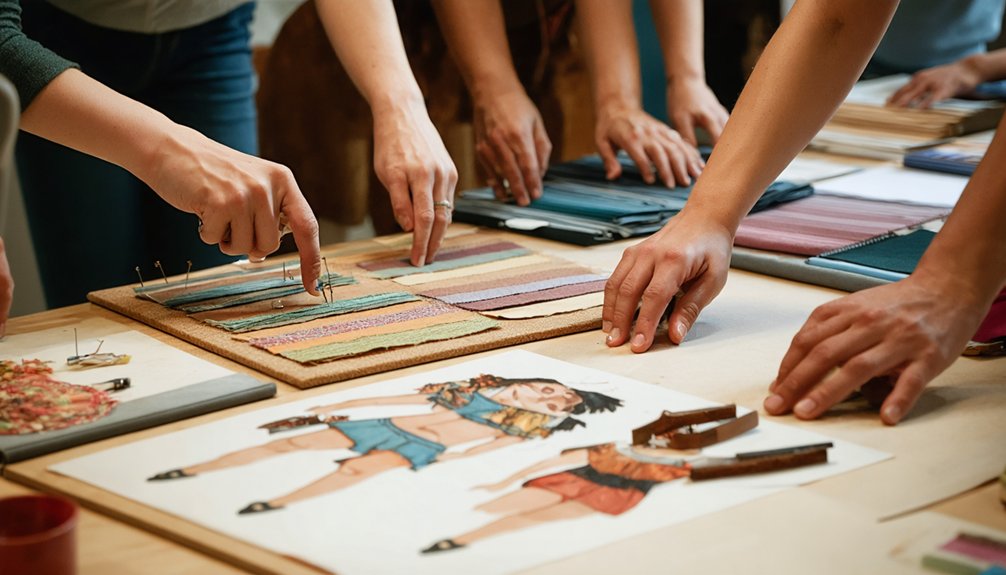
Setting inclusive community norms early shapes how every participant feels about showing up and engaging. Open your workshop by naming expected behaviors clearly—respectful language, no assumptions about body type, skill level, or identity.
Strong community engagement starts before anyone touches a needle or hot glue gun.
Weave language inclusivity into your facilitation by modeling gender-neutral terms and correcting exclusionary comments without shaming. Post your community agreements somewhere visible throughout the session.
Build consent culture in from the start. Ask before photographing participants, touching someone’s costume, or sharing personal work publicly. Offer opt-outs for pronoun sharing and camera use without requiring explanation.
Finally, make your reporting path visible and simple. Participants engage more fully when they trust that exclusionary or unsafe behavior will actually be addressed.
Design Inclusive Cosplay Looks Around Character Essence
When you design a cosplay around a character’s essence rather than exact physical replication, you open the craft to everyone. A character’s spirit, color palette, and signature details matter far more than matching a specific body type.
Encourage participants to explore adaptive modifications that make costumes work for them:
- Stretch fabrics and adjustable closures let anyone wear a look comfortably and confidently.
- Integrated assistive devices transform wheelchairs, canes, or braces into powerful design features.
- Layering and padding give makers creative control over silhouette and comfort.
When your workshop celebrates these choices, participants stop asking “Can I pull this off?” and start asking “How do I make it mine?”
That shift is where real creativity begins.
Structure Sessions So No One Gets Left Behind
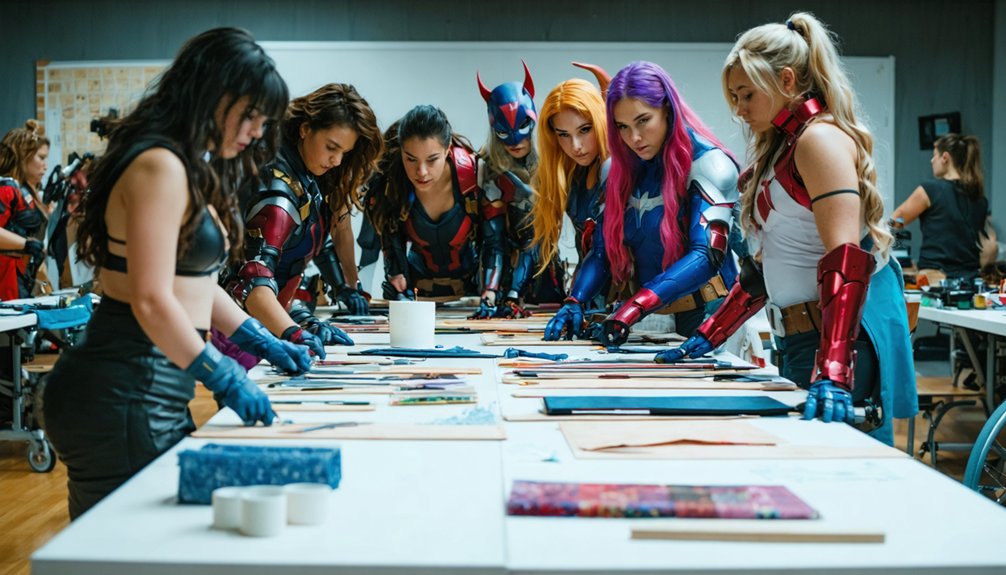
Designing an inclusive costume is only part of the work—how you structure your session determines whether every participant can actually engage with what you’ve built.
Thoughtful session pacing keeps energy balanced and reduces fatigue. Break your agenda into short segments, rotate participant roles, and build in reflection opportunities so everyone contributes meaningfully.
Rotate roles, pause often, and pace your session so every voice has room to land.
Use varied engagement strategies—verbal, written, and visual—to support different communication styles. Breakout activities let quieter voices surface, while strong group dynamics emerge when you distribute responsibility fairly.
Offer accessibility tools like captions, readable inclusive materials, and advance handouts. Co-facilitators help troubleshoot in real time.
Adaptability techniques, such as flexible timelines and multiple feedback methods, allow you to respond to what participants actually need rather than what you assumed they would.
Act on Cosplay Workshop Feedback Instead of Filing It Away
Collecting feedback means nothing if it sits in a folder and shapes nothing. Genuine participant engagement means closing the loop—telling attendees what you heard and what you’re actually changing.
Feedback implementation builds trust faster than any welcome speech.
After each workshop, review responses and act on what’s realistic:
- Share what changed: Post a brief update so participants see their voices mattered.
- Name what you can’t fix yet: Honesty about limits respects your community more than silence.
- Invite ongoing input: Create a simple channel for continued suggestions between sessions.
You don’t need to overhaul everything at once. Even one visible change signals that your workshop evolves with its community—and that’s exactly what inclusive spaces are built on.
Frequently Asked Questions
How Do I Handle Last-Minute Access Requests During a Cosplay Workshop?
You’ll handle last-minute access requests better when you’ve prepared emergency protocols ahead of time. Keep access resources like seating, captions, and quiet spaces ready so you can respond quickly, confidently, and inclusively to anyone’s needs.
What Should Facilitators Do if a Participant Has a Medical Emergency?
Stop the session immediately and follow your venue’s emergency protocols. You’ll want to calmly guide participant communication by keeping others informed, clearing space, and directing someone to contact emergency services while supporting the affected person.
How Many Co-Facilitators Are Ideal for Different Cosplay Workshop Sizes?
For small groups (under 15), you’ll need one co-facilitator. Medium workshops (15–30) benefit from two. Larger sessions (30+) thrive with three or more. Scaling co-facilitator roles intentionally strengthens workshop dynamics and guarantees every participant feels genuinely supported.
Can Cosplay Workshops Be Adapted for Younger or Teen Participants?
Like a blank canvas awaiting bold strokes, you can absolutely adapt cosplay workshops for teens! Prioritize age-appropriate materials, build in creative freedom, and boost youth engagement by centering characters they already love.
How Do I Manage Conflicting Access Needs Between Different Participants?
You’ll navigate conflicting access needs by collecting them early and layering flexible accessibility options—like varied seating and lighting choices. Use clear communication strategies to involve participants in problem-solving together, fostering creative, collaborative solutions that honor everyone’s presence.
References
- https://www.youtube.com/watch?v=VSF58lw5jkA
- https://www.mmoday.com/inclusivity-in-cosplay-breaking-barriers-and-building-community/
- https://starstruckpanda.com/disability-inclusive-cosplay-costume-tips/
- https://starstruckpanda.com/impact-of-positivity-in-cosplay-circles/
- https://www.youtube.com/watch?v=0_OV7p92-Y4
- https://www.mmoday.com/how-to-build-a-supportive-cosplay-community-online-and-offline/
- https://www.sandrabydesign.com/blog/3-tips-to-design-more-inclusive-workshops
- https://www.alibaba.com/product-insights/is-cosplaying-accessible-for-all-body-types-or-is-inclusivity-lacking.html
- https://www.belloflostsouls.net/2023/01/cosplay-is-for-everyone-cosplayers-talk-inclusivity.html
- https://www.wla.org/assets/Cosplay for All.pdf