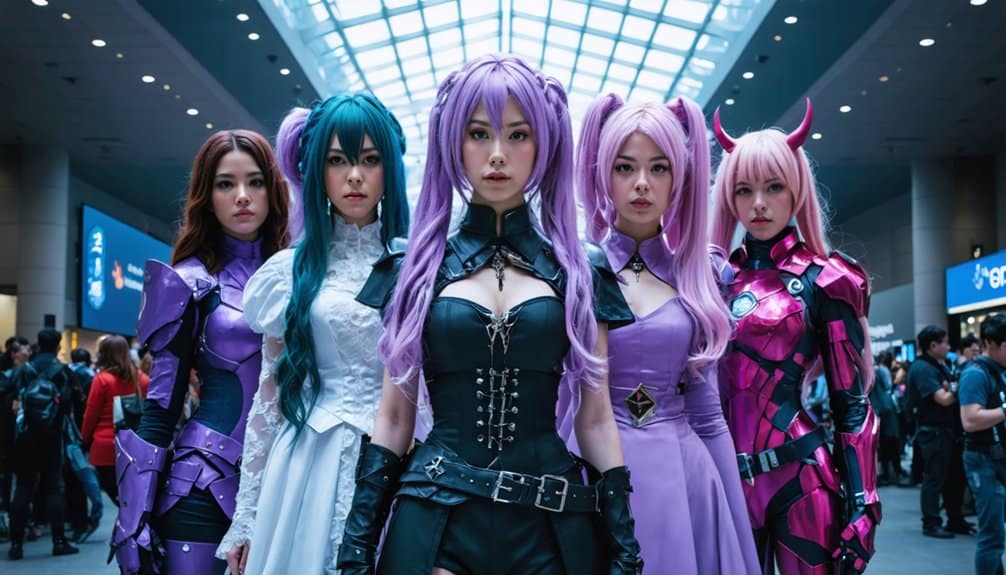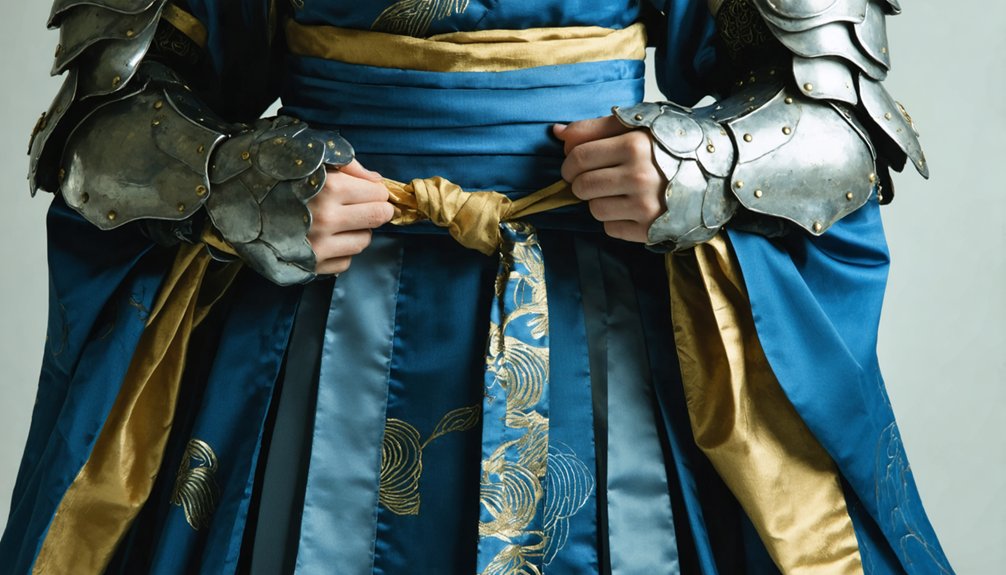
When blending cultural attire into cosplay, you’ll want to research the garment’s history and social role before borrowing any visual elements. Identify what’s off-limits, like sacred regalia or ceremonial pieces, and build your design around one or two signature elements rather than overwhelming the look. Test mobility, avoid cultural stereotypes, and always credit your sources publicly. The details ahead will help you navigate every step with confidence and respect.
Key Takeaways
- Research the cultural origins of any garment before incorporating it, avoiding sacred or ceremonial pieces reserved for specific roles or occasions.
- Start with the silhouette as your design foundation, then build around one or two signature cultural elements to avoid visual clutter.
- Avoid carelessly mixing unrelated cultural traditions, as this flattens diverse cultures into a single oversimplified costume aesthetic.
- Test mobility by walking and sitting in your costume, adjusting hems, closures, or wraps to ensure comfort without compromising visible structure.
- Credit the specific culture and garment in posts, sharing research sources and acknowledging limitations in your cultural interpretation.
Research the History and Social Role of the Garment First
Before you incorporate any cultural garment into a cosplay, take time to understand what that clothing actually means. Cultural significance runs deeper than visual appeal — many garments mark specific life events, social status, or spiritual roles.
Garment symbolism often lives in details like color choices, embroidery patterns, or wearing methods that outsiders easily overlook.
Start by researching the garment’s origin, its traditional occasions, and any restrictions around who wears it. Avoid sacred or ceremonial pieces unless you have explicit permission and proper context.
Reliable sources include cultural organizations, academic texts, and firsthand accounts from community members. When you understand a garment’s purpose before designing, you make smarter creative choices and show genuine respect for its source.
Which Cultural Elements Are Off-Limits for Cosplay?
When blending cultural attire into cosplay, you’ll need to recognize that some elements carry restrictions that go beyond personal taste or creative choice.
Sacred objects, ceremonial regalia, and ritually significant garments—such as Indigenous headdresses, religious vestments, or burial adornments—aren’t yours to borrow, regardless of how well-intentioned your design may be.
You’ll also want to avoid collapsing an entire culture into a single costume aesthetic, since that approach strips away meaning and reinforces harmful stereotypes rather than honoring the source.
Sacred and Ceremonial Restrictions
Some cultural garments carry deep spiritual, religious, or ceremonial significance that places them outside the scope of cosplay adaptation, and recognizing this boundary is a foundational part of respectful design.
Sacred attire—like Indigenous headdresses, certain religious vestments, or ritual masks—carries ceremony significance tied to identity, rank, or spiritual practice. Wearing these without cultural permissions isn’t creative interpretation; it’s a violation of meaning.
You don’t need to avoid all cultural inspiration, but you do need to distinguish between decorative tradition and protected practice.
When you’re unsure whether a garment is restricted, research it thoroughly or consult voices from that culture directly.
Respectful adaptation means choosing elements that communities openly share, not those reserved for specific roles, rites, or initiated members.
Avoiding Stereotypes and Misrepresentation
Knowing which garments are off-limits is only part of respectful cosplay design—you also need to recognize how cultural elements get misrepresented even when nothing sacred is involved.
Cultural appropriation often happens through careless mixing of unrelated traditions or reducing rich heritage into a generic aesthetic. Respectful adaptation requires historical context, so research why a garment exists before borrowing its visual cues.
Meaningful representation means crediting your source culture publicly and consulting community feedback when possible. Cultural sensitivity and design integrity go hand in hand—avoid combining unrelated regional pieces simply because they share a visual tone.
Ethical considerations also extend to how you present the costume online. One signature element with honest context communicates far more respect than an overstuffed look that flattens an entire culture into a costume.
Start With Silhouette Before Committing to Details
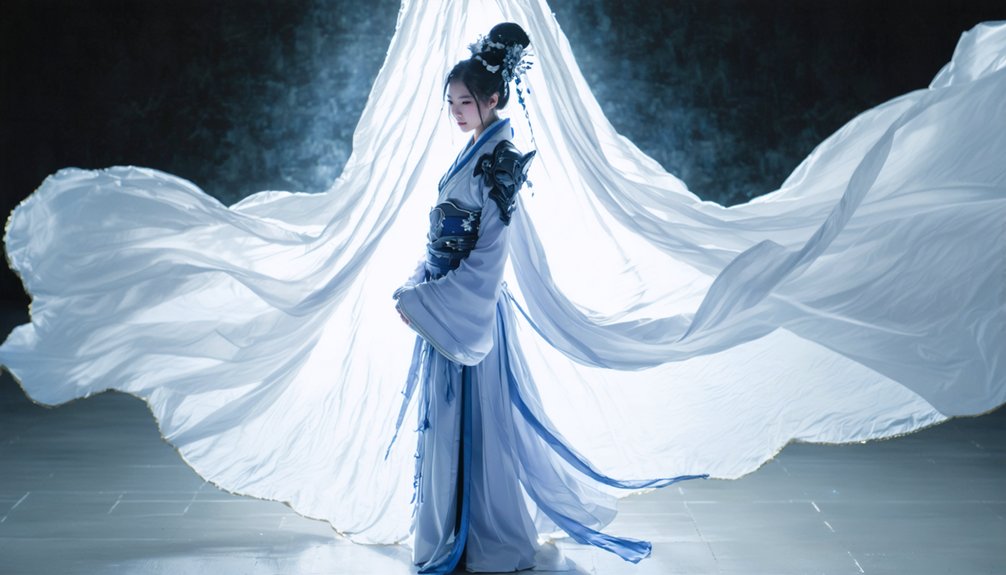
Before diving into fabric choices or decorative details, nail down the silhouette first. Silhouette significance shapes how viewers read a cultural reference instantly, even before they register color or pattern. A kimono’s straight-cut rectangular form, a hanbok’s high-waisted flare, or a thobe’s floor-length drape each communicate cultural identity through outline alone.
Follow a smart design progression by sketching or sourcing the basic shape before selecting fabrics, trims, or embellishments. Once you’ve confirmed the silhouette works with your body and your character concept, layer in the recognizable details gradually.
This approach prevents costly mistakes and keeps your design cohesive. You’ll also avoid overloading the costume with mismatched elements. Getting the shape right first gives every subsequent decision a solid, culturally informed foundation.
Replicate How the Cultural Garment Sits and Moves on the Body
Once you’ve locked in the silhouette, the next step is understanding how the garment actually behaves on a body in motion.
Garment drape isn’t decorative—it’s structural. A wrapped skirt falls differently than a sewn one. A layered robe shifts with body movement in ways a fitted jacket never will.
Study reference footage of people actually wearing the garment, not just still photographs. Notice where fabric pools, pulls, or floats during walking, sitting, and reaching.
Then test your cosplay version through those same movements before your event.
If your construction restricts natural motion, adjust the cut, lining, or closure method.
Accuracy matters, but a costume that limits your mobility will break down faster and read as less authentic than one that moves with you naturally.
Translate Cultural Motifs Into Cosplay-Friendly Materials
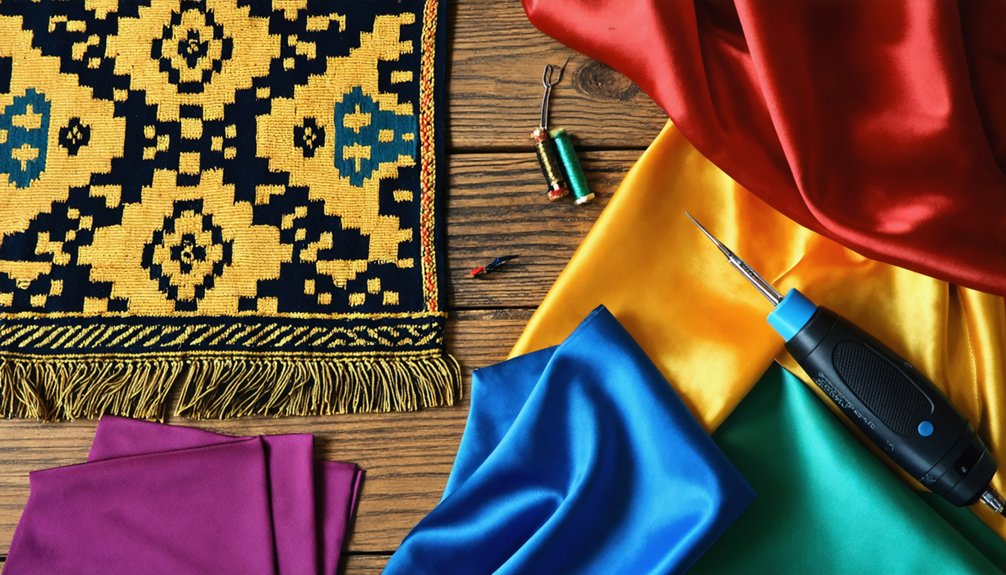
After you’ve studied the structure and movement of a cultural garment, the next challenge is carrying its visual identity into materials that actually work for cosplay construction.
Motif adaptation starts with understanding what each cultural symbol means before you translate it into modern fabric. Use color interpretation to capture a palette’s emotional tone, even if you can’t source traditional textiles.
Pattern translation works well through printed fabric, embroidered trim, or heat-transfer vinyl. Texture integration lets you mimic woven or handcrafted surfaces using accessible alternatives.
Material sourcing should prioritize visual accuracy over identical construction methods. Design fusion and concept blending give you creative freedom while keeping cultural references readable.
Treat every fabric choice as artistic expression grounded in genuine respect for the original tradition.
Build Recognizability Around One or Two Signature Pieces
When blending cultural attire into cosplay, you don’t need to replicate an entire traditional outfit to make your reference clear.
Instead, identify the one or two elements that carry the most visual weight, whether that’s a distinctive headpiece, a patterned sash, or a signature silhouette, and let those anchor your whole look.
Building your design around these focal pieces keeps the cultural reference readable without overwhelming or misrepresenting the source.
Identify Signature Cultural Elements
Before layering in details, identify the one or two elements that make a cultural garment instantly recognizable, because those pieces are what carry the design’s visual identity.
Understanding cultural symbolism and garment functionality helps you isolate what’s iconic versus decorative.
Start by asking:
- What silhouette or wrap style defines this garment’s shape?
- Which colors, patterns, or textiles carry the strongest cultural symbolism?
- What accessories or closures reflect garment functionality and traditional purpose?
- Which single element would an observer recognize even without full context?
Once you’ve identified those anchors, build your cosplay outward from them.
You don’t need every detail, just the right ones. A well-chosen signature element communicates the reference clearly while leaving room for creative, respectful interpretation.
Anchor The Look Simply
Once you’ve identified your signature elements, build your entire look around just one or two of them rather than layering in every detail you’ve researched.
Anchoring your cosplay this way keeps cultural aesthetics readable without overwhelming the design or risking misrepresentation.
Choose your strongest piece, perhaps a distinctive belt, headwear, or fabric pattern, and let everything else complement it quietly. A bold focal point communicates the reference clearly while leaving room for creative expression.
This approach also supports respectful adaptation by preventing the kind of visual clutter that flattens cultural meaning into costume noise.
When your anchor piece is chosen thoughtfully, viewers recognize the inspiration immediately. You honor the source, maintain design cohesion, and avoid reducing a rich tradition to a scattered collection of borrowed details.
Blend Cultural References Without Reducing Them to Aesthetics
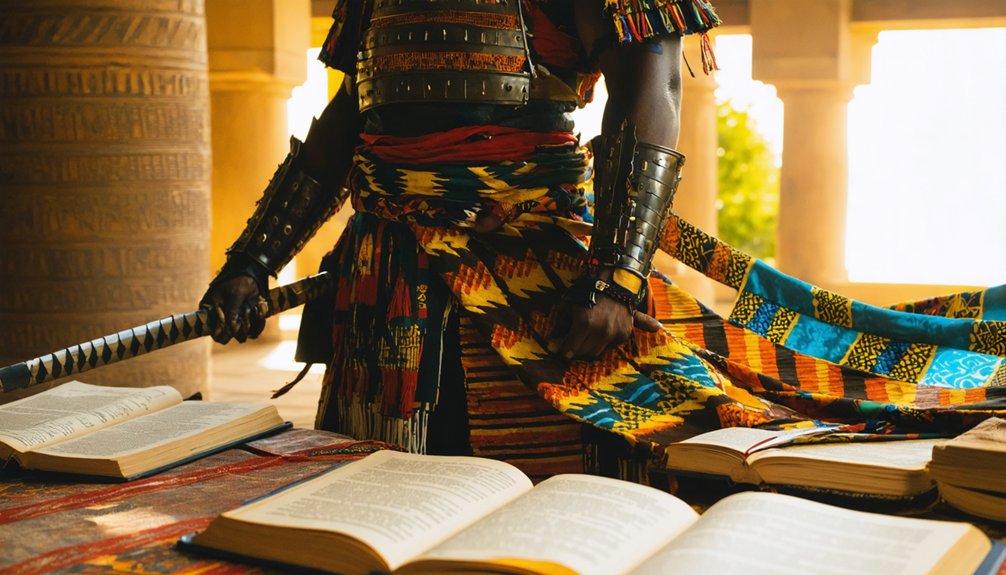
Blending cultural references into cosplay means understanding what makes those references meaningful, not just visually striking.
Cultural significance lives in context, not just color or cut. When you borrow from a tradition, you’re engaging with garment symbolism that carries real history.
Keep your approach grounded with these four strategies:
- Research before designing — understand the garment’s origin, occasion, and social role.
- Avoid sacred pieces — steer clear of ceremonial or restricted attire without proper permission.
- Credit your source — acknowledge the culture publicly when sharing your design.
- Combine thoughtfully — merge cultural cues with original or fantasy elements rather than replicating the entire look.
You don’t need to copy everything to honor something. Precision and respect go together.
Test Whether Your Cultural Costume Allows Full Mobility at Events
Before you wear your cultural costume to an event, walk, sit, and move through your full range of motion to catch any restrictions early.
If the garment limits mobility, adjust the cut, hem length, or closures without stripping away the design’s cultural markers.
Testing fit ahead of time lets you correct problems at home, where you have the space and tools to make meaningful changes.
Pre-Event Mobility Testing
Cultural costumes that incorporate traditional garments often come with structural complexity—layered fabrics, wrapped closures, stiff sashes, or elevated footwear—that can limit your range of motion in ways a quick mirror check won’t reveal.
Before your event, apply these mobility strategies and garment adjustments:
- Sit and stand repeatedly to test sash tension and wrap security.
- Walk up stairs wearing any elevated or platform footwear included in the design.
- Raise both arms overhead to check sleeve length and layered fabric restrictions.
- Simulate crowded-space movement by turning, stepping sideways, and reaching forward.
Document what restricts you, then modify closures, hem lengths, or underlayer construction accordingly.
Early testing prevents wardrobe failures and keeps your costume both functional and respectful.
Adjusting Restrictive Cultural Garments
Once you’ve tested your costume’s range of motion, the next step is knowing how to fix what didn’t work. Cultural flexibility doesn’t mean abandoning tradition — it means making smart garment adaptation choices that preserve the design’s integrity while improving wearability.
If a wrap sits too tight across the hips, let out the overlap slightly. If layered sleeves restrict arm movement, secure them differently or trim excess length internally. Sashes and obi-style belts can be pre-tied and fastened with hidden snaps for easier wear.
Prioritize changes that don’t alter visible structure. Swap rigid underlayers for breathable alternatives, adjust hem lengths for safer walking, and test modified closures before the event.
Thoughtful adjustments protect both your comfort and the cultural respect your design deserves.
Give Credit When You Post a Culturally Inspired Cosplay

When you post a culturally inspired cosplay, giving credit isn’t just good etiquette—it’s part of showing genuine respect for the source.
Cultural appreciation means acknowledging where inspiration originates, not just absorbing aesthetics. Ethical sourcing includes transparency with your audience about the garment’s historical significance.
Appreciation without acknowledgment is just aesthetics—true respect means tracing inspiration back to its source.
Follow these steps when posting:
- Name the culture and garment — identify the specific tradition, not just a region.
- Link credible sources — share articles, museums, or cultural organizations you researched.
- Tag community engagement — connect with creators or communities from that culture.
- Acknowledge limitations — be honest if your interpretation isn’t fully accurate.
This practice builds trust, invites meaningful conversation, and signals that your creative process respects both the craft and the people behind it.
Cultural Blending Mistakes That Disrespect the Source or Break the Look
Even the most well-intentioned culturally inspired cosplay can fall apart—visually and ethically—when key mistakes go unchecked.
Mixing unrelated cultural elements creates visual confusion and fuels cultural appropriation discussions you don’t want attached to your work. Wearing sacred or ceremonial pieces without context reduces meaningful attire to costume noise. Ignoring silhouette rules breaks structural authenticity, making the reference unreadable. Skipping research leads to symbolic errors that communities notice immediately.
Respectful adaptation strategies help you sidestep these pitfalls.
Stick to one cultural source per design, learn what each element signifies, and avoid restricted garments entirely. Don’t combine regional styles carelessly or chase an “exotic” aesthetic. Every choice should reflect intention, not assumption.
When your process is informed and deliberate, your cosplay honors its inspiration rather than undermining it.
Frequently Asked Questions
Can I Blend Elements From Two Different Cultural Garments Into One Cosplay?
You can blend elements from two cultural garments, but approach garment fusion with cultural sensitivity. Research both cultures thoroughly, avoid sacred pieces, and guarantee your design respects each tradition’s meaning rather than reducing them to mere aesthetics.
Should I Wear Traditional Undergarments Beneath a Culturally Inspired Cosplay Costume?
You don’t always need to, but your undergarment choices should reflect cultural sensitivity. If traditional undergarments affect the garment’s silhouette or drape authentically, wearing them enhances accuracy, comfort, and respectful representation of your culturally inspired cosplay.
How Do I Handle Cultural Attire in Competitive Cosplay Judging Categories?
Carefully crafting your competition entry means you’ll prioritize cultural sensitivity and respectful representation. Document your research, credit source cultures in your presentation, and communicate design choices to judges, showcasing innovation while honoring the garment’s authentic historical and symbolic meaning.
Is Buying From Cultural Artisans Better Than Making the Costume Myself?
Buying from cultural artisans actively supports their communities and reduces cultural appropriation risks. You’re investing in authentic craftsmanship while honoring tradition. If you make it yourself, research deeply and credit your sources respectfully.
Can Children Wear Culturally Inspired Cosplay Outfits at Conventions Safely?
Yes, children can wear culturally inspired cosplay safely when you prioritize age appropriateness and cultural sensitivity. Choose comfortable, non-sacred elements, guarantee easy movement, and teach kids to respect the culture behind their costume.
References
- https://www.youtube.com/watch?v=32rmS1it220
- https://rosieq.substack.com/p/unlocking-closet-cosplay-transform
- https://worldfootprints.com/cultural-heritage/cultural-immersion-and-pop-culture-costuming-and-cosplay-while-traveling/
- https://www.youtube.com/watch?v=h_nTc-KncaM
- https://www.medievalcollectibles.com/introductory-cosplay-guide/
- https://www.youtube.com/watch?v=xXjssMwKRZg
- https://www.tiktok.com/content/wearing-cultural-clothing-for-cosplay
- https://www.arrowsewing.com/blog/cosplay-101
- https://www.reddit.com/r/cosplayers/comments/1pl6qb2/a_bit_hesitant_about_cross_dressing_for_a_cosplay/
- https://www.facebook.com/groups/209645822768603/posts/1641876892878815/