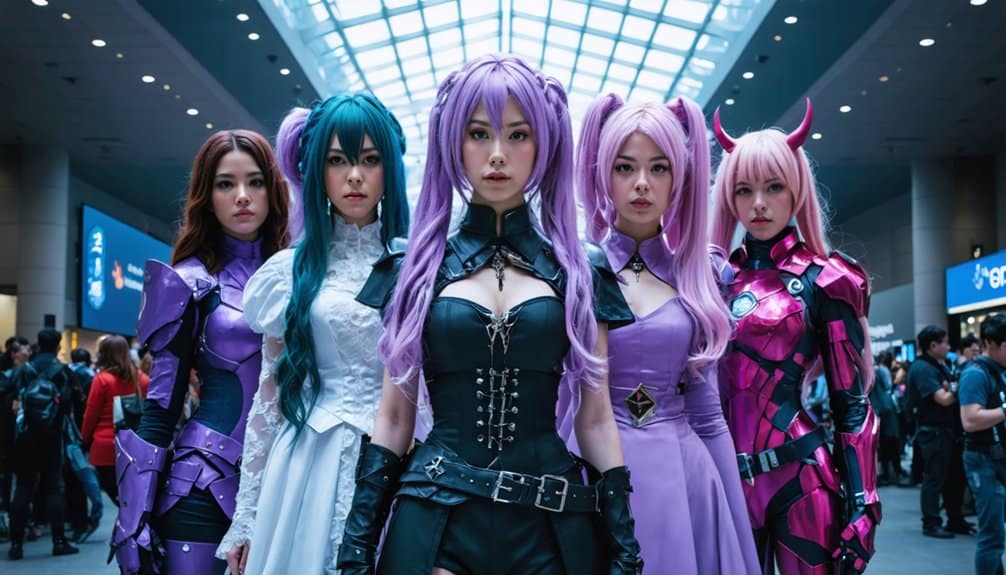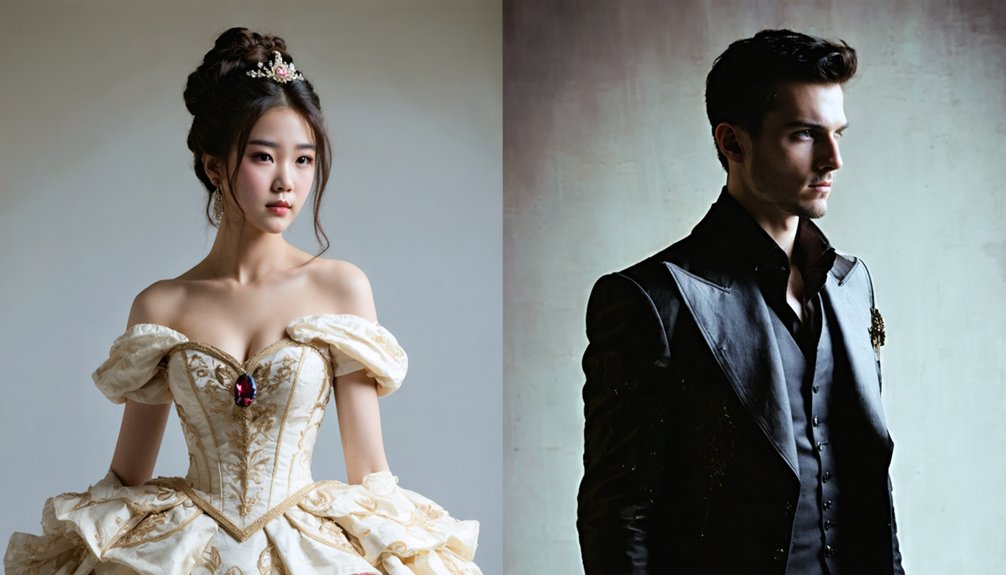
When you engage with traditional cosplay, you’re replicating a character’s canonical appearance with structural and material fidelity. Genderbent cosplay, however, dismantles that canonical identity and reconstructs it through a gendered lens, treating the original design as a creative launching point rather than a fixed standard. Your costume choices, performance dynamics, and even judging criteria shift entirely depending on which approach you take. There’s considerably more to unpack about how these distinctions operate across design, identity, and competition.
Key Takeaways
- Traditional cosplay replicates characters with strict accuracy to source material, while genderbent cosplay reimagines characters through a different gender lens.
- Genderbent cosplay allows significant design flexibility, replacing canonical garments with gender-coded alternatives while retaining character essence through color and symbolic props.
- Traditional cosplay treats character identity as fixed, whereas genderbent cosplay challenges identity assumptions and initiates creative character evolution.
- Judging criteria differ, with traditional cosplay evaluating source fidelity and genderbent cosplay prioritizing intentional character trait translation and design reinterpretation.
- Genderbent cosplay adjusts posing and styling to embody new character interpretations, while traditional cosplay maintains canonical appearance and performance standards.
The Core Difference Between Traditional and Genderbent Cosplay
When defining cosplay styles, the distinction between traditional and genderbent approaches comes down to whether you’re replicating a character as canonically depicted or reimagining them through a different gender lens.
Traditional cosplay prioritizes accuracy, binding you to established visual references — costume structure, silhouette, and styling cues remain faithful to source material.
Traditional cosplay demands fidelity — every silhouette, stitch, and styling choice anchored to established source material.
Genderbent cosplay, by contrast, centers character reinterpretation, requiring you to redesign gender-coded elements while preserving the character’s recognizable essence.
This isn’t simply a costume variation; it’s a fundamentally different creative framework.
Where traditional cosplay measures success through fidelity, genderbent cosplay measures it through expressive translation.
Gender exploration becomes the design methodology itself, challenging you to identify which character traits transcend gender presentation and reconstruct the character’s identity within an entirely reimagined visual language.
Why Crossplay, Genderbend, and Traditional Cosplay Get Confused
The inconsistency starts at the terminology level: cosplay communities apply “crossplay,” “genderbend,” and even “traditional cosplay” with overlapping and sometimes contradictory meanings, making clean distinctions harder to maintain in practice.
Crossplay misconceptions frequently emerge because many people conflate performer gender with character gender. When you portray a canon male character without altering his gender, that’s crossplay within traditional cosplay, not genderbending.
Terminology confusion deepens further when communities use “genderbend” loosely to describe any gender-nonconforming costume choice, erasing the critical distinction: genderbending changes the character’s gender identity, not just your outfit selection.
Without precise labeling, you can’t accurately communicate your creative intent. Recognizing these definitional boundaries doesn’t restrict expression; it sharpens the analytical framework you use to evaluate, discuss, and innovate within cosplay culture.
What Actually Changes About a Character’s Gender in a Genderbend
- Costume adaptation replaces canonical garment structures with gender-coded alternatives while preserving recognizable design elements.
- Design interpretation challenges existing gender norms by applying creative liberties to silhouette, tailoring, makeup, and accessories.
- Character essence remains intact through retained color palettes, symbolic props, and personality-driven styling choices.
You’re not erasing the character; you’re translating them through a different gendered lens.
Every construction decision becomes a deliberate act of creative liberties, reframing how audiences decode identity through costume adaptation and design interpretation.
Costume Design Differences in Traditional vs. Genderbent Cosplay
When you approach traditional cosplay, you’re bound by replication standards that demand fidelity to the source material’s established costume details, silhouette, and visual identity.
Genderbent cosplay, by contrast, grants you significant design flexibility, since no canonical reference exists for the reimagined gendered form. This requires you to make original decisions about tailoring, structure, and gender-coded visual elements.
Understanding how these two frameworks impose different creative constraints helps you recognize that traditional cosplay measures success through accuracy, while genderbent cosplay measures it through adaptive interpretation of character essence.
Traditional Cosplay Replication Standards
Traditional cosplay holds replication as its foundational standard, requiring you to treat the source material’s visual design as a binding reference rather than a creative starting point.
Costume fidelity isn’t optional—it’s the metric by which community standards evaluate authenticity. Capturing character essence means reproducing silhouette, color palette, and construction with precision.
Three replication benchmarks define traditional cosplay performance nuances:
- Material accuracy — fabric weight, texture, and finish must reflect canonical costume construction.
- Structural fidelity — proportions, layering, and garment architecture should mirror source imagery exactly.
- Detail consistency — accessories, insignia, and styling elements require documented reference validation.
These standards create a disciplined framework where innovation enters only through craftsmanship execution, not conceptual reimagining.
Deviation signals a different cosplay category entirely.
Genderbent Cosplay Design Flexibility
Where traditional cosplay treats the canon design as a binding blueprint, genderbent cosplay treats it as a launching point—freeing you to adapt rather than replicate. This shift opens up genuine design innovation: you’re no longer reconstructing an existing silhouette but engineering a new gendered interpretation from recognizable components.
You can alter tailoring, restructure footwear, reimagine accessories, and reframe makeup choices—all while preserving the character’s core visual identity. That preserved core is the character essence, the irreducible set of traits that makes the character recognizable regardless of gender presentation.
Because no single canon reference exists for the genderbent version, every design decision demands intentionality. You’re simultaneously honoring the source material and critically interrogating its gender-coded assumptions, producing something analytically richer than straight replication ever allows.
The Creative Goals Behind Traditional and Genderbent Cosplay
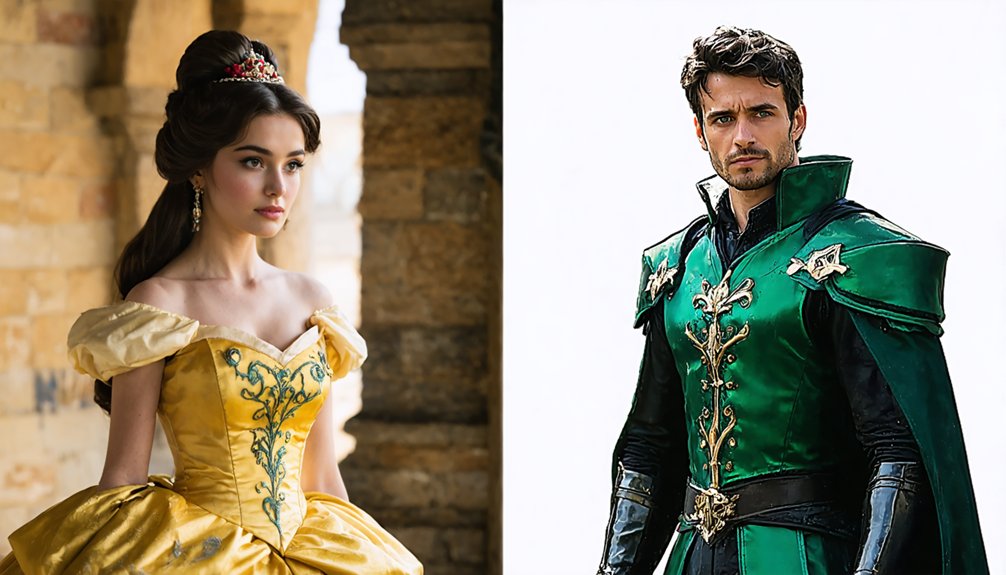
When you approach traditional cosplay, your primary goal centers on accuracy—faithfully recreating a character’s canonical appearance to achieve recognition through fidelity to source material.
Genderbent cosplay, by contrast, positions you as a creative redesigner, where your success depends on reinterpreting a character’s essence rather than replicating their exact look.
These divergent goals reveal how each practice engages differently with gender as a design variable, one treating it as fixed within canon and the other treating it as a site of intentional reimagination.
Accuracy Versus Creative Reinterpretation
Although both approaches share the same foundation of character portrayal, traditional and genderbent cosplay diverge sharply in their creative goals. Traditional cosplay holds you to strict accuracy standards, demanding fidelity to canon design. Genderbent cosplay grants you creative freedoms to reimagine gender-coded elements entirely.
Consider how these goals manifest differently:
- Replication vs. Redesign — Traditional cosplay measures success through source accuracy; genderbent cosplay measures it through recognizable reinterpretation.
- Reference Dependency — Traditional cosplay anchors your design decisions to existing canon imagery; genderbent cosplay requires you to generate original design logic.
- Expression of Identity — Traditional cosplay prioritizes character immersion; genderbent cosplay prioritizes conceptual innovation.
Understanding these distinctions helps you approach each style with intentionality rather than treating them as interchangeable creative practices.
Reimagining Gender Through Character Design
Creative goals don’t just shape how you build a costume—they reveal what you believe a character fundamentally is.
Traditional cosplay treats character identity as fixed, anchoring your artistic expression to source fidelity. Genderbent cosplay challenges that assumption entirely.
When you reimagine a character’s gender identity, you’re initiating character evolution through design innovation. You’re asking what visual and cultural perceptions have shaped the original design—and deliberately dismantling them.
This process drives narrative exploration by exposing how gender-coded aesthetics influence how characters are read and valued.
Fandom reactions often reflect broader tensions around ownership and interpretation.
Your performance dynamics shift too—posing, styling, and presence all adjust to embody a reinterpreted concept.
Genderbent cosplay doesn’t distort a character; it interrogates the assumptions that made the original design feel inevitable.
How Judges and Fans Identify Traditional vs. Genderbent Cosplay
Whether at a convention masquerade or in an online fan community, judges and audiences use distinct but overlapping criteria to distinguish traditional cosplay from genderbent cosplay.
Judging criteria and fan recognition typically center on three performance nuances:
- Accuracy vs. Essence — Traditional cosplay judges evaluate fidelity to source material, while genderbent judging prioritizes how effectively you’ve translated recognizable character traits across presentation styles.
- Design Intent — Judges assess whether costume modifications reflect deliberate reinterpretation rather than incomplete construction.
- Contextual Labeling — Clear self-identification helps judges and fans correctly categorize your work, preventing misclassification between canon-accurate and gender-reimagined entries.
You’ll earn stronger recognition when your presentation styles align with your stated cosplay category, signaling intentionality rather than ambiguity to both analytical judges and innovation-driven fan communities.
Frequently Asked Questions
Can Genderbent Cosplay Win Competitions Against Traditional Cosplay Entries?
Like a bold brushstroke redefining a canvas, genderbent cosplay can absolutely win competitions. You’ll succeed when competition criteria reward creativity and craftsmanship. Judging standards increasingly recognize innovative reinterpretation alongside traditional accuracy, leveling the competitive field.
Is Genderbent Cosplay Considered Disrespectful to the Original Character’s Creator?
You won’t find genderbent cosplay inherently disrespectful; it’s a legitimate form of creative expression. You’re reimagining, not erasing. Most creators recognize character interpretation as transformative fan engagement, reflecting innovation rather than disregarding original authorial intent.
How Do Cosplayers Choose Which Characters Work Best for Genderbending?
Over 60% of genderbent cosplays feature iconic characters. You’ll prioritize character selection by identifying strong visual symbols, then apply creative interpretation to reimagine gender-coded elements while preserving recognizable traits that resonate across intersectional audiences.
Are There Specific Conventions That Ban or Restrict Genderbent Cosplay Entries?
Most conventions don’t explicitly ban genderbent cosplay, but you’ll find some competition categories enforce strict cosplay rules favoring canon accuracy, which inadvertently marginalizes interpretations that challenge gender norms, particularly affecting innovative, intersectional reimaginings of established characters.
Can a Character Without a Defined Gender Still Be Genderbent?
Over 60% of cosplayers creatively reimagine characters. You can absolutely genderbend a genderless character — you’re actively shaping their gender identity through your character interpretation, transforming ambiguity into a deliberate, innovative gendered expression that didn’t previously exist canonically.
References
- https://sunlitcosplay.wordpress.com/2015/09/25/genderbend-vs-crossplay-using-these-terms-correctly/
- https://cosplayadvice.com/genderbent-cosplay/
- https://y0uc4n7kn0w.com/2020/06/08/crossplay-vs-genderbent/
- https://www.youtube.com/watch?v=mTXzb3Fpn48
- https://www.instagram.com/p/CN7XgUHLjGd/
- https://culturewarreporters.com/2014/07/18/my-problems-with-genderbent-cosplay/
- https://nerdfestblog.wordpress.com/2019/05/08/all-about-genderbending/
- https://www.reddit.com/r/cosplayers/comments/2a1qei/help_what_do_you_likedislike_seeing_in_a_gender/
- https://www.facebook.com/groups/kamuicosplaycommunity/posts/928089801027445/
- https://journal.transformativeworks.org/index.php/twc/article/view/1459/2173