Cultural accuracy in cosplay depends on several interconnected factors you can’t afford to overlook. You’ll need solid historical research to understand a garment’s sociopolitical roots. Your material choices must reflect era-specific textures rather than convenient substitutes. You’ve got to handle cultural symbols with informed respect, not reduce them to decoration. Craftsmanship techniques and regional access further shape your representation quality. Explore each factor further to sharpen your cultural cosplay approach.
Key Takeaways
- Historical research ensures accurate representation of culturally rooted characters, preventing misrepresentation and unintentional cultural appropriation.
- Fabric selection significantly impacts cultural authenticity, as specialized textiles better match era-specific tactile qualities than convenience materials.
- Understanding cultural symbols requires thorough research and community consultation to avoid reducing meaningful symbols to mere decoration.
- Skilled craftsmanship in textiles, sculpture, and face paint is essential for replicating culturally specific costume components accurately.
- Geographic location influences material access, shaping both costume accuracy and the quality of cultural representation in cosplay.
Why Historical Research Makes or Breaks Cultural Cosplay Accuracy
When you’re cosplaying a culturally rooted character, historical research isn’t optional—it’s foundational. Without it, you risk misrepresenting the cultural narratives embedded within the costume’s origin, reducing meaningful heritage to hollow aesthetic.
Historical garments carry sociopolitical weight. Each stitch, dye, and silhouette reflects a civilization’s values, struggles, and identity. When you understand that context, your portrayal gains precision and depth that separates authentic representation from surface-level imitation.
Research also shields you from unintentional appropriation. By tracing a costume’s cultural trajectory, you distinguish between borrowing respectfully and distorting heritage carelessly. The sociopolitical climate surrounding a character intensifies this responsibility further.
Ultimately, historical research transforms your cosplay from a replica into a culturally intelligent statement—one that innovates without erasure.
How Material Choices Determine Cultural Accuracy in Cosplay
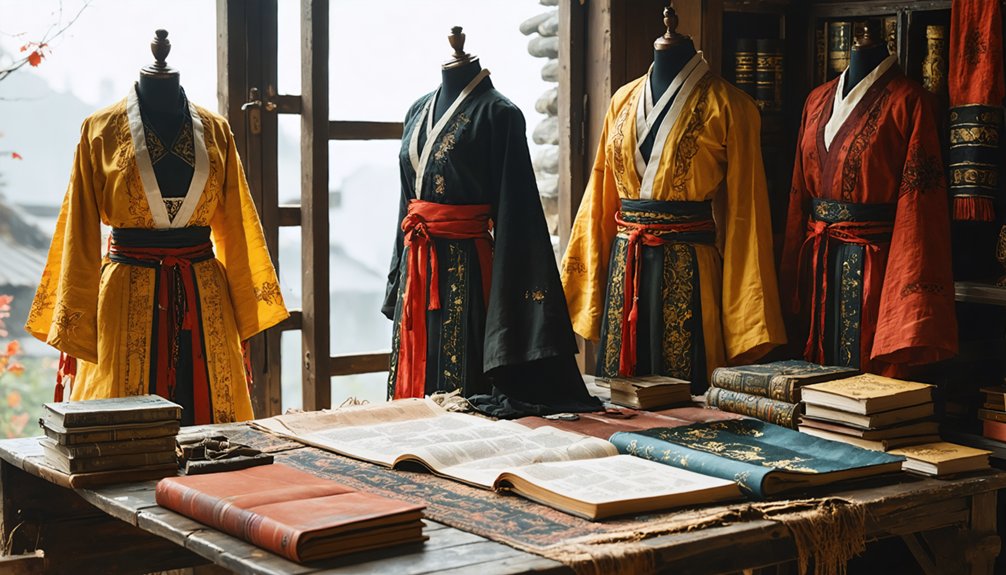
Beyond research, your hands must speak the same cultural language as your mind. Fabric selection directly determines whether your costume honors or distorts cultural authenticity. You can’t replicate a Han dynasty robe using polyester when silk carries both visual and symbolic weight.
Texture authenticity separates superficial imitation from genuine representation. Specialized textiles match era-specific tactile qualities that audiences instinctively recognize.
When you source resin casting for intricate accessories or use 3D printing for structural components, you’re bridging cultural precision with modern innovation.
Material choices also communicate respect. Sacred garments often require specific fibers with deep cultural meaning.
Substituting convenience materials signals carelessness.
Your sourcing decisions ultimately reflect your commitment to honoring the character’s cultural origins rather than simply approximating their visual appearance.
How to Handle Cultural Symbols Without Causing Offense?
Cultural symbols carry layered meanings that shift across communities, histories, and spiritual frameworks, so you must approach them with informed intentionality rather than aesthetic convenience.
Cultural appropriation occurs when you strip symbols of their context, reducing sacred or historically significant elements into decorative novelty. Respectful representation demands that you research symbol significance before integrating any cultural marker into your costume.
Reducing culturally significant symbols to decoration strips their meaning, making research before costume integration an ethical necessity.
You should consult community members, academic ethnographies, and cultural organizations to verify whether a symbol carries religious, ancestral, or political weight.
Heritage awareness transforms your creative decisions from assumptions into informed choices. If a symbol’s sacred nature restricts outside use, you must honor that boundary without compromise.
Prioritizing cultural consultation over visual appeal demonstrates the analytical rigor that distinguishes authentic cosplay craftsmanship from performative costume construction.
Craftsmanship Techniques for Culturally Accurate Cosplay
Craftsmanship techniques determine whether your cosplay achieves cultural authenticity or merely approximates it. You’ll need textile expertise to replicate era-specific fabrics, sculpture skills for non-fabric components, and face paint precision to mirror on-screen characteristics accurately.
Material Authenticity and Sourcing
Sourcing specialized materials—resin casting, 3D printing, period-correct fabrics—elevates your costume beyond surface-level imitation into genuine cultural preservation.
Artistic Craftsmanship and Detail
Your handmade percentage directly signals authenticity. Each stitch, carved detail, and painted surface communicates your understanding of the culture you’re representing.
Character Faithfulness and Adaptation Balance
Balance fidelity to source material with creative interpretation. Competition judges reward accuracy, but cultural communities respect craftsmanship techniques that demonstrate genuine research rather than decorative approximation of their heritage.
How Regional Access and Culture Shape Your Cosplay Accuracy Choices?
Where you live shapes your cosplay accuracy as powerfully as your skill level does. Regional influences determine what costume materials you’ll access, which directly impacts your cultural representation quality.
Here’s how geography transforms your approach:
- Eastern cosplayers prioritize precise detail, sourcing specialized fabrics that honor local traditions authentically.
- Western cosplayers navigate access challenges by emphasizing creative interpretation, converting design creativity into a competitive strength.
- Resource-limited regions innovate aggressively, substituting unavailable materials with locally sourced alternatives that still achieve cultural authenticity.
Your location isn’t just a backdrop—it’s an active variable in your creative equation. You’ll either leverage nearby specialized suppliers or engineer solutions around scarcity.
Both paths demand analytical thinking, cultural awareness, and technical adaptability that ultimately define your costume’s cross-cultural integrity.
Frequently Asked Questions
How Does Character Faithfulness Balance With Personal Creative Adaptation in Cosplay?
Over 60% of cosplayers blend faithfulness with personal flair. You balance character interpretation by honoring core design elements while infusing creative expression that reflects your unique perspective, ensuring the costume feels authentic yet innovatively personal.
Can Cosplayers of Any Ethnicity Portray Characters From Different Cultural Backgrounds?
Yes, you can portray characters from different cultural backgrounds, but you’ll need to prioritize respectful cultural representation. Thoughtful identity exploration means avoiding harmful stereotypes, honoring symbolic accessories, and researching traditional garments to prevent misrepresentation of diverse heritage.
How Does Fidelity to Source Material Affect Cosplay Competition Judging Criteria?
Like a compass guiding explorers, source material anchors competition judging criteria. You’ll find judges scrutinize your costume’s fidelity, measuring how authentically you’ve translated cultural elements across mediums, rewarding accuracy while valuing innovative cross-cultural interpretation.
What Distinguishes Cultural Appreciation From Cultural Appropriation in Cosplay Costumes?
You distinguish appreciation from appropriation by researching cultural symbols deeply, ensuring ethical representation, and honoring a costume’s heritage. When you’re respectful, informed, and avoid stereotyping, you’ll transform cosplay into genuine cross-cultural celebration rather than harmful mimicry.
How Do Sociopolitical Climates Influence the Perception of Culturally Accurate Cosplay?
Celebrated yet contested, sociopolitical climates shape how you navigate identity representation in cosplay. They’ll intensify scrutiny of historical context, transforming costumes into cultural statements that either bridge divides or deepen tensions across communities.
References
- https://www.academia.edu/67840714/Cosplay_as_vernacular_adaptation_the_argument_for_adaptation_scholarship_in_media_and_cultural_studies
- https://muse.jhu.edu/article/900176/summary
- https://starstruckpanda.com/ethnic-authenticity-in-cosplay-costumes/
- https://repository.lib.ncsu.edu/server/api/core/bitstreams/3242e9ff-fd07-4973-ac24-592a47b16f9c/content
- https://www.mmoday.com/cosplay-and-historical-accuracy-how-close-is-too-close/
- https://papers.iafor.org/wp-content/uploads/papers/bamc2023/BAMC2023_72877.pdf?t=8
- https://www.youtube.com/watch?v=fm4CxNdBQBY
- https://www.facebook.com/groups/TwinCitiesGeeks/posts/1797060666989985/
- https://www.itstartswithadam.com/blog/is-there-a-psychology-of-cosplay
- https://snowicosplay.de/en/cosplay-en/cosplay-and-culture-how-different-regions-influence-costume-design