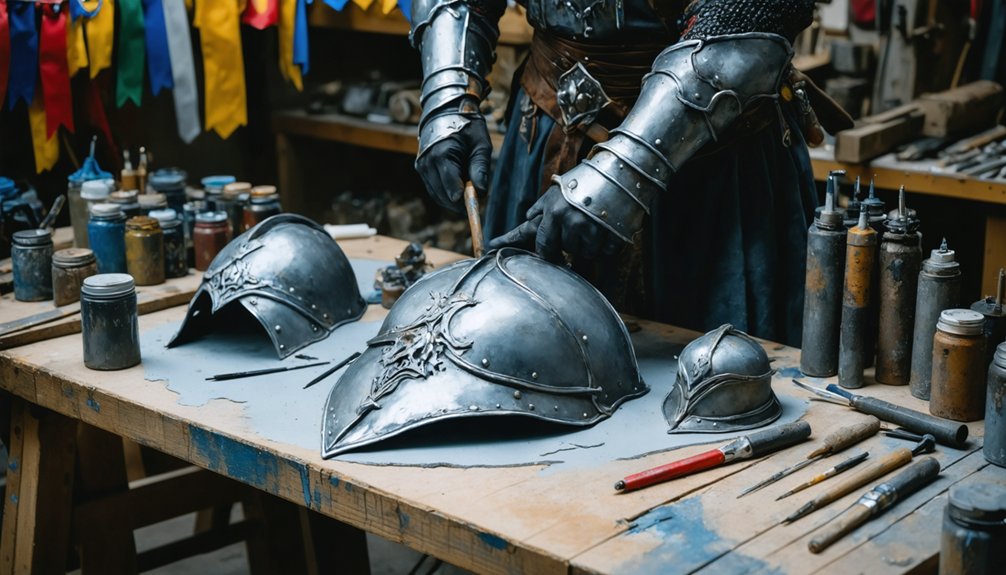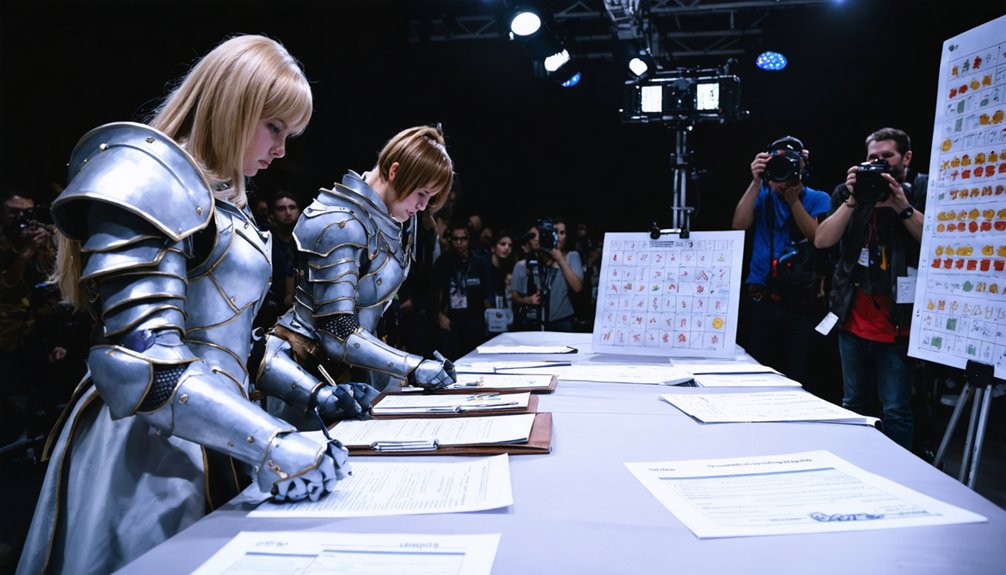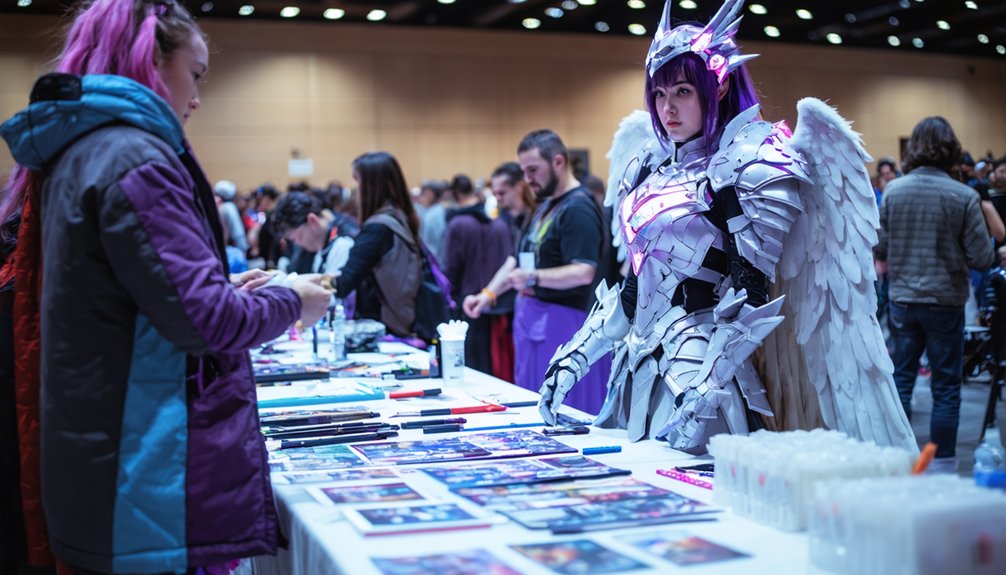
These cosplay competition tips are essential in 2021 because one missed rule can disqualify you before judges ever see your work. You’re competing against builders who understand construction standards, division strategy, documentation, and stage presence. Knowing what judges actually score—seams, fit, handmade percentage, and prejudging delivery—gives you a real competitive edge. Proper nutrition, early arrival, and a polished build book separate prepared competitors from panicked ones. Keep going to master every layer of what winning actually requires.
Key Takeaways
- Following contest rules precisely prevents disqualification, ensuring your craftsmanship is actually evaluated by judges.
- Choosing the correct division guarantees fair comparison against competitors with similar experience and skill levels.
- Strong documentation through build books proves handmade construction and demonstrates serious competitive intent.
- Proper nutrition and hydration sustain energy and focus during long, demanding competition days.
- Rehearsed stage presence and confident movement maximize the visual impact of your costume’s craftsmanship.
How Contest Rules Determine Whether Your Cosplay Qualifies
Before you invest hundreds of hours building a costume, you need to read the contest rules — because missing a single requirement can get you disqualified regardless of construction quality.
Before spending hundreds of hours on a build, read the rules — one missed requirement can disqualify even the best costume.
Some competitions require roughly 70% handmade construction, which directly affects your fabric sourcing decisions and how much prefabricated material you can incorporate. Rules also govern presentation format, material documentation, and division eligibility.
Entering a beginner division can reduce competitive pressure by matching you against similarly experienced builders.
You’ll also want to think practically — costume storage and transport conditions matter when rules require you to present a pristine build.
Check submission deadlines, prejudging requirements, and any material restrictions before you start constructing.
Rule compliance isn’t optional; it’s the foundation that determines whether your costume even gets evaluated.
Pick the Right Cosplay Contest Division for Your Level
Once you’ve confirmed your costume meets the rules, your next decision is which division to enter — and that choice can determine whether you’re set up to succeed or simply outmatched from the start.
Beginner divisions exist precisely to match new competitors against peers with similar experience, giving your work a fair evaluation rather than stacking you against veterans with advanced fabric sourcing networks and refined cosplay accessories.
Entering too high a division means judges score your build against expectations you haven’t yet developed the techniques to meet.
Entering too low risks undermining your credibility.
Assess your construction history honestly, review how each division defines experience, and place yourself where your current skill level genuinely belongs.
Smart division selection isn’t modest — it’s strategic.
Cosplay Construction Details Judges Actually Score
Choosing the right division sets the stage, but what actually moves the needle in scoring is how well your costume is constructed. Judges actively evaluate seam quality, edge finishing, and silhouette proportion.
Sloppy raw edges or wrinkled fabric signal rushed work, while pressed seams and refined collars demonstrate deliberate craftsmanship.
Fabric dyeing elevates originality and shows technical investment beyond basic store-bought materials. When you dye your own textiles, judges recognize the added complexity.
Similarly, thoughtful accessory sourcing—choosing hardware, trim, and embellishments that match scale and period accuracy—signals design intention rather than convenience.
Fit matters considerably. A distorted silhouette weakens an otherwise strong build.
Prioritize proportion, clean construction, and intentional material choices. These details separate competitive entries from costumes that simply look good from a distance.
How to Build a Cosplay Build Book That Proves You Made It
Strong documentation can be the difference between a judge taking your craftsmanship claims seriously and dismissing them entirely. Your build book should function as evidence, not decoration.
Include progress photos from early construction stages, since cosplay photography taken mid-build proves you didn’t purchase or commission the piece.
Document your fabric sourcing decisions by noting where materials came from and why you selected them. Attach swatches directly to the page when possible.
Add reference images showing multiple angles of the source material, including fine details like buttons, trim, and hardware.
Write brief notes explaining construction choices, pattern alterations, and technique selections. Judges often have limited assessment time, so organize everything clearly.
A printed, well-structured build book consistently outperforms a phone gallery and signals serious competitive intent.
What to Say at Cosplay Prejudging When You Have One Minute?
Prejudging often gives you roughly one minute to make your case, so you can’t afford to wing it — rehearse your talking points until they flow naturally.
Lead with what makes your build stand out: custom patterns, specialized techniques, or unconventional material choices that a judge might otherwise overlook.
A tight, confident explanation signals preparation and respect for the process, both of which judges consistently reward.
Rehearse Your Key Points
When judges give you roughly one minute to explain your costume, every second counts. Rehearse your talking points until they’re second nature, so you’re not fumbling for words under pressure.
Structure your explanation around four priorities:
- Custom patterns – Highlight unique pattern drafting or modifications you engineered.
- Fabric selection – Explain why specific materials best captured your character’s design intent.
- Specialized techniques – Name construction methods that elevated your build’s quality.
- Costume accessories – Briefly address handmade props or embellishments that reinforce authenticity.
Avoid rambling or apologizing for imperfections. Judges reward clarity and confidence.
Practicing your pitch aloud, ideally timed, lets you identify weak explanations before they cost you points during actual prejudging.
Highlight Unique Construction Choices
Rehearsing your talking points gets you ready to speak — but *what* you say about your construction choices determines whether judges walk away impressed.
Lead with your strongest technical decisions. If you used fabric manipulation — draping, pleating, or distressing — name the technique and explain why it served the design. If accessory customization involved casting, etching, or hand-painting, state that clearly.
Judges reward intentionality, so connect each choice to a specific visual or structural goal. Avoid vague language like “I worked really hard on this.” Instead, say what problem you solved and how you solved it.
Prioritize custom pattern work, non-standard materials, and methods that distinguish your build. One minute moves fast — make every sentence carry weight.
Does Your Cosplay Meet the Handmade Percentage Requirement?
Before you register for any cosplay competition, check whether the event requires a minimum handmade percentage—some contests set that threshold at roughly 70% or higher.
Missing this requirement means instant disqualification, regardless of craftsmanship quality. Review these critical compliance checkpoints:
Missing the handmade percentage threshold means instant disqualification—no exceptions, regardless of how flawless your craftsmanship is.
- Calculate which components you constructed versus purchased, ensuring your fabric choice supports handmade classification.
- Confirm that costume durability standards meet competition wear requirements, since flimsy builds may signal shortcuts to judges.
- Document every handmade element with progress photos to substantiate your percentage claim during prejudging.
- Cross-reference the official rulebook against your finished build before submission deadlines.
Rule compliance isn’t optional—it’s foundational. You can execute flawless construction and still lose eligibility by overlooking a single requirement buried in the contest guidelines.
Why Your Stage Walk Still Matters in Craftsmanship Judging
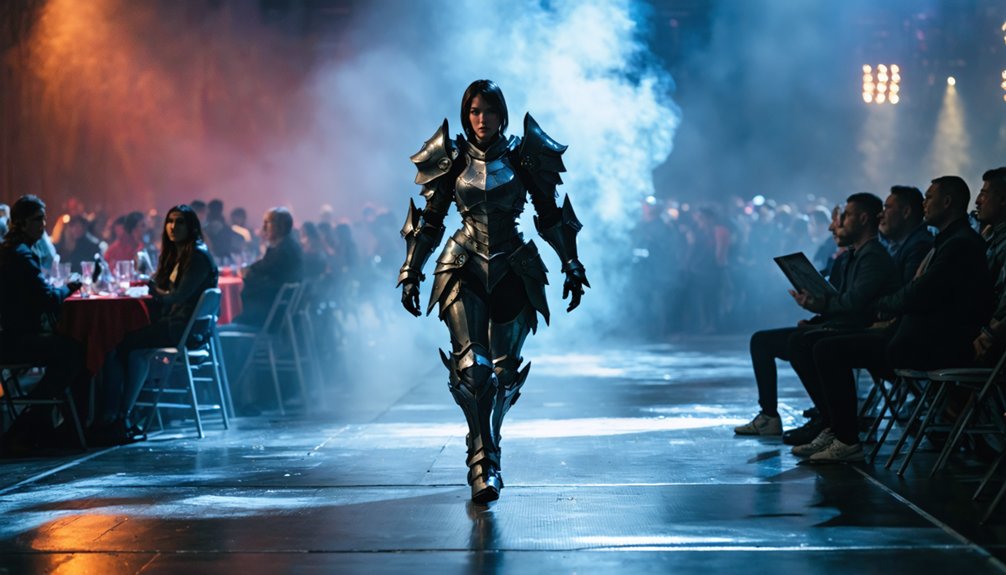
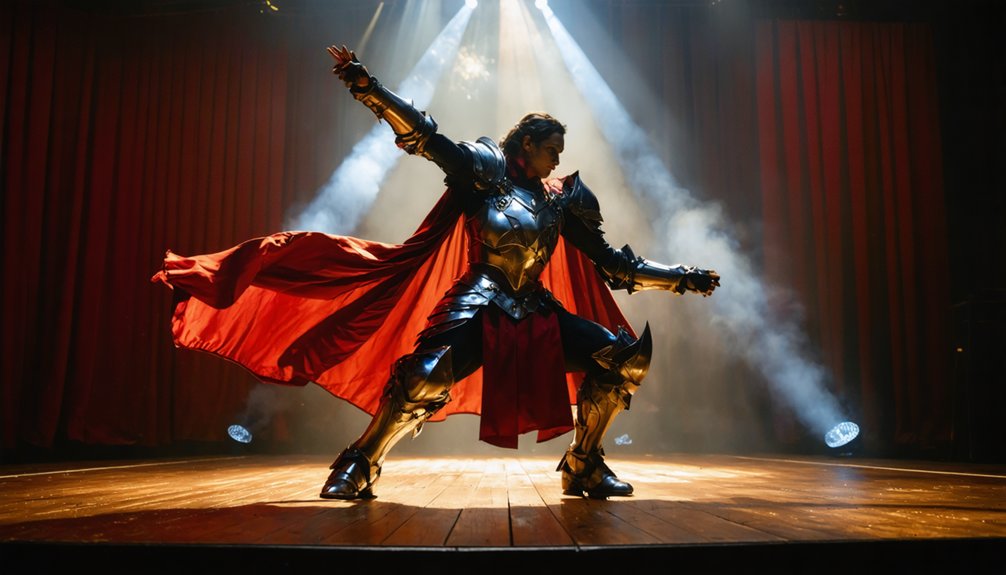
Rule compliance gets you through the door, but your stage walk shapes the final impression judges carry into scoring. Even in craftsmanship-focused contests, your stage presence influences how judges perceive the overall build. A polished costume loses impact when movement feels hesitant or unplanned.
Rehearse your poses and transitions before contest day. Confident, deliberate movement reinforces the quality you’ve built into every seam and edge.
Strong character portrayal signals that you understand the source material, which adds depth to your presentation beyond construction alone.
Keep your stage responses short and focused. Bright lights can wash out fabric and makeup, so plan your visual choices accordingly.
Judges remember how a costume reads from a distance, so carry your work onto that stage with intention and control.
Logistics, Food, and Timing That Keep You Contest-Ready
Finish your costume completely before you pack for the event, because last-minute repairs on contest day drain the focus you’ll need for prejudging and performance.
Arrive early so you can set up your documentation, settle your nerves, and handle unexpected adjustments without rushing.
Pack food and snacks, since contest days run long and low energy will hurt both your judging session and your stage presence.
Arrive Early For Prejudging
Arriving early for prejudging gives you a real edge on contest day, because rushed entrants almost always make avoidable mistakes. Early arrival lets you settle in, verify your costume accessories are intact, and touch up makeup techniques before judges ever see you.
Prioritize these four actions:
- Confirm your prejudging time slot immediately upon arrival
- Inspect every costume accessory for damage from transport
- Reapply or correct any makeup techniques affected by travel
- Organize your documentation, references, and build materials before your session begins
Judges reward prepared competitors. When you’re calm and organized, your explanations are sharper, your confidence reads clearly, and your overall presentation strengthens.
Stress degrades performance, and late arrivals compound every small problem. Early arrival isn’t optional—it’s a competitive strategy.
Pack Food For Stamina
Contest days can stretch many hours, and your energy levels directly affect how you present yourself to judges, move on stage, and manage last-minute costume fixes. Skipping meals leads to poor focus, shaky hands, and missed opportunities during prejudging.
Pack portable, non-messy snacks that won’t risk staining your costume or disrupting costume storage arrangements in your bag. High-protein options stabilize energy better than sugar-heavy alternatives that cause crashes mid-competition.
Stay hydrated, especially under hot stage lighting that drains stamina faster than you’d expect. If you’re also handling cosplay photography sessions between rounds, sustained energy keeps your posing sharp and your expressions consistent.
Treat nutrition as a strategic tool, not an afterthought, because physical readiness directly translates into stronger competitive performance throughout the entire event.
Finish Costume Before Travel
Leaving any part of your costume unfinished until travel day is one of the most preventable mistakes a competition entrant can make. Travel stresses every seam, joint, and embellishment, so costume durability depends on completing and testing your build beforehand.
Smart fabric selection also means confirming how materials handle folding, humidity, and handling during transport.
Finish strong by following these four priorities:
- Complete all seams, edges, and closures at least two days before departure.
- Test costume durability by wearing the full build through movement and sitting.
- Confirm fabric selection holds up under stress—check for fraying or warping.
- Pack components securely using structured cases or padded bags to prevent damage.
Arriving with a finished, travel-tested costume lets you focus entirely on competing.
Frequently Asked Questions
Can Judges Penalize You for Wearing a Costume From a Lesser-Known Fandom?
Judges don’t penalize you for fandom recognition gaps. Your costume originality and construction quality drive scores. You’ll shine by showcasing clean builds, strong documentation, and confident presentation, regardless of how obscure your chosen fandom is.
How Do Bright Stage Lights Affect Fabric Color Choices for Competition?
Bright stage lights wash out matte fabrics and amplify fabric sheen unexpectedly. You’ll want to evaluate light reflection carefully, choosing colors that retain vibrancy under intense illumination, ensuring your costume’s visual impact stays bold and competition-ready.
Should You Repair Costume Damage During the Contest Day if It Occurs?
If your costume explodes into chaos, fix it fast. Cosplay repair saves your score—don’t let costume damage wreck hours of effort. You’ll present a polished, confident build that judges can’t ignore.
Does Competing in Multiple Divisions at One Event Affect Your Judging Scores?
Competing in multiple divisions can split your focus and hurt your scores. Strong contest preparation and cosplay etiquette demand you dedicate full energy to one division, ensuring judges see your sharpest, most polished work.
How Does Sportsmanship Behavior Influence Judge Perception After Scoring Ends?
With judges observing 100% of your post-score conduct, your sportsmanship directly shapes judge bias. You’ll boost audience engagement by staying positive, and that energy influences how organizers remember you for future opportunities.
References
- https://www.reddit.com/r/CosplayHelp/comments/1kqmhgm/what_does_it_take_to_win_a_craftsmanship_contest/
- https://www.reddit.com/r/CosplayHelp/comments/1fnah4y/what_does_it_take_to_win_a_cosplay_competition/
- https://andsewingishalfthebattle.tumblr.com/post/137705078630/the-novices-guide-to-cosplay-competition
- https://www.youtube.com/watch?v=En-_syUbpek
- https://www.youtube.com/watch?v=47ELCPnOetw
- https://www.youtube.com/watch?v=3dKs5i8I1Ik
- https://www.costumary.com/cosplay-competition-tips