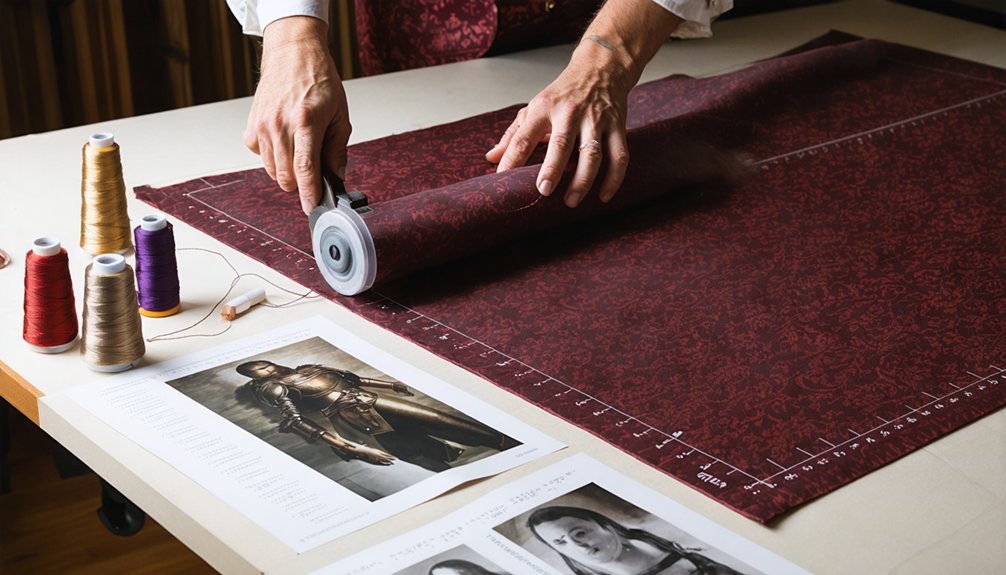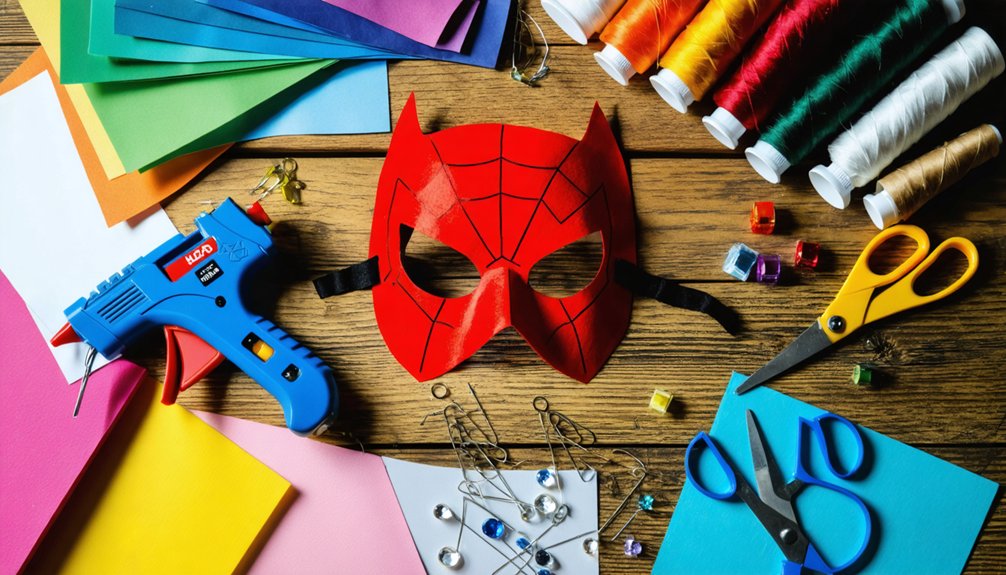
You can build a stunning DIY costume for under $50 when you plan carefully and shop smart. Start by writing down every expected cost, then compare prices across Etsy, Amazon, and thrift stores before buying anything. Swap pricey fabrics for craft foam, felt, or polycotton alternatives. Focus your best materials on high-visibility zones like your face and upper body. Build a reference board early to lock in your design — and there’s plenty more strategy ahead.
Key Takeaways
- Plan your full budget upfront, listing all materials and tools, then use coupons, bulk buying, and price alerts to reduce costs.
- Build a detailed reference board organizing images by costume section to guide accurate material selection and avoid costly guesswork.
- Use everyday clothing as structural foundations and simple geometric shapes to minimize pattern drafting, fabric waste, and construction time.
- Prioritize quality materials for high-visibility areas like the face and upper body, using cheaper alternatives elsewhere.
- Start with a functional mockup using scrap materials, refine the fit, then upgrade details and accessories in planned phases.
Start With a Budget Before You Buy Anything
Before you buy a single spool of thread or sheet of craft foam, write down every expected cost — materials, tools, accessories, and any finishing supplies. Break the costume into components: clothing, props, and embellishments. Assign spending priority to the most visible pieces first.
Build a reference board from multiple images to lock in your color theory decisions early. Knowing your palette prevents duplicate purchases and mismatched dye lots. Similarly, identify which sewing techniques the build requires — flat-felled seams versus simple straight stitching demand very different material investments.
Allow time for staged purchasing across multiple pay periods when your budget is tight. A clear, itemized plan keeps your creative vision intact without derailing your finances before construction even begins.
Build a Reference Board to Cut Costly Mistakes
Once your budget is itemized, a reference board becomes your next line of defense against wasted spending. Pull images from multiple angles, lighting techniques, and settings so you capture how your character’s color palette shifts under different conditions.
Pin screenshots, fan art, and official promotional images together to identify consistent design patterns across sources. This visual map lets you cross-reference every component—fabric texture, trim placement, prop scale—before you spend a dollar.
You’ll spot inconsistencies early and eliminate materials that don’t serve the final look. Organize your board by costume section: upper body, lower body, accessories, and props. When you shop, bring the board along as a filter. If a material doesn’t match what’s pinned, you skip it, protecting both your budget and your design integrity.
Choose Costume Shapes That Cost Less to Build
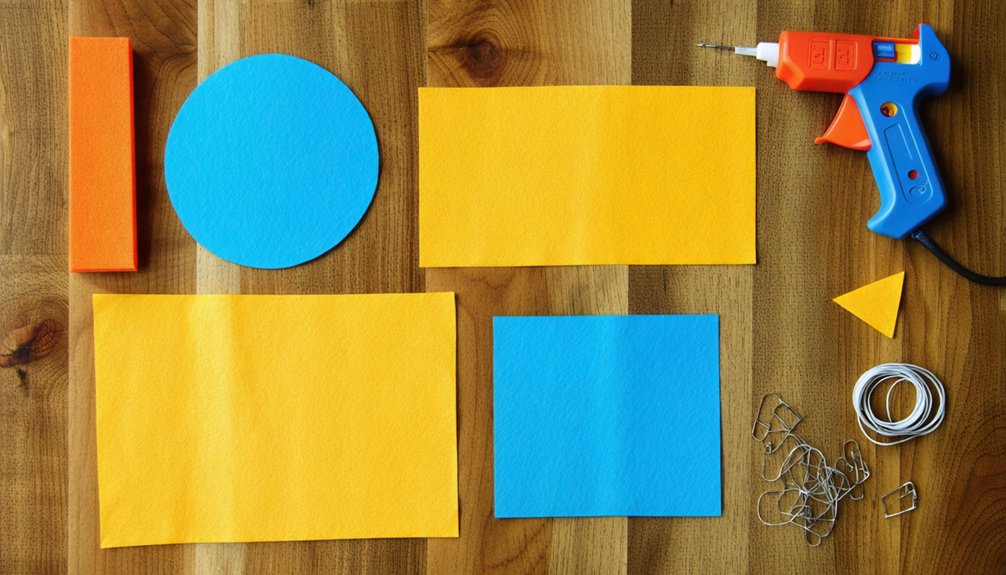
When you’re selecting a character to build, prioritize costumes built around geometric silhouettes—rectangles, cylinders, and basic draped forms—since these shapes translate directly into straight cuts, fewer seams, and reduced fabric waste.
You’ll also cut costs considerably by anchoring the design to everyday clothing you already own or can find cheaply, such as hoodies, leggings, or plain t-shirts, which eliminate the need to construct entire base garments from scratch.
Treat simple shapes and ready-made clothing as your structural foundation, then layer embellishments strategically to achieve character accuracy without overbuilding.
Simple Shapes Save Money
Choosing a costume built around simple geometric shapes—rectangles, circles, and basic cylinders—can cut both material costs and construction time considerably. A rectangular tunic, for example, requires minimal pattern drafting—just measured cuts and straight seams. Circular skirts need one formula and a single fabric panel. You’ll spend less on materials because simple silhouettes waste fewer fabric remnants during cutting.
Apply color coordination strategically across each component, letting a unified palette signal character identity without complex construction. Accessory matching reinforces recognition further—a coordinated belt, hat, or collar carries significant visual weight at low cost.
Prioritize the costume’s most recognizable silhouette first, then layer embellishments selectively. Simple shapes also scale well across skill levels, making them ideal for first builds or tight deadlines.
Everyday Clothing Reduces Costs
Everyday garments—hoodies, leggings, plain t-shirts, and basic trousers—already solve three of your biggest construction problems: fit, structure, and base fabric. Instead of building from scratch, you’re modifying an existing shell, which cuts both material costs and construction time considerably.
Start with color coordination as your foundation. Match your base garment’s tone to your character’s palette, then layer strategic embellishments on top. This approach reduces dye costs and unnecessary fabric purchases.
Thrift stores supply vintage accessories—belts, scarves, pins, and collars—that transform ordinary clothing into recognizable character pieces without custom construction.
A plain black hoodie becomes tactical gear with the right hardware; basic leggings become armor with craft foam overlays.
Prioritize modification over fabrication, and your budget stretches further across every build.
Hit Thrift Stores First for Cheap Costume Pieces
Before spending a dollar at a fabric store, hit your local thrift shop and scan every rack for jackets, pants, shirts, and skirts that match your costume’s silhouette.
You’ll often find large sheets and curtains in the linen section that cut down into usable costume fabric for just a few dollars.
Once you’ve pulled your secondhand haul, treat each piece as a base layer you’ll modify with paint, foam details, or embellishments rather than a finished product you wear straight off the hanger.
Finding Base Garments Cheaply
Thrift stores are your first stop when building a costume on a budget, because they stock the kind of base garments—jackets, shirts, pants, skirts—that would cost substantially more new. Scan the linen section too, since sheets and curtains yield generous fabric cuts for pennies per square foot.
Target plain, versatile pieces—hoodies, leggings, plain tees—that accept modification without structural resistance. Prioritize fabric maintenance from the start; inspect every secondhand item for stains, loose seams, or odor before purchasing, since flawed material wastes alteration time.
Once you’ve finished the build, smart costume storage—breathable garment bags, acid-free tissue padding—keeps thrifted pieces intact for future projects. Treat each secondhand find as a structural foundation, not a finished product, and your design flexibility increases dramatically without budget strain.
Transforming Secondhand Clothing Pieces
Once you’ve sourced a secondhand piece, the real work begins: reading its construction and identifying exactly where cuts, dyes, or additions will redirect its identity toward your costume’s target silhouette. Examine seam lines, fabric weight, and existing structure before committing to any modification.
Fabric dyeing transforms a dated garment’s colorway entirely—use fiber-reactive dye on natural fabrics and synthetic dye blends on polyester blends for accurate results. Bleach-discharge techniques create reverse patterns without additional pigment costs.
Cut aggressively where silhouette demands it, then reinforce raw edges with a serger or fray-check solution. Layer costume accessories—belts, epaulettes, attached panels—directly onto the altered base using fabric glue or stitching to build character-specific identity.
Each modification compounds, converting an unremarkable thrift find into a precise, recognizable costume component.
Swap Expensive Fabric for These Cheap Materials
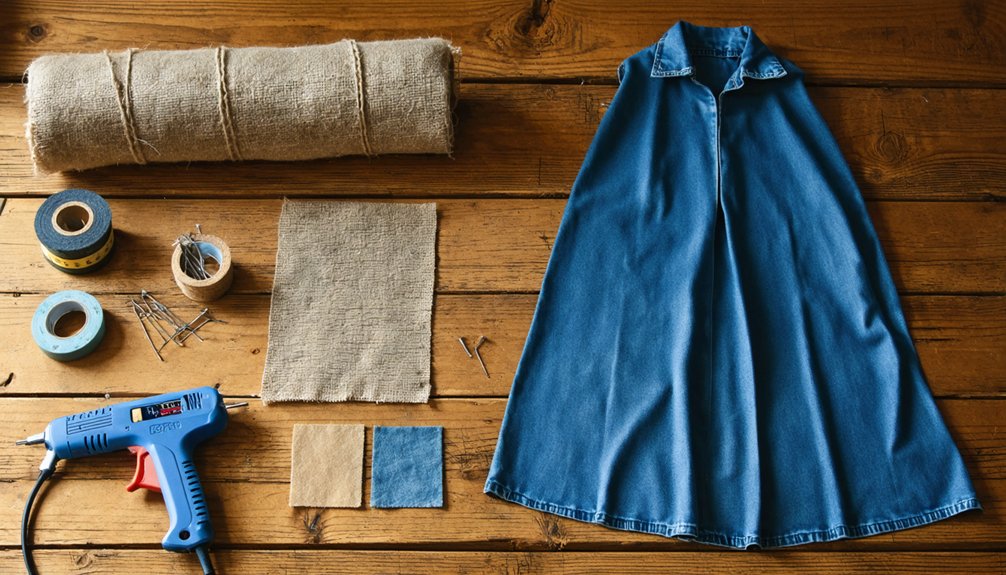
Swapping pricey fabric for cheaper alternatives doesn’t mean sacrificing quality — it means knowing which materials perform the same job for a fraction of the cost. Polycotton delivers durability and accepts dye well, making color coordination straightforward across multiple costume components.
Craft foam mimics rigid fabric texture without the bulk or expense, and it cuts cleanly into precise shapes. Felt eliminates fraying, so you’ll skip hemming entirely on smaller pieces.
Cardboard, duct tape, and spray paint replicate structured panels convincingly when layered strategically. Check thrift store linen sections for sheets and curtains — these large-format materials often yield several yards of usable costume fabric cheaply.
Keep remnants organized by fabric texture and tone so future builds pull from your existing inventory first.
Make a Test Version Before Cutting Your Costume Fabric
Cutting into your best fabric before confirming the fit is one of the fastest ways to waste both money and material. Instead, build a mockup first. Grab scrap fabric, old sheets, or even newspaper for pattern testing before committing to your final cuts.
This fabric sampling stage lets you identify proportion errors, awkward seam placements, and fit issues while the stakes are still low.
Pin your test version together, put it on, and move around in it. Note every adjustment directly on the mockup pieces, then transfer those corrections to your pattern.
You’ll refine the silhouette, confirm measurements, and lock in your construction sequence before touching premium material. That single extra step protects your budget and eliminates the guesswork that derails most costume builds.
Coupons, Bulk Buying, and Online Deals That Cut Costs
Smart shopping before you spend a single dollar can stretch your costume budget further than any single material swap. Sign up for craft store newsletters to access discount codes before purchasing fabric, foam, or paint.
Smart shopping before spending a single dollar stretches your costume budget further than any material swap alone.
Compare prices across online marketplaces like Etsy, Amazon, and AliExpress, where bulk listings often undercut local retail considerably.
Buy staple supplies — glue sticks, spray paint, elastic, and interfacing — in larger quantities only when you’ll reuse them across multiple builds.
Stack manufacturer coupons with weekly store sales to amplify your savings on a single transaction.
Set price alerts for specific materials and purchase ahead of your deadline, since last-minute buying eliminates your ability to comparison shop effectively.
Focus Spending on the Details People Actually See First
Knowing where to spend matters just as much as knowing where to save. Your costume’s impact lives in its most visible zones—the face, upper body, and dominant accessories. Direct your material selection toward these high-visibility areas first, then scale back spending on elements viewers rarely notice, like inner linings or rear hems.
Accessory prioritization is your strategic edge. A precisely crafted prop or detailed headpiece draws attention far more effectively than a perfectly sewn back seam. Allocate your best materials—quality foam, crisp fabric, metallic paint—where eyes land immediately.
Use cheaper alternatives in low-visibility zones. Break your design into visibility tiers, assign spending accordingly, and you’ll build a costume that reads as polished and intentional without exhausting your budget on details nobody examines.
Upgrade Later Instead of Overspending Now
When your first build runs short on time or money, saving advanced details for a later upgrade version protects both your budget and your deadline. Launch with a functional costume, then refine it systematically once resources allow.
- Swap basic fabric alternatives like felt or polycotton for higher-quality materials in version two, improving texture and durability without restarting from scratch.
- Prioritize costume accessories—belts, props, and trims—as modular additions you can attach later without altering the base garment.
- Document every design decision during the first build so your upgrade path stays precise and intentional.
This phased approach lets you debut on time while maintaining a clear roadmap toward a polished final version. You’re building iteratively, not cutting corners permanently.
Frequently Asked Questions
How Do I Store Leftover Costume Materials Between Projects Safely?
A stitch in time saves nine—keep your costume material organization tight by sealing fabric scraps, foam, and trims in labeled, airtight storage container options like bins or vacuum bags, protecting them from moisture and dust between projects.
Can Children Safely Use Craft Foam and Spray Paint Independently?
Children can safely use craft foam independently, but spray paint requires your direct adult supervision. Apply safety precautions like ventilation and gloves. Follow supervision tips: demonstrate technique first, then monitor each spray session closely.
Which Online Marketplaces Offer the Cheapest Secondhand Costume Pieces?
You’ll find the cheapest secondhand costume pieces on eBay, Poshmark, Facebook Marketplace, and ThredUp. These platforms excel at costume material sourcing and offer budget-friendly accessories, letting you score unique, innovative components at dramatically reduced prices.
How Do I Clean and Sanitize Thrifted Clothing Before Wearing It?
Like a knight restoring old armor, you’ll wash thrifted finds in hot water with white vinegar, then machine-dry on high. This guarantees costume preservation and proper fabric care before your creative transformation begins.
Are There Communities Where Costumers Trade or Share Free Materials?
You’ll find costume material exchanges thriving on Reddit, Facebook Groups, and Discord servers dedicated to cosplay. These free resource sharing hubs let you swap foam, fabric scraps, and patterns directly with innovative makers worldwide.
References
- https://www.youtube.com/watch?v=8d1TMa3x-9E
- https://www.linkedin.com/advice/0/how-do-you-design-costumes-budget-skills-theatrical-production
- https://www.youtube.com/watch?v=pry2usv0CCc
- https://www.youtube.com/watch?v=arJ7yBiPfYA
- https://www.housewitheva.com/unique-diy-costume-ideas/
- https://www.crazecosplay.com/blogs/questions/how-to-make-cheap-cosplay
- https://www.zleague.gg/theportal/budget-cosplay-guide/