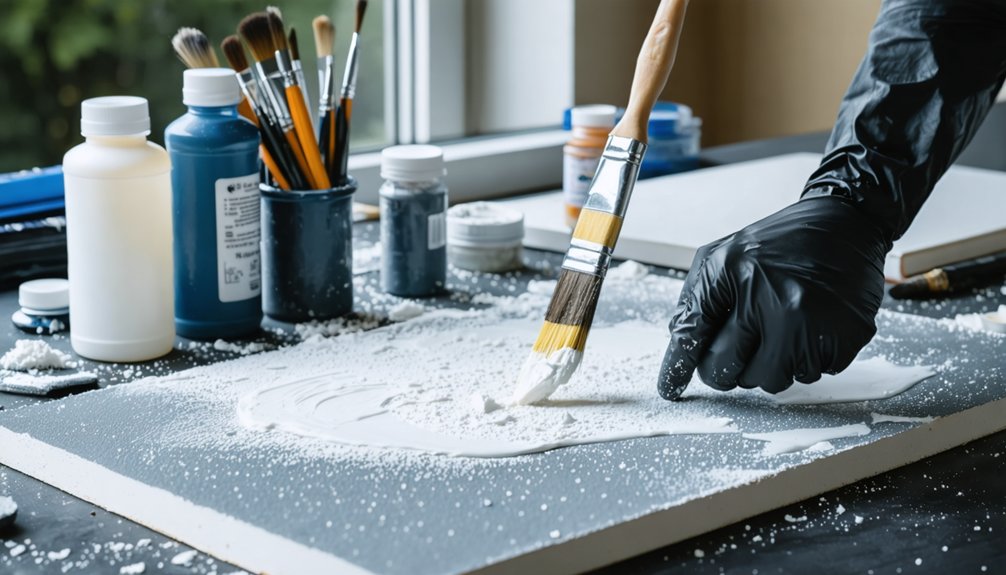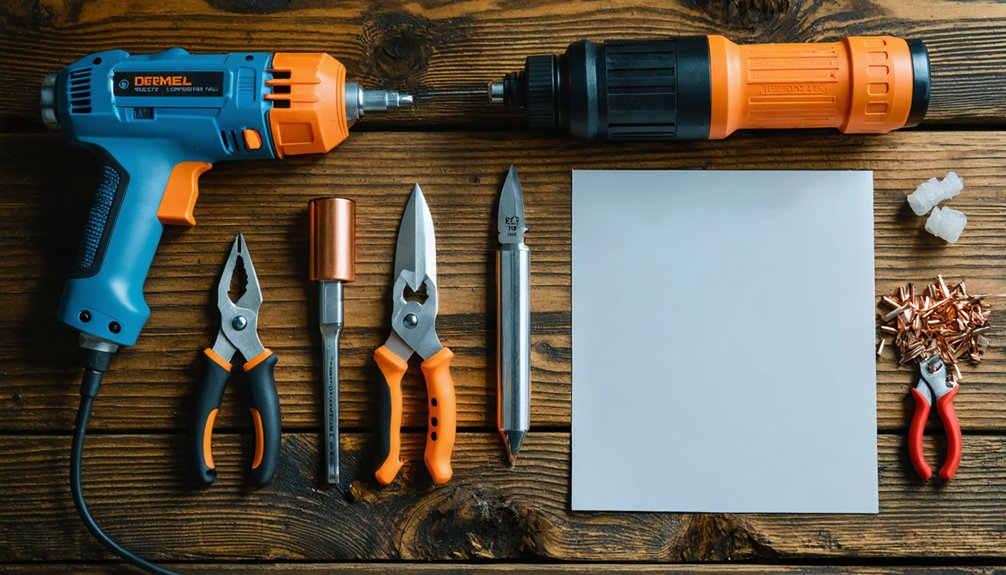
The five best functional cosplay gadgets for crafting are a hot glue gun, heat gun, rotary tool, sewing machine, and airbrush. You’ll use the hot glue gun to bond foam and fabric fast, the heat gun to curve and seal EVA foam, and the rotary tool to carve sharp panel lines and textures. Your sewing machine builds structured costumes, while your airbrush lays down smooth base coats and weathering effects. Each tool’s full potential is just ahead.
Key Takeaways
- A hot glue gun quickly bonds foam, fabric, and lightweight props, making it essential for assembling and aligning cosplay components efficiently.
- A heat gun softens EVA foam for shaping curves and seals surface pores for better paint adhesion.
- A rotary tool carves, sands, and engraves detailed panel lines and textures into foam and printed cosplay parts.
- A sewing machine constructs durable, structured costumes with consistent seams using variable stitch and needle settings.
- An airbrush delivers smooth base coats, color gradients, and weathering effects on helmets, armor, and props.
Hot Glue Gun: The Fastest Way to Bond Cosplay Foam and Fabric
When you’re mid-build and need pieces bonded fast, a hot glue gun is the tool that keeps your workflow moving. Hot glue delivers quick bonding across foam, fabric, trims, and lightweight props without waiting for cure times.
You’ll use it to tack components into position before permanent fastening, align layered armor pieces, and secure decorative accents along seams.
Trigger control matters here. Applying too much adhesive creates visible stringing and uneven surface texture that’s difficult to clean without a heat gun pass. Keep glue beads tight and consistent.
Let each bond cool fully before repositioning adjacent pieces to avoid joint failure.
Burn risk is real during extended sessions, so pace your pulls and maintain awareness of where the tip is pointing throughout the build.
Heat Gun: How to Shape EVA Foam for Cosplay Armor
Once your glued components are set, a heat gun gives you control over something hot glue never can — the actual shape of the foam itself.
Direct heat softens EVA foam within seconds, letting you bend curves, press bevels, and lock compound angles that flat-cut pieces can’t achieve cold. Hold the gun 3–4 inches from the surface, sweep it steadily, then form the foam by hand or against a mold before it cools.
For foam sealing, a quick pass at medium heat closes the surface pores, creating a tighter base layer that accepts primer and paint more evenly.
Heat shaping and sealing work as a combined workflow — shape first, seal after. Watch your temperature; overheating collapses cell structure and warps finished geometry permanently.
Rotary Tool: Sand, Carve, and Finish Cosplay Props
After heat shaping locks your foam geometry, a rotary tool handles everything that follows — sanding rough edges, carving surface detail, and cleaning up 3D-printed layer lines. That’s where rotary tool versatility becomes essential in your workflow.
Swap attachments based on your task: sanding drums smooth beveled foam edges, engraving bits cut panel lines into armor surfaces, and grinding stones refine resin or printed parts. Precision carving lets you add recessed detail, vent patterns, or texture that paint alone can’t achieve.
Run lower RPM settings on foam to avoid melting, higher speeds on hard materials like resin or PLA. Always wear eye protection and work with dust control active. A Dremel-style rotary tool earns its place in every serious cosplay build.
Sewing Machine: Build Durable Cosplay Costumes That Last
Rotary tools handle hard materials, but fabric-based costumes need a different kind of precision — and a sewing machine delivers it. When you’re constructing structured bodices, lined capes, or stretch-panel suits, machine stitching produces consistent seams that hold under convention-floor stress.
You’ll want to dial in your thread tension carefully — too loose and seams pucker; too tight and fabric stretch panels tear at stress points. A machine with variable stitch settings lets you switch between woven fabrics and spandex without compromising seam integrity.
Pair it with ballpoint needles for knits and sharp needles for woven materials. Supporting tools like fabric scissors, measuring tape, and seam pins keep your pattern work accurate before a single stitch runs.
A sewing machine isn’t optional — it’s structural.
Airbrush: Get Smooth Paint and Weathering on Any Cosplay Build
Fabric seams close out your structural work, but surface finishing is where paint application defines your final result — and an airbrush gives you control that brush strokes can’t match.
Structural work ends at the seam — surface finishing is where paint transforms your build into something complete.
You’ll spray smooth base coats directly onto helmets, armor panels, and props without leaving visible marks across surface texture. Color blending becomes precise — you can fade metallics into shadows or push weathering gradients across curved geometry with consistent pressure control.
Airbrushes handle fine detail passes that rollers and flat brushes physically can’t execute at scale. You’ll need respiratory protection during spray sessions, since paint particulates disperse widely in your workspace.
Treat an airbrush as a deliberate upgrade once your builds demand professional-grade finishing — it fundamentally changes how polished your completed cosplay reads.
Frequently Asked Questions
What Cutting Tools Are Best for Precision Cosplay Prop Fabrication?
For precision cosplay prop fabrication, you’ll want precision blades like X-Acto knives for clean cuts and fine tipped scissors for detailed trimming. Laser cutters and craft cutters elevate your fabrication accuracy to a professional, innovative level.
Can Neodymium Magnets Help With Modular Costume and Prop Attachments?
Yes, neodymium magnets give you impressive magnet strength for secure, tool-free connections across armor panels and props. They’re enabling attachment flexibility, letting you swap modular pieces cleanly without visible fasteners disrupting your costume’s visual lines.
Which Cosplay Tools Are Most Suitable for Complete Beginners Starting Out?
⚙ Like a medieval blueprint, you’ll start strong with a hot glue gun, heat gun, and sewing machine—mastering cosplay material selection and costume fitting techniques drives your beginner builds toward precise, innovative results fast.
What Safety Gear Is Recommended When Using Cosplay Crafting Tools?
When crafting, you’ll need safety glasses to shield your eyes from debris during rotary tool use, protective gloves to prevent burns from hot glue, and respiratory protection when airbrushing paints or sanding materials aggressively.
Are Laser Cutters or Craft Cutters Worth Investing in for Cosplay?
Like Tony Stark’s precision workshop, laser engraving and craft cutters transform your builds—they’re worth it if you’re pairing them with 3D printing for intricate armor details, clean foam cuts, and repeatable, pixel-perfect prop fabrication.
References
- https://www.youtube.com/watch?v=BKyqporHsgw
- https://www.reddit.com/r/CosplayHelp/comments/1fvg499/recommendations_for_a_cosplay_maker_starter_kit/
- https://www.makingmakebelieve.com/resources/costume-care/15-of-the-best-crafting-tools/
- https://www.youtube.com/watch?v=Q4M7cdb1wvc
- https://www.youtube.com/watch?v=mdroCNlj8Wo
- https://www.youtube.com/watch?v=ftY7L2W–YE
- https://www.youtube.com/watch?v=GKxm99mz210
- https://www.youtube.com/watch?v=ZvYUig9F16A